Almond milk has been around since the Middle Ages; medieval kitchens used it as a dairy substitute during religious fasting days when animal products were off-limits. Today, it’s the undisputed king of plant-based milks, pulling in over $1.5 billion in annual U.S. sales. But with so much hype surrounding this creamy, nutty beverage, you might be wondering: is almond milk actually good for you, or is it just clever marketing?
In this guide, we’ll explore 18 health benefits of almond milk, the almond milk side effects you should watch for, and exactly how to make almond milk at home in four easy steps. Grab a glass and let’s dig in. By the end, you’ll know not just what almond milk does, but whether it deserves a place in your own kitchen.
What Is Almond Milk?
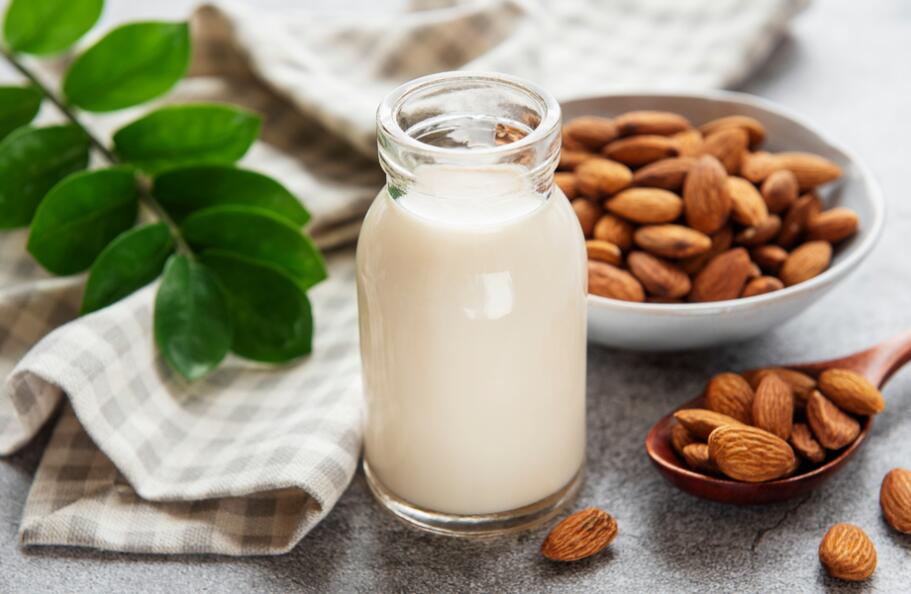
Almond milk is a plant-based beverage made by blending almonds with water and then straining the mixture to remove the solid pulp. The result is a smooth, slightly nutty liquid that looks remarkably similar to cow’s milk but has a completely different nutritional makeup.
The process is simple at its core: soak almonds, blend them with water, and strain. Commercial producers do this on a massive scale, often adding vitamins, minerals, stabilizers, and flavorings to extend shelf life and improve texture. Some brands also add salt, sweeteners, or thickeners like carrageenan and gums.
What you get in the store isn’t always the same as what you’d make at home. Store-bought almond milk typically contains only about 2% almonds; the rest is water and additives. Homemade versions, on the other hand, can be much richer because you control the ratio of almonds to water. That means more flavor, more nutrients, and zero mystery ingredients.
Almond Milk Nutrition Profile
To understand whether almond milk is good for you, we need to look at what’s actually in it. Here’s a side-by-side comparison of unsweetened almond milk versus whole cow’s milk per one-cup (240 ml) serving:
| Nutrient | Unsweetened Almond Milk | Whole Cow’s Milk |
|---|---|---|
| Calories | 30-40 | 149 |
| Protein | 1 g | 8 g |
| Fat | 2.5-3 g | 8 g |
| Carbohydrates | 1-2 g | 12 g |
| Sugar | 0 g | 12 g |
| Calcium (fortified) | 200-450 mg | 276-300 mg |
| Vitamin E | 7.5 mg (50% DV) | 0.15 mg |
| Vitamin D (fortified) | 2.5-3 mcg | 3.2 mcg |
| Potassium | 160-200 mg | 322 mg |
A few things stand out from this table:
- Calories: Almond milk is dramatically lower in calories, about 30-40 per cup versus 149 for whole milk. That’s roughly a 75% reduction.
- Protein: This is the big trade-off. Almond milk contains only about 1 gram of protein per cup, compared to 8 grams in cow’s milk. If protein is a priority for you, you’ll need to make up the difference elsewhere in your diet.
- Vitamin E: Almond milk is an excellent source of vitamin E, providing about 50% of your daily value in a single cup. Cow’s milk barely registers on this front.
- Calcium: Commercial almond milk is often fortified with calcium to levels that match or exceed dairy milk. Homemade almond milk, however, won’t have this fortification unless you add it yourself.
It’s worth noting that sweetened and flavored almond milks (like vanilla or chocolate) can pack significantly more sugar and calories. Always check the label; some sweetened varieties contain up to 20 grams of added sugar per cup, which is nearly as much as a can of soda.
18 Amazing Health Benefits of Almond Milk
Let’s break down the specific ways almond milk can support your health. Here are 18 benefits, grounded in nutrition science:
1. Low in Calories for Weight Management
One cup of unsweetened almond milk contains roughly 30-40 calories, compared to about 150 calories in whole cow’s milk. That’s a dramatic difference if you’re watching your caloric intake.
Swapping dairy milk for almond milk in your daily coffee, cereal, or smoothie can save you hundreds of calories per week without sacrificing taste or texture.
Quick comparison:
| Milk Type | Calories (1 cup) | Fat (g) |
|---|---|---|
| Whole Cow’s Milk | 149 | 8 |
| Unsweetened Almond Milk | 30-40 | 2.5 |
| Oat Milk | 120 | 5 |
2. Packed with Vitamin E
Almonds are one of the best natural sources of vitamin E, a fat-soluble antioxidant. One cup of almond milk can provide up to 50% of your recommended daily intake of vitamin E.
Vitamin E helps:
- Protect cells from oxidative damage
- Support immune function
- Promote healthy skin and eyes
3. Supports Heart Health
Almond milk is free of cholesterol and low in saturated fat. It contains monounsaturated fatty acids (MUFAs), the same heart-healthy fats found in olive oil.
Research suggests that replacing saturated fats with MUFAs can help reduce LDL (“bad”) cholesterol levels, lowering the risk of cardiovascular disease. For anyone focused on heart health, this plant-based milk is a smart daily choice.
4. Fortified Almond Milk Supports Bone Health
While almonds themselves aren’t naturally high in calcium, most commercial almond milk brands are fortified with calcium and vitamin D, two nutrients critical for strong bones.
A single cup of fortified almond milk can provide:
- 25-45% of your daily calcium needs
- 25% of your daily vitamin D needs
This makes it a solid option for people who avoid dairy but still want to protect their bone density as they age.
5. Low Glycemic Impact, Great for Blood Sugar Control
Unsweetened almond milk has a very low glycemic index (GI). It contains minimal carbohydrates, which means it won’t cause the blood sugar spikes associated with regular milk or sweetened beverages.
This makes almond milk particularly beneficial for:
- People with type 2 diabetes
- Those following a low-carb or ketogenic diet
- Anyone managing insulin resistance
⚠️ Important: Always choose unsweetened varieties to keep the glycemic impact low.
6. Naturally Lactose-Free
Approximately 65% of the global population has some degree of lactose intolerance. For these individuals, consuming dairy milk can cause bloating, gas, cramping, and diarrhea.
Almond milk contains zero lactose, making it a comfortable and easy alternative for sensitive stomachs. Unlike lactose-free dairy milk (which is still processed from cow’s milk), almond milk is entirely plant-based.

7. Promotes Healthy, Glowing Skin
The high vitamin E content in almond milk isn’t just good for your insides; it benefits your skin too. Vitamin E is a well-known antioxidant that helps:
- Neutralize free radicals that cause premature aging
- Maintain skin moisture and elasticity
- Reduce inflammation linked to acne and eczema
Some people even apply almond milk topically as a gentle skin cleanser, though drinking it regularly is where the real skin benefits shine.
8. Supports Muscle Function with Added Vitamins
While almond milk is not a high-protein beverage (it contains only about 1g of protein per cup), many fortified versions are enriched with B vitamins, including riboflavin (B2) and vitamin B12.
These B vitamins play a key role in:
- Energy metabolism
- Red blood cell production
- Nerve function and muscle recovery
If you’re an active person, pairing almond milk with a protein-rich food helps cover all your nutritional bases.
9. May Support Brain Health
Vitamin E has been studied for its potential neuroprotective properties. Some research suggests that adequate vitamin E intake may help slow cognitive decline associated with aging and reduce the risk of Alzheimer’s disease.
Since almond milk is one of the richest plant-based sources of vitamin E, incorporating it into your diet is a simple way to support long-term brain health.
10. May Help Reduce Blood Pressure
Almond milk contains potassium, a mineral that helps relax blood vessel walls and counteract the effects of sodium on blood pressure. While the potassium content isn’t as high as in whole almonds, it still contributes to a heart-healthy diet.
Combined with its low sodium content, almond milk is a smart choice for people managing hypertension.
11. Suitable for Vegan and Plant-Based Diets
For those following a vegan lifestyle, finding nutritious, satisfying alternatives to animal products is essential. Almond milk checks all the boxes:
- ✅ No animal products
- ✅ No animal by-products
- ✅ Cruelty-free
- ✅ Widely available and affordable
It’s one of the most accessible plant-based milks on the market, available in virtually every grocery store.
12. Anti-Inflammatory Properties
Chronic inflammation is linked to a wide range of serious health conditions, including heart disease, diabetes, and cancer. The vitamin E and healthy fats in almond milk have demonstrated anti-inflammatory properties in research settings.
“Reducing chronic inflammation through diet is one of the most powerful things you can do for long-term health.”
Incorporating anti-inflammatory foods like almond milk into your daily routine is a proactive step toward better overall wellness.
13. Easy to Digest
Unlike cow’s milk, which can be difficult to digest for many people (even those without full lactose intolerance), almond milk is generally very gentle on the digestive system.
It’s free from:
- Lactose (milk sugar)
- Casein (a common dairy protein allergen)
- Whey (another dairy protein that can cause sensitivity)
For people with irritable bowel syndrome (IBS) or general digestive sensitivity, almond milk is often a much more comfortable choice.
14. Rich in Antioxidants
Beyond vitamin E, almonds contain a range of polyphenols and flavonoids, plant compounds with powerful antioxidant activity. These antioxidants help:
- Protect cells from DNA damage
- Reduce oxidative stress
- Support the body’s natural detoxification processes
Regular consumption of antioxidant-rich foods like almond milk is associated with a lower risk of chronic disease over time.

15. May Support Healthy Aging
The combination of vitamin E, antioxidants, and healthy fats in almond milk creates a nutritional profile that’s genuinely supportive of healthy aging. These nutrients work together to:
- Protect skin from UV-related damage
- Maintain cognitive function
- Reduce cellular oxidative stress
While no single food is a fountain of youth, almond milk is a smart addition to any longevity-focused diet.
16. A Practical Alternative for Those with Dairy Allergies
Cow’s milk allergy affects millions of people worldwide, particularly children. Unlike lactose intolerance (a digestive issue), a dairy allergy involves an immune system response to milk proteins.
Almond milk provides a safe, tasty alternative that avoids the proteins responsible for allergic reactions. However, it’s worth noting that tree nut allergies are also common, so almond milk isn’t suitable for everyone; always check with a healthcare provider.
17. Supports a Healthy Immune System
Several nutrients in almond milk contribute to immune health:
| Nutrient | Role in Immunity |
|---|---|
| Vitamin E | Antioxidant protection, T-cell support |
| Vitamin D (fortified) | Regulates immune response |
| Zinc (trace amounts) | Wound healing, immune cell function |
| Riboflavin (B2) | Cellular energy for immune cells |
Drinking almond milk as part of a balanced diet helps ensure your immune system has the micronutrients it needs to function optimally.
18. Environmentally Conscious Choice
While this benefit is more about planetary health than personal health, the two are deeply connected. Almond milk production generates significantly fewer greenhouse gas emissions than dairy milk production.
Research from the University of Oxford found that producing a glass of dairy milk generates almost three times more greenhouse gases than any plant-based milk alternative. Choosing almond milk is a way to align your diet with your environmental values.

Potential Downsides and Things to Watch For
I’d be doing you a disservice if I only covered the positives. Here are some important considerations:
1. Low Protein Content
At just 1 gram of protein per cup, almond milk isn’t going to help you build muscle or feel full the way dairy or soy milk can. If you rely on milk as a protein source, you’ll need to compensate with other foods like eggs, tofu, beans, or Greek yogurt.
2. Not Suitable for Nut Allergies
This one’s obvious but worth stating: if you have a tree nut allergy, almond milk is off the table. Oat milk, soy milk, or rice milk are safer alternatives.
3. Added Sugars in Flavored Varieties
Sweetened almond milk can contain as much sugar as a soda. Always opt for unsweetened versions, and check the ingredient list for added sweeteners like cane sugar, agave, or maple syrup.
4. Additives and Thickeners
Some commercial brands add carrageenan, gums (like gellan or locust bean), and artificial flavors. While these are generally recognized as safe by the FDA, some people report digestive discomfort from carrageenan. If you’re sensitive, look for brands that skip these additives, or make your own.
5. Not a Complete Infant Formula
Almond milk should never be used as a replacement for breast milk or infant formula. It lacks the fat, protein, and calories that growing babies need. Consult your pediatrician for appropriate alternatives if your child has dairy allergies.
How to Make Almond Milk Step-by-Step at Home
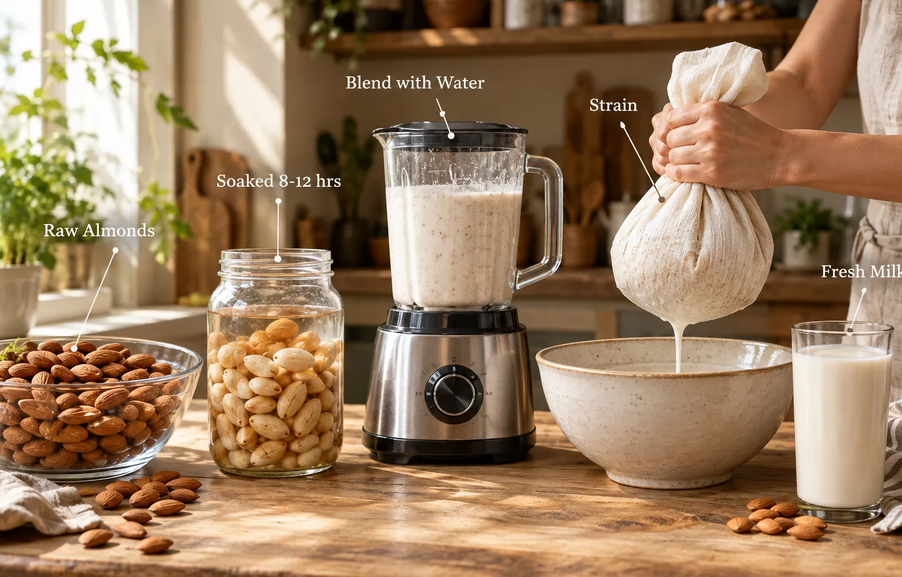
Making your own almond milk is surprisingly easy, more cost-effective, and allows you to control exactly what goes into it. No gums, no excessive processing, just pure, delicious almond goodness!
What You’ll Need:
- Ingredients:
- 1 cup (150g) raw whole almonds (preferably organic)
- 4 cups (960ml) filtered water, plus more for soaking
- Optional: 1-2 pitted Medjool dates or 1 tbsp maple syrup for sweetness
- Optional: A pinch of salt
- Optional: 1/2 tsp vanilla extract for flavor
- Equipment:
- Large bowl for soaking
- Fine-mesh nut milk bag or cheesecloth
- High-speed blender
- Large pitcher or jar for storage
The Process:
Step 1: Soak the Almonds (Overnight is Best!) 🌙
- Place the 1 cup of raw almonds in a large bowl.
- Cover them generously with filtered water (at least 2 inches above the almonds).
- Let them soak at room temperature for at least 8 hours, or preferably overnight (up to 24 hours). Soaking softens the almonds, makes them easier to blend, and helps break down phytic acid, improving nutrient absorption.
Step 2: Drain and Rinse 🚿
- After soaking, drain the almonds in a colander.
- Rinse them thoroughly under cold running water. You might notice the skins are a bit looser, but there’s no need to peel them unless you prefer a super white milk.
Step 3: Blend! 🌪️
- Transfer the rinsed almonds to your high-speed blender.
- Add 4 cups of fresh filtered water.
- If you’re adding sweeteners or vanilla, put them in now.
- Blend on high for 1-2 minutes, until the mixture is creamy and frothy, and the almonds are fully pulverized. The longer you blend, the creamier your milk will be.
Step 4: Strain the Milk 🥛
- Place your nut milk bag or several layers of cheesecloth over a large pitcher or bowl.
- Slowly pour the blended almond mixture into the bag/cheesecloth.
- Gather the top of the bag/cheesecloth and squeeze firmly to extract all the liquid. Squeeze until no more milk comes out. Don’t be shy, really wring it out!
Step 5: Store and Enjoy! 🥳
- Your homemade almond milk is ready! Pour it into an airtight jar or bottle.
- Store it in the refrigerator for up to 3-5 days. It might separate a bit, which is normal, just give it a good shake before each use.
- Don’t discard the leftover almond pulp! It’s a fantastic byproduct that can be used in baking (like cookies or crackers), added to smoothies for extra fiber, or dried to make almond flour.
Troubleshooting Tips:
- Too thin? Use a slightly higher almond-to-water ratio next time (e.g., 1.5 cups almonds to 4 cups water).
- Not sweet enough? Adjust the amount of dates or maple syrup to your liking.
- Gritty texture? Blend for longer, ensure your blender is high-speed, and use a very fine-mesh nut milk bag.
Making your own almond milk is a rewarding process that guarantees freshness and allows for complete control over ingredients, making it even more beneficial for your health.
How Much Almond Milk Should You Drink?
There’s no official “dose,” but 1–2 cups a day is a reasonable, well-tolerated amount for most adults. Think of it as one swap, not a cleanse. A cup in your morning coffee and another over evening oats is plenty to enjoy the benefits without overdoing any single food.
If you’re using it to replace dairy entirely, just make sure the rest of your day covers the protein and calcium almond milk lacks — leafy greens, tofu, beans, and fortified foods all help.
How to Choose the Best Store-Bought Almond Milk
If making your own isn’t your thing, here’s what to look for when shopping:
- ✅ Unsweetened, Look for “unsweetened” on the label. Aim for 0 grams of added sugar.
- ✅ Fortified, Choose brands that add calcium, vitamin D, and vitamin B12.
- ✅ Short ingredient list, The fewer additives, the better. Ideally: almonds, water, and a few added vitamins.
- ✅ No carrageenan, If you have a sensitive stomach, skip brands that use this thickener.
- ✅ Protein-boosted, Some newer brands in 2026 now add pea protein to almond milk, bringing the protein content closer to dairy milk. These are worth seeking out if protein is a priority.
FAQs
Is almond milk healthier than cow’s milk?
It depends on your goals. Almond milk wins on calories, lactose, and saturated fat; dairy wins on protein and natural calcium. Fortified almond milk closes much of the gap.
Can I drink almond milk every day?
For most people, yes — a cup or two daily is fine. Choose unsweetened, watch for nut allergies, and balance your protein from other foods.
Which almond milk is best for coffee?
Barista-style versions with added fats steam and foam better without splitting. Homemade works too if you blend it a little richer.
Does almond milk help you lose weight?
Swapping higher-calorie dairy for unsweetened almond milk can reduce daily calories, which supports weight loss as part of an overall balanced diet.
Is almond milk safe during pregnancy?
Plain, pasteurized almond milk is generally fine, but talk to your healthcare provider, since nutrient needs differ during pregnancy.
Does almond milk curdle in hot coffee?
It can, especially if the milk is cold and the coffee is very hot or acidic. Warming the milk first or using a barista blend prevents separation.
Can you freeze almond milk?
Yes, though texture changes — it separates and gets grainy. Best used in cooking or smoothies after thawing, not in a glass.
Is almond milk keto-friendly?
Unsweetened almond milk is low in carbs and fits most keto plans; sweetened versions do not. Always read the label.
Why does homemade almond milk separate?
Natural separation with no fillers is normal and a good sign. Just shake well before pouring.
Final Thoughts
Almond milk isn’t magic — but it is a genuinely useful, tasty, and flexible addition to a healthy lifestyle. From lactose-free digestion and vitamin E to simple homemade savings, the 18 benefits above explain why it’s earned a permanent spot in so many fridges.
Just remember the side effects, choose unsweetened when you can, and try making a batch yourself this weekend. Your body, your taste buds, and your budget will all notice the difference. Start with one small swap — maybe tomorrow’s coffee — and let the habit build from there. Healthy change rarely arrives in a single dramatic leap; it shows up in ordinary choices, repeated.