
Apple Cider Vinegar and Honey are two natural ingredients used for centuries to promote overall health and wellness. This powerful combination has been used to treat various ailments, from digestive issues to allergies, and even to help lose weight.
Together, these two ingredients have powerful anti-bacterial and anti-fungal properties, which can help to boost the immune system and fight off infections. Additionally, they are both rich in vitamins, minerals, and antioxidants which can help to improve digestion and reduce inflammation.
Apple Cider Vinegar and Honey are both readily available and easy to use, making them an excellent choice for anyone looking to improve their health and well-being. This article discusses the 13 health benefits of apple cider vinegar and honey.

Why Combine Apple Cider Vinegar and Honey?
1. To reduce acidity
When mixed and diluted in water, the acidity of the mix is significantly reduced before it is ingested. In the stomach, the ACV and the honey are converted into an alkaline form before being used by the body.
2. Amplification of effects
Some benefits can be gotten from either ACV or honey, so these effects are heightened when combined. This is very handy because one cannot take too much ACV at once without risking some harsh side effects.
But when you have honey to complement and amplify the ACV’s effects, you get more benefits in a drink than you’ll get from only taking either. A notable example of this is the bad breath eliminating the effect of the mix.
3. Taste
The honey tastes sweet…very sweet. A lot of people say honey tastes too sweet. And indeed, honey is sweeter than all other natural sugars, including most fruits. ACV tastes strongly acidic. Mixing ACV with honey helps to mask the harsh taste of ACV and the sugary taste of honey remarkably on both sides, creating a balance.
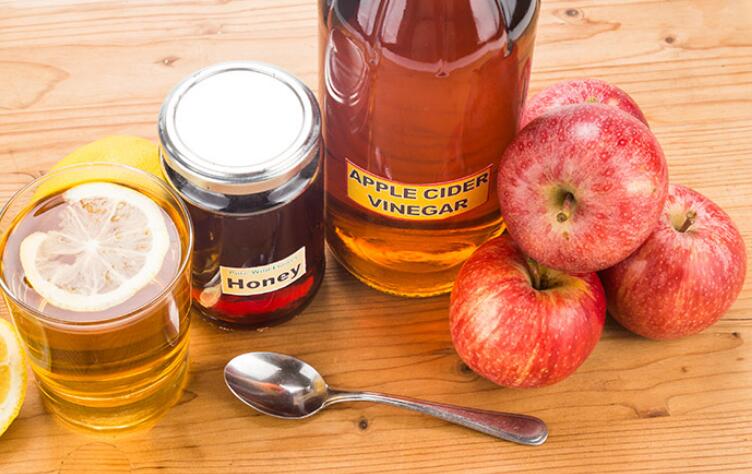
13 Health Benefits of Apple Cider Vinegar and Honey
Enjoy a million and one benefits when you take the ACV and honey mix. Most benefits can be categorized under general wellness, medicinal, or cosmetic.
Effects of the ACV and Honey on General Wellness
1. ACV and honey help with weight loss
The magic mixture has been proven to assist in weight loss by curbing the appetite, reducing carbohydrate absorption, and minimizing water retention. Most of this is made possible due to the high concentration of acetic acid in ACV.
Honey can also help enhance body metabolism, preventing fat accumulation. These combined effects help the body eliminate unnecessary fat leading to weight loss.
2. Detoxification
The mixture’s vinegar helps detoxify the body by binding to toxins and getting egested with them. The mother component of ACV also contains good bacteria that help to detoxify the stomach. You may add lemons to the mixture to increase its detoxification effect.
3. Source of energy
Drinking ACV and honey can be a very effective way of boosting your energy. Honey is natural sugar. The body breaks down honey into fructose, glucose, and sucrose, which are simple sugars the body runs on.
When drunk in the morning, the honey component of the mixture serves as a supply of energy for the body leading to an energetic, productive day.
4. Remedy for halitosis
Several reasons, including bacterial infestation, can cause halitosis or bad breath. The ACV and honey mixture is one of the most effective cures for bad breath. Drank in the morning before meals and at night before going to bed; the mix can help kill the causative bacteria leaving the mouth fresh over time.
Medicinal Effects of ACV and Honey
Due to the countless side effects that different drugs have, doctors worldwide have been leaning towards more natural ways of treating disease conditions in recent years. ACV and honey mixture has been tested and trusted to help treat (or even prevent) the following diseases.
1. Arthritic pain
Both ACV and honey contain anti-inflammatory agents. Drinking a mix of both releases enough anti-inflammatory agents into the inflamed joint, helping to suppress pain and promote healing.
This mixture is also preferred since it reduces inflammation without the accompanying ulcer that NSAIDS brings. I have seen ACV and honey work like magic in my father’s case. He had arthritis until he began to drink this mix daily. Soon, his joints were healed, and degeneration was slowed.
2. Heart conditions
ACV and honey mix have different cardioprotective properties. It decreases the production of bad cholesterol (low-density lipoprotein) and stimulates good cholesterol (high-density lipoprotein). Also, both honey and ACV have been linked with anti-hypertensive activities.
The mixture helps to keep blood pressure in check naturally, maintaining blood pressure at an optimal level. At this level, the heart is protected, the blood vessels are protected from hypertension, and the risk of stroke is at the lowest possible.
3. Treatment of infections
The antibiotic property of the mixture has been known for ages and even confirmed by scientists. The remedy is particularly effective in treating urogenital infections, e.g., bladder and yeast infections. Apart from treatment, ACV and honey can also help keep the bladder’s bacterial flora in check, preventing disease onset.
4. Sore throat relief
The soothing effect complements the antimicrobial property of ACV from honey to provide a potent remedy for sore throat. The mixture is perfect for the treatment and relief of sore throat. It is advised that you gargle on the mix before actually swallowing.
5. Resolve indigestion
Honey is used to treating gastrointestinal conditions that could lead to indigestion. The acetic acid in ACV can help stimulate digestive enzymes in the gastrointestinal tract, aiding digestion. When experiencing constipation, drink a glass of ACV and honey mixture and expect relief quickly.
6. Relief from nasal congestion
ACV helps to break up mucus, thereby decongesting the sinuses; clearing the airway. ACV and honey mixture comes in handy when your nose is blocked and you need instant relief.
Cosmetic effects of Apple Cider Vinegar and Honey
Apart from the countless medicinal benefits of the magic mixture, there are several cosmetic benefits to be gotten too. The first one invariably is a body in better shape after weight loss from taking ACV and honey. But apart from ingesting this mixture to reap its benefits, it can be used in other ways, including
1. Get rid of acne
ACV helps dissolve dirt accumulated on the skin and unclog pores, allowing proper moisture penetration into the skin. Honey has been proven to help repair damaged skin. Together, they help to combat acne, and you can expect visible results within a few weeks.
For the treatment of acne, you apply the mixture directly to your face. The water component of the mix is much lower than here if it was to be ingested. You should only put as much water as vinegar into the mixture.
This helps to make the mixture thick. When you apply it to your face, use it as a mask. Wait for 20 to 30 minutes before washing off. The combination also helps to clear the scars and blackheads that acne is known to leave behind, so be sure to continue using the mixture for a few weeks, even after the acne is gone.
2. Helps with skin conditions
skin conditions like eczema and psoriasis can be improved by washing the skin surface with ACV and honey mix twice daily.
The mixture helps to balance the skin’s pH, thereby reverting the effects of these conditions on the skin and ultimately getting rid of them. The combination can also be used to exfoliate. It removes dead cells and improves the skin’s overall condition, leaving it rich and supple.
3. Promotes healthy hair
When poured into a spray bottle and spritzed directly on the hair, ACV and honey mixture helps to keep the hair healthy and retain its natural shine.
The acetic acid in the ACV helps kill pathogenic bacteria on the scalp and balance the scalp’s pH. The honey helps to moisturize the scalp ad hair strands. The locked-in moisture makes the hair grow healthy with a characteristic shine.
How to Make Apple Cider Vinegar and Honey Recipe
When attempting to make your ACV-Honey recipe, you first want to ensure that your ingredients are in their most natural forms. Pure, raw honey can be obtained from the farmers’ market and some grocery stores. Make sure to get the unrefined one, as the refined one has already been processed or diluted with water in some cases.
Raw honey is a thick liquid that is unclear at the bottom because of settled lumps. For ACV, watch out for the ‘mother of vinegar sign on the label. The bottles with this sign on the label contain the most potent ACV. The ‘mother’ here refers to a visible cloudy pulp that can be seen to settle at the bottom of the vinegar bottle.
The pulp is from strands of the substance used to make the vinegar, in this case, apples. Remember to always shake the ACV bottle to a cloudy consistency before pouring out your desired quantity
For a start, mix
- One teaspoon of raw honey
- One teaspoon of apple cider vinegar
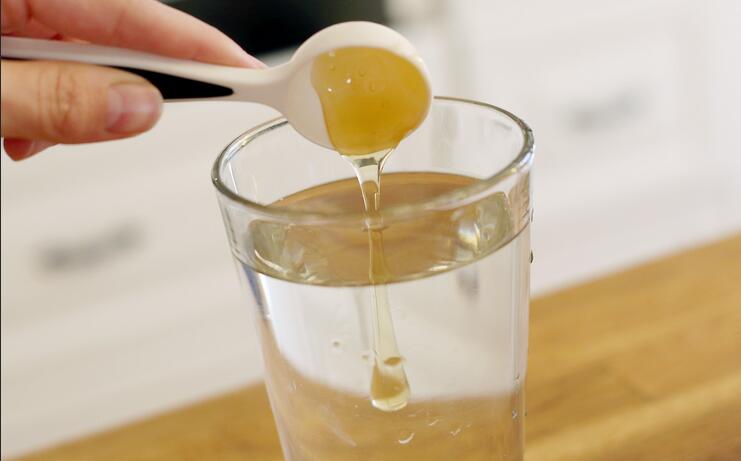
- in 1 glass (8 oz.) of warm water. The water could have been boiled or microwaved but make sure it’s not too hot at the point of mixing
- Gently steer the mixture with a spoon until the color is from the top of the glass to the bottom before drinking.
At first, it is normal to be unenthusiastic about the unappealing taste, but the benefit quickly outweighs the taste. Also, you’ll later get used to the taste and realize that it wasn’t nearly as bad as you thought.
After a while, you can increase the mixture’s potency just as your body tolerates it. I recommend increasing the ACV to a tablespoonful at first, then to a maximum of 2 tablespoonfuls when your body has integrated the taste and benefits of the mix. You can also increase the quantity of honey in the mixture to match the ACV concentration and boost the taste.
When to drink your ACV-honey mix
Now that you’ve learned how to make your ACV-honey mix, you may wonder when is the best time to drink it and how often you should drink it for the best result.
The answer to this question may vary slightly according to your goals. People who take the ACV-honey mix for general body wellness may not need to drink it as often as people who use it to lose weight.
However, it is advised that you drink the mix every morning. For the best result, drink it about 20 to 30 minutes before breakfast. It is essential to be consistent in this practice.
Inconsistency may delay effects which would then cause you to start having doubts about the efficacy of the mixture. When you make it a habit to drink it correctly and consistently, you can expect to start seeing results in about ten days.
When you get used to the drink or your goals are high, you can consider taking it two times a day. Just be careful only to drink it within the tolerance of your body.
Side Effects of Excessive Consumption of ACV and Honey Mixture
It is true what they say; too much of anything is wrong. Honey and apple cider vinegar are generally considered safe substances, but even when it’s a multipurpose organic mixture, too much of anything still is terrible.
Mixing the ingredients in the right proportions is important to avoid having a mixture that is too concentrated. It is also essential to ration your intake and not take medicine too frequently to prevent the side effects of consuming too much apple cider and honey. Some of the side effects are:
1. Low potassium levels in the bones
Excessive use of ACV results in the depletion of potassium in the body which in turn causes osteoporosis. However, you must drink an unreasonable amount of the mixture before experiencing this effect. Follow the instructions highlighted in this article, and you can rest assured that you will not experience this side effect.
2. Drug interaction
When taken in small quantities, there isn’t a reason to worry about the ACV-honey mix’s effect on your medication. But when taken too frequently, the mixture can counteract the effects of some drugs or enhance the impact of others by increasing the body’s sensitivity to them.
3. Compromised teeth enamel
Some ACV may linger in the mouth even after swallowing. When unattended, this small portion left gradually erodes the teeth’ enamel. When this happens frequently, the erosion becomes considerable enough to weaken the teeth’ enamel, leaving the dentition vulnerable. To avoid this, always rinse your mouth after drinking ACV and honey.
4. Throat burns
When the honey in the mixture is not enough to tone down the acidity of the ACV on the throat, the throat may suffer acid burns. This can be prevented by mixing adequate quantities of all the ingredients. You should also ensure that the honey masks the acidity of the ACV while it goes through the esophagus.