Do you want to know the difference between baking soda and Epsom salt? Both are white powders that reap benefits and can help your muscles and pains. But they are different. Baking soda and Epsom salts are separate items, though the line between them is sometimes hard to distinguish. To better understand the difference between baking soda and Epsom salts, the first step is to know what they are on their own.
What is Baking Soda?
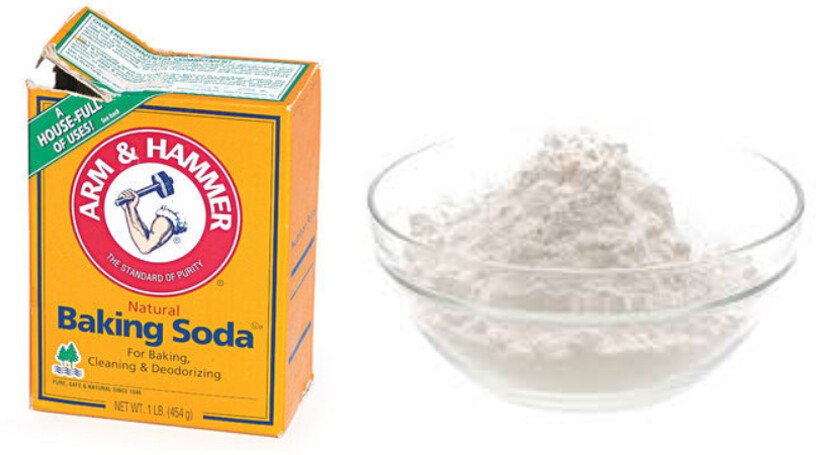
Baking soda, also known as sodium bicarbonate, is formed as a crystal and then ground to become the powdered cooking component in your kitchen.
Baking soda is a simplistic alkaline mineral that has extremely diverse uses. This mineral has antibacterial and antimicrobial properties, which help it eliminate odors and bacteria. This can help both your body and your home. Since baking soda is consumable, it reaps health benefits that can directly improve your well-being.
Health Benefits of Baking Soda

Baking soda is a simplistic mineral that has a cleansing capability. The benefits of baking soda are due to its cleaning properties. It can also perform excellently when it comes to deodorizing something. Baking soda can be applied to many different aspects of your life. The following are some areas where baking soda can help you.
Baking soda can help you whiten your teeth. It can help remove plaque from your teeth and better clean your roots. Most toothpaste has baking soda in them to better clean your teeth.
Since baking soda is a cleanser and deodorizer, it can help eliminate bad breath as a mouthwash. This mouthwash can also manage canker sores in your mouth.
Baking soda does have deodorizing properties. Therefore it can perform as a deodorant. It fights off the acidic component of sweat, reducing the intensity of the stench.
Since baking soda holds antibacterial and acidic components, it can also help fight illnesses and diseases. Baking soda has even been proven to ward away cancer-causing illnesses. Areas prone to tumor development are only there due to an acidic environment.
Baking soda can also help reduce your chances of encountering heartburn and help treat it. When you experience heartburn, baking soda dissolved in water can help reduce the acidic reaction in your stomach and throat.
CKD (Chronic Kidney Disease) is a serious issue proven to be prevented by baking soda supplements.
Read: 10 Health Benefits of Bath with Baking Soda
Uses of Baking Soda
Thanks to its deodorizing qualities, baking soda is helpful in the kitchen and around the entire house.
Baking soda can be used to freshen the smell of enclosed spaces all around your home. Hard-to-get places such as your shoes or closets can be conquered with an air freshener made with baking soda.
The kitchen and bathroom surfaces can be cleaned with a mixture made out of baking soda. The soda will help remove bacteria and germs from collecting on surfaces.
Aggressive burns on your pots and pans can be eliminated with baking soda and equally aggressive scrubbing. Those burns will disappear as quickly as they came with a little boiled water and a charitable amount of baking soda. Silverware can also be rejuvenated with baking soda as well.
One interesting use for baking soda is partnering it with vinegar to clean up your carpet. When vinegar and baking soda are combined, they create a fast-dissolving solution. This solution helps clear out tough stains and collect grime without much hassle.
Baking soda works like a detergent to clean and whiten your clothes to their former glory. Since baking soda is an alkaline mineral, it responds to stains and dirt, fighting against the stains on the clothes.
Baking soda, in general, is a great way to clean out grime and dirt from difficult-to-reach pales when dissolved with the right complement. It’s also one of the best ways to eliminate odors in your house since it eradicates the chemicals rather than covering them up momentarily.
There are also benefits when using baking soda as a beauty product. Baking soda can make your skin softer and aid bone health. Naturally, if it can help clean, strengthen, and whiten your teeth, it can also help the other bones in your body.
Baking soda is a fighter for helping you, and the life hacks that use baking soda are limitless.
What is Epsom Salt?
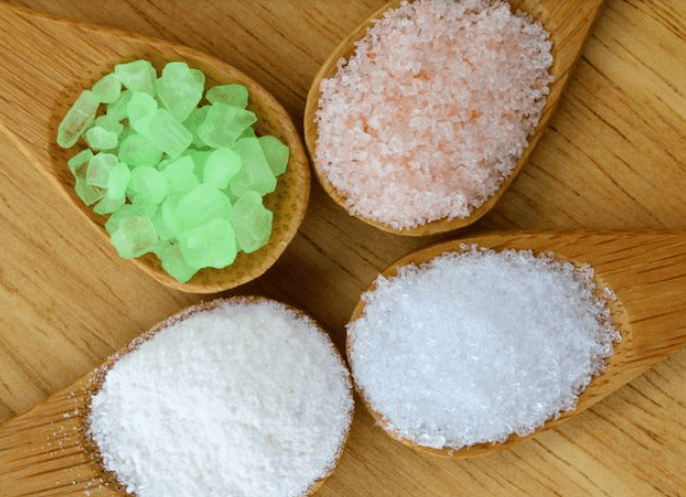
Epsom salt, also known as magnesium sulfate, is a pure mineral with many beneficial properties. Epsom salts are most commonly seen inside bath salts as a whole-body therapy.
Though Epsom salt is not salt, it has a relatively similar chemical structure to salt and is constantly compared. Epsom salt is a bitter-tasting, bland mineral that isn’t a highly preferred food. Epsom salt is high in magnesium, an essential mineral the body requires.
Health Benefits and Uses of Epsom Salt

Many people claim that having a bath salt (Epsom Salt) dissolve into your bath helps your body absorb more magnesium, the fourth most ample mineral. The issue with this claim is that insufficient proof exists to support this. Epsom salt has relief qualities that help you relax and de-stress, but there’s no scientific evidence of your skin absorbing any magnesium during a bath with a bath bomb.
Connected to the magnesium level in Epsom salt, it can help reduce stress and sleep deprivation. This is because healthy sleep requires higher levels of magnesium. Magnesium helps your body generate melatonin, a hormone that helps promote sleep.
Epsom salt does have some benefits when it comes to constipation, but it’s not recommended to use this daily as a solution since it can upset your stomach and turn into diarrhea.
Some people also use Epsom salt as a beauty product. Epsom salt can help add volume to your hair and clear pores from your skin. Doing this at home means that there’s no professional support or claim behind the results of this procedure, and since everyone has a different skin type, the results may not be the same from one person to another.
Epsom salt is known to have laxative properties definitely and can even be prescribed to you by a doctor. It can help regulate bowel movement though you have to be careful about how much you’re consuming.
With the benefits of Epsom salt, though, some negative side effects can occur. Knowing these side effects is better before trying out Epsom salt in your daily routine. As mentioned before, Epsom salt is a laxative, and having too much of it can result in bloating, diarrhea, and an upset stomach.
You can also overdose on the magnesium level provided by Epsom salt, resulting in headaches, lightheadedness, nausea, and flushed skin. More serious cases can leave you in a critical condition, such as heart issues, paralysis, and coma. Death is the most drastic scenario of magnesium overdosage, though this is highly unlikely.
When you’re thinking of consuming or using Epsom salt regularly, always consult a doctor or dermatologist to see what level of Epsom salt you can handle. Dealing with Epsom salt isn’t as easy as dealing with baking soda.
Epsom has even been used as food for plants. The nutrition magnesium has to offer is important to even plants, and when providing the right amount, you can boost the development of your plants.
Since magnesium helps your plants increase their chlorophyll production and phosphorus and nitrogen consumption, your plants have a better chance of becoming strong and full of life. They’ll be greener, healthier, and last longer in this condition. Another Epsom salt component is sulfur, which helps plants create vitamins for themselves through photosynthesis.
Similarities Between Baking Soda and Epsom Salt
They each carry their own beneficial qualities, and in some cases, these qualities overlap. Both of these minerals can help relax your body’s muscles.
While they help you in different ways, they can still successfully unwind you after a long day and detoxify your body with a nice long bath.
How baking soda does this is due to its alkaline properties. As mentioned, this mineral reacts to dirt and acids, repelling them when contacted. On contact with your skin, baking soda fights these and detoxifies your body.
Epsom salt does the same with higher magnesium levels, a vital component for your body. Magnesium brings a pain-relieving feature to help loosen up your tense muscles. Together, they make for a wonderful detox formula and a soothing partner to a warm bath.
There are also beauty benefits that baking soda and Epsom salt share. They can both help soften your skin while you take a bath. They also help exfoliate the skin, which can reduce the cost you pay to keep your skin fresh. Both Epsom salt and baking soda can reduce your pores, making them less noticeable, smaller, and less prone to leaving you with oily skin.
These similarities can bring these two minerals into homemade beauty formulas for skin and baths. The most common place to find these two partnerings is in bath bombs. They’re placed together to create a fun, soothing, and relieving bath with dissolved baking soda and Epsom salt.
Some people even enjoy making DIY bath salts with these two components. It’s a fun pastime, and it’s beneficial to you. It can calm your stress and assuage your muscles after a long day. Just be sure that when dealing with Epsom salts, you’re using the properly given amount, nothing more, or you may encounter the negative side effects of too much magnesium.
The best thing about both of these minerals is that they’re not expensive! They can both be purchased easily; baking soda from grocery or convenience stores and Epsom salt from pharmacies or cosmetic sections. They can help reduce the cost of your cosmetics and other expenses with life hacks and clever tricks.
Differences Between Baking Soda and Epsom Salt
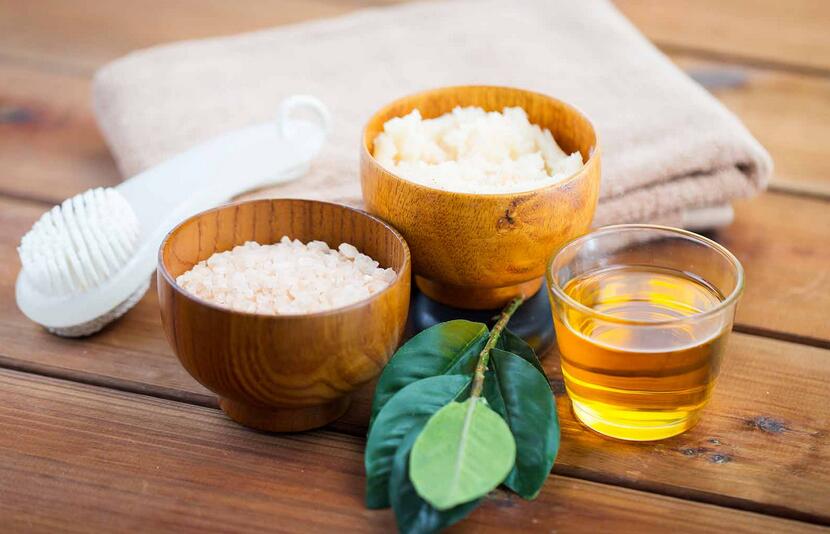
While they sometimes come as partners, they’re not the same. They have their differences which make them applicable in different situations.
Baking soda is used in baking since it can raise batters and dough and keep them light and airy. Baking soda does its job well in this case, and it’s considerably flavorless, so it doesn’t alter the taste of the batter you’re putting it in.
On the other hand, Epsom salt is denser and does have a taste, a very bitter and harsh one. This makes it an unpopular ingredient in the kitchen, although some people dissolve it in water with the belief that this has health benefits.
Baking soda has antibacterial and antimicrobial properties, which Epsom salt does not. This allows the baking soda to be a cleaner and deodorizer. With these qualities, baking soda helps around the house much more than Epsom salt can. It can be used as an air freshener, removing tough stains from frustrating areas.
Epsom salt has a wider impact on beauty than baking soda does; though they both reduce skin pores, Epsom salt also benefits your hair. It can add extra volume to your hair, making thin strands hold on more tightly with magnesium levels.
The magnesium level of Epsom salt makes it harder to indulge in than baking soda. Baking soda is considerably safer than Epsom salt since there are fewer risks. When it comes to permitting one into your daily routine, baking soda is safer.
Conclusion
Overall, Epsom salt and baking soda are both useful in their own cases. They both make baths more relaxing and beneficial, but they work in their own ways.
Baking soda or sodium bicarbonate is probably the one you’re more acquainted with. Epsom salt is not as common but is still not an expensive item to purchase. With Epsom salt, tread with caution since there are plausible negative effects. Baking soda is great almost anywhere and free to indulge in as many benefits as possible.