Salt lamps are becoming increasingly popular in recent years. These lamps are made from pure Himalayan salt from the same region of the world as the salt used for cooking and healing. They are not only beautiful decorative objects, but they also serve as a perfect air ionizer, making them a must-have in any home.
While there is limited scientific evidence to support using Himalayan salt lamps for health purposes, many people who appreciate holistic medicine have reported positive benefits. Even though some experts claim that the lamps have a placebo effect, many users have shared positive feedback about their experiences using them. This article will discuss 15 excellent medical benefits of salt lamps and how they work.
What is a Himalayan Salt Lamp?
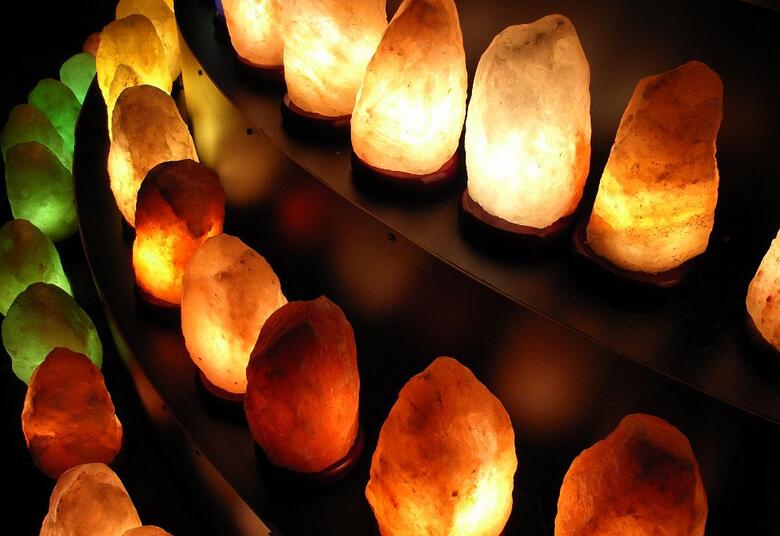
A Himalayan salt lamp is a decorative lamp made from a large salt crystal that is typically pink or orange. These lamps are carved from salt mined in the Himalayan Mountains and are believed to have various health benefits.
The lamps work by emitting negative ions into the air, which can help to purify the surrounding environment. They are also said to reduce allergens, improve mood, and promote relaxation.
Himalayan salt lamps come in various sizes and shapes, ranging from small table lamps to large floor lamps. They are often used as decorative pieces in homes, offices, and spas.
To use a Himalayan salt lamp is typically plugged into an electrical outlet and left on for extended periods. Some people prefer to leave their lamps on all day, while others choose to use them only at night or during meditation and relaxation sessions.
How Do Salt Crystal Lamps Work?
Himalayan salt lamps emit negative ions responsible for purifying the air in your home. A scientific study in the Pakistan Journal of Molecular Biology explains how salt lamps work: “The negative ions are generated by a continuous interplay of water attraction and evaporation.
The salt crystal lamp attracts water molecules from the surrounding air to its warm surface. The water and salt form a solution. In the process of evaporation of the solution, negatively charged ions are created due to the lamp’s heat.
Both positive and negative ions are created, but much more negative ions than positive ions are created, therefore providing a surplus of negative ions.”
Salt itself is hygroscopic, meaning it attracts water from the surroundings. You may notice that the salt lamp is damp, especially in more humid environments.
Due to the gentle heat of the lamp, the water quickly evaporates, and beneficial negative ions are created during the evaporation process. These ions bind with excessive positive ions, such as bacteria, molds, and allergens, which all carry a positive charge. This neutralizes the electronic smog in your home and helps purify the air.
15 Amazing Medical Benefits of Salt Lamps
Salt lamps offer several health benefits. Here are 15 excellent health benefits of salt lamps:
1. Cleanse the Air
Himalayan salt lamps are known for their hygroscopic nature. They can attract water molecules from the air, along with any other compounds they may contain, including dust, pollen, and even smoke particles.
The lamp absorbs the molecules and releases clean water into the air through evaporation while trapping the remaining constituents in its structure.
While a small object like a salt lamp can purify the air in an entire room, it can certainly do so for the surrounding area. Therefore, it is advisable to have more than one lamp to enjoy the full benefits of its effects.
2. Raise Energy Levels
Positive ions can rob the body of its energy, leading to fatigue and exhaustion. When electronic devices release positive ions into the air, a Himalayan salt lamp can come in handy to combat this.
Negative ions, which the lamp emits, can boost one’s energy levels, making them feel more energetic and lively, similar to being in nature, surrounded by trees and breathing fresh air.
3. Balance Electromagnetic Radiation
Electronic devices like TVs, phones, and laptops emit electromagnetic radiation and positive ions that can seriously affect our health if we are exposed to them for extended periods. Unfortunately, these radiations cannot be seen by the naked eye, and people often overlook them.
This exposure can lead to general fatigue, nervousness, or poor-quality sleep, impacting the immune system. Salt lamps can be a tough enemy for positive ions as they can release negative ones into the air, which can help balance and reduce electromagnetic radiation.
4. Help Alleviate Asthma and Allergy Symptoms
Himalayan salt lamps can help alleviate the symptoms of asthma and allergies. They absorb water directly from the air, where dust particles are often the main culprit for various allergies.
In severe cases, people with asthma can notice an improvement in their condition within weeks of using a salt lamp. As a result, Himalayan salt inhalers have become increasingly popular worldwide, produced by various companies in the domain.
5. Enhance Sleep Quality
Himalayan salt lamps are natural negative ion generators, significantly improving air quality. An air rich in dust particles and toxic compounds can affect sleep quality, leading to irregular sleep patterns.
The positive ions in such air reduce blood flow to the brain, causing stress that can impact brain health in the long run. A Himalayan salt lamp can help provide a conducive environment for sleep by emitting a similar amount of dim light.

6. Reduce Stress and Promote Relaxation
Himalayan salt lamps emit negative ions, which can help to reduce stress and promote relaxation. In addition, the soft, warm glow emitted by the lamp can create a calming atmosphere.
These lamps are often used in chromotherapy, a form of therapy that uses colors to balance the body’s physical, emotional, and spiritual aspects.
7. Ease Coughing and Respiratory Symptoms
Himalayan salt lamps can absorb dust, smoke particles, and germs from the air. This is especially beneficial during the winter months when cold and flu season is at its peak.
The lamp’s bulb heats the salt block, which releases negative ions and evaporated water. These negative ions can help to ease coughing and improve respiratory symptoms.
8. Improve Skin Conditions
The negative ions emitted by Himalayan salt lamps can also improve skin conditions such as acne, eczema, and psoriasis. In addition, lamps can help to reduce inflammation and promote healthy skin.
9. Boost the Immune System
The negative ions emitted by Himalayan salt lamps can also help to boost the immune system. These ions can stimulate the production of white blood cells, which can help fight off infections and diseases.
10. Improve Mood and Increase Serotonin Levels
The combination of compounds released by Himalayan salt lamps and their natural color can help to improve mood and increase serotonin levels.
Serotonin is a hormone often associated with feelings of happiness, and studies have shown that negative ions can increase its production. This makes Himalayan salt lamps an excellent option for those suffering from depression or anxiety.
11. Enhance Concentration and Clear Thinking
Negative ions are also believed to improve blood flow, especially to the brain. This increase in oxygenated blood can enhance concentration and provide a clearer thinking process.
Researchers have found that exposure to negative ions, even for a short period, can positively impact cognitive performance.
12. Improve Circulation and Overall Health
Improved blood flow benefits the brain and other organs in the body, such as the heart, lungs, and kidneys.
When the blood flows better, it reduces the risk of disease occurrence and promotes overall health. Himalayan salt lamps can help to achieve this by emitting negative ions that improve blood flow and circulation.
13. Increase Energy Levels
If you often feel tired and sluggish, a Himalayan salt lamp could help to boost your energy levels. The negative ions emitted by the lamp can stimulate the production of serotonin.
Additionally, the lamp’s warm glow can create a cozy and inviting atmosphere. This can help to improve your overall mood and motivation.
14. Enhance Mood
In addition to boosting energy levels, Himalayan salt lamps can enhance mood. The lamps can help reduce stress and anxiety, often the root causes of mood disorders.
The negative ions emitted by the lamp can help promote a sense of calm and relaxation, improving overall mood and well-being.
15. Improve Digestion
The negative ions emitted by Himalayan salt lamps can also help to improve digestion. These ions can stimulate the production of digestive enzymes, which can aid in the breakdown of food and the absorption of nutrients.
Additionally, the lamps can help reduce the amount of toxins in the air, which can benefit overall digestive health.
Other Benefits of Himalayan Salt Lamps
1. Enhance Your Environment with a Stylish Design
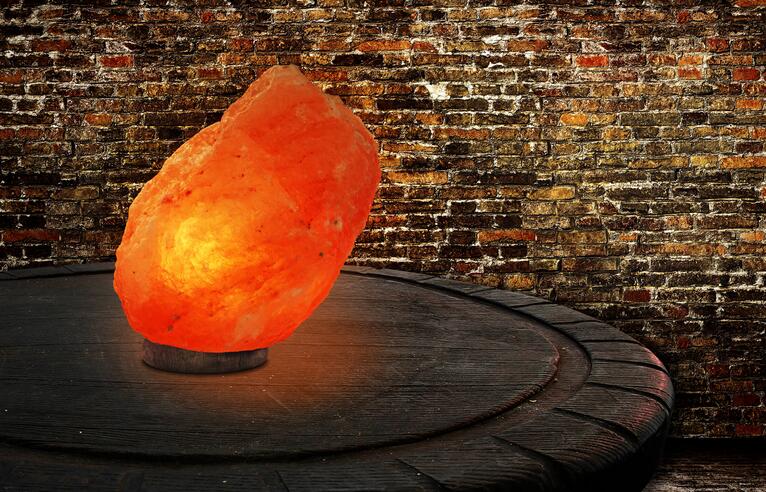
One of the most notable benefits of a Himalayan salt lamp is its appearance. These lamps emit a warm orange light that can create a relaxed atmosphere in any room of your home. Additionally, the rugged design of the lamp can help bring a touch of nature into your living space, promoting feelings of calm and tranquility.
2. Affordable and Accessible
Unlike many other health-promoting products, Himalayan salt lamps are relatively inexpensive and accessible to most people. Many individuals seek out lamps that release negative ions, but they often come with a high price tag. With Himalayan salt lamps, you can enjoy the benefits of negative ion release at a fraction of the cost.
3. One-of-a-Kind
Another benefit of Himalayan salt lamps is that each one is unique. While other natural products may look and function similarly, no two Himalayan salt lamps are alike. The lamps’ distinctive appearance makes them a great addition to any living space, and they can be a conversation starter when you have guests over.
Colors and Their Benefits
Different colored Himalayan salt lamps offer various benefits, making it easy to choose one that aligns with your specific needs and preferences.
- Orange: promotes relaxation, improves the nervous system’s health, and enhances kidney function.
- White: cleanses and detoxifies the environment from impurities.
- Pink: represents love in the holistic tradition, balances emotions, and promotes a more positive outlook.
- Red: the darkest shade, improves the circulatory system.
How To Maximize the Benefits of a Himalayan salt lamp?
To maximize the benefits of a Himalayan salt lamp, knowing where to place it in your home is essential.
1. Buy More Than One for Maximum Benefits
Unlike Feng Shui objects that require specific placement, Himalayan salt lamps can be placed in any room in your home. To fully enjoy the benefits of a Himalayan salt lamp, it’s recommended to have one in every room. This way, you can ensure that each room receives negative ions benefits.
2. Pay Attention to Size and Authenticity
When purchasing a Himalayan salt lamp, please pay close attention to its size and authenticity. There are smaller and larger lamps available, depending on the room size and personal preference.
However, ensuring the lamp is 100% Himalayan salt is essential. Reputable manufacturers provide that their products are authentic and of high quality.
3. Look for a Smoother Surface for Better Particle Absorption
Another essential factor to consider when purchasing a Himalayan salt lamp is the surface texture. Lamps with a smoother surface can absorb particles more effectively, releasing more negative ions into the air.
Where to Place Your Himalayan Salt Lamp
Once you have your Himalayan salt lamp, it’s essential to know where to place it to maximize its benefits. Here are some suggestions:
1. Near Electronic Devices
One of the main benefits of a Himalayan salt lamp is its ability to counterbalance the positive ions from electronic devices. Therefore, placing the lamp near devices such as televisions, computers, and phones is a good idea.
2. In Rooms Where You Spend the Most Time
To fully enjoy the benefits of a Himalayan salt lamp, it’s a good idea to place it in rooms where you spend the most time, such as the living room or bedroom. This way, you can ensure you receive the maximum benefits of negative ions.
3. In Areas With Poor Air Quality
Himalayan salt lamps are also beneficial in areas with poor air quality. If you live in a city with high pollution or suffer from allergies, placing a Himalayan salt lamp in your home can help improve air quality and alleviate symptoms.
In conclusion
Salt lamps are not just beautiful decorative pieces, but they also offer a range of potential health benefits. From purifying the air and reducing allergens to improving breathing and promoting relaxation, these lamps can be a natural and effective way to enhance your overall well-being.
Whether you’re using them in your bedroom, office, or living space, the warm glow and negative ions emitted by salt lamps can create a peaceful and healthy environment. If you’re looking for a natural way to improve your health and enhance your home, a Himalayan salt lamp may be just what you need.