
In the realm of natural remedies and herbal medicine, calendula has earned its place as a time-honored botanical solution. Derived from the vibrant orange and yellow flowers of the Calendula officinalis plant, this powerful herb has been used for centuries in traditional medicine across various cultures. Today, modern science is catching up: calendula is far more than just a pretty garden flower.
Whether you’re seeking to accelerate wound healing, soothe inflamed skin, enhance your natural skincare routine, or explore holistic remedies for various health concerns, calendula might just be the botanical ally you’ve been searching for. This article will explore 16 health benefits of Calendula and its potential side effects. We’ll also discuss how to use it effectively.
What is Calendula?
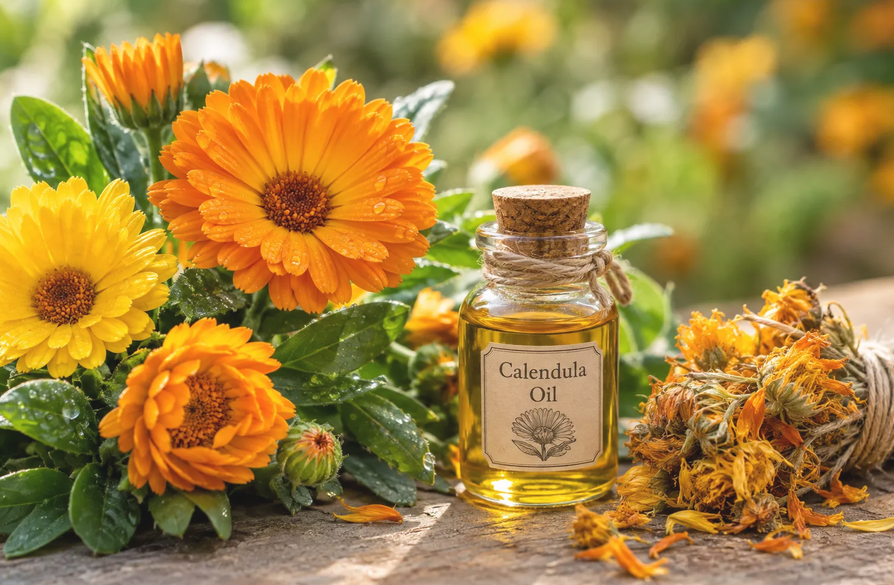
Calendula, scientifically known as Calendula officinalis, is a member of the daisy family (Asteraceae). Often called the pot marigold, it’s celebrated for its bright, sun-like flowers that typically bloom from spring through autumn. These cheerful blossoms are not just aesthetically pleasing; they are packed with beneficial compounds that give Calendula its impressive medicinal profile.
The name “Calendula” itself is derived from the Latin word “calendae,” meaning “little calendar,” a nod to its tendency to bloom throughout much of the year, often at the start of new months. Historically, it has been more than just a garden favorite; it served as a dye for fabrics, a flavoring agent in foods, and a key ingredient in traditional remedies.
Nutritional Composition of Calendula
Calendula flowers are nutritionally dense, containing numerous beneficial compounds that contribute to their therapeutic effects. Here’s a breakdown of the key constituents found in calendula flowers (per dried flower weight of approximately 1 gram):
| Constituent | Amount | Key Benefits |
|---|---|---|
| Flavonoids | High concentration | Antioxidant and anti-inflammatory |
| Triterpenes | Moderate-High | Skin healing and immune support |
| Polysaccharides | Significant | Immune stimulation |
| Essential oils (α-pinene, limonene, caryophyllene) | 0.5-1.5% | Antimicrobial and aromatic |
| Carotenoids | Present | Antioxidant |
| Chlorogenic acid | Present | Antioxidant |
| Carbohydrates | Moderate | Energy and structural support |
| Proteins | Small amount | Tissue support |
Note: Calendula is calorie-minimal when used medicinally, making it suitable for individuals managing caloric intake. The herb’s therapeutic power lies in its concentrated phytochemical profile rather than traditional macronutrients.
16 Health Benefits of Calendula
Here are the 16 remarkable health benefits that make calendula an exceptional botanical remedy:
1. 🌿 Accelerates Wound Healing
Perhaps calendula’s most well-documented benefit is its ability to speed up wound healing. Studies show that calendula extract significantly increases the rate of epithelialization (new skin cell formation) and collagen production at wound sites.
A clinical trial published in the Journal of Wound Care found that calendula ointment outperformed petroleum jelly in healing surgical incisions. The triterpenoids in the flower are largely responsible, stimulating tissue regeneration at a cellular level.
“Calendula’s wound-healing ability isn’t folklore, it’s measurable, repeatable, and clinically significant.”
2. 🔥 Reduces Inflammation Powerfully
Chronic inflammation is linked to nearly every major disease, from heart disease to cancer. Calendula contains multiple anti-inflammatory compounds, including flavonoids and triterpenoids, that inhibit pro-inflammatory enzymes like COX-2 and LOX.
Research published in Phytomedicine demonstrated that calendula extracts reduced inflammatory markers comparably to some pharmaceutical anti-inflammatory agents, without the harsh side effects.
Best for: Arthritis, inflammatory skin conditions, sore muscles.
3. 🛡️ Fights Bacteria and Fungi
Calendula has broad-spectrum antimicrobial properties. Laboratory studies have shown it is effective against:
- Staphylococcus aureus (including some MRSA strains)
- Candida albicans (the fungus behind most yeast infections)
- E. coli
- Streptococcus species
This makes calendula-based preparations useful for treating minor skin infections, athlete’s foot, and oral hygiene, a genuinely impressive natural antibiotic alternative for surface-level concerns.

4. ✨ Soothes and Repairs Skin
Calendula is a superstar in natural skincare, and for good reason. Its combination of anti-inflammatory, antimicrobial, and antioxidant properties makes it ideal for:
- Eczema and psoriasis, reduces redness and itching
- Acne, kills bacteria and calms inflammation
- Dry, cracked skin, restores moisture barrier
- Sunburn relief, cools and repairs damaged skin
A 2013 study in the Journal of Clinical Oncology found that calendula cream was more effective than trolamine for preventing acute dermatitis during radiation therapy, a significant clinical finding.
5. 🌸 Supports Oral Health
Calendula’s antimicrobial and anti-inflammatory properties extend to your mouth. Calendula-based mouthwashes and toothpastes have shown effectiveness in:
- Reducing gum inflammation (gingivitis)
- Decreasing bacterial plaque buildup
- Soothing mouth ulcers and canker sores
A study in Complementary Therapies in Clinical Practice found that calendula mouthwash significantly reduced gingival index scores compared to placebo after just four weeks of use.
6. 💪 Boosts Immune Function
Calendula’s polysaccharides and flavonoids have demonstrated immunomodulatory effects, meaning they help regulate and strengthen immune response. Research suggests calendula:
- Stimulates lymphocyte production
- Enhances macrophage activity (your body’s “cleanup crew”)
- Increases cytokine production to help fight infections
This makes calendula a useful ally during cold and flu season, especially when taken as a warm herbal tea. ☕
7. 🌻 Provides Antioxidant Protection
Free radical damage accelerates aging and contributes to chronic disease. Calendula is exceptionally rich in antioxidants, particularly:
- Beta-carotene (converted to vitamin A)
- Lutein and zeaxanthin (eye-protective carotenoids)
- Quercetin (a powerful flavonoid antioxidant)
These compounds neutralize free radicals, protecting cells from oxidative stress. Regular calendula consumption or topical use may help slow the visible signs of aging and reduce disease risk over time.

8. 🩺 Supports Digestive Health
Calendula has a long history in traditional medicine as a digestive tonic. Modern research backs this up. Calendula tea or tincture may help:
- Soothe gastritis and stomach ulcers
- Reduce intestinal inflammation (beneficial for IBS and Crohn’s)
- Promote healthy gut flora balance
- Relieve bloating and cramping
Its anti-inflammatory action on the gut lining is particularly valuable. Some herbalists recommend calendula as a gentle daily digestive support herb, especially for those with sensitive stomachs.
9. 🌙 Eases Menstrual Discomfort
Calendula has traditionally been used as an emmenagogue, an herb that stimulates or regulates menstrual flow. Women have used it for centuries to:
- Reduce menstrual cramping
- Regulate irregular cycles
- Ease PMS symptoms including bloating and mood changes
While large-scale clinical trials are still limited, preliminary research and ethnobotanical evidence strongly support calendula’s role in women’s reproductive health. ⚠️ Note: Avoid during pregnancy due to its emmenagogue properties.
10. 🧠 May Have Neuroprotective Effects
Emerging research is exploring calendula’s potential to protect brain health. Early studies suggest that calendula’s flavonoids may:
- Reduce neuroinflammation
- Protect against oxidative stress in brain cells
- Potentially slow cognitive decline associated with aging
A 2019 study in Neurochemistry International found that calendula extract protected neuronal cells from oxidative damage in laboratory models. While human trials are needed, the early data is promising for conditions like Alzheimer’s disease.
11. 🩸 Supports Cardiovascular Health
Calendula’s antioxidant and anti-inflammatory properties benefit the heart too. Research suggests calendula may:
- Lower LDL cholesterol oxidation (a key driver of arterial plaque)
- Reduce blood pressure through anti-inflammatory mechanisms
- Improve circulation due to its mild vasodilatory effects
Animal studies have shown significant reductions in triglycerides and total cholesterol with calendula supplementation. Human research is still growing, but the cardiovascular case for calendula is building steadily.
12. 🌱 Shows Anticancer Potential
This is one of the most exciting, and cautious, areas of calendula research. Laboratory studies have found that calendula extracts demonstrate:
- Cytotoxic activity against several cancer cell lines, including breast, colon, and cervical cancer cells
- Apoptosis induction (triggering programmed cancer cell death)
- Anti-angiogenic effects (limiting tumor blood supply)
⚠️ Important: These findings are from in vitro (lab) and animal studies. Calendula is not a cancer treatment. Always follow your doctor’s guidance for cancer care.
13. 🤧 Relieves Respiratory Symptoms
Calendula’s anti-inflammatory and antimicrobial properties make it useful for respiratory health. Traditional herbalists have long used calendula to:
- Soothe sore throats (as a gargle)
- Reduce bronchial inflammation
- Ease symptoms of colds and upper respiratory infections
Calendula tea with honey is a time-honored remedy for sore throats that holds up well to modern scrutiny. Its flavonoids help reduce mucosal inflammation while its antimicrobial compounds fight the underlying infection.
14. 👁️ Protects Eye Health
The carotenoids in calendula, particularly lutein and zeaxanthin, are the same compounds found in high concentrations in the human retina. These nutrients are essential for:
- Protecting against age-related macular degeneration (AMD)
- Reducing the risk of cataracts
- Filtering harmful blue light
Calendula petals are one of the richest natural sources of lutein available, making calendula supplements a legitimate option for those seeking natural eye health support.
15. 🧴 Promotes Healthy Lymphatic Function
Calendula is considered a lymphagogue in traditional herbal medicine, an herb that supports lymphatic drainage and function. A healthy lymphatic system is essential for:
- Immune surveillance and response
- Removing cellular waste and toxins
- Reducing swelling and edema
Herbalists often recommend calendula tincture or tea for swollen lymph nodes, chronic infections, and general immune sluggishness. While direct clinical evidence is limited, its immunomodulatory properties provide a plausible mechanism.
16. 🌿 Supports Liver Health
Rounding out our list, calendula has demonstrated hepatoprotective (liver-protecting) properties in several animal studies. Research suggests it may:
- Protect liver cells from toxic damage
- Reduce liver inflammation
- Support bile production and flow (aiding fat digestion)
A study published in BMC Complementary Medicine and Therapies found that calendula extract significantly reduced liver enzyme levels (markers of liver damage) in animal models exposed to hepatotoxic substances. This suggests a genuine protective effect worth exploring further in human studies.

Side Effects of Calendula
Generally, calendula is considered safe for most people, both topically and internally. However, like any botanical, it can have side effects for some individuals.
Allergic Reactions
The most common side effect is an allergic reaction, especially in individuals sensitive to plants in the Asteraceae/Compositae family, which includes ragweed, daisies, marigolds, and chrysanthemums.
Symptoms can range from mild skin irritation, redness, and itching (when applied topically) to more severe reactions like hives or difficulty breathing (if ingested). If you have a known allergy to these plants, exercise caution or avoid calendula.
Pregnancy and Breastfeeding
While often considered safe for topical use during pregnancy (e.g., for perineal healing), internal use of calendula is generally not recommended during pregnancy due to its potential to stimulate uterine contractions.
There isn’t enough reliable information about the safety of taking calendula internally during breastfeeding, so it’s best to avoid it or consult a doctor.
Drug Interactions
Calendula may interact with certain medications:
- Sedatives: Calendula can cause drowsiness, so combining it with sedative medications (like benzodiazepines or barbiturates) could increase their effects.
- Blood Pressure Medications: Some sources suggest calendula might subtly lower blood pressure, which could theoretically interact with blood pressure medications, though this is less commonly cited.
- Anticoagulants/Antiplatelet Drugs: While evidence is limited, some herbs can affect blood clotting. If you are on blood thinners, consult your doctor before using calendula internally.
Surgery
Due to its potential sedative effects, calendula should be discontinued at least two weeks before any scheduled surgery to avoid excessive drowsiness when combined with anesthesia.
Always talk to your doctor or a qualified herbalist before using calendula, especially if you have pre-existing health conditions, are pregnant or breastfeeding, or are taking other medications.

How to Effectively Use Calendula: Forms and Applications
Calendula’s versatility means there are many ways to incorporate it into your routine. The best method depends on the benefit you’re seeking.
Topical Applications (Most Common)
- Calendula Oil: This is made by infusing dried calendula flowers in a carrier oil like olive, sunflower, or almond oil. It’s excellent for direct application to dry skin, minor cuts, scrapes, and for massage. You can make your own at home or buy it.
- Calendula Salve/Balm: A thicker, more concentrated form, often made by combining calendula oil with beeswax. Perfect for targeted healing of wounds, rashes, chapped lips, and very dry patches.
- Calendula Cream/Lotion: Lighter than a salve, these are great for general skin hydration, soothing eczema, or as a daily moisturizer for sensitive skin. Look for products with high calendula content.
- Compresses: For inflamed skin, minor burns, or eye irritation, a cloth soaked in strong, cooled calendula tea can provide soothing relief.
- Sitz Baths: For perineal healing after childbirth or to soothe hemorrhoids, a strong calendula infusion added to a sitz bath can be incredibly comforting.
Internal Applications
- Calendula Tea: Made by steeping dried calendula flowers in hot water. Often used for digestive issues, immune support, or as a gentle detoxifier.
- Calendula Tincture: An alcohol-based extract of calendula flowers, offering a more concentrated form for internal use. Dosing should be carefully followed according to product instructions or a healthcare professional’s advice.
- Capsules: For those who prefer a convenient, standardized dose, calendula supplements are available in capsule form.
Other Uses
- Mouthwash: A cooled calendula tea or diluted tincture can be used as a gargle for sore throats or a mouthwash for gum health.
- Hair Rinse: Steep calendula flowers, strain, and use the cooled liquid as a final rinse after shampooing.
Dosage and Daily Intake Guidelines
While there is no official recommended daily allowance for calendula, traditional use and emerging research suggest the following guidelines:
| Purpose | Suggested Daily Amount | Administration |
|---|---|---|
| General Wellness Support | 1-2 cups tea | Consume throughout the day |
| Skin Health (Internal) | 20-30 drops tincture | 2-3 times daily in water |
| Wound Healing (Topical) | As needed | Apply 2-3 times daily to affected area |
| Oral Health | 2-3 tbsp mouthwash | 2-3 times daily after meals |
| Hair and Scalp Care | 1 cup rinse | 2-3 times weekly after shampooing |
| Immune Support | 1 cup tea | Once daily, preferably in morning |
Important Note: Start conservatively, especially if new to herbal remedies. Individual tolerance varies, and less is often more with powerful botanicals like calendula. Always consult with a qualified herbalist or healthcare provider to determine appropriate dosages for your specific needs.
How to Use It Safely
To safely incorporate calendula into your wellness routine, consider these guidelines:
Patch Test First: Before applying calendula topically to large areas of skin, conduct a patch test on a small, inconspicuous area. Apply a small amount and observe for any adverse reactions over 24 hours.
Start with Low Doses: If consuming calendula internally, begin with small amounts, such as a weak tea, and gradually increase if well-tolerated. This allows your body to adjust and helps identify any sensitivity.
Use Quality Sources: Purchase calendula from reputable suppliers who provide third-party testing and quality assurance. High-quality products are less likely to contain contaminants or degraded plant material.
Dilute Concentrated Forms: When using calendula essential oil or highly concentrated extracts, always dilute appropriately with a carrier oil or water. Never apply concentrated essential oil directly to skin.
Store Properly: Keep calendula products in cool, dark places away from direct sunlight and heat. Proper storage extends shelf life and maintains potency.
Sourcing and Quality: Ensuring Your Calendula is the Best
To get the most out of calendula, quality matters. Here’s what to look for:
- Organic Certification: This ensures the flowers were grown without synthetic pesticides or herbicides, which is crucial for a product you might apply to sensitive skin or ingest.
- Reputable Brands: Buy from companies known for their commitment to quality, transparency, and sustainable sourcing. Read reviews and check for third-party testing when possible.
- Ingredient List: For topical products, look for a high concentration of calendula extract or oil (it should be one of the first ingredients). Avoid products with excessive fillers, artificial fragrances, or questionable preservatives.
- Dried Flowers: If buying dried calendula flowers for tea or DIY infusions, look for vibrant orange or yellow petals that are intact and free from dust or discoloration. Store them in an airtight container in a cool, dark place.
- Ethically Harvested: Support brands that prioritize ethical and sustainable harvesting practices.
FAQ’s
1. Can calendula be used during pregnancy?
External use of calendula is generally considered safe during pregnancy. However, internal consumption should be discussed with your healthcare provider first, as research in this area is limited. Many practitioners recommend avoiding internal use during the first trimester as a precautionary measure.
2. Is calendula safe for children?
Calendula is generally safe for children when used topically in appropriate concentrations. For internal use, consult with a pediatrician to determine appropriate dosages based on the child’s age and health status.
3. Can calendula be used on open wounds?
Yes, calendula is excellent for open wounds. Its antimicrobial and wound-healing properties help prevent infection and accelerate tissue regeneration. Ensure the wound is clean before application. Consult a healthcare provider for serious wounds requiring medical attention.
4. How long does it take to see results from calendula?
Results vary depending on the condition being treated and the application method. Topical applications may show results within days, while internal use for systemic benefits may require weeks of consistent use. Patience and consistency are key.
5. Can calendula be combined with other herbs?
Yes, calendula pairs well with many other healing herbs. Complementary herbs include comfrey (for additional wound healing), chamomile (for anti-inflammatory benefits), and plantain (for additional skin support). Always ensure compatibility and consult with an herbalist for specific combinations.
6. How should I store calendula products?
Store dried calendula flowers in airtight containers away from direct sunlight, heat, and moisture. Keep calendula oils and extracts in dark, glass bottles in cool environments. Properly stored calendula can maintain potency for 1-2 years.
7. Can calendula help with age spots and skin discoloration?
Calendula’s antioxidant and skin-regenerating properties may help improve the appearance of age spots and skin discoloration with consistent use over time. However, results vary individually, and professional dermatological treatments may be more effective for significant discoloration.
8. Is calendula vegan and sustainable?
Yes, calendula is entirely plant-based and vegan-friendly. It is also a relatively sustainable crop that grows well in many climates. When purchasing, look for sustainably sourced calendula products to support environmentally responsible practices.
Final Thoughts
Calendula stands as a testament to the power of nature’s pharmacy. It offers a remarkable array of benefits for skin, immunity, digestion, and overall wellness.
Start slowly, listen to your body, and consider consulting with qualified herbalists to maximize calendula’s therapeutic potential for your unique health journey.
With consistent, mindful use, calendula can become a cherished ally in your pursuit of natural health, vitality, and wellness.


