Avocados are pear-shaped fruits native to south-central Mexico. Unlike most fruits, avocados are characterized by their high fat content and creamy texture. One medium avocado, weighing roughly 150 grams, contains approximately 240 calories. This makes it a surprisingly energy-dense fruit often mistaken for a vegetable.
The fact alone might shift your perspective on whether to add that extra dollop of guacamole to your next meal. Nowadays, with health and wellness at the forefront of many discussions, diving deep into the specifics of Calories in Avocado isn’t just about numbers; it’s about informed choices for a healthier lifestyle.
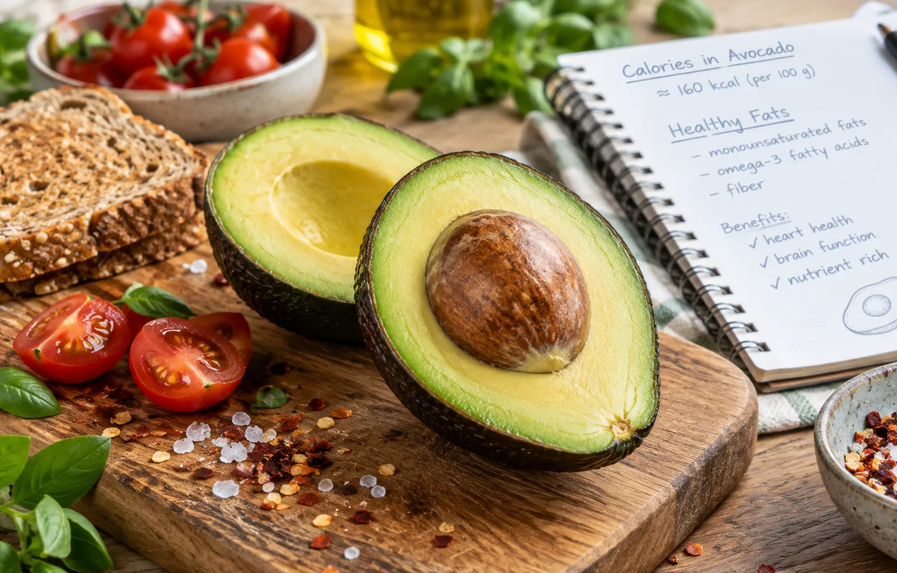
Calories in Avocado: More Than Just a Number
When we talk about the calories in avocado, we’re not just discussing energy units; we’re exploring a powerhouse of nutrition wrapped in a distinctive green skin.
Unlike many fruits primarily composed of carbohydrates, avocados stand out due to their high fat content, specifically, healthy monounsaturated fats. These fats are what contribute significantly to their calorie count and, more importantly, to their remarkable health benefits.
For years, dietary advice often demonized fats, leading to a general fear of high-fat foods. However, scientific understanding has evolved dramatically.
How Many Calories in an Avocado?
Let’s break down the calorie content based on typical avocado sizes. This isn’t an exact science, as natural variations exist, but these figures provide a solid guideline.
| Avocado Size | Approximate Weight (grams) | Approximate Calories |
|---|---|---|
| Small Avocado | 100 | 160 |
| Medium Avocado | 150 | 240 |
| Large Avocado | 200 | 320 |
| California Avocado (Hass) | 136-170 | 215-270 |
| Florida Avocado | 200-300+ | 280-450+ |
These numbers refer to the edible flesh only, after the pit and skin have been removed. As you can see, a large avocado can pack a significant caloric punch, comparable to a small meal for some. This is why being mindful of portion sizes is paramount, especially if you’re tracking your daily caloric intake.
Nutritional Breakdown: What Else Are You Getting?
Beyond the calories in avocado, it’s critical to appreciate the rich tapestry of nutrients they provide. Avocados are often referred to as a “superfood” for good reason.
🥑 Healthy Fats: Around 77% of the calories in an avocado come from fat, predominantly monounsaturated fatty acids (MUFAs), particularly oleic acid. These fats are heart-healthy and can help reduce bad cholesterol (LDL) while potentially increasing good cholesterol (HDL).
💪 Fiber: A medium avocado offers about 10-13 grams of dietary fiber, roughly 40-50% of the recommended daily intake. Fiber is crucial for digestive health, blood sugar regulation, and promoting feelings of fullness, which can aid in weight management.
“Avocados provide a unique combination of healthy fats, fiber, and essential vitamins and minerals, making them a powerful addition to any diet.”
A Deep Dive into Avocado Nutrition Facts (Per 100g)
Beyond just the calories in avocado, let’s uncover the impressive array of vitamins, minerals, and other beneficial compounds found in a 100g serving. Avocados are truly a superfood, offering more than just energy.
Here’s a detailed look at the nutritional profile for 100g of raw avocado:
| Nutrient | Amount (Per 100g) | Daily Value (% DV) | Key Benefits |
|---|---|---|---|
| Calories | 160 kcal | , | Energy source |
| Total Fat | 14.7 g | 19% | Healthy fats for energy, cell function, and nutrient absorption |
| Saturated Fat | 2.1 g | 11% | Small amount; contributes to cell structure |
| Monounsaturated Fat | 9.8 g | , | Heart-healthy, reduces bad cholesterol |
| Polyunsaturated Fat | 1.8 g | , | Essential fatty acids (omega-3 and omega-6) |
| Cholesterol | 0 mg | 0% | Cholesterol-free |
| Sodium | 7 mg | 0% | Very low sodium |
| Total Carbohydrate | 8.5 g | 3% | Energy, fiber for digestion |
| Dietary Fiber | 6.7 g | 24% | Aids digestion, promotes satiety, blood sugar regulation |
| Total Sugars | 0.3 g | , | Negligible sugar content |
| Protein | 2 g | 4% | Building blocks for muscles, enzymes, and hormones |
| Vitamin K | 21 µg | 18% | Blood clotting, bone health |
| Vitamin C | 10 mg | 11% | Immune support, antioxidant, collagen production |
| Vitamin E | 2.1 mg | 14% | Antioxidant, skin health |
| Vitamin B5 (Pantothenic Acid) | 1.4 mg | 28% | Energy metabolism, hormone synthesis |
| Vitamin B6 | 0.3 mg | 17% | Brain function, red blood cell formation |
| Folate (Vitamin B9) | 81 µg | 20% | Cell growth and function, especially important during pregnancy |
| Potassium | 485 mg | 10% | Blood pressure regulation, fluid balance, muscle contractions |
| Magnesium | 29 mg | 7% | Muscle and nerve function, blood sugar control, blood pressure regulation |
| Copper | 0.2 mg | 22% | Iron absorption, energy production, nerve function |
| Manganese | 0.1 mg | 5% | Bone formation, metabolism |
Source: USDA FoodData Central (2019)
This table beautifully illustrates why avocados are often lauded by nutritionists. They provide a significant portion of your daily recommended intake for several vital nutrients, all while being low in sugar and cholesterol-free.
The Power of Healthy Fats
Let’s zoom in on the fats. The monounsaturated fats (MUFAs) in avocados are often highlighted for their role in cardiovascular health. Research suggests that regularly consuming MUFAs can help reduce LDL (“bad”) cholesterol levels, which in turn lowers the risk of heart disease and stroke. This is a compelling argument for including avocados in a heart-healthy diet, even with the calorie count.
Fiber: A Silent Hero
With nearly 7 grams of dietary fiber per 100g, avocados are an excellent source. Fiber is crucial for:
- Digestive Health: It promotes regularity and helps prevent constipation.
- Satiety: Fiber adds bulk to your diet, helping you feel fuller for longer, which can be beneficial for weight management.
- Blood Sugar Control: It can help slow down the absorption of sugar, leading to more stable blood glucose levels.
- Gut Health: Soluble fiber acts as a prebiotic, feeding beneficial gut bacteria.
Comparing Avocado Calories to Other Foods
To put the calories in avocado into perspective, let’s compare it to some other common food items:
- Large Apple (182g): Approx. 95 calories, 0.3g fat, 4.4g fiber.
- Banana (118g): Approx. 105 calories, 0.4g fat, 3.1g fiber.
- One slice of whole-wheat toast: Approx. 80 calories, 1g fat, 2g fiber.
- 1 tablespoon of olive oil: Approx. 120 calories, 14g fat, 0g fiber.
While a single avocado contains more calories than an apple or a banana, it also offers significantly more healthy fats and a unique combination of fat-soluble vitamins and minerals that are less prevalent in other fruits. The key takeaway here is not just about the raw calorie count, but the nutrient payload each calorie delivers.
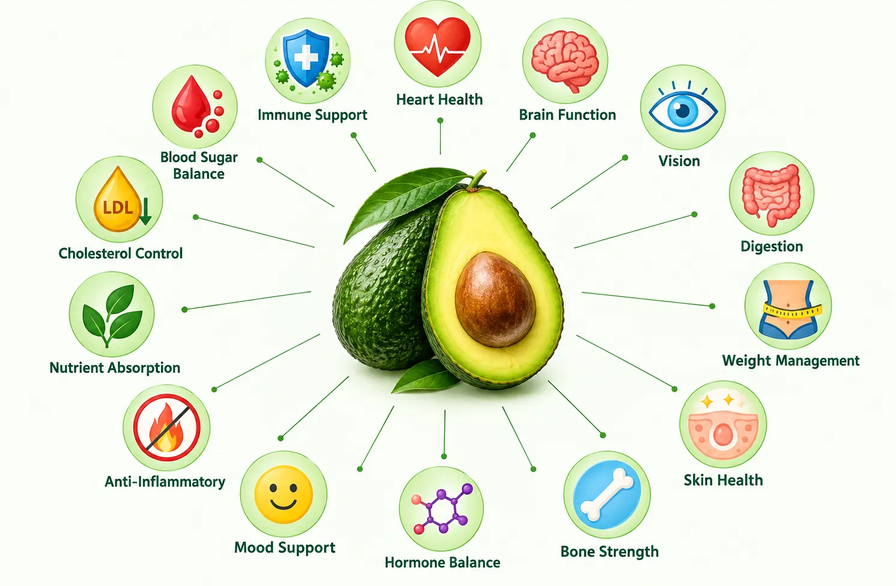
Health Benefits of Incorporating Avocados into Your Diet
1. Boosts Heart Health
One of the most well-known benefits of the avocado is its positive impact on cardiovascular health. The monounsaturated fats, particularly oleic acid, found in avocados help reduce levels of “bad” LDL cholesterol while simultaneously increasing “good” HDL cholesterol.
This balance is crucial for preventing plaque buildup in the arteries, reducing the risk of heart disease and stroke. The potassium content also helps regulate blood pressure, further protecting your heart.
2. Supports Healthy Weight Management
Despite being calorie-dense, avocados can be a valuable tool for weight management. Their high fiber and healthy fat content contribute to increased satiety, meaning you feel fuller for longer after eating them.
This can help reduce overall calorie intake by minimizing snacking and overeating. Studies have shown that people who regularly consume avocados tend to have a lower BMI and waist circumference.
3. Rich in Dietary Fiber
A single avocado contains a significant amount of dietary fiber, both soluble and insoluble. Soluble fiber helps stabilize blood sugar levels and feeds beneficial gut bacteria, while insoluble fiber aids in bowel regularity and prevents constipation.
Adequate fiber intake is essential for a healthy digestive system and can reduce the risk of various chronic diseases, including type 2 diabetes and certain cancers.
4. Enhances Nutrient Absorption
Some vitamins are fat-soluble, meaning they require fat to be absorbed by the body. These include vitamins A, D, E, and K.
Since avocados are rich in healthy fats, consuming them alongside other nutrient-dense foods (like salads) can significantly boost the absorption of these essential vitamins and antioxidants from those foods. Think of it as a nutrient multiplier!
5. Promotes Eye Health
Avocados contain lutein and zeaxanthin, two powerful antioxidants that are crucial for eye health. These compounds accumulate in the macula of your eyes, protecting them from harmful blue light and reducing the risk of age-related macular degeneration (AMD) and cataracts, two common causes of vision impairment in older adults.
6. Supports Brain Function
The healthy fats in avocados, particularly omega-3 fatty acids, are vital for brain health. They support cognitive function, improve memory, and can help protect against age-related cognitive decline.
Additionally, the folate in avocados helps prevent the buildup of homocysteine, an amino acid associated with cognitive impairment. Keeping your brain fueled with good fats is a smart move!
7. Natural Anti-Inflammatory Properties
Chronic inflammation is a root cause of many modern diseases, including heart disease, arthritis, and some cancers. Avocados contain a variety of anti-inflammatory compounds, including carotenoids, tocopherols, and phytosterols.
These compounds work synergistically to reduce inflammation throughout the body, potentially mitigating pain and discomfort associated with inflammatory conditions.
8. Improves Skin Health
The fats and vitamins (especially C and E) in avocados are fantastic for your skin. Vitamin C is essential for collagen production, which keeps skin firm and elastic, while Vitamin E helps protect skin cells from oxidative damage caused by environmental stressors.
The healthy fats also contribute to skin hydration and can reduce inflammation, leading to a healthier, more radiant complexion. Many people even use avocado oil topically for its skin benefits.
9. Supports Bone Health
Avocados contribute to strong bones through several key nutrients. They are a good source of Vitamin K, which is essential for calcium absorption and bone mineralization. Additionally, the potassium and magnesium content also plays a role in maintaining bone density and preventing osteoporosis.
10. Promotes Gut Health
The high fiber content in avocados acts as a prebiotic, feeding the beneficial bacteria in your gut. A healthy gut microbiome is linked to improved digestion, enhanced immune function, and even better mood. Regularly consuming fiber-rich foods like avocados can lead to a more balanced and diverse gut flora, which is foundational for overall health.
11. May Alleviate Arthritis Symptoms
Given their anti-inflammatory properties, avocados may offer some relief for individuals suffering from arthritis.
Compounds like phytosterols and polyhydroxylated fatty alcohols (PFAs) found in avocados have been studied for their ability to reduce inflammation in joints and alleviate symptoms associated with osteoarthritis. While not a cure, incorporating avocados can be a helpful dietary strategy for managing discomfort.
12. Boosts Liver Health
Your liver plays a crucial role in detoxification and metabolism. The healthy fats and antioxidants in avocados can support liver function by helping to reduce oxidative stress and inflammation. Some research suggests that compounds in avocados may even help protect against liver damage and improve liver enzyme levels.

Avocado Allergies and Adverse Effects
Avocado allergy, though rare, is a possibility. Research indicates a potential increase in cases of food protein-induced enterocolitis syndrome (FPIES), a non-IgE-mediated allergy primarily affecting the gastrointestinal tract, with avocado being a possible trigger.
Additionally, individuals with oral allergy syndrome (also known as pollen-food sensitivity syndrome) might experience an allergic reaction to avocado. Symptoms are usually mild and confined to the mouth area, such as itching or tingling (ACAAI, n.d.). Severe reactions like hives or anaphylaxis are uncommon.
One important medication interaction to be aware of is with warfarin (Coumadin), an anticoagulant. Avocados contain vitamin K, which plays a role in blood clotting and can potentially decrease the effectiveness of warfarin. If you’re on this medication, it’s crucial to consult your healthcare provider for personalized dietary advice.
How to Incorporate Avocados into Your Diet
Now that we’ve covered the impressive nutrition facts and calories in avocado, let’s talk about practical ways to enjoy them in your daily life. Avocados are incredibly versatile and can be used in a wide range of dishes.
Savory Delights:
- Avocado Toast (of course!): Mash avocado on whole-grain toast, sprinkle with everything bagel seasoning, chili flakes, or a drizzle of olive oil.
- Guacamole: The classic dip! Serve with veggie sticks, whole-grain crackers, or as a topping for tacos and burritos.
- Salads: Cubed or sliced avocado adds creaminess and healthy fats to any salad.
- Sandwiches and Wraps: Replace mayonnaise or other spreads with a thin layer of mashed avocado for a healthier option.
- Smoothies: Yes, seriously! A small amount of avocado adds a creamy texture and healthy fats without altering the taste much. Try it in a green smoothie with spinach, banana, and a plant-based milk.
- Soups: A dollop of avocado can enrich creamy soups like tomato or black bean soup.
- Eggs: Add diced avocado to scrambled eggs, omelets, or serve alongside a fried egg.
- Pasta Dishes: A creamy avocado sauce can be a delicious alternative to heavy cream sauces.
- Sushi/Poke Bowls: Avocado is a staple in many sushi rolls and poke bowls for its texture and flavor.
Unexpected Sweet Treats:
While less common, avocados can also be used in sweet recipes:
- Chocolate Mousse: Avocado provides a rich, creamy base, making for a surprisingly healthy and delicious dessert.
- Ice Cream: Blended with sweeteners and flavorings, avocado can create a surprisingly decadent ice cream.
- Pudding: Similar to mousse, avocado can be the base for a creamy, dairy-free pudding.
Remember to consider the calories in avocado when adding it to your dishes. A little goes a long way, both in terms of flavor and nutritional impact!
How Much Avocado to Eat Daily?
Most health experts recommend consuming one-half to one whole avocado daily as part of a balanced diet. Individual needs vary based on overall calorie requirements, health goals, and dietary preferences. Here’s a practical guideline:
| Purpose | Suggested Daily Amount |
|---|---|
| General Health Maintenance | ½–1 whole avocado |
| Heart Health Support | ½–1 whole avocado |
| Weight Management | ½ avocado with meals |
| Skin/Hair Nourishment | ½ avocado (orally) |
| Athletic Performance | ½–1 whole avocado |
| Digestive Health | ½ avocado with meals |
Start with smaller portions and see how your body responds, especially if you’re new to regular avocado consumption. Some individuals thrive consuming avocado daily, while others prefer consuming it several times weekly. Pay attention to your body’s signals and adjust consumption accordingly.
How to Pick a Ripe Avocado
- Color: Ripe Hass avocados are usually dark green to purplish-black. Florida avocados remain green when ripe.
- Firmness: Gently press the avocado near the stem end. If it yields to gentle pressure but isn’t mushy, it’s ripe and ready to eat. If it’s rock hard, it needs more time. If it’s very soft and squishy, it’s likely overripe.
- Stem Test: Flick off the small stem cap. If it comes off easily and reveals green underneath, it’s ripe. If it’s brown, it’s overripe. If it’s hard to remove, it’s not ripe enough.
Storing Avocados
- Unripe Avocados: Store them at room temperature until they ripen. To speed up ripening, place them in a paper bag with an apple or banana.
- Ripe Avocados: Once ripe, avocados can be stored in the refrigerator for 2-3 days to slow down further ripening.
- Half an Avocado: To prevent a cut avocado from browning, sprinkle the exposed flesh with lemon or lime juice, then wrap it tightly in plastic wrap or place it in an airtight container with a slice of onion (the sulfur compounds help prevent oxidation). Store in the refrigerator.
Debunking Avocado Myths and Misconceptions
Despite their popularity, avocados still carry some misconceptions, particularly regarding their calorie content.
Myth 1: Avocados are “bad” because they are high in fat and calories.
Reality: This is a classic example of outdated dietary advice. As we’ve discussed, the fats in avocados are predominantly healthy monounsaturated fats.
These fats are crucial for numerous bodily functions and offer significant health benefits. While they are calorie-dense, these are nutrient-dense calories that contribute to satiety and overall well-being. It’s about balance and portion control, not avoidance.
Myth 2: All avocados have the same calorie count.
Reality: Absolutely not! As shown in our table, the calories in avocado vary significantly by size and even by type (Hass vs. Florida, for example). A small Hass avocado will have considerably fewer calories than a giant Florida avocado. Always consider the size of the fruit you’re consuming.
Myth 3: You should avoid avocados if you’re trying to lose weight.
Reality: This couldn’t be further from the truth. While calorie awareness is key for weight loss, avocados can be a powerful ally.
Their fiber and healthy fat content promote satiety, helping you feel full and potentially reducing your overall calorie intake throughout the day. Studies have even linked avocado consumption to lower body weight and BMI. The key is to integrate them mindfully, considering your total daily calorie budget.
FAQ’s
1. Is avocado high in calories?
Yes, relative to many other fruits, avocados are calorie-dense due to their high fat content. A 100g serving contains about 160 calories. However, these calories come from healthy fats, fiber, and numerous vitamins and minerals, making them nutrient-dense rather than “empty calories.”
2. How many calories are in half an avocado?
A medium avocado weighs around 140- 170 g. Therefore, half a medium avocado would typically contain between 112 and 136 calories. It’s a common and appropriate serving size.
3. Are the calories in avocado “good” calories?
Absolutely! The vast majority of calories in avocados come from monounsaturated fats (like oleic acid), which are considered very healthy. These fats are beneficial for heart health, reduce inflammation, and help with the absorption of fat-soluble vitamins. Coupled with high fiber and a wealth of vitamins and minerals, avocado calories are definitely “good” calories.
4. Does cooking avocado change its calorie content?
No, cooking avocado itself does not significantly change its calorie content. The calories come from its macronutrient composition, which remains stable when heated. However, if you add oil, butter, or other ingredients for cooking, those additions will increase the overall calorie count of the dish.
5. How does the calorie count of a Hass avocado compare to other varieties?
While there are many avocado varieties (Hass, Fuerte, Bacon, etc.), the nutritional differences, including calorie count per 100g, are generally minor. Hass avocados are the most common and typically fall within the 160 calories per 100g range. Any variations are usually negligible for general dietary planning.
6. What’s the best way to track the calories in avocado?
The most accurate way is to weigh your portion of avocado (e.g., 100g) using a kitchen scale. If you don’t have a scale, estimate based on size: a quarter of a medium avocado is about 40-60 calories, and half is 80-120 calories. Many food tracking apps also have databases for various avocado sizes.