Ceylon cinnamon has exploded in popularity over the past few years, marketed as a miracle spice with everything from blood sugar control to anti-inflammatory properties. I’ve seen it in health food stores, online marketplaces, and increasingly in mainstream grocery stores. But here’s what many people don’t realize: not all cinnamon is created equal, and the type you choose could make a significant difference in your health and safety.
In this article, I will cover everything you need to know about Ceylon cinnamon: the warnings you absolutely need to understand, how to use it safely and effectively, and the proper dosage for your body. Plus, I will discuss who should avoid it entirely, and exactly how to choose high-quality Ceylon cinnamon that’s worth the premium price.
What is Ceylon Cinnamon
Ceylon cinnamon, also known as “true cinnamon,” comes exclusively from Sri Lanka. It’s extracted from the inner bark of the Cinnamomum verum tree and has been valued for centuries in traditional medicine.
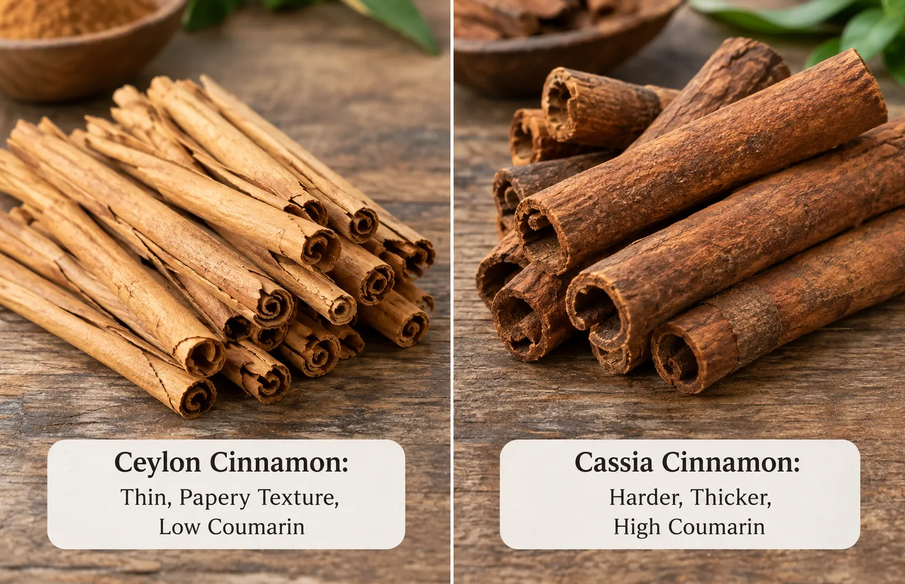
The critical distinction between Ceylon cinnamon and cassia cinnamon lies in coumarin content, a naturally occurring compound that becomes problematic in large quantities. Cassia cinnamon contains 1,000 to 2,000 parts per million of coumarin, while Ceylon cinnamon contains only 2 to 8 parts per million. This massive difference is the foundation of safety concerns surrounding regular cinnamon consumption.
Ceylon cinnamon has a lighter, reddish-brown color and a more delicate, slightly sweet flavor compared to cassia cinnamon’s bold taste. Its whole quills are thin and papery with multiple layers, whereas cassia quills are thicker and hollow. Understanding these differences helps you identify authentic Ceylon cinnamon and make safer choices.
Ceylon Cinnamon Warning: Coumarin Content
The primary Ceylon cinnamon warning factor, and the reason this distinction is so crucial, lies in a naturally occurring compound called coumarin. Cassia cinnamon, the type most commonly found in supermarkets (often simply labeled “cinnamon”), contains relatively high levels of coumarin. For context, some varieties of cassia cinnamon can have up to 1% coumarin by dry weight. Conversely, true Ceylon cinnamon boasts extremely low levels of coumarin, typically less than 0.004%.
This difference is not just academic; it has significant health implications. Coumarin, when consumed in large quantities over time, can be toxic to the liver. Regulatory bodies around the world, such as the European Food Safety Authority (EFSA), have established a tolerable daily intake (TDI) for coumarin at 0.1 mg per kg of body weight per day.

10 Ceylon Cinnamon Warnings and How to Use It Safely
Here are the top 10 Ceylon cinnamon warning factors and practical advice on how to use it safely.
1. Potential for Allergic Reactions
Just like any food or spice, Ceylon cinnamon can trigger allergic reactions in susceptible individuals. Symptoms can range from mild skin rashes (contact dermatitis) and itching to more severe responses like digestive upset (nausea, vomiting, diarrhea), swelling of the lips or tongue, and difficulty breathing. While rare, anaphylaxis is possible in highly sensitive individuals.
Safe Use: If you’re new to Ceylon cinnamon, introduce it into your diet slowly and in small amounts. Pay attention to how your body reacts. If you experience any adverse symptoms, discontinue use immediately and consult a healthcare professional.
People with known sensitivities to other spices or pollens might be at a slightly higher risk. Always observe for any unusual symptoms after consumption.
2. Blood Sugar Lowering Effects
Ceylon cinnamon is widely celebrated for its potential to help lower blood sugar levels, which can be beneficial for individuals with insulin resistance or type 2 diabetes.
However, this beneficial effect can become a warning for others, especially those already taking blood sugar-lowering medications or insulin. Combining cinnamon with these medications could lead to hypoglycemia, a condition where blood sugar levels drop too low.
Safe Use: If you have diabetes or are taking any medication for blood sugar control, it is crucial to consult your doctor or a registered dietitian before incorporating significant amounts of Ceylon cinnamon into your diet.
They can help you monitor your blood sugar levels and adjust medication dosages if necessary. Regular monitoring of blood glucose is recommended. Always err on the side of caution.
3. Interaction with Blood-Thinning Medications
While Ceylon cinnamon has significantly lower coumarin than cassia, it still contains trace amounts and has some natural blood-thinning properties. This can be a concern for individuals taking anticoagulant (blood-thinning) medications like warfarin (Coumadin), heparin, or antiplatelet drugs like aspirin or clopidogrel (Plavix). The combination could potentially increase the risk of bleeding or bruising.
Safe Use: If you are on blood-thinning medication, discuss your cinnamon intake with your healthcare provider. They can assess the potential risk based on your specific medication and health status. It might be advisable to limit your intake or avoid it altogether, depending on the individual circumstances and the advice given by a medical professional.
4. Risk of Gastrointestinal Upset
Consuming large quantities of any spice, including Ceylon cinnamon, can sometimes irritate the gastrointestinal tract, leading to symptoms like indigestion, heartburn, stomach cramps, nausea, or diarrhea. This is often due to the spice’s potent essential oils.
Safe Use: Use Ceylon cinnamon in moderation. Stick to typical culinary amounts (e.g., ½ to 1 teaspoon per day) rather than consuming large doses, such as several tablespoons in a single sitting or in concentrated supplement forms without medical guidance.
If you experience digestive discomfort, reduce your intake or stop using it. Starting with smaller doses and gradually increasing can help your system adapt.

5. Potential Liver Strain (Even with Low Coumarin)
Although Ceylon cinnamon is lauded for its low coumarin content, implying minimal liver risk, excessive consumption of any concentrated herbal or food product can place a burden on the liver. The liver is responsible for metabolizing everything we ingest, and very high doses of certain compounds, even beneficial ones, can sometimes be too much for it to process efficiently.
Safe Use: Adhere to recommended daily allowances. For most adults, 1-6 grams (approximately ½ to 2 teaspoons) of Ceylon cinnamon powder per day is generally considered safe. If you have a pre-existing liver condition, it’s especially important to consult your doctor before regular or high-dose consumption. This is a crucial Ceylon cinnamon warning for vulnerable populations.
6. Oral Irritation or Canker Sores
Some individuals report experiencing oral irritation, such as burning sensations, mouth sores, or canker sores, especially when consuming cinnamon in high concentrations or directly in powder form. This is likely due to the active compounds, particularly cinnamaldehyde, which can be irritating to mucous membranes.
Safe Use: Avoid directly consuming large amounts of cinnamon powder. Instead, incorporate it into foods or beverages. If you experience oral irritation, reduce your intake or temporarily cease use. Opt for cinnamon sticks for brewing teas rather than consuming excessive powder. This Ceylon cinnamon warning is often overlooked but important for oral health.
7. Interaction with Other Medications
Cinnamon, like many natural compounds, can interact with various medications beyond blood thinners and diabetes drugs. For instance, it may affect the absorption or metabolism of certain antibiotics, heart medications, or even some over-the-counter pain relievers. The full extent of these interactions is still being researched, but it’s a valid Ceylon cinnamon warning.
Safe Use: Always inform your doctor or pharmacist about any supplements or herbal remedies you are taking, including Ceylon cinnamon, especially if you are on prescription medication. This allows them to identify potential interactions and advise you accordingly. When in doubt, it’s safer to avoid high doses of cinnamon while on medication.
8. Risk for Pregnant and Breastfeeding Women
The safety of consuming Ceylon cinnamon in large, medicinal quantities during pregnancy and breastfeeding has not been extensively studied. While small amounts used in cooking are generally considered safe, high-dose supplements are often advised against due to the lack of sufficient research and the potential for unknown effects on fetal development or infant health.
Safe Use: Pregnant or breastfeeding women should stick to culinary amounts of Ceylon cinnamon. If considering using it for medicinal purposes or in supplement form, it is imperative to consult with an obstetrician or pediatrician first. This is a critical Ceylon cinnamon warning for these sensitive groups.
9. Difficulties in Identifying Authentic Ceylon Cinnamon
One of the biggest practical challenges is ensuring you are actually getting Ceylon cinnamon and not cassia. Many products are simply labeled “cinnamon” or “ground cinnamon” without specifying the type.
Mislabeling is rampant, and even reputable stores can inadvertently sell cassia as Ceylon. This presents a hidden Ceylon cinnamon warning: you might be consuming more coumarin than intended.
Safe Use: Purchase Ceylon cinnamon from trusted, reputable suppliers who specifically label their product as “Ceylon cinnamon” or “True Cinnamon” (Cinnamomum verum).
Look for visual cues in whole stick form: Ceylon cinnamon quills are thinner, softer, and more brittle, rolling into multiple delicate layers, whereas cassia sticks are harder, thicker, and form a single, tighter scroll. When buying ground cinnamon, it’s much harder to tell, so vendor trust is paramount.
10. Not a Substitute for Medical Treatment
While Ceylon cinnamon offers various potential health benefits, it should never be viewed as a standalone cure or a replacement for prescribed medical treatment for any health condition.
Relying solely on cinnamon to manage serious conditions like diabetes, heart disease, or liver issues can lead to adverse health outcomes.
Safe Use: Use Ceylon cinnamon as a complementary health aid, if desired, but always in conjunction with conventional medical care and under the guidance of healthcare professionals. Maintain regular check-ups and follow your doctor’s treatment plan. Incorporate it as part of a balanced diet and healthy lifestyle, not as a miracle cure.
How to Incorporate Ceylon Cinnamon Safely into Your Diet
Now that we’ve explored the Ceylon cinnamon warning factors, let’s focus on the best practices for safe enjoyment.
1. Choose the Right Type: Always Ceylon!
This is the most critical first step. When purchasing cinnamon, actively look for labels that specify “Ceylon cinnamon,” “true cinnamon,” or Cinnamomum verum. Avoid products simply labeled “cinnamon” if you intend to use it regularly or in larger quantities, as these are often Cassia.
- Look for: “Ceylon Cinnamon,” “True Cinnamon,” “Cinnamomum verum.”
- Be wary of: “Cinnamon,” “Cassia Cinnamon,” “Chinese Cinnamon,” “Saigon Cinnamon,” “Korintje Cinnamon.”
2. Mind Your Dosage
For general health maintenance and to enjoy its potential benefits without undue risk, most sources suggest a daily intake ranging from 0.5 grams to 6 grams of Ceylon cinnamon.
Let’s put that into perspective:
- 0.5 grams is roughly equivalent to a small pinch or about one-eighth of a teaspoon.
- 6 grams is approximately 1.5 to 2 teaspoons.
| Daily Intake Guideline | Approximate Teaspoons | Common Uses |
|---|---|---|
| 0.5 – 1 gram | Pinch to 1/4 tsp | Light seasoning, tea, morning oatmeal |
| 1 – 3 grams | 1/4 to 1 tsp | Regular culinary use, moderate supplement support |
| 3 – 6 grams | 1 to 2 tsp | Targeted therapeutic use (under professional guidance) |
It’s important to remember that these are general guidelines. If you’re considering using Ceylon cinnamon for specific therapeutic purposes, especially at the higher end of the range, it is absolutely essential to consult with a healthcare professional. They can provide personalized advice based on your health status, existing medications, and overall diet.
3. Best Time to Use Ceylon Cinnamon for Maximum Benefits
- Early morning with breakfast is ideal. Your digestive system is most active, and pairing cinnamon with food and healthy fats enhances absorption while preventing stomach upset.
- Before meals works best for blood sugar management, allowing cinnamon to work before food arrives.
- Avoid evening consumption, as it may interfere with sleep and your digestive system is less active.
- Consistency matters most. Choose a time you can maintain daily—morning with breakfast works for most people.
4. Integrate into Your Diet Naturally
The safest and most enjoyable way to consume Ceylon cinnamon is by incorporating it into your daily meals and drinks.
- In hot beverages: Add one-quarter teaspoon to your morning coffee, tea, or herbal infusion.
- In breakfast foods: Sprinkle on oatmeal, yogurt, or breakfast bowls. This pairs beautifully with fruits like apples, pears, and berries.
- In smoothies: Add one-quarter to one-half teaspoon to smoothies or protein shakes.
- In cooking: Use Ceylon cinnamon in curries, rice dishes, and roasted vegetables. It’s versatile in Middle Eastern and South Asian cuisine.
- As a gentle tea: Simmer one whole cinnamon quill in hot water for five to ten minutes.
- In baked goods: Add to cakes, cookies, muffins, or bread recipes.
- With healthy fats: Always pair with fat for better absorption—add to meals containing olive oil, coconut oil, nuts, seeds, or dairy.
- What to avoid: Never consume cinnamon powder straight from the container, as this can cause aspiration and respiratory issues.
5. Consider the Form
Ceylon cinnamon is available in various forms:
- Powdered: The most common form, easy to sprinkle into dishes.
- Sticks (Quills): Great for infusing liquids like teas, ciders, or soups. They can also be ground fresh.
- Extracts/Supplements: If using these, pay very close attention to the concentration and follow the manufacturer’s dosage instructions, or better yet, consult a healthcare professional. These are more potent and carry a higher risk of overconsumption.
6. Listen to Your Body
Pay attention to how you feel after consuming Ceylon cinnamon. If you experience any digestive upset, irritation, or other unusual symptoms, reduce your intake or discontinue use. Everyone’s body is unique, and what works well for one person might not be ideal for another.
7. Consult a Healthcare Professional When in Doubt
If you have any underlying health conditions, are pregnant or breastfeeding, are on medication, or are considering using Ceylon cinnamon for specific therapeutic purposes (especially in higher doses), always consult your doctor or a registered dietitian first.
They can provide personalized advice and help you integrate it safely into your health regimen. This is the ultimate Ceylon cinnamon warning: when in doubt, ask an expert!
Who Should Avoid Ceylon Cinnamon Entirely
Certain individuals should avoid Ceylon cinnamon completely or only use it under strict medical supervision.
People taking blood-thinning medications should not consume Ceylon cinnamon without explicit doctor approval. This includes those taking warfarin, aspirin therapy, clopidogrel (Plavix), dabigatran, and similar anticoagulants.
Individuals with liver or kidney disease should avoid Ceylon cinnamon entirely, including those with hepatitis, cirrhosis, fatty liver disease, chronic kidney disease, or kidney failure.
Pregnant women should avoid Ceylon cinnamon, particularly during the first and second trimesters.
Breastfeeding mothers should minimize or avoid Ceylon cinnamon consumption, as it passes into breast milk.
People with cinnamon allergies or cinnamaldehyde sensitivity must avoid it entirely.
Individuals scheduled for surgery should avoid Ceylon cinnamon for at least two weeks before the procedure due to blood-thinning effects.
People with diabetes taking medications should consult their healthcare provider before regular consumption.
Those taking blood pressure medications should avoid Ceylon cinnamon unless approved by their doctor.
Individuals with bleeding disorders should avoid Ceylon cinnamon entirely, as its blood-thinning properties could worsen their condition.
People taking liver-metabolized medications should discuss Ceylon cinnamon with their pharmacist before use.
How to Choose High-Quality Ceylon Cinnamon
Not all Ceylon cinnamon products are created equal. Here’s exactly what to look for when shopping.
Verify the label clearly states “Ceylon cinnamon” or “true cinnamon.” Any product labeled simply as “cinnamon” without specification is almost certainly cassia cinnamon. Reputable sellers clearly identify their product as Ceylon cinnamon.
Confirm the origin is Sri Lanka. Authentic Ceylon cinnamon comes exclusively from Sri Lanka. If the label doesn’t specify this origin, the product is not genuine Ceylon cinnamon.
Examine physical appearance if buying whole quills. Ceylon cinnamon has a lighter tan or reddish-brown color. Ceylon quills are thin and delicate with multiple thin layers, while cassia quills are thicker, darker, and hollow. This visual difference is one of the easiest ways to distinguish authentic Ceylon cinnamon.
Assess the aroma carefully. Ceylon cinnamon has a more delicate, slightly sweet aroma compared to cassia’s pungent, intense smell.
Look for coumarin content information. Some higher-end Ceylon cinnamon products provide coumarin content verification. Look for products stating coumarin content is less than 20 parts per million.
Purchase from reputable sources exclusively. Buy from established health food stores, certified organic retailers, specialty spice companies with good reviews, or trusted online sellers. Avoid purchasing from unknown sellers where products might be mislabeled.
Choose whole quills over pre-ground powder. Whole cinnamon quills stay fresher longer and are harder to counterfeit. Ground cinnamon oxidizes quickly and loses potency faster.
Look for organic certification. Organic Ceylon cinnamon reduces exposure to pesticides and chemical residues, indicating higher production standards.
Be suspicious of bargain pricing. Genuine Ceylon cinnamon costs significantly more than cassia. Deep discounts often indicate mislabeled cassia cinnamon.
Check for third-party testing. Some premium brands have products tested by independent laboratories for purity, coumarin content, and bacterial contamination.
Read customer reviews carefully. Look for verified purchasers discussing appearance, aroma, and flavor, noting Ceylon cinnamon’s lighter color, delicate aroma, and subtle sweetness.
Conclusion
Understanding the distinction between Ceylon cinnamon and its more common counterpart, cassia, is paramount for safe consumption. While Ceylon cinnamon is celebrated for its low coumarin content and numerous potential health benefits, it’s not entirely without considerations.
The Ceylon cinnamon warning largely revolves around allergic reactions, interactions with medications (especially blood thinners and diabetes drugs), potential gastrointestinal upset, and the critical need to verify authenticity.
Always be attuned to your body’s responses and, crucially, consult with a healthcare professional if you have underlying health conditions, are pregnant or breastfeeding, or are on any medication.