If you’re looking for a natural way to boost your overall health, you might want to consider incorporating cumin seeds into your diet. Not only are these tiny seeds packed with flavor, but they also offer a variety of health benefits that have been recognized for centuries. In this article, we’ll delve into the science behind how cumin seeds can benefit your health and explore some delicious ways to incorporate them into your meals.
What are Cumin Seeds?
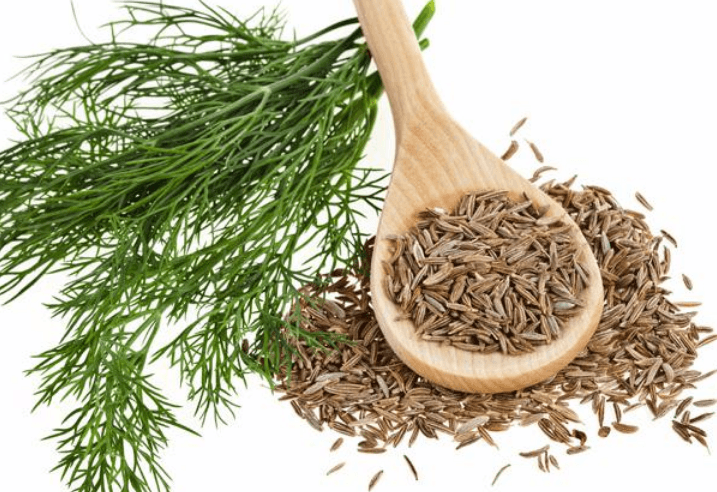
Cumin seeds are a spice commonly used in cooking, especially in Indian, Middle Eastern, and Mexican cuisine. They come from the Cuminum cyminum plant, which is a member of the parsley family. Cumin seeds are small and oblong-shaped with a yellow-brown color. (Resource)
They have a distinctively warm, earthy, and slightly bitter flavor and are often used to add depth and complexity to dishes. Cumin seeds can be used whole, ground, or roasted and are a rich source of antioxidants, iron, and other essential minerals.
In addition to their culinary uses, cumin seeds have also been used in traditional medicine to aid digestion, treat respiratory ailments, and promote overall health and well-being.
Nutritional value of Cumin Seeds
Cumin seeds are a rich source of nutrients and offer several health benefits. Here is the nutritional value of 1 tablespoon (6 grams) of cumin seeds:
- Calories: 22
- Fat: 1.3 grams
- Carbohydrates: 2.6 grams
- Fiber: 0.6 grams
- Protein: 1 gram
- Calcium: 32 milligrams
- Iron: 1.4 milligrams
- Magnesium: 22 milligrams
- Phosphorus: 27 milligrams
- Potassium: 109 milligrams
- Sodium: 7 milligrams
- Zinc: 0.4 milligrams
- Vitamin C: 0.3 milligrams
12 Amazing Health Benefits of Cumin Seeds
Here are some of the benefits that you can expect to get when you consume cumin:
1. It can be helpful for your digestion
If you are having problems with your digestion, you can get rid of those issues with cumin. The aroma of cumin can aid in the digestion process as it can help the mouth produce more saliva. In turn, this can help make the digestion process faster than usual. (Resource)
At the same time, other glands are stimulated to produce acids and bile that can improve digestion. If you would like to use cumin to get rid of stomach ache, you can do the following:
- You can mix cumin oil or cumin powder with hot water.
- Make sure that you will mix it properly.
- Drink the hot water and wait for it to take effect.
- You may take this whenever you are experiencing some stomach pain.
Read: Top 10 Home Remedies to Get Rid of Indigestion Fast
2. It can help get rid of boils
Having boils can be very embarrassing, especially if they appear in a portion of your body that clothes cannot hide. Boils usually occur because of toxic environmental substances mixed with other foreign substances in your body.
You can always mix cumin with some of your food so you will avoid getting boils, but if in case you already have boils or other skin conditions, this is what you can do:
- Grind cumin seeds until they are already in powder form.
- Place vinegar and mix the two until you form a paste.
- Apply the paste to the affected portion of the skin.
- You may do this 2 – 3 times a day until the boil or the skin condition you are trying to get rid of disappears.
3. It can help you break free from insomnia

One of the reasons you may feel tired in the morning and unable to work throughout the day is your insomnia.
Insomnia may be caused by not having enough vitamins in your system and being stressed out about the situations you are going through. Cumin is known to have both stimulant and relaxant properties. These properties can help you get a sound sleep.
- You can mix a few drops of cumin essential oil with another carrier oil like coconut or olive oil.
- Massage your temples and some of your pressure points.
- It can help relax you and decrease your stress levels so that you can sleep better.
4. It can help you age slower
Everybody is going to age, which everyone must accept, but if people can stay youthful for longer periods of time, this can be done.
Cumin contains Vitamin E, that can cause slower triggers in the body that may cause aging. Vitamin E can act as an antioxidant, so it will help eliminate toxins and other free radicals that may cause harmful effects on the skin.
Add cumin to some of your dishes to decrease the chances of suffering from wrinkles and age spots. This can already make a huge difference.
5. It can help get rid of burning sensations

There are times when you may suffer from burning sensations on the soles of your feet, lower back, and soles due to nerve damage. Cumin has properties that can help eliminate the discomfort you may be feeling. You can do the following:
- Add some ground cumin seeds to boiling water.
- Remove the boiling water from the heat source and let it cool down. Do not remove the cover.
- You can drink the water mixed with cumin seeds whenever you want to drink.
- You are recommended to drink it after eating your meals.
- While you may be tempted to drink it cool to improve its flavor, you are recommended to drink it warm to reap its full effects.
6. It can help you have healthy, even, and glowing skin
Who does not want to have healthy-looking skin? One of the reasons why many women still look beautiful even without makeup is because they take good care of their skin. (Resource)
Good skincare may consist of hydrating all the time and using certain skin products to improve the skin condition, but cumin can be effective in getting rid of the toxins in the skin that can cause the skin to look dull and dry. You can make a cumin-based face mask to improve your skin’s condition:
- Mix cumin powder and turmeric powder.
- Place honey to make the mask stickier.
- After mixing properly, apply it on your face, similar to how you place your skin products.
- Wait for the mixture to dry before rinsing.
- You can do this 2x a week to get maximum effects.
7. It can help combat falling hair
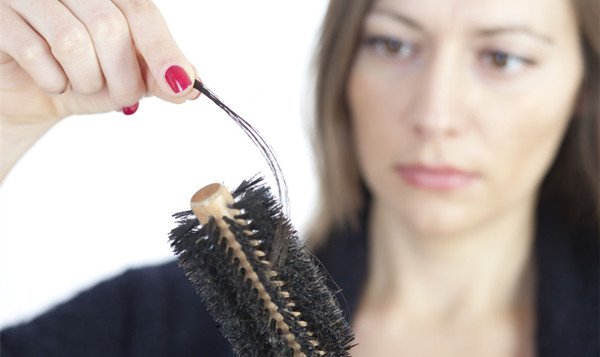
There are a lot of men and women who are having a hard time with their thinning hair. If you also have this issue, you would like to combat it with natural remedies.
The best remedy you can use here is black cumin seeds, as they contain properties that can combat hair fall.
- You can use ground cumin seeds or black cumin oil, depending on which is available.
- Mix the powder or the oil with olive oil and mix well.
- Apply the mixture on the portion of your hair where you think hair is falling off.
You can do this once a day to get the full benefits. If you do not want to make mixtures, there are some black cumin supplements you can purchase from health food stores that you can take orally. Aside from falling hair, the use of cumin can also be used for the following:
- Promoting healthier-looking hair
- Dandruff
- Thickening hair
8. It can help get rid of certain respiratory disorders

Cumin contains caffeine and other oils that can help disinfect the body from certain bacteria and viruses that may cause respiratory disorders.
If you have asthma or suffer from other conditions that cause you to cough up phlegm, you can use cumin oil as an expectorant.
When you use cumin oil, you can cough up the mucus until you have removed the leading cause of your respiratory disorder from your body.
9. It can help combat signs of anemia
Anemia is when the body is not producing enough red blood cells to supply the whole body. Those with this condition usually feel weak because they are not getting enough oxygen throughout their body. (Resource)
By taking in cumin, you will be making the production of red blood cells more active until you achieve the normal level of red blood cells in your blood.
10. It can be effective in the prevention of certain types of cancer
Aside from the fact that cancer is deadly, it can affect anyone and be unnerving. If you focus on your diet, you can expect a lesser chance of acquiring this dreaded disease.
Regular intake of cumin is known to treat certain types of cancer, namely colon and breast cancer. This may be due to the anti-carcinogenic agents found in cumin.
11. It can be effective in getting rid of itch in different parts of your body
There may be times when you suffer from itchiness because of an allergy or exposure to specific properties that your body considers ‘foreign.’ You can use cumin powder or oil to get rid of the itch.
- Mix cumin powder in your bathwater.
- Soak for about 10 – 15 minutes. You will usually start to feel the itch go away.
- Rinse with normal water as usual.
The remedy mentioned above can also be used if you are suffering from body heat.
12. It can help raise your immunity
One of the reasons you usually get sick is your immune system is weak. If you would like to strengthen it, you may do it with the use of cumin.
Cumin contains Vitamins A and C, which can help boost the immune system. Free radicals will be eradicated from your body properly to not lead to certain diseases that will be harder to fight off.
How to incorporate cumin seeds into your diet?
Cumin seeds can be a flavorful and healthy addition to your diet. Here are a few ways you can incorporate cumin seeds into your meals:
- Use cumin seeds to season roasted vegetables: Toss your favorite vegetables in olive oil and sprinkle them with cumin seeds before roasting in the oven. The cumin seeds will add a warm, nutty flavor to the veggies.
- Add cumin seeds to rice dishes: Toast them in a dry pan before adding them to your rice as it cooks. The seeds will infuse the rice with their flavor, making for a tasty and aromatic side dish.
- Sprinkle cumin seeds on hummus: Top your hummus with a sprinkle of cumin seeds and a drizzle of olive oil for a flavorful snack.
- Use cumin seeds in soups and stews: Add them to your soups and stews to give them a depth of flavor. You can also use ground cumin if you prefer.
- Make a cumin-spiced salad dressing: Mix together olive oil, lemon juice, honey, and cumin seeds to create a tangy salad dressing that’s full of flavor.
Precautions when consuming cumin seeds
While cumin seeds are generally safe to consume, there are a few precautions to keep in mind:
1. Allergic reactions
Some people may be allergic to cumin seeds and experience itching, swelling, and difficulty breathing. If you experience these symptoms after consuming cumin seeds, seek medical attention immediately.
2. Medication interactions
Cumin seeds can interact with certain medications, including blood thinners, antidiabetic drugs, and antibiotics. If you take any medications, talk to your healthcare provider before incorporating cumin seeds into your diet.
3. Pregnancy and breastfeeding
Cumin seeds are considered safe for pregnant and breastfeeding women when consumed in moderate amounts as a spice. However, it’s always a good idea to consult your healthcare provider before consuming new foods or supplements during pregnancy or breastfeeding.
4. Digestive issues
While cumin seeds have been traditionally used to aid digestion, consuming too much can lead to digestive discomfort, such as gas, bloating, and diarrhea. It’s best to start with a small amount and gradually increase as tolerated.
Delicious Recipes with cumin seeds
Here are some delicious recipes that use cumin seeds:
Cumin Roasted Carrots:
- One lb. of carrots peeled and sliced
- 2 tbsp. of olive oil
- 1 tsp. of cumin seeds
- Salt and pepper to taste
Preheat oven to 400°F. Toss the sliced carrots with olive oil, cumin seeds, salt, and pepper. Roast for 25-30 minutes or until tender and slightly browned.
Cumin-Spiced Quinoa Salad:
- 1 cup of quinoa
- 2 cups of water
- 1 tbsp. of olive oil
- 1 tsp. of cumin seeds
- One red bell pepper, diced
- One small red onion, diced
- 1/2 cup of chopped fresh parsley
- Salt and pepper to taste
Rinse the quinoa and place it in a pot with 2 cups of water. Bring to a boil, then reduce heat and simmer for 15-20 minutes or until the water is absorbed. In a separate pan, heat the olive oil and cumin seeds over medium heat until fragrant.
Add the diced bell pepper, onion, and sauté for 5-7 minutes. Combine the cooked quinoa, sautéed vegetables, and chopped parsley—season with salt and pepper to taste.
Cumin-Spiced Chicken Skewers:
- One lb. of boneless, skinless chicken breasts cut into cubes
- 2 tbsp. of olive oil
- 1 tsp. of cumin seeds
- 1/2 tsp. of smoked paprika
- Salt and pepper to taste
Preheat the grill or grill pan to medium-high heat. In a bowl, toss the chicken cubes with olive oil, cumin seeds, smoked paprika, salt, and pepper. Thread the chicken cubes onto skewers and grill for 10-12 minutes or until cooked through.