
Are you suffering from dandruff? According to research, 50% of the world’s population suffers from dandruff. Dandruff is a skin disease related to the proliferation of lipophilic yeast of the Malassezia genus. It is a very common scalp disease found in any gender and race. Adolescent teenagers are more likely to suffer from this problem due to the excessive secretion of sebum.
Dandruff results from excessively accumulated dead skin, which usually worsens in autumn and winter. Common causes include seborrheic dermatitis, growth of fungi, dry skin, and hair products. In addition, other reasons can cause dandruff, including excessive stress, anxiety, lack of sleep, vitamin deficiency, and harsh chemicals in shampoos.
Although there are many over-the-counter products for dandruff on the market, the effect cannot be guaranteed. If you use low-quality products, it may worsen your condition. Studies have found that some natural treatments also have good anti-dandruff properties. This article discusses 21 natural remedies to get rid of dandruff fast.
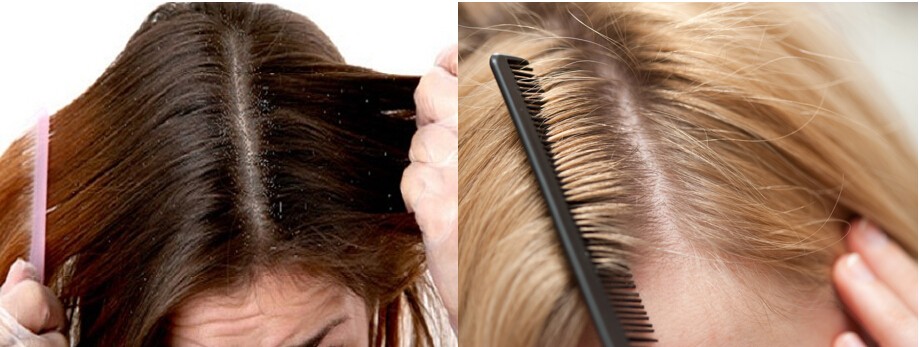
Common Causes and Symptoms of Dandruff
Dandruff can be caused by a variety of reasons, including:
Dry skin: Studies have found that dry skin is the most popular cause of dandruff. Dry skin can cause the scalp to fall off easily and form dandruff. You can easily find signs of dry skin on other parts of the body.
Oily skin: People with oily skin are more likely to absorb dirt in the air, which can worsen dandruff. Seborrheic dermatitis is a common oily skin disease that can cause dandruff and an itchy scalp. It causes the skin to be covered with scaly yellow or white scales. Seborrheic dermatitis usually occurs in areas rich in oil glands, such as the scalp, eyebrows, groin area, and armpits.
Poor hygiene: Not washing your hair frequently can help the skin produce natural oils, making your scalp and hair healthier. But not washing your hair for a long time can cause an itchy, peeling scalp and lead to dandruff. In most cases, washing your hair 2 to 3 days a week is a good idea.
Malassezia: Malassezia is a common yeast fungus that lives on the scalp of most adults. However, it can stimulate the scalp and cause more skin cell growth. However, too much yeast fungus can cause skin cells to die and fall off to form dandruff.
Haircare products: Many hair care products contain chemical ingredients. Regular use of these products can irritate the scalp and cause redness, itching, and dandruff.
Weather conditions: Some people in tropical climates usually have worse dandruff because the scalp is more prone to dampness.
Poor immune system: When a person has diseases such as HIV or AIDS that target the immune system, the person will be more likely to get dandruff.
Emotional and mental stress: Long-term and excessive stress will reduce the function of the immune system and make people more prone to dandruff.
In addition to these things, there may be many other reasons that can cause dandruff. These causes include excessive shampoo, eczema, psoriasis, or sensitivity to hair care products.
21 Natural Home Remedies to Get Rid of Dandruff
There are natural home remedies for dandruff. The effect may not be as fast as the professional treatments, but it can still be helpful and effective in the long run.
1. Tea Tree Oil
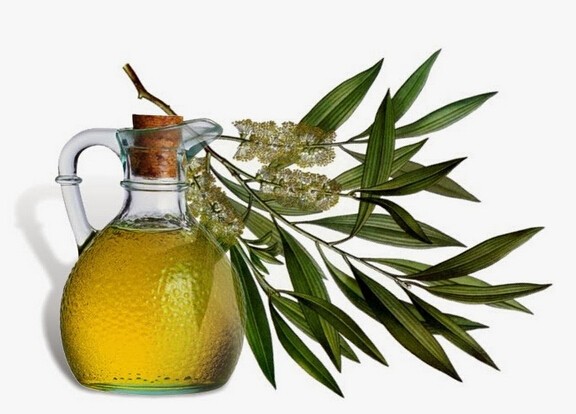
Tea tree oil has been used to treat skin diseases such as acne and psoriasis for centuries. It has anti-inflammatory and anti-microbial properties and can effectively fight specific fungal strains that may cause seborrheic dermatitis and dandruff.
According to a recent study, shampoo containing 5% tea tree oil can significantly reduce the severity of dandruff.
To remove dandruff at home, you need a spray bottle or atomizer. Put one tablespoon of tea tree oil in a cup of warm water. Shake well, then spray the mixture on the scalp and wait for a while so that the scalp can absorb it. In addition, you can add a few drops of tea tree oil to your shampoo during your regular cleaning process.
Note that tea tree oil can irritate people with sensitive skin. You’d better mix coconut oil and tea tree oil.
2. Coconut oil
Coconut oil is a natural antibiotic that can moisturize your scalp and hair. With regular use, you will get strong and shiny hair.
Coconut oil has excellent moisturizing, antifungal, and antimicrobial properties. In addition, coconut oil is rich in lauric acid, capric acid, and vitamin E, which can help prevent losing proteins.
How can you apply coconut oil to remove dandruff? The simplest way is by using it before showering. You can apply 3-5 tablespoons of coconut oil to your scalp and wait for at least half an hour. Then rewash your hair.
Perform this procedure at least once a week. Make sure not to use any conditioners before you apply coconut oil to your scalp.
3. Aloe Vera
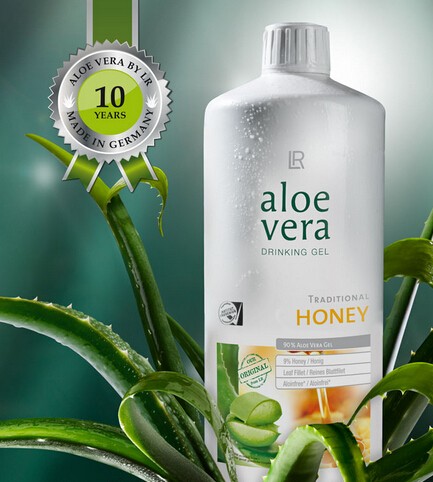
Aloe vera is a succulent plant, and you will often find it in skin ointments, cosmetics, and lotions. Aloe vera gel in aloe vera has antiseptic and antifungal properties. This can help remove dandruff-causing yeast and fungus on your scalp.
According to one study, aloe vera can reduce inflammation. It can soothe your scalp, moisturize your dry scalp and relieve itching. The pectin and polysaccharides in aloe vera can stimulate the cells and lead to a healthy scalp.
How to use aloe vera for dandruff? Just apply pure aloe vera to the hair and scalp. Wait for 3-5 minutes and wash again.
Make sure to use it directly from the aloe vera plant to ensure that all ingredients are natural. You do not have to mix it in with other components.
4. Apple Cider Vinegar
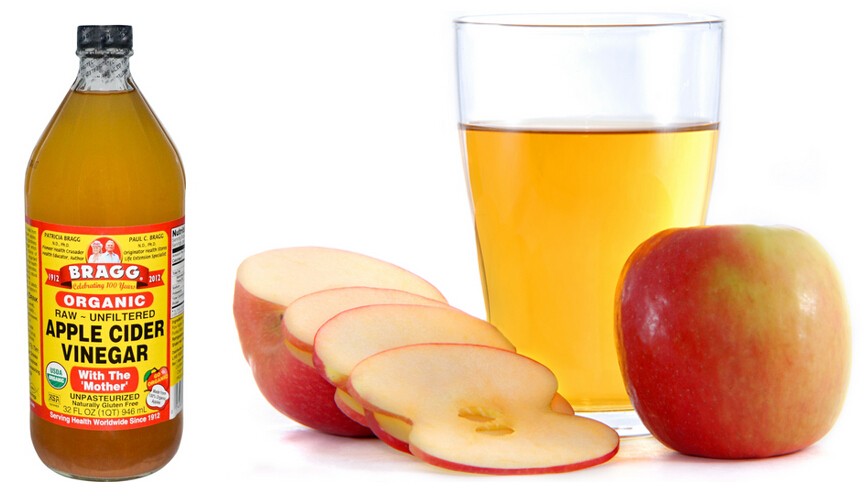
Apple cider vinegar is a natural remedy to get rid of dandruff. The acidity of the vinegar can balance the pH of your scalp to prevent fungus from growing. In addition, it can help shed dead skin cells on the scalp.
You need to mix warm water and vinegar into a clean cup. Make sure that no other components will be part of the mixture. Once the mixture is done, pour it over your head and massage it around the scalp for about 5 -10 minutes.
You can also wrap your head in a towel and wait 5 – 10 minutes. You must wait 1-2 hours before you can shower again. This will ensure that the scalp fully absorbs the vinegar.
5. Olive Oil
Olive oil is an effective natural ingredient for removing dandruff. Soaking hair with overnight olive oil is a folk remedy for dandruff. It can help moisturize a dry scalp and reduce itching. The essential nutrients and antioxidants in olive oil can also help damaged hair regeneration.
One of the best ways to remove dandruff is to leave the olive oil on your scalp overnight. Add 10-20 drops of olive oil to your scalp and cover it with a shower cap. Wash off with shampoo the following day. This can help your hair to get deep conditioned as well as moisture.
Since it is not too smelly, people do not have to worry about a weird, pungent smell afterward. Do this regularly; it can make the problem go away fast.
6. Baking Soda
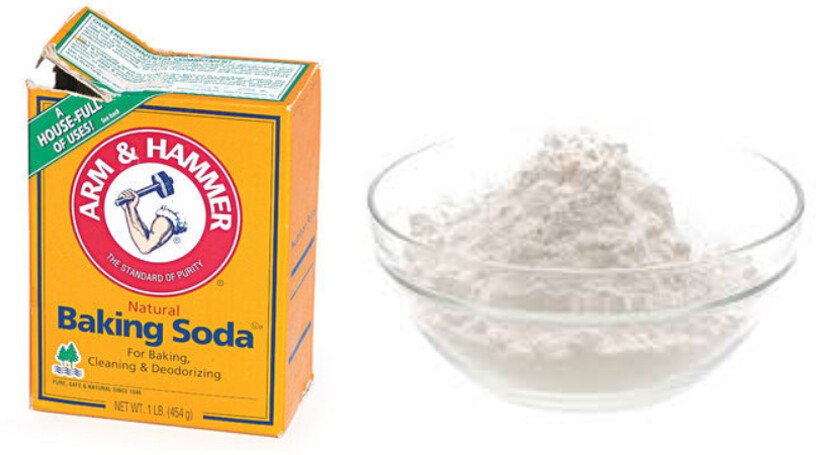
Baking soda is a convenient and readily available remedy for dandruff. It can be used as a gentle exfoliant to remove dead skin cells on the scalp.
In addition, baking soda has antifungal properties, which can help reduce scaling and itchiness caused by fungi.
Mix a mixture of warm water and baking soda. Apply the mixture to your hair can massage it into your scalp. Wait for 2-3 minutes and shampoo your hair as usual.
This can be used as shampoo, although some report that it can dry the hair. However, your scalp will produce natural oils, and the hair will recover.
7. Fenugreek Plant
Some people are not familiar with Fenugreek. In India, this is known to be used to make Indian spices. The seeds can be used to treat dandruff. Aside from the fact that it can help make the scalp healthier, it can also make the hair grow faster.
Soak the seeds overnight in a cup of water, covering the bases entirely. When they are already soft enough, grind them and mix them until they appear pasty.
Leave the paste mixture on the scalp for about 20-30 minutes, then rinse with water.
8. Lemon Juice
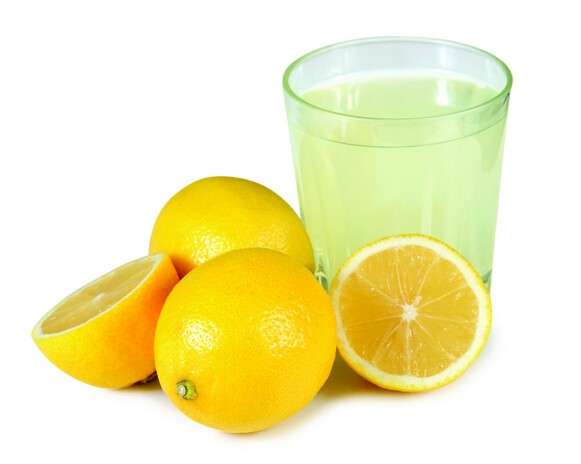
Lemon juice is an effective home remedy for dandruff. It has anti-fungal properties that can help combat dandruff-causing fungus.
Vitamin C and citric acid in the lemon juice can moisturize the scalp and balances the scalp’s pH level. In addition, lemon juice can help soothe irritation and reduces itching.
Squeeze lemon juice into a cup and decide if you will mix it in with coconut oil or water. Once you have decided which one you will use, massage it into the scalp. Leave it on for 10-15 minutes before rinsing. Repeat this process until your dandruff disappears.
9. Listerine
Many people may be shocked to see this on the list, but this is true. Listerine can be beneficial in making dandruff go away.
It has anti-fungal properties that can help eliminate dandruff. Always avoid Listerine with bright colors because you do not want to see yourself have green hair.
If you would place in 1 part Listerine, make sure you dilute it with two parts water. Place the mixture in a container that you can use to spray on your hair after shampooing. Leave it on the hair for about 20 – 30 minutes before shampooing.
10. Eggs
Even though there are already many reports about eggs for hair, many people are unaware that they can be used for the scalp. It can also help remove stubborn dandruff from the scalp.
Beat a couple of eggs into a clean container and, beaten thoroughly, massage into the scalp. Make sure to massage all areas of the scalp to avoid patchy and flaky skin. It can also help make the hair smooth and shiny.
11. Apple Juice
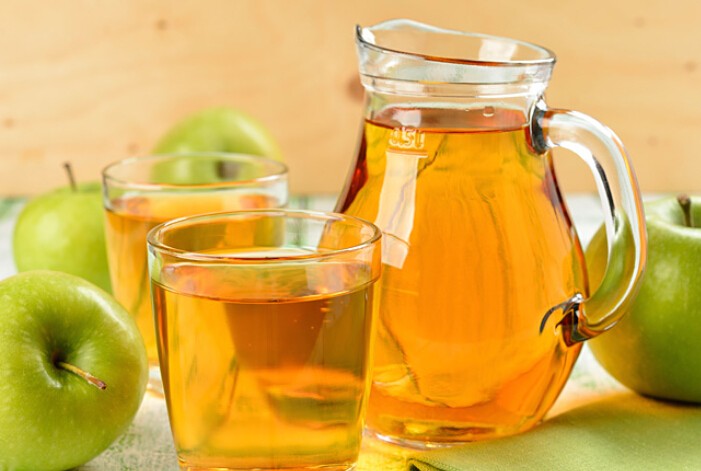
The natural components of Apple juice will help you eliminate dandruff from the scalp.
You can use pure apple juice to massage it into your scalp and hair. This can be used after shampooing the hair. Wait for 10-30 minutes and wash off. Just remember to use this regularly.
12. Aspirin
Aspirin is rich in salicylic acid, which has the same active ingredient as many medicated dandruff shampoos. Salicylic acid has anti-inflammatory properties that help eliminate scaly skin and loosen flakes. Another advantage of aspirin is that it can treat seborrhoeic and does not irritate the scalp.
How to use aspirin for dandruff? First, you need two aspirin tablets and crush them up until they are already in powder form. Then mix it with the shampoo you use every time. Leave the shampoo and aspirin mixture on the scalp for 10-30 minutes before rinsing. Finally, rinse thoroughly with plain shampoo.
13. Lemongrass essential oil
Lemongrass essential oil has antiviral, antibacterial, and antifungal properties that can reduce inflammation and treat infections. According to a study, using lemongrass essential oil for seven days can significantly reduce dandruff.
In addition, some other essential oils, including thyme, tea tree, lemongrass, evergreen, oregano, and wintergreen, can help fight fungi and yeasts. You can add some other essential oils to enhance the effect. But remember, you need to choose 100% pure oil.
14. Drink plenty of water
One of the leading causes of dandruff is dry skin. Drink plenty of water to moisturize the skin and prevent a dry scalp. In addition, drinking a lot of water daily can improve blood circulation and help the body excrete harmful substances, which are beneficial to your overall health.
15. Pay Attention to Your Diet
Some people tend not to pay much attention to diet. However, according to research, high-carbohydrate foods can cause glycogen accumulation in the skin to breed yeast. Some dairy products and sugary foods can stimulate the sebaceous glands, resulting in more dandruff. In addition, malnutrition can exacerbate dandruff problems.
Therefore, to get rid of dandruff, you’d better reduce high-sugar foods and eat foods that are naturally rich in vitamins and minerals. Many fruits and vegetables should be included in the diet. Keep away from edible processed foods and inorganic products. After a while, you will see the difference.
16. Get Some Sunlight
Sunlight can play a role in people’s scalp condition. Some people will see their hair and scalp become healthier after exposure to beneficial sunlight between 8 – 10 am daily.
Do remember that you need 30– 45 minutes of sunlight every day. Too much sun exposure can be harmful to the hair and scalp.
17. Get enough Omega-3s
Omega-3 fatty acids are essential for normal human function, especially skin health. A deficiency of Omega-3 fatty acids can cause dry skin, itching, and dandruff. Adequate intake of Omega-3s can help reduce inflammation and relieve irritation and dandruff symptoms.
The best way to get Omega-3s is through trout, salmon, mackerel, flaxseed, chia seeds, and walnuts. In addition, you can also take fish oil to supplement Omega-3s.
18. Probiotics
Probiotics are healthy bacteria that can lower cholesterol levels, prevent allergies, and enhance immune function. This reduces the symptoms of skin conditions such as eczema and dermatitis and helps the body fight fungal infections that cause dandruff.
You can supplement it by using fermented foods containing probiotics. These foods include natto, kimchi, kombucha, etc. You can also use probiotic supplements, which are more convenient.
19. Reduce stress and anxiety
Although stress does not cause dandruff, long-term high levels of depression, anxiety, and stress can weaken the immune system. This will reduce your body’s resistance to certain fungal infections that cause dandruff and cause dry skin, itching, and dandruff.
To reduce stress and anxiety, you can try some exercises or methods to reduce stress. These methods include yoga, short walks, diffusing lavender, deep breathing therapy, workouts, and massage therapy.
20. Wash your hair
Some people may take a long time to wash their hair, which can exacerbate the problem of dandruff. Infrequent shampooing can cause dead skin cells and oil to accumulate on the scalp’s surface. This can worsen the itchy scalp and dandruff.
Patients with seborrheic dermatitis or people prone to dandruff must wash their hair at least 2-3 times a week.
21. Use the Right Shampoo
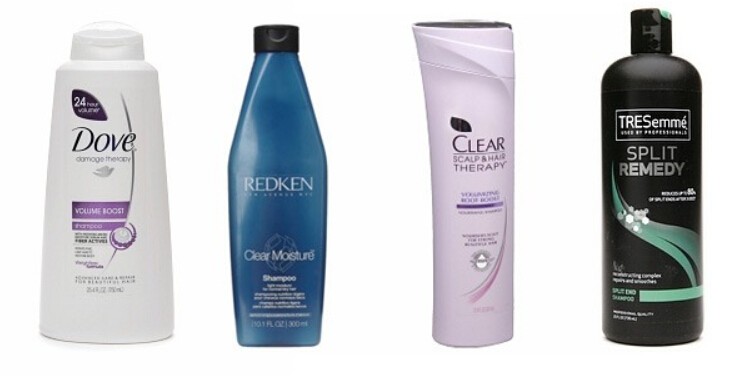
Some shampoos containing zinc or sulfur can effectively reduce yeast. Try salicylic acid shampoo if your scalp is dry and easy to peel off. Ensure that you use the right shampoo or switch up the shampoo you are using from time to time.
Final Words
Although dandruff is an annoying problem, some natural remedies can help relieve and eliminate symptoms. In addition, to avoid recurring dandruff in the future, try to avoid these things.
Many dandruff shampoos contain harmful chemicals. Try to avoid shampoos containing parabens, lauryl sulfate, or sodium Laureth. If you find that the problem gets worse after use, stop using it immediately.
In addition, you need to change your diet to get rid of dandruff and avoid excessive intake of salt, sugar, processed foods, and processed oils. These oils include corn, safflower, soy, sunflower, and canola. Appropriate participation in sports and adequate rest time can also help you reduce the symptoms of dandruff.





Hi, My husband has face the problem of dandruff from last a year.He has a dandruff just like a layer of dry skin. He used the remedy of lemon but there is no any effect.Please suggest me for removing his dandruff permantely.
Dandruff may be the result of a dry scalp, or skin condition.Applying gently warm coconut oil mixed with one hundredth of black pepper is very good remedy for treating dandruff.
Its grated black pepper or no. of black pepper
Black pepper contains the dandruff fighting minerals zinc and selenium.You can use black pepper to treat dandruff.
yes it work very good for me
thanks
Thanks
Dandruff is the worst thing that lets a person loses confidence. It is better to apply natural home remedies than medicated shampoos to preserve texture of your hair… Amazing contents :) Thanks for sharing..