A dry, itchy scalp is one of the most annoying problems people of all ages face. If you have ever experienced this condition, you know how unpleasant it can be. When your hair follicles are clogged, they can’t produce enough oil to hydrate the scalp. This will cause dryness and itching on the scalp.
Constant itching may lead to infections such as seborrheic dermatitis or psoriasis. Luckily, there are many ways you can treat and prevent an itchy scalp. By adjusting your shampoo, following a healthy diet, and using natural remedies, you can be free of that annoying itch. This article will discuss 14 common causes of dry, itchy scalp with some natural remedies.
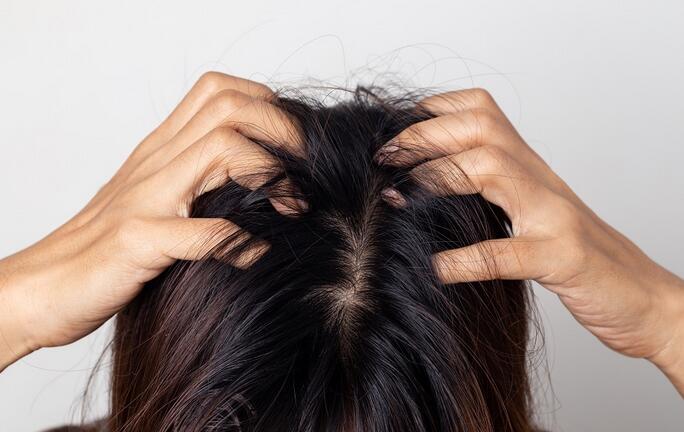
14 Common Causes of Dry Itchy Scalp
1. Wash too much
Studies have found that daily shampooing can destroy the natural oils on the scalp that need to retain moisture. This can cause the hair to dry out, become brittle, and eventually break. Another obvious sign of over-cleaning hair is a dry, irritated, or itchy scalp.
How often you wash your hair will generally depend on your hair type. People with thin hair may need to wash it several times a week, while people with thicker hair may only need to wash it once a week. You can consult your dermatologist to determine how often to wash your hair.
2. Weather change
Weather change is also one of the leading causes of dry scalp. In the cold winter, dry air can cause a lack of moisture in the hair and scalp. This can cause itchy, peeling, and irritation of the scalp.
You can use a humidifier to increase the moisture in the air or use warm water instead of hot water in showers to keep your skin and scalp moist. However, don’t stay underwater for a long time. It will deprive the skin of natural oils. You can also use a mild moisturizing shampoo to wash your hair in the bath.
3. Scalp psoriasis
Psoriasis is a scaly patch on the skin’s surface caused by the rapid reproduction of skin cells. Psoriasis is often related to a weakened immune system. Usually, psoriasis appears on your hands, feet, back, nails, neck, face, and ears.
Sometimes psoriasis can also appear on the scalp and cause an itchy scalp. You can try medicinal shampoos containing coal tar to relieve itching for mild scalp psoriasis. You need to consult your doctor if the symptoms are not relieved after use.
4. Dandruff
Seborrheic dermatitis, also known as seborrhea, is a common skin condition that can cause redness, itching, and skin peeling. When it affects the scalp, it is called dandruff.
A dry and itchy scalp often accompanies dandruff. You may have dandruff if you often see white scales on your hair or clothes.
You can use a dandruff shampoo containing salicylic acid or ketoconazole to remove them if you have dandruff. But don’t use it too much; once or twice a week is enough.
Read the instructions on the bottle carefully before use. If dandruff shampoo does not relieve symptoms, please see your dermatologist immediately. You may need to treat skin diseases to get rid of dandruff.
5. Eczema
Eczema is a common skin disease that can cause your scalp to be dry, itchy, and cracked. It is very common for people with allergic reactions. Weather changes, cleansers, and stress can cause eczema patches to form on your scalp. You need to avoid irritating shampoos or other products that can cause symptoms.
6. Hives
Hives are red, raised, and have very itchy bumps. It can form anywhere on the skin, especially the face, arms, and scalp. Hives tend to come and go over some time. Sometimes, Hives will suddenly disappear and then come back. If Hives go back and forth for more than a week, they are called chronic hives. You need to consult a dermatologist for medical help.
7. Haircare products
Have you noticed an itchy and peeling scalp when using certain shampoos, soaps, or other products? This may be an allergic reaction caused by contact dermatitis.
To treat contact dermatitis, you must find the product that caused the reaction. Try to cut one thing at a time to see if your symptoms are lessened.
After finding the cause, get rid of it completely. You can also put a cool, wet towel on the scalp to relieve itching. In addition, you can also apply cortisone anti-itch cream.
8. Head lice
Head lice are a nasty little bug that lives in the hair. It can cause an itchy scalp and dry head. You can carefully observe the scalp and hair through a magnifying glass to see if there are signs of these tiny bugs.
If you find head lice, try home remedies such as tea tree oil, mayonnaise, neem oil, and vinegar to eliminate them.
9. Scabies
Scabies is a symptom caused by a small bug called a mite. These mites can get into your scalp and cause it to be dry and itchy. This itching is often so severe that it prevents you from falling asleep. In addition, you will find some small red bumps on the scalp.
To relieve itching, you should consult your dermatologist. Scabies require prescription drugs for treatment.
10. Nervous problems
If you do not have a rash or other skin problems but still have severe itching of the scalp. This may be caused by nerve damage, neurological disease, or abnormal nerve functioning.
Both shingles and diabetes can cause these neurological problems. You need to consult a dermatologist to find the source of the problem to solve it.
11. Scalp ringworm
Ringworm is a red and severely itchy rash caused by a fungus. Scalp ringworm can cause swelling, hair loss, and severe itching of the scalp. You can take oral antifungal drugs to treat the ringworm on the scalp.
The most commonly used drugs include terbinafine and binafine. You can also wash your hair with a prescription-strength shampoo to help remove fungal spores. But remember to use it under the guidance of a doctor.
12. Skin cancer
Skin cancer can also cause redness, itching, and cracking of the scalp. If you have severe symptoms, seek medical help immediately.
13. yeast-like fungi
Yeast-like fungus, also called Malassezia, is a fungus that lives on the scalp. In some cases, it can cause an overgrowth of skin cells. Excess skin cells that die and fall off will appear white and flaky. The cause of this symptom is not clear, but it is related to the high alkaline pH of the scalp. This happens when using hair care products to remove acidic sebum.
14. Lifestyle and diet
Some bad lifestyle habits, such as chemical hair dyeing, keratin care, and drying every day, can cause damage to the scalp and reduce moisture in the scalp.
Poor diets, such as vitamin and mineral deficiencies, can cause itchy scalp and dandruff problems. Especially when you lack zinc and B vitamins in your diet, dandruff is more likely to occur.
How to Treat Dry and Itchy Scalp with Natural Remedies
1. Olive oil
Olive oil has many uses and benefits. You can use it to moisturize your skin and hair. When you use olive oil to combat a dry and itchy scalp, it acts as a shield for your scalp.
Olive oil can penetrate the hair follicles and helps to reduce irritation and itching. When applying olive oil, you should ensure it’s not too hot, as it could damage your hair.
You can use it as a pre-shampoo treatment or as a leave-in conditioner. Mix it with some essential oils to make a scalp massage oil.
2. Apply egg-based masks
If your dry and itchy scalp is caused by eczema or psoriasis, you should visit your dermatologist to learn more about the underlying causes. But you can also apply egg-based masks to soothe and treat your itchy scalp.
Egg white is a mild anti-inflammatory; it closes the pores and reduces the itchiness of your scalp. You can apply the egg-white mask on your scalp and wrap your head in a warm towel for about 20 minutes. This will help the egg white seep into your scalp and provide the calming effect you want.
3. Eat healthily and drink enough water
The first thing you should do is stop using shampoo, which could be drying out your scalp. When your scalp is over-dried, it can become more susceptible to eczema and psoriasis, leading to an itchy scalp.
Then, you can go for a diet rich in vitamins and minerals like Vitamin B, Vitamin C, Vitamin E, and Selenium. These vitamins are essential for healthy hair and scalp. So, make sure that you are taking them in your diet. You can also drink enough water to keep your body hydrated and prevent dryness on the scalp.
4. Use a humidifier to Treat Dry and Itchy Scalp
The dry weather might cause your dry, itchy scalp. So, you can use a humidifier to increase your room’s humidity and relieve the itching. You can also add some essential oils to the humidifier to make the air smell good and soothe the irritation on your scalp.
5. Henna and chamomile
If nothing works for you, try a henna and chamomile treatment for your itchy scalp. Henna is a natural, herbal treatment for your scalp.
You can get a henna-based shampoo or apply henna to your scalp to get rid of the itching. Chamomile is known to have anti-inflammatory properties and can treat itching. You can brew chamomile tea and let the steam from the tea soothe your scalp.
6. Try a protein or cream-based shampoo
If your hair is dry and experiencing an itchy scalp, go for a shampoo high in protein and vitamins. If your scalp is dry and itchy, it’s best to go for a shampoo that is high in proteins.
Proteins act as a natural conditioner for your hair and help to hydrate your scalp. You can also go for a shampoo that has a cream base. Cream-based shampoos generally have a thicker consistency and provide more hydration to your scalp.
How to Prevent Dry and Itchy Scalp
Many home remedies can help you relieve dry, itchy, and flaky scalp symptoms. In addition, you’d better develop some habits to prevent these symptoms from reappearing.
1. Choose the right shampoo
Some hair care products and shampoos can irritate your scalp, making it dry and itchy. Make sure to choose a shampoo that has moisturizing properties and does not dehydrate the scalp. If you have dandruff, choose a shampoo containing these ingredients: salicylic acid, ketoconazole, coal tar, selenium sulfide, and zinc pyrithione.
2. Drink plenty of water
Lack of moisture in the skin can cause a dry and itchy scalp. Drinking 8 glasses of water daily can help the scalp retain moisture.
3. Improve your diet
Diet can affect the health of the scalp and hair. To ensure your body is provided with the nutrients it needs for health; you can supplement zinc, vitamin B, and certain diets containing specific fats. Avoid eating sugar and high carbohydrates that will cause the yeast on the scalp to increase, resulting in flaky scalp peeling.
4. Avoid using hair dye
Avoid using any industrial hair products and hair dyes. These products can irritate the scalp and cause dandruff and an itchy scalp.
5. Eliminate allergens
If you have eczema, try to figure out the allergens and eliminate them.
6. Deal with stress
Excessive stress can cause insomnia, depression, and dandruff problems. You can try exercise or yoga to help get rid of stress and depression.
7. Avoid sun exposure
Excessive sun exposure can cause dry and itchy scalp. You can wear a hat to block the sun.
Conclusion
A dry and itchy scalp is a common problem. Some natural remedies can help you get rid of this problem. However, if you have psoriasis, Nervous problems, or hives, you’d better consult a doctor to find the root cause and treat it accordingly.