Epsom salt, also known as magnesium sulfate, has long been recognized for its incredible therapeutic properties. This mineral compound made up of magnesium, sulfur, and oxygen, offers a wide range of benefits for health, wellness, beauty, and even gardening. In this comprehensive article, we will delve into the 24 impressive benefits and uses of Epsom salt, showcasing its versatility and effectiveness in various aspects of our lives.
What is Epsom Salt?
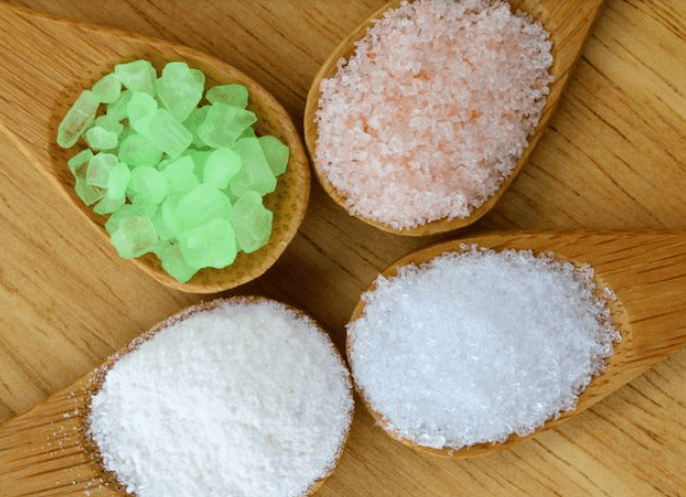
Epsom salt derives its name from the town of Epsom in England, where it was first discovered in a natural spring. Chemically known as magnesium sulfate, Epsom salt is a crystalline substance that resembles table salt but has a different composition. It is composed of magnesium, sulfur, and oxygen, with magnesium providing the primary health benefits.
Epsom salt is not just any ordinary salt. Instead of being used as a seasoning for food, it is widely recognized for its therapeutic qualities. Epsom salt is commonly used in baths, foot soaks, and scrubs, as well as in gardening and plant care. This versatile mineral has become a staple in many households due to its numerous benefits and uses.
The Science Behind Epsom Salt
Magnesium and sulfate, the key components of Epsom salt, play essential roles in the body. Magnesium is involved in hundreds of enzymatic reactions and is crucial for maintaining proper muscle and nerve function, regulating blood sugar levels, and promoting healthy bones and teeth. Sulfate, on the other hand, supports detoxification pathways, aids in the formation of proteins, and helps ease inflammation.
When Epsom salt is dissolved in water, it releases magnesium and sulfate ions that can be absorbed through the skin or orally. This absorption into the body allows Epsom salt to exert its numerous benefits.
Benefits of Epsom Salt for Health and Wellness
1. Relieves Muscle Aches and Pains
Epsom salt baths or compresses help alleviate muscle soreness, cramps, and tension by reducing inflammation and improving blood circulation. The magnesium in Epsom salt helps relax muscles, while sulfate aids in the removal of toxins.
2. Reduces Inflammation and Swelling
The anti-inflammatory properties of Epsom salt make it effective in reducing swelling associated with sprains, strains, and bruises. Soaking in an Epsom salt bath can help ease joint pain and reduce inflammation in conditions such as arthritis.
3. Soothes Sunburns and Skin Irritations
Adding Epsom salt to a cool bath or creating a soothing compress can help relieve sunburns, insect bites, rashes, and other skin irritations. Epsom salt’s anti-inflammatory properties help calm the skin and reduce redness and itching.
4. Promotes Relaxation and Stress Relief
Epsom salt baths provide a calming and relaxing experience, helping to alleviate stress, and anxiety, and promote better sleep. The magnesium in Epsom salt helps regulate the production of serotonin, a mood-enhancing neurotransmitter.
5. Supports Detoxification and Cleansing
Epsom salt assists the body in eliminating toxins by promoting sweating, enhancing liver function, and aiding in the removal of heavy metals. A detoxifying Epsom salt bath can help cleanse the body and improve overall well-being.
6. Improves Sleep Quality and Promotes Relaxation
Soaking in an Epsom salt bath before bedtime helps relax the body and mind, leading to improved sleep quality and a sense of overall well-being. The soothing properties of Epsom salt help calm the nervous system and prepare the body for restful sleep.
7. Boosts Magnesium Levels in the Body
Epsom salt is an excellent source of magnesium, a mineral that many individuals are deficient in. Supplementing with Epsom salt can help boost magnesium levels in the body, leading to improved energy levels, muscle function, and overall health.
8. Eases Constipation and Promotes Regular Bowel Movements
Consuming diluted Epsom salt solution orally can act as a natural laxative, relieving constipation and promoting regularity. Epsom salt helps draw water into the intestines, softening the stool and facilitating easier elimination.
9. Supports Healthy Hair and Scalp
Epsom salt can be used as a natural clarifying and volumizing agent for the hair. It can help remove product buildup and promote healthier, shinier hair. A simple Epsom salt hair mask can revitalize the scalp and promote optimal hair growth.
10. Enhances Nutrient Absorption
Epsom salt can improve the absorption of nutrients from food, making it a beneficial addition to a healthy diet. By enhancing nutrient uptake, Epsom salt ensures that the body receives the maximum nutritional value from the foods consumed.
11. Aids in Wound Healing
Epsom salt can promote wound healing by reducing inflammation and preventing infection. Soaking in an Epsom salt bath or applying a diluted Epsom salt solution to wounds can help cleanse the area and promote the healing process.
12. Relieves Headaches
Epsom salt baths or compresses can offer relief from tension headaches and migraines. The magnesium in Epsom salt helps relax muscles and alleviate the pain associated with headaches.
13. Soothes Sore Feet
Epsom salt foot soaks are highly effective in soothing tired and achy feet. The magnesium in Epsom salt helps relax the muscles in the feet, providing relief from discomfort and fatigue.
Beauty and Skincare Uses of Epsom Salt
1. Exfoliates and Softens Skin
Epsom salt scrubs help remove dead skin cells, leaving the skin soft, smooth and rejuvenated. The abrasive texture of Epsom salt gently exfoliates the skin, promoting cellular turnover and revealing a fresh complexion.
2. Treats Acne and Blemishes
The antibacterial and anti-inflammatory properties of Epsom salt can aid in reducing acne breakouts and calming skin inflammation. A mild Epsom salt solution can be used as a facial toner or spot treatment to help clear up acne and blemishes.
3. Reduces Under-Eye Puffiness and Dark Circles
Placing a warm compress soaked in a diluted Epsom salt solution on the under-eye area can help reduce puffiness and lighten dark circles. The anti-inflammatory properties of Epsom salt help alleviate swelling and improve circulation, diminishing the appearance of under-eye bags.
4. Soothes Dry and Cracked Feet
Epsom salt foot soaks help soften rough skin, relieve dryness, and soothe tired feet. Soaking the feet in warm water infused with Epsom salt can hydrate the skin, alleviate foot pain, and promote a sense of relaxation.
5. Adds Volume and Shine to Hair
Epsom salt can be used as a natural texturizing agent to add volume and enhance the natural shine of the hair. By adding texture and body to the hair, Epsom salt creates a fuller, more voluminous appearance without the use of harsh chemicals.
6. Reduces Swelling in Insect Bites
Applying a paste made from Epsom salt and water onto insect bites can help reduce swelling and relieve itching. The anti-inflammatory properties of Epsom salt can calm the skin reaction caused by insect bites.
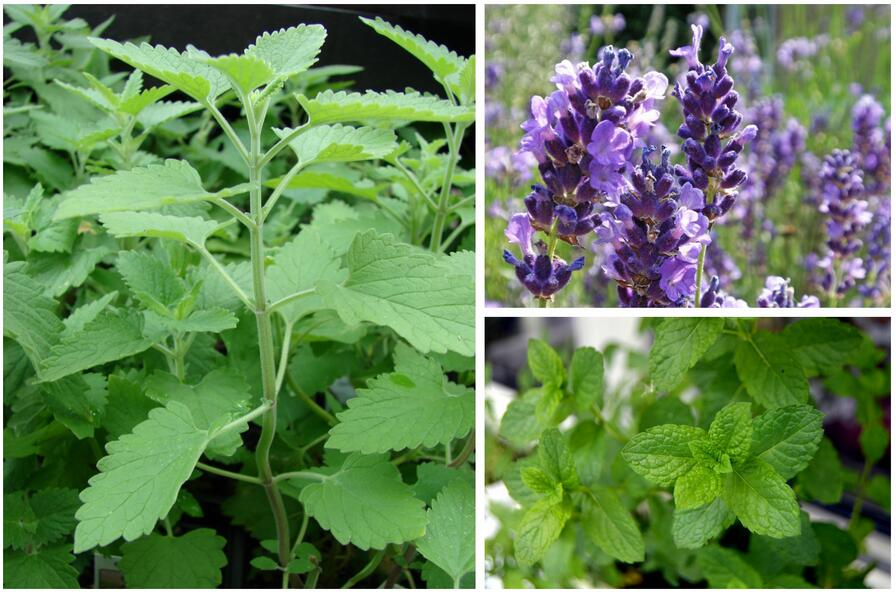
Epsom Salt for Gardening and Plant Care
1. Nourishes and Strengthens Plants
Adding Epsom salt to soil or plant fertilizers can provide plants with essential magnesium and sulfur nutrients for healthier growth and improved nutrient uptake. Magnesium is essential for chlorophyll production, which contributes to vibrant, green foliage.
2. Promotes Healthy Growth and Blooming
Epsom salt can encourage the growth of plants, enhance flowering, and improve overall plant health. The magnesium and sulfur in Epsom salt play vital roles in plant metabolism, photosynthesis, and the production of essential enzymes.
3. Controls Pests and Deters Slugs
Sprinkling Epsom salt around plants can help deter pests like slugs and snails, protecting the plants from damage. The abrasive texture of Epsom salt acts as a barrier, making it difficult for pests to crawl over and feed on plants.
4. Enhances Nutrient Absorption in Plants
When used in moderation, Epsom salt can improve the absorption of nutrients in plants, leading to healthier and more vibrant growth. The magnesium in Epsom salt aids in the uptake of essential nutrients, ensuring that plants receive the necessary elements for optimal development.
5. Enhances Seed Germination
Soaking seeds in a solution of Epsom salt and water can improve germination rates and promote healthier seedlings. The magnesium in Epsom salt supports the growth and development of young plants.
How to Use Epsom Salt
Epsom salt can be used in various ways to enjoy its benefits. Here are some common methods:
- Epsom Salt Baths and Foot Soaks: Add Epsom salt to warm bathwater or a foot basin and soak for 20-30 minutes to experience muscle relaxation and overall well-being. The recommended concentration is approximately 2 cups of Epsom salt per gallon of water.
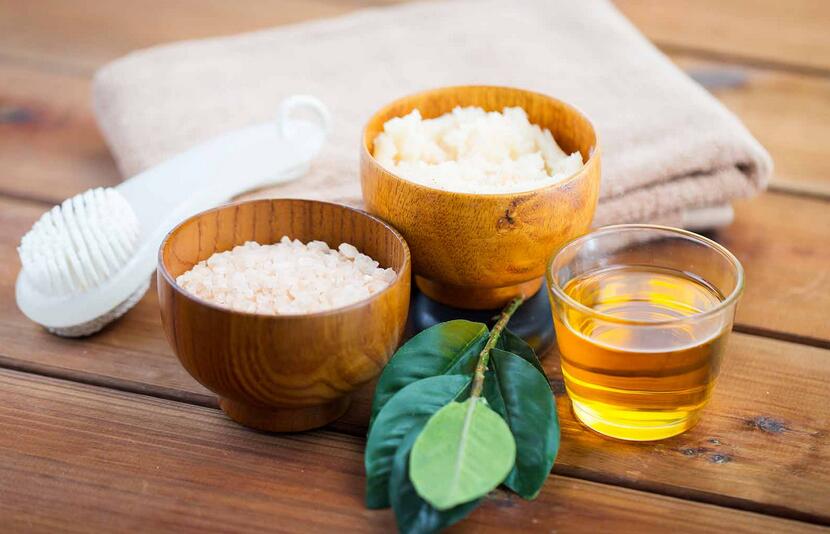
- Epsom Salt Scrubs and Exfoliants: Create a homemade scrub by combining Epsom salt with a carrier oil (such as olive or coconut oil) and gently massage onto the skin to exfoliate and soften. The abrasive texture of Epsom salt helps remove dead skin cells, revealing a smoother complexion.
- Epsom Salt Compresses and Poultices: Soak a cloth in a diluted Epsom salt solution and apply it to the affected area to reduce inflammation, soothe pain, or treat skin irritations. The compress can be used warm or cold, depending on the desired effect.
- Oral Consumption of Epsom Salt: Consuming Epsom salt orally should be done with caution and under proper guidance. It is important to consult with a healthcare professional or nutritionist before using Epsom salt as a laxative or dietary supplement. The recommended dosage for oral consumption varies depending on individual needs.
- Using Epsom Salt in Gardening and Plant Care: Follow recommended guidelines for adding Epsom salt to soil or fertilizers to nourish plants and promote healthy growth. The amount of Epsom salt to use depends on the size of the plant and the specific nutrient requirements. Consult with a gardening expert or refer to product instructions for proper usage.
- Foliar Spray for Plants: Mix Epsom salt with water and use it as a foliar spray, applying it directly to the leaves of plants. This method allows plants to absorb magnesium and sulfur through their foliage, promoting healthy growth and nutrient uptake.
Precautions and Considerations
While Epsom salt is generally safe for most individuals, it is important to keep the following precautions in mind:
- Recommended Dosage and Usage Guidelines: Use Epsom salt according to the recommended guidelines and consult with a healthcare professional or gardening expert for specific dosage recommendations. Keep in mind that excessive use of Epsom salt may lead to imbalances in magnesium and sulfur levels.
- Possible Side Effects and Contraindications: Individuals with certain health conditions, such as kidney problems or heart issues, should exercise caution when using Epsom salt. It is advisable to seek medical advice beforehand, especially if you have any underlying health concerns or are taking medications.
- Consultation with a Healthcare Professional Before Use: If you are pregnant, nursing, or have any underlying medical conditions, it is crucial to consult with a healthcare professional before using Epsom salt. They can provide personalized guidance and ensure that it is safe for you to incorporate Epsom salt into your wellness routine.
Conclusion
Epsom salt is truly a remarkable mineral that offers a multitude of benefits and uses for our health, wellness, beauty, and gardening needs. Incorporating Epsom salt into your daily routine can provide a natural and effective way to enhance your overall well-being.