Do you know that for centuries, garlic has been revered not just as a pungent culinary delight, but as a powerful medicinal marvel. From ancient Egyptian tombs to modern scientific labs, the humble garlic bulb has held a place of honor for its remarkable health-promoting properties. If you’ve ever wondered about the full spectrum of garlic benefits, you’re in for a treat.
This article will peel back the layers to reveal why this aromatic ingredient deserves a prominent spot in your diet, detailing its incredible advantages and potential downsides. Plus, we will also share the best ways to incorporate it into your daily routine.

What Is Garlic?
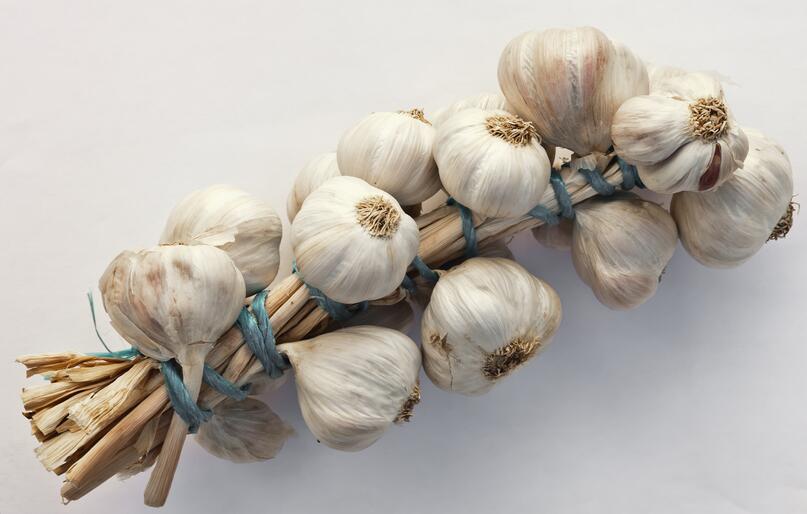
Garlic (Allium sativum) is a species in the onion genus, Allium, closely related to onions, shallots, leeks, and chives. Originally native to Central Asia, this bulbous plant has been cultivated for thousands of years and is now grown worldwide.
The garlic plant produces a bulb that consists of numerous sections called cloves, each encased in a papery skin. These cloves are the parts most commonly used in cooking and for medicinal purposes. When crushed or chopped, garlic releases allicin, the sulfur compound responsible for both its pungent aroma and many of its health benefits.
Garlic has played a significant role in human history. Ancient Egyptians gave garlic to laborers building the pyramids to increase their strength and endurance. In Ancient Greece, athletes consumed garlic before competitions. During both World Wars, garlic was used as an antiseptic for wounds and to prevent gangrene.
When raw, garlic has a strong, pungent flavor that can be quite sharp and spicy. Cooking mellows and sweetens its taste, developing complex, nutty, and savory notes that enhance countless dishes across world cuisines.
Nutritional Profile of Garlic
Here’s a look at the nutritional composition of 3 cloves (9g) of raw garlic:
| Nutrient | Amount per 9g |
|---|---|
| Calories | 13 kcal |
| Carbohydrates | 3g |
| Protein | 0.6g |
| Fat | 0.1g |
| Fiber | 0.2g |
| Sugar | 0.1g |
| Vitamin C | 2.8mg (3% DV) |
| Vitamin B6 | 0.1mg (6% DV) |
| Manganese | 0.1mg (6% DV) |
| Selenium | 1.3mcg (2% DV) |
| Calcium | 16.3mg (1% DV) |
| Copper | 0.03mg (3% DV) |
| Potassium | 36mg (1% DV) |
| Iron | 0.15mg (1% DV) |
| Allicin | Significant amounts |
| Sulfur compounds | Present |
| Water content | 65% |
Garlic is particularly rich in organosulfur compounds, including allicin, diallyl disulfide, and s-allyl cysteine. It also contains flavonoids, saponins, and enzymes that contribute to its medicinal properties. While it may not provide large amounts of any single nutrient, garlic’s unique bioactive compounds make it nutritionally valuable.

16 Amazing Garlic Benefits You Need to Know
Let’s explore the extensive list of health advantages that come with regular garlic consumption.
1. Boosts Immune System Function
One of the most widely recognized garlic benefits is its ability to bolster your body’s defenses. Garlic’s sulfur compounds stimulate various immune cells, such as lymphocytes and macrophages, and enhance their activity. It’s also known for its direct antimicrobial properties against a range of bacteria, viruses, and fungi.
Studies have shown that regular garlic intake can reduce the frequency and duration of common colds and flu. A study found that a daily garlic supplement reduced the number of colds by 63%, and the average length of cold symptoms was also significantly shorter. This makes garlic an excellent natural remedy to keep you feeling well, especially during cold and flu season.
2. Helps Lower High Blood Pressure (Hypertension)
Cardiovascular disease remains a leading health concern globally, and high blood pressure is a significant risk factor. Garlic has shown impressive potential in managing hypertension. Its active compounds, particularly allicin, can help relax and widen blood vessels, promoting smoother blood flow.
Research indicates that garlic supplements can be as effective as some blood pressure medications in individuals with hypertension . The effect is generally modest but significant for those looking for natural ways to support their blood pressure levels. This is a crucial aspect of garlic benefits for heart health.
3. Reduces Cholesterol Levels
Another significant advantage for your heart health is garlic’s ability to impact cholesterol. It primarily helps lower total and LDL (bad) cholesterol, while often having little to no effect on HDL (good) cholesterol.
The sulfur compounds in garlic are thought to inhibit the synthesis of cholesterol in the liver. A meta-analysis of multiple studies confirmed that garlic consumption can lead to a reduction in both total and LDL cholesterol, particularly in individuals with elevated levels . This makes garlic a valuable dietary addition for managing lipid profiles.

4. Contains Powerful Antioxidants
Garlic is a rich source of antioxidants, which play a critical role in protecting your cells from oxidative damage caused by free radicals. Oxidative damage contributes to aging and the development of chronic diseases like cancer and heart disease.
The antioxidants in garlic, including various sulfur compounds and flavonoids, neutralize free radicals, thereby reducing oxidative stress. This protective effect extends throughout the body, helping to maintain cellular health and function. Regular intake of garlic can enhance your body’s natural antioxidant defenses.
5. May Help Prevent Cancer
The anti-cancer properties of garlic are among its most extensively researched garlic benefits. Garlic’s sulfur compounds, such as diallyl sulfide and diallyl trisulfide, have been shown to inhibit cancer cell growth, induce programmed cell death (apoptosis) in cancer cells, and prevent the formation of carcinogens.
Epidemiological studies have linked high garlic consumption with a reduced risk of certain cancers, particularly those of the gastrointestinal tract, such as stomach, colon, and esophageal cancers.
6. Has Potent Anti-inflammatory Effects
Chronic inflammation is a silent culprit behind many modern diseases, including arthritis, heart disease, and metabolic syndrome. Garlic possesses strong anti-inflammatory properties, largely attributed to its sulfur compounds.
These compounds can inhibit the activity of pro-inflammatory enzymes and molecules in the body. By reducing inflammation, garlic helps alleviate pain and discomfort associated with inflammatory conditions and contributes to overall cellular health.
7. Improves Athletic Performance
Historically, ancient civilizations used garlic to enhance work capacity and reduce fatigue. The Greeks gave garlic to Olympic athletes, and Egyptians fed it to laborers. Modern science suggests there might be truth to these ancient practices.
Garlic may improve athletic performance by reducing exercise-induced fatigue and enhancing cardiovascular efficiency. It might also help increase nitric oxide production, which contributes to better blood flow and oxygen delivery to muscles. While the effects are modest, they add to the comprehensive list of garlic benefits.
8. Detoxifies Heavy Metals in the Body
In certain instances, garlic has been shown to protect against organ damage from heavy metal toxicity. The sulfur compounds in garlic can bind with heavy metals, such as lead, helping the body excrete them.
A study on employees of a car battery plant who had excessive lead exposure found that garlic supplementation significantly reduced lead levels in the blood and alleviated symptoms of toxicity. This detoxifying property highlights another remarkable aspect of garlic’s medicinal potential.

9. Improves Bone Health
While more research is needed, some evidence suggests that garlic may have beneficial effects on bone health, particularly in women. This is believed to be due to its ability to increase estrogen levels in women, which can help prevent bone loss.
One study found that daily intake of garlic extract significantly decreased a marker of estrogen deficiency in postmenopausal women . While not a standalone treatment, adding garlic to your diet could be a supportive measure for maintaining strong bones.
10. May Enhance Brain Function and Protect Against Cognitive Decline
The antioxidant and anti-inflammatory properties of garlic extend their protective effects to the brain. Oxidative damage and inflammation are implicated in the development of neurodegenerative diseases like Alzheimer’s and Parkinson’s.
By reducing oxidative stress and inflammation, garlic may help protect brain cells from damage and support cognitive function. The aged garlic extract, in particular, has been studied for its potential to improve memory and protect against age-related cognitive decline.
11. Potent Antibacterial and Antifungal Properties
Long before modern antibiotics, garlic was used as an effective treatment for infections. Its broad-spectrum antimicrobial activity is one of its most compelling garlic benefits. Allicin and other sulfur compounds in garlic can directly kill or inhibit the growth of various bacteria, including antibiotic-resistant strains like MRSA.
It’s also effective against numerous fungi, including Candida albicans, which causes yeast infections. This natural antibiotic power can be incredibly useful in supporting overall health and fighting off pathogens.
12. Helps Manage Blood Sugar Levels
For individuals with diabetes or those at risk, garlic may offer support in managing blood sugar. Some studies suggest that garlic can help lower fasting blood glucose levels and improve insulin sensitivity.
The mechanisms are thought to involve increasing insulin secretion and enhancing glucose utilization by cells. While it shouldn’t replace conventional diabetes treatment, incorporating garlic can be a beneficial dietary strategy to help regulate blood sugar.

13. Promotes Liver Health
The liver plays a crucial role in detoxification and metabolism. Garlic’s antioxidant and anti-inflammatory compounds can protect the liver from damage caused by toxins, alcohol, and certain medications.
It may also aid in the regeneration of liver cells and improve overall liver function. Some research points to garlic’s potential in combating non-alcoholic fatty liver disease (NAFLD) by reducing fat accumulation and inflammation in the liver.
14. Supports Gut Health
A healthy gut microbiome is fundamental to overall health. Garlic contains prebiotics, which are non-digestible fiber compounds that feed beneficial bacteria in your gut. This helps to foster a balanced and diverse gut flora.
Furthermore, its antimicrobial properties can help keep harmful bacteria, yeasts, and parasites in check within the digestive tract, promoting a healthier gut environment. This dual action contributes significantly to the often-underestimated garlic benefits for digestive wellness.
15. May Improve Male Reproductive Health
Emerging research suggests that garlic might have positive effects on male fertility. Its antioxidant properties can protect sperm from oxidative damage, which is a common cause of male infertility.
Some studies indicate that garlic may improve sperm count, motility, and viability. It’s also believed to enhance blood flow, which could positively impact erectile function. While more human studies are needed, these findings are promising.
16. Combats Hair Loss
Although less scientifically robust than other garlic benefits, anecdotal evidence and some preliminary studies suggest garlic can help with hair loss. Its sulfur content is believed to strengthen hair follicles, and its antimicrobial properties can help treat scalp infections that might contribute to hair loss.
Applying garlic-infused oil to the scalp is a traditional remedy, and some commercial hair products incorporate garlic extract. While not a guaranteed cure, it’s an interesting area for further exploration for those looking for natural hair growth solutions.

Potential Side Effects of Garlic
While the garlic benefits are numerous, it’s essential to be aware of potential side effects, especially when consumed in large quantities or in supplemental form.
Common Side Effects:
- Bad Breath (Halitosis): This is perhaps the most well-known side effect, caused by the sulfur compounds being absorbed into the bloodstream and released through the lungs.
- Body Odor: Similar to bad breath, these sulfur compounds can also be excreted through sweat glands, leading to a distinct garlic odor.
- Digestive Issues: Raw garlic, especially on an empty stomach, can cause heartburn, stomach upset, gas, nausea, and diarrhea in sensitive individuals.
- Allergic Reactions: Though rare, some people can be allergic to garlic, experiencing symptoms like skin rash, hives, difficulty breathing, or swelling.
- Acid Reflux/GERD: Garlic can relax the lower esophageal sphincter, potentially worsening symptoms of acid reflux.
Serious Side Effects (Less Common but Important):
- Increased Bleeding Risk: Garlic has anticoagulant properties, meaning it can thin the blood. This effect is generally mild but can be significant when combined with blood-thinning medications (like warfarin or aspirin) or before surgery. Always inform your doctor about garlic consumption if you are on such medications or scheduled for surgery.
- Drug Interactions: Beyond blood thinners, garlic can interact with certain medications, including anti-HIV drugs, cyclosporine (an immunosuppressant), and some anti-diabetic medications. Consult your doctor or pharmacist if you are taking any prescription medications.
- Hypotension (Low Blood Pressure): While beneficial for high blood pressure, excessive garlic intake could potentially lower blood pressure too much in individuals already prone to low blood pressure or taking blood pressure medication.
Important Note: Pregnant and breastfeeding women should consume garlic in moderation as a food, but high-dose supplements should be avoided due to insufficient safety data.

How to Incorporate Garlic into Your Diet?
Incorporating garlic into your diet can be both delicious and beneficial for your health. Here are various ways to enjoy garlic while maximizing its health benefits:
1. Raw Garlic
Raw garlic is known to provide the highest concentration of allicin, the active compound responsible for many of garlic’s health benefits.
How to Use:
- Minced in Dressings: Add minced raw garlic to salad dressings. Combine it with olive oil, vinegar, and herbs for a zesty flavor.
- Garlic Paste: Create a paste by crushing fresh garlic with a bit of salt. This can be spread on toast or used as a dip.
- Garlic in Smoothies: For the adventurous, try adding a small clove of raw garlic to smoothies. The sweetness of fruits can balance their pungent flavor.
2. Cooked Garlic
While cooking can reduce some of garlic’s health properties, it still retains many benefits when prepared correctly.
How to Use:
- Sautéing: Sauté chopped garlic in olive oil until golden brown before adding vegetables or proteins. This enhances flavor without losing too many nutrients if cooked at lower temperatures (below 140°F or 60°C).
- Roasting: Roasting whole bulbs of garlic softens their flavor and makes them spreadable. Simply cut the top off a bulb, drizzle with olive oil, wrap in foil, and roast until tender.
- Soups and Stews: Add crushed or chopped garlic towards the end of cooking soups and stews to preserve more of its beneficial compounds.
3. Garlic Oil
Garlic oil can be used as a flavorful cooking oil that retains many health benefits.
How to Use:
- Infused Oils: You can make your own garlic-infused oil by gently heating olive oil with crushed garlic. Use this oil for cooking or as a dressing.
- Dipping Oil: Combine garlic oil with balsamic vinegar for a delicious dipping sauce for bread.
- Massage Oil: For muscle soreness, consider using garlic oil as a topical treatment by massaging it into sore joints or muscles, thanks to its anti-inflammatory properties.
4. Garlic Supplements
If you find it difficult to consume enough garlic through food, supplements can be an effective alternative.
How to Use:
- Aged Garlic Extracts: These supplements are often more potent and easier on the stomach than raw garlic. They may offer similar health benefits without a strong odor.
- Consultation Recommended: Always consult a healthcare provider before starting any supplement regimen, especially if you are on medication.
5. Garlic in Cooking Techniques
To maximize the health benefits of garlic while cooking:
- Crush or Chop Before Cooking: Crushing or chopping activates alliinase, which converts alliin into allicin. Let it sit for about 10 minutes before cooking to allow this process to occur fully [2][8].
- Avoid High Heat Cooking: Cooking at high temperatures can destroy allicin and other beneficial compounds. Aim for gentle cooking methods like steaming or slow roasting.
6. Incorporating Garlic into Various Dishes
Here are some practical ideas for incorporating more garlic into your meals:
- Garlic Fried Rice: Sauté minced garlic in oil before adding cooked rice and vegetables for a flavorful dish.
- Pasta Dishes: Add minced or sliced garlic to pasta sauces for enhanced flavor and nutrition.
- Garlic Mashed Potatoes: Mix roasted or boiled garlic into mashed potatoes for a savory twist.
- Garlic Butter: Combine softened butter with minced garlic and herbs for a delicious spread on bread or as a topping for grilled meats.
7. Garlic Tea
For those looking for an alternative way to consume garlic, consider making garlic tea:
- Preparation: Boil water and steep crushed garlic cloves for about 10 minutes. Strain and add honey or lemon for flavor.
- Benefits: This tea can help soothe colds and respiratory issues while providing the benefits of garlic.
8. Using Garlic in Marinades
Garlic makes an excellent addition to marinades:
- Combine minced garlic with olive oil, lemon juice, herbs, and spices to marinate meats or vegetables before grilling or roasting.
- This not only enhances flavor but also infuses dishes with the health benefits associated with garlic.
9. In Baking
Interestingly, you can also incorporate garlic into baked goods:
- Savory Bread: Add roasted or sautéed garlic into bread dough for an aromatic loaf.
- Garlic Crackers: Make homemade crackers flavored with garlic powder or minced fresh garlic.
How Much Garlic Should You Consume Daily?
The appropriate amount of garlic varies based on individual health needs and conditions:
For General Health Maintenance:
- 1-2 fresh cloves daily (4-6g)
- Equivalent to approximately 300-1,000mg dried garlic powder
For Therapeutic Purposes:
- Studies showing cardiovascular benefits typically used 600-1,200mg of aged garlic extract daily
- Blood pressure benefits were observed with 600-900mg garlic powder daily
- Immune support may require 2-3 fresh cloves daily during cold/flu season
Maximum Safe Amount:
- Up to 5 cloves daily is generally considered safe for most healthy adults
- Higher amounts may increase the risk of digestive discomfort and other side effects
FAQs
1. Is garlic safe during pregnancy?
Culinary amounts of garlic (1-2 cloves daily) are generally considered safe during pregnancy and may even help with certain pregnancy-related issues like high blood pressure. However, medicinal doses or supplements should be avoided without medical supervision, as concentrated garlic might stimulate uterine contractions.
2. Is black garlic more beneficial than regular garlic?
Black garlic is regular garlic that has been fermented under controlled heat and humidity. This process reduces the pungent flavor and odor while increasing certain antioxidant compounds and making it more digestible. While it contains less allicin than fresh garlic, black garlic has higher concentrations of S-allylcysteine and flavonoids, offering complementary but different benefits.
3. Can garlic help with athlete’s foot or other fungal infections?
Garlic does have antifungal properties, and some studies suggest it may be effective against certain fungal infections, including athlete’s foot. However, direct application of raw garlic to skin can cause burns and irritation. Diluted garlic oil preparations or commercial garlic-based antifungal products are safer options. Always consult a healthcare provider for persistent fungal infections.
4. Can children consume garlic?
Yes, children can safely consume food with garlic in moderate amounts. However, medicinal doses are not recommended for young children. Introduce garlic gradually, as children may find the strong flavor overwhelming. Garlic should not be given to infants under 12 months.
5. Is garlic good for hair growth?
Some evidence suggests that garlic may support hair health. Its antimicrobial properties can help maintain a healthy scalp, while its circulation-boosting effects may improve blood flow to hair follicles. Some people apply garlic-infused oils directly to the scalp, though scientific evidence for direct hair growth stimulation is limited.