How to get rid of fruit flies? Everybody wants a clean and safe environment, especially in the kitchen and household. But there are always some annoying bugs to destroy all this, especially fruit flies. These irritating flies fly into your kitchen and ruin your fruits before you taste them.
Although a fruit fly only lives 8 to 15 days, an adult female fruit fly can lay up to 2,000 eggs at one time. Their eggs can grow up quickly and are ready to mate within 2 days. After hatching, the larvae will have a full meal and grow into mature adults. You will find fruit flies everywhere in a short time. Therefore, once you find the first fruit fly, you must act as soon as possible.
How do fruit flies affect your health? According to new research, fruit flies carry many bacteria, including E. coli, listeria, and salmonella. The germs will also be transferred when they fly from a dirty surface onto fresh foods. Additionally, Female fruit flies will inject their eggs into fresh fruit after mating. These contaminated fruits can lead to food poisoning and even some life-threatening diseases.
Luckily, you don’t have to be worried anymore. Below are some effective remedies that you can use to get rid of the fruitflies at home. Some of these remedies are household remedies, and some require money. But these all are worth a try.
Where do fruit flies come from?
To get rid of fruit flies, you need to know where these bugs come from and what causes the fruit to fly. According to the study, fruit flies are easily attracted to rotting, ripe, or decayed fruit.
Fruits and vegetables often attract them, including apples, melons, tomatoes, bananas, rotten onions, potatoes, etc. In addition, some fermented foods such as beer, liquor, and wine can also breed fruit flies.
Fruit flies don’t like a clean environment, so please keep the kitchen and countertops as clean as possible. Remove all food residues from the sewer and its surroundings, and dry the water, juice, or alcohol on the ground. Store fruits and vegetables in the refrigerator, and throw away rotten vegetables and fruits.
Wash the produce with clean water immediately after arriving home to remove any potential eggs or larvae. Clean up the rubbish regularly and use detergent to disinfect the area. In some cases, these methods are sufficient to eliminate fruit flies in the house.
10 Easy Ways To Get Rid Of Fruit Flies Naturally
There are some simple ways to get rid of fruit flies effectively.
1. Apple Cider Vinegar Wrap
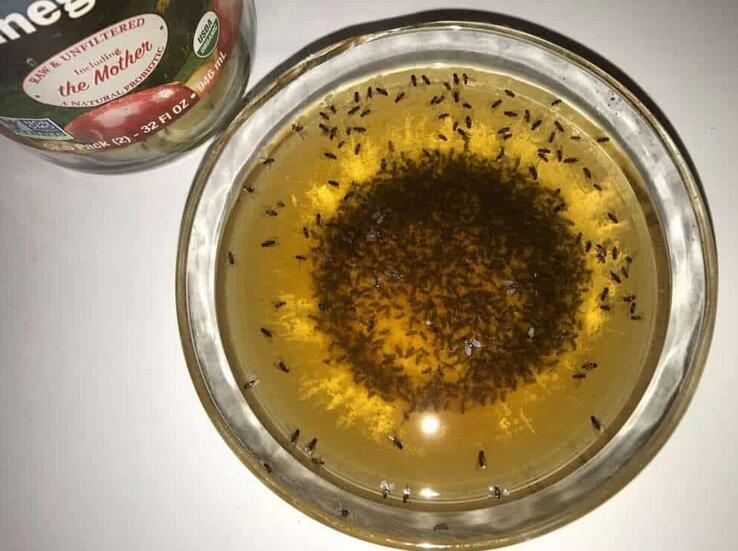
Apple Cider Vinegar is a very effective way to eliminate fruit flies. They can’t resist its smell and love to dive into it. So you can use Apple Cider Vinegar as bait.
Cover a glass filled with apple cider vinegar with transparent plastic wrap. The glass does not have to be complete. It can either be half or one-fourth. Then use a rubber band to seal the edges.
Poke some tiny holes in the wrap so the flies can get in. The fruit flies will be attracted to the apple cider vinegar. Once they are inside, they won’t be able to get out. Eventually, they’ll be trapped inside. You can place these traps in different corners of your kitchen for a better result.
2. Vinegar and Dish Soap
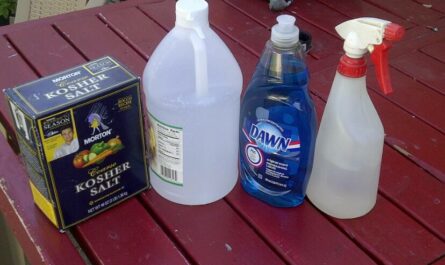
In addition to apple cider vinegar, dish soap can be used as bait and become a trap to eliminate fruit flies. Just take a bowl and add dish soap to the bowl. Then mix it with vinegar and stir it well.
The fruitflies cannot resist the smell of vinegar and will eventually come to taste it. As soon as the flies touch the surface of the liquid, they won’t be able to hold themselves and drown dead in the solution.
3. Wine or Beer Bottle
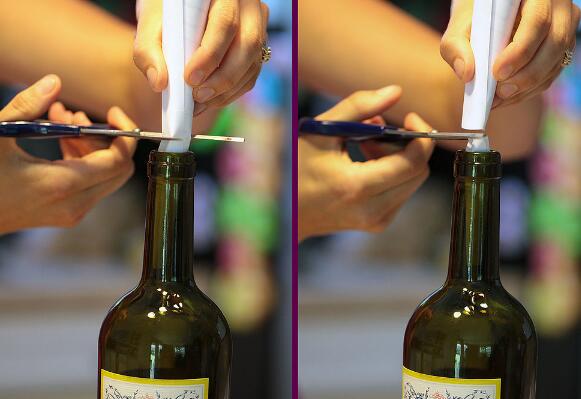
One more thing which fruitflies love is the smell of wine or beer. Fruitflies would never resist open wine bottles and will dive in. The older the wine, the better.
Take an old beer or wine bottle, remove the cap, and place it on your kitchen counter. The fruitflies will be attracted to the inside of the bottle. The bottle’s narrow neck will act as a barrier to trap them in the bottle. Note that the older the wine, the better.
4. Rotten fruit
Did you know rotten fruit can also be used as a trap for fruit flies?
If you find rotten fruit in the kitchen, don’t throw it away immediately. You can put it in a disposable container and cover it with plastic wrap. Then poke some small holes in the plastic wrap and place them where the fruit flies gather.
Drosophila will enter the container through the small hole when attracted. At this time, you can throw them out of the room along with the rotten fruit. Repeat this process until all fruit flies are eliminated.
5. Candle and Water Trap
This is another method to get rid of fruit flies that is easy and effective.
First, light a candle on your kitchen counter or table where you place fruits. Then place a bowl of water on the candle. Make sure not to open the windows or doors to let the light in. Finally, switch off all the lights, as this method will only work in darkness.
When the flies can not see in the dark, they will find the only light source in the room will be a candle. Fruit flies will fly to the candle and burn their wings. Those who might not get burned will fall into the water and die. This method is slow but effective and easy.
6. Use Sticky Traps
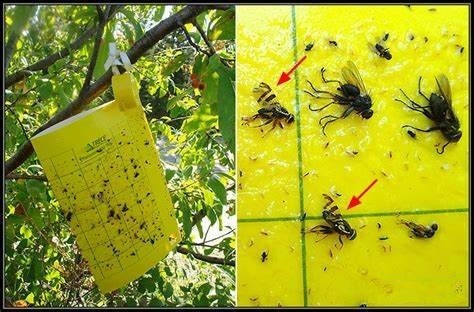
Sticky traps are proven effective methods to get rid of fruitflies. These sticky traps are readily available in the market. The trap’s surface is sticky; once it sticks to the fruit flies, it is difficult for them to leave.
You can place them where fruit often flies land. Once fruit flies land on it, it is difficult for them to escape.
7. Homemade Non-toxic sprays
Homemade Non-toxic sprays are one of the easiest and most effective methods to kill fruit flies. And it won’t even affect your kitchen.
Add a few drops of rosemary, peppermint, or lemongrass oil in 2 cups of water. Mix well and spray it on the fly-infested places. This DIY spray can be used outdoors or indoors. It is non-toxic to humans but can be allergic to cats and dogs. You should use it wisely to avoid harm to your pet.
8. Product for fruitflies
Some chemicals available in the market can help you eliminate fruit flies. For instance, Aunt Flannie’s FlyPunch is a non-toxic fruitfly trap that traps and kills flies. You need to place it in a suitable corner of your kitchen.
Furthermore, Fruitfly Bar Pro is a non-toxic fly killer that provides 4 months of protection from fruitflies. You can use it indoors and as well as outdoors. In addition, there are some more products like these available online or in stores. Make sure to try these if you’re tired of household remedies.
9. Hire a Pest Exterminator
Although this method is very effective, it is also expensive. In addition, the chemicals used to remove fruit flies can also let your pets get an adverse reaction.
The average cost of hiring an exterminator is $200 – $1,000. They can clean the house property, fumigate, and apply pesticides to the home’s perimeter. If the fruit flies return after treatment, they usually treat your home again for free.
10. Using Machines
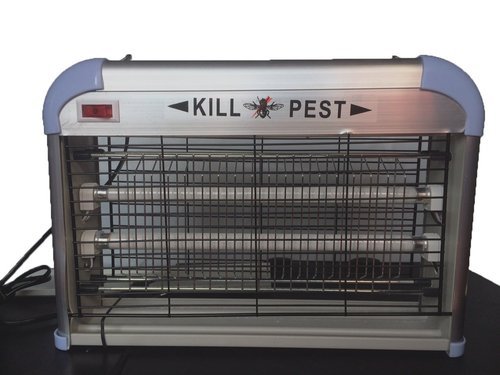
Sometimes, people opt for an exterminator, but the results are not guaranteed to be effective and permanent. Insect killer machines may allow you to eliminate fruit flies quickly.
There are a bunch of machines available online and in electronic stores. These machines will kill all the flying insects around your house or kitchen by attracting them with the lights.
How to Prevent Fruit Flies in the Future?
How to make sure the fruit flies don’t return? Here are some best ways to prevent fruit flies in the future.
1. Find the source
The first thing to do to get rid of these pesky flies is to find their source. They usually breed on rotting fruit or vegetables in the kitchen. You should look carefully for anything they can lay eggs on.
You need to throw away the rotten food and clean the area thoroughly. In addition, you can disinfect the area with a cleaning agent. In some cases, these measures are enough to help you get rid of these flies.
2. Dry Up The Damps
Damp places will easily attract fruit flies. Especially in winter, as they become thirsty and need water. This is why fruit flies are found near sinks and toilets.
To prevent fruit flies, you need to keep the house dry. Do not splash water on the table or floor when you wash the dishes. If water is on the ground, wipe it dry with a mop.
In addition, fruits usually contain a lot of water, which is why they attract fruit flies. Put the fresh fruits you bought in the refrigerator after they are dried.
3. Clean the trash regularly
Usually, when you inspect where the flies are taking birth, you’ll find the garbage and trash as the initial source.
Fruit flies usually lay their eggs in the trash can, so they must be cleaned up quickly. After throwing out the trash, wipe the trash can with a cleaning agent such as bleach.
4. Wash All The Produces
The usual attitude of a buyer is to buy fruits or vegetables, take them home, and place them on the kitchen counter.
Some agricultural products bought on the market contain fruit fly eggs and larvae. You will take them into your house after purchase. Therefore, you must wash the produce with clean water immediately after arriving home to remove any potential eggs or larvae.
5. Throw away rotten fruits and vegetables
If it is not used as bait, you must throw away rotten fruits and vegetables immediately. Removing their “home” is sometimes enough to eliminate fruit flies.
6. Keep The Cans Covered
Prepare some bowls, cans, or bottles that can be covered. Put leftover meals or bread inside and protect them. This can effectively prevent fruit flies.
7. Change Expired Soil
Some plants may be near the window, kitchen, or living room. The old soil will affect plants’ growth and attract many harmful insects, including fruit flies. So you must change the soil frequently to keep fruit flies away from your house.
8. Check your purchases thoroughly
When purchasing a new product, check thoroughly to ensure there are no cracks or gaps that could harbor fruit flies. Wash and dry as soon as you get home to remove eggs on food surfaces. This can effectively help you prevent future fruit fly infestations.
How long does it take to get rid of fruit flies?
Unfortunately, there is no definitive answer to this question. It depends on several factors, including the size of your infestation, the level of sanitation in your home, and the effectiveness of your chosen control method.
If you have a small infestation, you may be able to get rid of the fruit flies relatively quickly, within a week or two. However, if you have a larger infestation, it may take several weeks or even months to completely eliminate them.
Additionally, if you don’t take measures to eliminate their food sources, they may continue to breed, and you’ll have a recurring problem.
Will citronella oil or bug spray work to kill fruit flies?
Yes, bug spray and citronella oil can work to kill fruit flies. Bug spray is typically effective at killing insects, including fruit flies. However, you will need to be careful when using it, as it can also be harmful to humans if inhaled or ingested.
Citronella oil is another option that can be used to kill fruit flies. It is generally considered safer than bug spray, but it may not be as effective.
In addition, it is important to note that these products may only be effective for a short period of time. If you are dealing with a large infestation, you may need to reapply these products more frequently.
Conclusion
These methods can effectively help you get rid of fruit flies. But you must know that once fruit flies appear in the house, it may take days to weeks to eliminate them. You can try to use multiple methods together to speed up the process.