How to get rid of razor bumps? Razor bumps are also known as razor burn, bikini bumps, or pseudofolliculitis barbae. It is usually caused by wrong shaving operations or improper tools.
When the hair is cut and exits the follicle on the skin, they tend to curve back and reenter the skin in another place. This will irritate your skin and cause inflammation of the hair follicles. At this time, you may notice red, unsightly, painful bumps on the skin.
Fortunately, there are simple steps to reduce the risk of razor bumps and keep your skin looking smooth and healthy. Whether you’re using a disposable or electric razor, these tips will help eliminate razor bumps and keep them from returning.
With the right tools and patience, you can have smooth and bump-free skin in no time. This article will discuss the top 10 home remedies to eliminate razor bumps.
Symptoms of Razor bumps
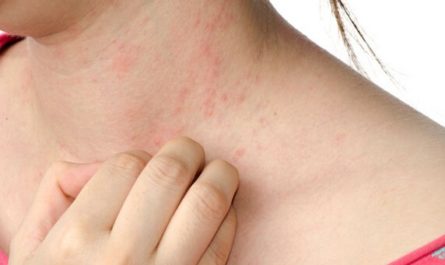
Razor bumps look like pimples. These ingrown hairs often appear as small, red, and unsightly bumps on the skin. They are often inflammation and lead to swelling, itch, or pain. If some harmful products touch the bumps, they may become more swollen. Over time, these minor shaving bumps can cause irritation and even permanent scar.
Here are common symptoms of razor bumps:
- Raised Bumps: One of the most common symptoms of razor bumps is raised bumps on the skin. These bumps can be red and look like small pimples. They can be itchy and sore and appear in clusters.
- Ingrown Hairs: Ingrown hairs are also a symptom of razor bumps. These hairs have curved back into the skin and become trapped under the surface. Ingrown hairs are often accompanied by irritation, redness, and swelling.
- Razor Burn: Razor burn is another common symptom of razor bumps. Razor burn is a red, raised rash caused by irritation from the razor. It is often itchy and can be painful.
- Bacterial Infection: If razor bumps are not treated, they can lead to a bacterial infection. Signs of a bacterial infection include increased redness, swelling, pain, and pus–filled bumps.
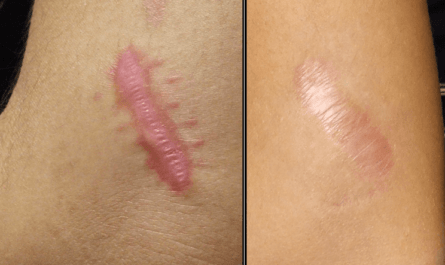
- Scarring: If razor bumps are not treated, they can cause permanent scarring on the skin. Scarring can vary in severity, ranging from slight skin discoloration to deep indentations.
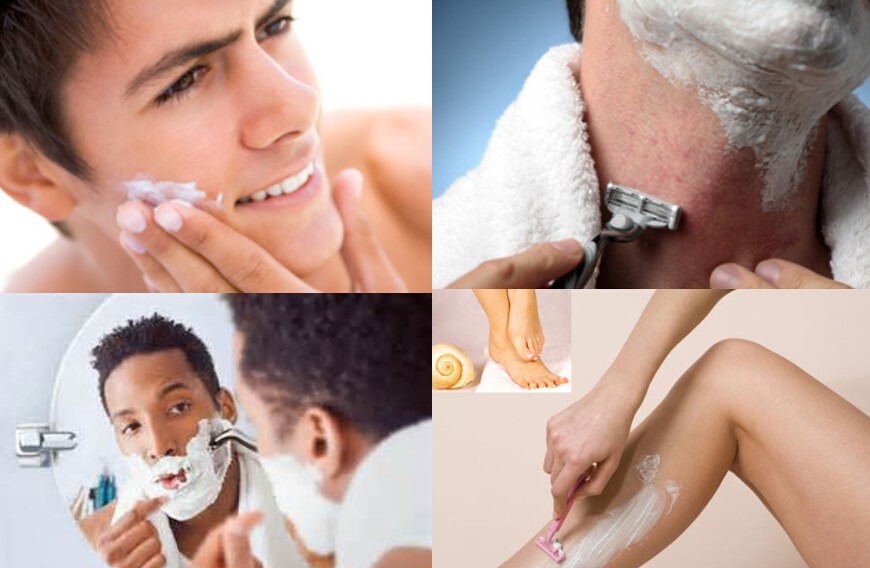
What Causes Razor Bumps?
1. Improper Shaving: Razor bumps can be caused by improper shaving techniques, by shaving too close to the skin or against the grain. This can lead to friction, razor burn, and ingrown hairs.
2. Dull Blades: Using a dull blade can increase the chances of razor bumps because it can cause you to drag the razor too hard against the skin and cause irritation.
3. Inadequate Lubrication: Not enough lubrication when shaving can cause razor bumps because the skin can become dry and irritated.
4. Poor Skin Care Practices: Not taking proper care of your skin before and after shaving can increase the likelihood of razor bumps. This includes not using a moisturizer, using too many skin–care products, or using products with harsh chemicals.
5. Hair Texture: Coarse, thick, or curly hair is more likely to become ingrown or trapped in the skin after shaving, leading to razor bumps.
6. Genetics: Some people are more prone to razor bumps due to their genetic makeup.
7. Ingrown Hairs: Ingrown hairs occur when hair grows back into the skin instead of up and out. This can lead to inflammation, redness, and razor bumps.
Top 10 Home Remedies to Get Rid of Nasty Razor Bumps Fast
Although you can undergo laser hair treatment to remove unwanted hair from your skin, this will effectively prevent hair growth and the formation of bumps. There are various effective home remedies that you can do instead.
Moisturize Your Skin With Aloe Vera
Aloe Vera is an effective remedy for skin problems such as sunburns, eczema, psoriasis, and razor bumps. Due to its magical effects, Egyptians often call it the ‘plant of immortality.
Aloe Vera contains many amino acids, minerals, vitamins, and antioxidants. The salicylic acid in Aloe Vera Gel can moisturize your skin and against infection.
Aloe vera gel contains auxin and gibberellins that have anti-inflammatory and antibacterial properties. They can reduce inflammation and help wounds heal. The cooling sensation of Aloe vera gel can help soothe the irritation and redness of the skin.
In addition, aloe vera can stimulate skin cells to produce more collagen. This will boost the healing process and make your skin elastic and healthy.
- Slice a bit of the Aloe Vera leaf and get the inner gel.
- Apply the gel directly to the affected area.
- Leave it on until the gel dries completely. This will allow the Aloe Vera to be absorbed by the skin.
- Rinse the affected area with cool water.
- Repeat this process 3 or 4 times daily until your skin recovers from razor bumps.
Relieve Swelling With Honey
Many people know how effective honey is as a home remedy, but do you know that this can be used on the skin to treat razor bumps? Honey contains preservatives that can prevent the growth of bacteria on your skin and help heal the shaving rash. In addition, The anti-inflammatory qualities of honey can help relieve swelling and infections.
- Apply raw and organic honey to the affected area of your skin.
- Let the honey become absorbed by the skin. It may take about 5-10 minutes.
- Wash the area after so it will not feel sticky.
- Pat dry with a clean towel.
The best thing about honey is that it can be used for skin issues other than razor bumps. For example, this can also whiten your dark eye bags. You can also apply honey as a natural moisturizer to your skin.
Cool Your Skin With Baby Powder
Are you surprised that baby powder is a part of this list? This is the best option if you do not have aftershave and are afraid you will develop razor burns.
Baby powder has cooling properties that can help relieve irritation, inflammation, swelling, irritation, and smooth skin. In addition, it can make you smell great and soften your skin.
- Sprinkle a little bit of baby powder on the problem area.
- Rub the baby powder gently on the affected area.
- Leave it on your skin.
- You can re-apply it if you feel the need to do so.
Some people do not think this is too effective, but if your razor burns are not too severe, this can already provide the relief you need.
Coconut Oil
Who does not know what coconut oil can do? Coconut oil is beneficial for your needs. This is used to treat many things, including shaving bumps on your skin.
This can be effective in moisturizing your skin. It can also reduce bacteria and relieve rashes. At the same time, it will leave a gentle smell pleasing to most people.
- You can add sugar to the coconut oil you have prepared. The amounts you will use will depend on how much you need.
- Mix the coconut oil and the sugar.
- Apply this on the affected area of your skin and scrub gently in circular motions.
- Leave on the skin for about 10 – 15 minutes.
- Rinse with water and pat dries the area.
If you think the scrub will irritate your skin, skip the sugar and apply coconut oil directly to the affected area. Virgin coconut oil is the best option for most people. Check reviews of the different coconut oil brands available before making a choice.
Hydrate Your Skin With Cucumber
What do you usually use cucumber for? People would generally include this in their salad because of its refreshing taste, but if you want to maximize the use of cucumbers at home, use it to relieve your razor bumps. The cucumber has healing properties and will soothe and hydrate your skin effectively.
- Chill the cucumber in the refrigerator first.
- Once you are sure it is cool enough, apply it to the affected area of your skin.
- You will feel relief from applying the cucumber to your skin effectively.
If you want to make it more effective, you can also do this remedy:
- You can mash the cucumber first so that it will be mushy.
- Mix with milk.
- Apply this mixture to the affected area where the razor bumps are.
- Leave on the skin for 15 – 20 minutes.
- Rinse with cool water afterward.
Do not forget that cucumbers can effectively remove undereye circles and inflamed lids.
Witch Hazel
Are you familiar with this home remedy? Witch Hazel is a natural antiseptic. The extract from the Witch Hazel plant contains antibacterial and astringent properties that have been used to reduce skin inflammation for centuries.
- If you have sensitive skin, you cannot apply Witch Hazel on its own on your skin. This can cause skin irritation.
- You can dilute it with water before applying it to the affected skin area.
- Apply this to your skin with a cotton ball or a cotton swab.
- Leave it on the skin to dry.
Witch Hazel is also a known remedy that can help eliminate your bruises if you get hit by a solid object. You can also apply it to your blemishes to make your skin smoother and softer.
Baking Soda
Many households always have baking soda as one of the main items found in various parts of the home. This can be used as a cleaning agent, and it can be used in the kitchen.
This is an effective remedy to remove the razor b from your skin immediately. It has anti-inflammatory properties that can help relieve itching and pain.
- Add water and baking soda together. It should be composed of ¾ baking soda and ¼ water.
- Spread the paste you have created over the area affected by razor bumps.
- Leave on the skin for a few minutes until it dries.
- Rinse off the skin and pat dry with a clean cloth.
You can also use Baking soda for a lot of other things. You can use it to help eliminate health conditions that are not related to the skin at all.
A Cold Compress or Hot Compress
When do you usually use hot compresses? You may use it whenever you would like to get rid of inflammation. A hot compress can also quickly get rid of your shaving bumps. The hot compress can open up your skin pores and reduce the risk of razor bumps.
- Dip a clean towel in warm to hot water.
- Allow the temperature to be just warm enough to give you relief. If you make it too hot, you may end up burning yourself.
- Place the cloth on the affected area every few minutes or so.
- You need to re-warm the towel whenever you need to do so.
You can heat it and use it if you have a heating pad. Apply on the area afflicted with razor bumps, and you will see the razor bumps go away.
Like the hot compress, a cold compress can help relieve itchiness, irritation, swelling, and skin inflammation. It can also help improve blood circulation.
- Clean your skin with mild soap and wrap ice in a thin cloth.
- Apply the wrapped ice on the bumps and wait for 10-30 seconds.
- Do not apply the ice directly on the skin; otherwise, it may harm the skin.
Apple Cider Vinegar
Many people know ACV is one of the most popular home remedies. You can use it for various purposes, but this is popularly known to help eliminate unsightly and irritating razor bumps.
Apple cider vinegar has an antiseptic and antifungal agent that can help relieve swelling, itching, inflammation, and pain. The acidic property of ACV can prevent bacteria and reduce the risk of infection. In addition, ACV can help remove dead skin cells and repair damaged skin.
- Use a cotton ball and dip it in ACV.
- Make sure you apply the ACV evenly on the affected portion of your skin.
- Wait for the area to dry.
- You will realize that the razor bumps will heal faster after the application of ACV.
ACV can also prevent the onset of infection that may occur when you scratch the razor bumps because of the itch. You may unknowingly spread bacteria that will cause the area to become more inflamed.
Apply Tea Tree Oil
Tea tree oil comes from the Tea Tree leaf and is a very effective home remedy for removing all types of inflammations and infections on the skin. It is very effective in treating razor bumps.
It has antibiotic and astringent properties that help prevent bacteria, remove dead skin cells, tighten skin pores, moisturize skin, and alleviate skin irritation from shaving. As a natural antiseptic and antibiotic, it can treat razor-related injuries effectively.
- Mix 3-4 drops of tea tree essential oil with ½ cup water.
- Dip a cotton ball in the mixture you have created.
- Apply directly to your skin.
- Rinse your face after 20 to 25 minutes. You can do this twice a day for quick results.
- If you want to target many areas with razor bumps simultaneously, you can add tea tree oil to your bathwater.
Note: You need to dilute tea tree oil with water as it tends to be too strong when used on its own.
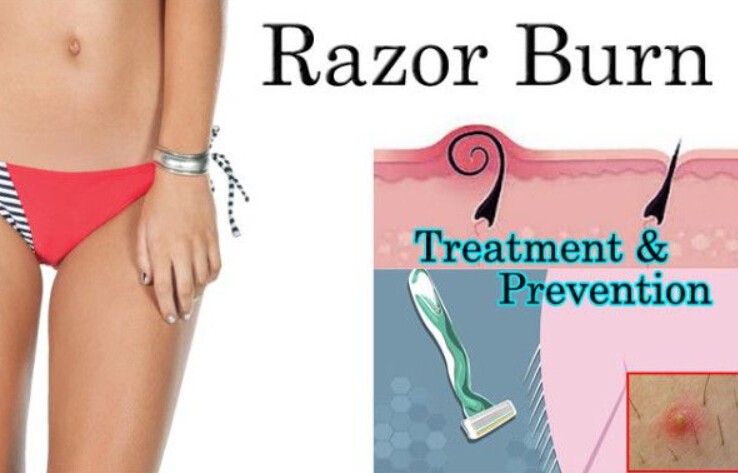
Other Solutions to Remove Razor Bumps Fast
In addition to the above natural remedies, you can use several effective OTC and prescription medications to manage shaving rash or ingrown hair problems.
First, you need to know that long-term OTC skincare products may cause allergic reactions or other side effects in some people, so it is best to consult your dermatologist before using and choosing the product that suits your skin type.
1. Ethanol cream
Glycol cream can effectively eliminate pigmentation and scars. It is one of the most commonly used remedies to remove skin irritations and bumps caused by shaving.
Glycolic acid in Glycol cream may not be suitable for sensitive skin because it can remove the epidermis and cause the skin to dry, spell, or even scar.
2. Alum block
Alum blocks have antiseptic and anticoagulant properties that can heal wounds and inflammation. It can also cool and soothe skin irritation.
Wash the shaved area with warm water and gently wipe the skin with alum for a few minutes.
3. Aspirin cream
Aspirin creams are among the best ways to treat skin lumps and rashes.
The salicylic acid in aspirin cream can help open up clogged pores and remove dead skin cells.
Crush two aspirin pills and make them form a thin paste. Apply the paste directly on the razor bumps, wait 10 minutes, and wash it off with warm water.
4. Hydrocortisone cream
Hydrocortisone cream is an over-the-counter product for bumps, psoriasis, rash, itch, and eczema. It can also help reduce skin irritation and inflammation. In addition, Hydrocortisone cream also has the function of hemostasis.
You can use 1% hydrocortisone cream to remove razor bumps and shaving rash.
5. Antibacterial cream
Antibacterial creams such as bacitracin, Neosporin, Polysporin, Polymixin B, Neomycin, and Bacitracin can be used to treat skin inflammation caused by razors and rashes.
How to Prevent Razor Bumps?
Prevention is the best solution. These are some things you can do to prevent razor bumps from occurring:
- Only use sharp razors so that they can shave as close as possible without hurting your skin. A dull blade will pull and irritate the skin, which will cause redness, itching, and uneven hair growth.
- Old, dirty, dull blades are more likely to cause cuts and skin irritation. If you use disposable blades, change them regularly when you feel they aren’t sharp.
- Make sure to wash the blade with hot water before shaving. This can help remove impurities and bacteria.
- Wash and dry your blades after you use them. This can help prevent rust and extend its service life.
- Always shave toward the direction in which your hair grows. This will make shaving more even and consistent. Avoid going against the law of hair growth or stretching your skin to shave.
- Warm your skin with a wet hot washcloth before you shave, which can help soften your skin.
- When shaving, apply shaving cream or oil on the skin. This can help soften and moisten your skin.
- Apply a moisturizer to prevent irritating red bumps after shaving. You can also apply coconut oil, lotion, or oil to get a close shave and moisturize the skin.
- Maintain patience and avoid quick shaving, which can easily lead to razor bumps on bleeding.
- Avoid shaving every day unless the hair constantly grows on your face. Constant shaving will irritate the skin and lead to ingrown hair. You can shave every 2-3 days instead of daily.