
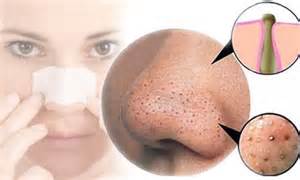
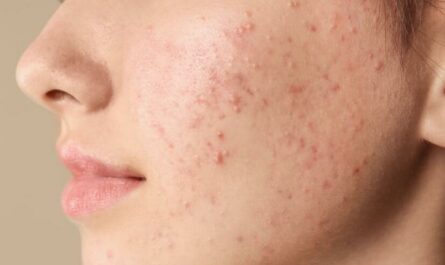
Whiteheads are a common type of acne that can appear on the face, particularly on the nose and chin. They occur when pores become clogged with oil, dead skin cells, and bacteria. While they are not usually painful or inflamed like other types of acne, they can be unsightly and bothersome.
Fortunately, there are several ways to get rid of whiteheads. In this guide, we’ll explore 16 home remedies that can help you say goodbye to whiteheads for good. From kitchen staples like baking soda to soothing botanicals like tea tree oil, these remedies are not only effective but also kind to your skin and your wallet!
Causes of Whiteheads On Nose and Chin
Some common causes of whiteheads on the nose and chin include:
- Excessive Oil Production: Excess oil production can clog the hair follicles on the skin, leading to whiteheads.
- Hormonal Changes: Hormonal fluctuations during puberty, menstruation, pregnancy, and menopause can increase oil production and lead to the formation of whiteheads.
- Poor Skin Hygiene: Not cleansing the face regularly can lead to a buildup of oil and dirt on the skin, increasing the risk of whiteheads.
- Diet: Consuming a diet high in sugar, refined carbohydrates, and dairy products can trigger acne, including whiteheads.
- Medications: Certain medications, such as steroids and birth control pills. This can disrupt hormonal balance and contribute to the formation of whiteheads.
- Genetics: Some people may be more prone to developing acne, including whiteheads, due to their genetics.
16 Home Remedies to Get Rid of Whiteheads Fast
While there are various skin products you can purchase from stores that will help get rid of whiteheads and blackheads, some home remedies can be done to get rid of whiteheads using the products you have at home.
1. Baking Soda: A Gentle Exfoliant
Baking soda is a true multi-tasker when it comes to skincare. Its gentle abrasive properties make it an excellent exfoliant, helping to slough off dead skin cells and unclog pores – a key step in preventing and treating whiteheads.
- Mix 1 teaspoon of baking soda with a few drops of water to form a paste.
- Gently massage the paste onto damp skin using circular motions, focusing on areas prone to whiteheads.
- Rinse thoroughly with warm water and pat dry.
Note: Baking soda can be a bit drying, so be sure to follow up with a moisturizer after using this remedy.
2. Tea Tree Oil: Nature’s Blemish Buster
Tea tree oil is a powerhouse when it comes to fighting whiteheads and other blemishes. Thanks to its potent antibacterial and anti-inflammatory properties, it can help dry out whiteheads and prevent future breakouts.
- Dilute a few drops of tea tree oil with a carrier oil like jojoba or coconut oil.
- Dab the mixture directly onto whiteheads using a clean cotton ball or Q-tip.
- Leave on for 10-15 minutes, then rinse with cool water.
Note: Tea tree oil can be quite strong, so it’s important to dilute it before applying it to your skin. If you experience any irritation or redness, discontinue use immediately.
3. Apple Cider Vinegar: A Pore-Purifying Toner
Apple cider vinegar is a natural astringent that can help unclog pores and restore your skin’s pH balance – both essential for keeping whiteheads at bay.
- Mix 1 part raw, unfiltered apple cider vinegar with 3 parts water.
- Using a clean cotton ball, gently swipe the mixture over your face after cleansing.
- Rinse with cool water and follow with a moisturizer.
The strong scent of apple cider vinegar can be off-putting to some, but it’s a small price to pay for clear, whitehead-free skin!
4. Honey: A Sweet Solution for Whiteheads
Honey is a natural humectant, meaning it helps lock in moisture while also boasting antibacterial and anti-inflammatory properties. This makes it an excellent remedy for drying out whiteheads without stripping your skin.
- Apply a thin layer of raw, unprocessed honey directly onto whiteheads and the surrounding area.
- Leave on for 15-20 minutes, then rinse with warm water.
- Follow up with a gentle, non-comedogenic moisturizer.
Note: Honey is a gentle, soothing remedy that can be used regularly to help keep whiteheads at bay. Just be sure to use raw, unprocessed honey for maximum benefits.
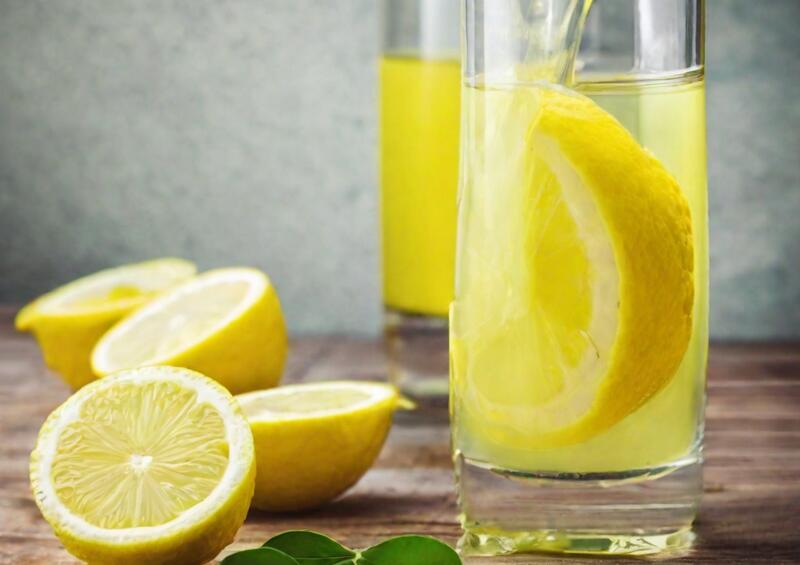
5. Lemon Juice: A Citrus Spot Treatment
The citric acid in lemon juice acts as a natural astringent and exfoliant, helping to dry out whiteheads and slough off dead skin cells.
- Dilute fresh lemon juice with an equal amount of water.
- Dab the mixture onto whiteheads using a clean cotton ball or Q-tip.
- Leave on for 5-10 minutes, then rinse with cool water.
Lemon juice can be drying, so it’s best to use this remedy sparingly and follow up with a moisturizer. Additionally, avoid using lemon juice before prolonged sun exposure, as it can increase your skin’s sensitivity to UV rays.
6. Oatmeal: A Soothing Scrub
Oatmeal is a gentle, skin-calming ingredient that can help exfoliate and absorb excess oil – two key factors in preventing whiteheads.
- Mix 1/2 cup of finely ground oatmeal with enough water or milk to form a paste.
- Gently massage the paste onto damp skin using circular motions, focusing on areas prone to whiteheads.
- Leave on for 5-10 minutes, then rinse thoroughly with warm water and pat dry.
Note: Oatmeal is a gentle exfoliant that can be used regularly to help keep pores clear and skin smooth. It’s also a great option for those with sensitive skin.
7. Aloe Vera: A Hydrating Healer
Aloe vera is a true skincare superstar, boasting anti-inflammatory and antibacterial properties that can help soothe and heal whiteheads.
- Extract fresh aloe vera gel from an aloe leaf or purchase a high-quality aloe vera gel.
- Apply the gel directly onto whiteheads and the surrounding area.
- Leave on for 15-20 minutes, then rinse with cool water.
Note: Aloe vera is a gentle, hydrating remedy that can help calm inflammation and promote healing. It’s also a great option for those with dry or sensitive skin.
8. Green Tea: An Antioxidant Arsenal
Green tea is rich in antioxidants and anti-inflammatory compounds that can help calm inflammation and reduce the appearance of whiteheads.
- Brew a strong cup of green tea and allow it to cool to room temperature.
- Using a clean cotton ball or Q-tip, gently dab the cooled tea onto whiteheads and the surrounding area.
- Leave on for 10-15 minutes, then rinse with cool water.
Note: Green tea is a gentle, soothing remedy that can be used regularly to help keep whiteheads at bay. It’s also a great way to incorporate antioxidants into your skincare routine.
9. Egg Whites: A Pore-Tightening Treat
Egg whites are a natural astringent that can help tighten pores and absorb excess oil, making them an excellent remedy for whiteheads.
- Separate the white from one egg and whisk it until frothy.
- Apply the egg white mixture to your face, avoiding the eye area.
- Leave on for 15-20 minutes, then rinse with cool water.
Note: Egg whites can be a bit drying, so it’s best to use this remedy sparingly and follow up with a moisturizer. Additionally, be sure to use fresh, high-quality eggs to avoid any potential contamination.
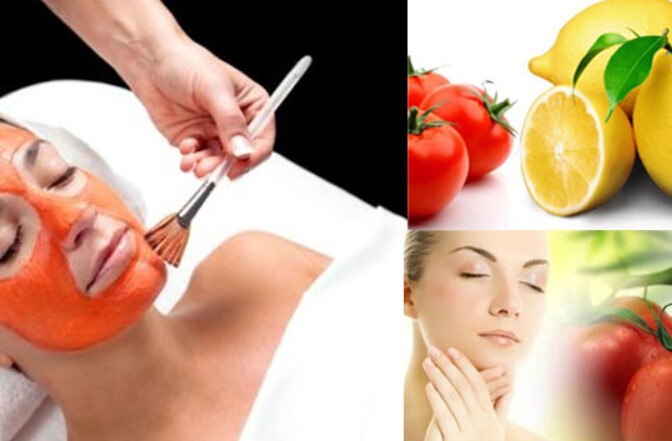
10. Tomatoes: A Vitamin C Boost
Tomatoes are packed with vitamin C, an antioxidant that can help reduce inflammation and promote healing – perfect for tackling whiteheads.
- Mash up a ripe tomato and apply the pulp directly onto whiteheads and the surrounding area.
- Leave on for 15-20 minutes, then rinse with cool water.
- Follow up with a moisturizer to help soothe and hydrate your skin.
Note: Tomatoes are a gentle, soothing remedy that can be used regularly to help keep whiteheads at bay. Just be sure to use ripe, fresh tomatoes for maximum benefits.
11. Cinnamon: A Spicy Spot Treatment
Cinnamon has natural antimicrobial and anti-inflammatory properties that can help dry out whiteheads and prevent future breakouts.
- Mix 1 teaspoon of cinnamon powder with enough water to form a paste.
- Dab the paste directly onto whiteheads using a clean cotton ball or Q-tip.
- Leave on for 10-15 minutes, then rinse thoroughly with cool water.
Note: Cinnamon can be a bit drying and irritating for some skin types, so it’s best to do a patch test before using this remedy. Additionally, be sure to use high-quality, food-grade cinnamon powder.
12. Witch Hazel: A Natural Astringent
Witch hazel is a time-honored natural astringent that can help tighten pores, remove excess oil, and soothe inflammation – all essential for tackling whiteheads.
- Soak a clean cotton ball in alcohol-free witch hazel.
- Gently swipe the cotton ball over your face after cleansing, focusing on areas prone to whiteheads.
- Leave it on and allow it to dry completely.
Note: Witch hazel is a gentle, soothing remedy that can be used regularly to help keep whiteheads at bay. Just be sure to use an alcohol-free variety to avoid drying out your skin.
13. Clay Masks: A Deep-Cleansing Treatment
Clay masks are a powerful way to draw out impurities and absorb excess oil. They are an excellent remedy for whiteheads and other blemishes.
- Mix bentonite, kaolin, or Fuller’s earth clay with water or rose water to form a smooth paste.
- Apply the mask to your face, avoiding the eye area, and leave on for 15-20 minutes.
- Rinse thoroughly with warm water and follow up with a moisturizer.
Note: Clay masks can be drying, so it’s best to use them sparingly and follow up with a hydrating moisturizer. Additionally, be sure to use high-quality, pure clay for maximum benefits.
14. Turmeric: A Golden Remedy
Turmeric is a spice with potent anti-inflammatory and antibacterial properties. This makes it a natural choice for treating whiteheads and other blemishes.
- Mix 1 teaspoon of turmeric powder with enough water or honey to form a paste.
- Apply the paste directly onto whiteheads and the surrounding area.
- Leave on for 15-20 minutes, then rinse thoroughly with cool water.
Note: Turmeric can be a bit messy and staining, so be sure to wear old clothes or use a headband to keep your hair out of the way. Additionally, be sure to use high-quality, pure turmeric powder for maximum benefits.
15. Aspirin: An Unexpected Spot Treatment
Believe it or not, aspirin can be an effective remedy for whiteheads. The salicylic acid in aspirin helps to dry out blemishes and unclog pores.
- Crush 1-2 uncoated aspirin tablets and mix with enough water to form a paste.
- Dab the paste directly onto whiteheads using a clean cotton ball or Q-tip.
- Leave on for 10-15 minutes, then rinse thoroughly with cool water.
Aspirin can be drying and irritating for some skin types, so it’s best to do a patch test before using this remedy. Additionally, be sure to use uncoated aspirin tablets to avoid any potential irritation from dyes or coatings.
16. Ice Cubes: A Cooling Compress
Sometimes, the simplest remedies can be the most effective. Ice cubes can help reduce inflammation and soothe the redness and irritation associated with whiteheads.
- Wrap an ice cube in a clean cloth or paper towel.
- Gently press the wrapped ice cube onto whiteheads and the surrounding area for 1-2 minutes.
- Repeat as needed to help calm inflammation and reduce swelling.
Ice cubes are a gentle, soothing remedy that can be used as needed to help calm inflammation and reduce the appearance of whiteheads. Just be sure to wrap the ice cube in a clean cloth or paper towel to avoid direct contact with the skin.
How to Prevent Whiteheads in the Future?
Here are some key tips for preventing whiteheads:
- Keep your skin clean by washing twice daily with a gentle, non-comedogenic cleanser. This helps remove excess oil, dirt, and dead skin cells that can clog pores.
- Exfoliate regularly with products containing salicylic acid, alpha hydroxy acids (AHAs) like glycolic acid, or gentle scrubs. Exfoliating sloughs off dead skin cells and keeps pores clear.
- Use oil-free, non-comedogenic moisturizers and makeup products that won’t clog pores. Look for labels that say “non-acnegenic” or “won’t clog pores.”
- Manage stress levels, as stress can increase oil production and hormone fluctuations that trigger whiteheads.
- Pay attention to your diet. Some foods like dairy and high-glycemic foods may contribute to acne for some people.
- Establish a consistent skincare routine and don’t skip steps like cleansing and moisturizing. Consistency is key for keeping whiteheads at bay.
- Avoid picking, popping, or squeezing whiteheads. This can spread bacteria, lead to scarring, and worsen breakouts.
- Use spot treatments with ingredients like benzoyl peroxide, salicylic acid, or retinoids to help dry out existing whiteheads.
- Get regular facials or acne treatments from an esthetician or dermatologist to keep pores clear and skin exfoliated.
- Consider prescription medications like retinoids or oral contraceptives if over-the-counter treatments aren’t effective in controlling whiteheads.


Great share! As a singer I have to have clear skin. Thank you for this
This is a wonderful post. Thanks for the tips
Another amazing article. Great job. I’m gonna see if steaming and lemon juice works:) Wish me luck!
This has indeed been super helpful. thanks very much for sharing.
thank you nyc apple cider really works
this good tips ,, tnx :))
This is so simple to follow :)
it will….definitely :)
Some really fantastic blog posts on this website, regards for contribution.
Yep coz that’s vital to being a singer?