In the realm of natural wellness and health-conscious living, grapeseed oil has emerged as a versatile and powerful addition to both kitchen pantries. With its clean, neutral taste and impressive nutritional profile, grapeseed oil has become a favorite among nutritionists, dermatologists, and wellness enthusiasts alike.
Whether you’re seeking to enhance your cardiovascular health, rejuvenate your skin, or explore healthier cooking alternatives, grapeseed oil offers a scientifically backed solution. In this article, we’ll explore everything about grape seed oil: what it is, its nutritional value, science-backed health benefits, possible side effects and best ways to use it.
What is Grape Seed Oil?
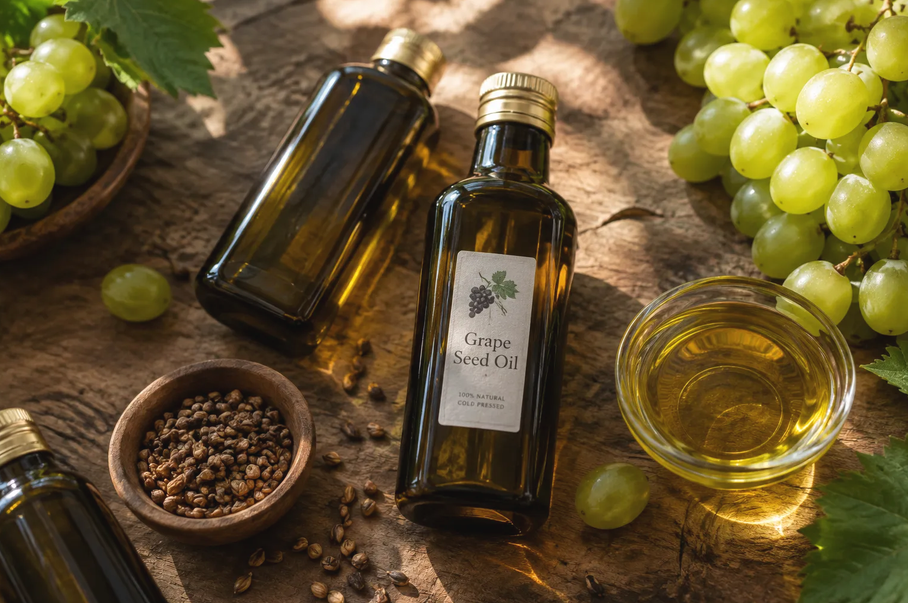
Grape seed oil, often referred to simply as grapeseed oil, is a vegetable oil extracted from the seeds of grapes. These seeds are a byproduct of winemaking, making grape seed oil a sustainable and eco-friendly product. The oil is typically extracted using either a cold-pressing method or a solvent extraction process, with cold-pressed varieties generally considered superior for retaining more nutrients.
This light-colored, mild-flavored oil is prized for its high smoke point, making it a popular choice for cooking. Beyond the kitchen, its unique nutritional profile has also earned it a prominent place in the cosmetic and health industries. Rich in antioxidants and polyunsaturated fatty acids, grape seed oil offers a wide array of potential benefits that extend far beyond its culinary applications.
Nutrition of Grape Seed Oil
Unlike many seed oils that become heavily processed, grapeseed oil retains significant nutritional value, particularly when cold-pressed. Understanding its nutritional composition helps explain its widespread health benefits.
Here’s a detailed breakdown of 1 tablespoon (13.6 grams) of cold-pressed grapeseed oil:
| Nutrient | Amount per 1 tbsp (13.6g) |
|---|---|
| Calories | 120 |
| Total Fat | 14 grams |
| – Linoleic Acid (Omega-6) | 10 grams |
| – Oleic Acid (Omega-9) | 2.5 grams |
| – Palmitic Acid | 1.5 grams |
| Vitamin E | 3.9 mg (19% DV) |
| Vitamin C | 0.1 mg |
| Proanthocyanidins (antioxidants) | Present |
| Resveratrol (antioxidant) | Present |
| Cholesterol | 0 mg |
| Carbohydrates | 0 g |
| Protein | 0 g |
Note: Grapeseed oil is free from carbohydrates, sugars, and protein, but exceptionally rich in polyunsaturated fats, vitamin E, and powerful plant-based antioxidants.
Types of Grape Seed Oil
When shopping for grape seed oil, you’ll generally encounter a few main types, each with distinct characteristics based on their extraction method.
- Cold-Pressed Grape Seed Oil: This type is extracted by crushing grape seeds without using heat or chemical solvents. This method helps preserve the oil’s delicate nutrients, antioxidants, and mild flavor. It typically has a pale green hue and is considered the highest quality for both culinary and cosmetic uses.
- Refined Grape Seed Oil: This is the most common type found in supermarkets. It’s often extracted using chemical solvents, followed by refining, bleaching, and deodorizing processes. While it results in a neutral flavor and a higher smoke point, some beneficial compounds may be lost during refining. It’s excellent for high-heat cooking.
- Organic Grape Seed Oil: This simply means the grapes from which the seeds were harvested were grown using organic farming practices, free from synthetic pesticides and fertilizers. It can be either cold-pressed or refined, but consumers often seek organic options for purer, more natural products.

16 Health Benefits of Grape Seed Oil
1. Potent Antioxidant Powerhouse
One of the most celebrated benefits of grape seed oil is its exceptional antioxidant capacity. As mentioned, it’s loaded with OPCs, which are powerful free radical scavengers. Free radicals are unstable molecules that can damage cells, leading to inflammation, premature aging, and various illnesses.
By neutralizing these damaging molecules, grape seed oil helps protect your cells and DNA, supporting overall health and vitality. Think of it as a microscopic shield for your body.
2. Supports Heart Health by Lowering Bad Cholesterol
Cardiovascular disease remains a leading health concern globally. Grape seed oil can play a significant role in maintaining a healthy heart. Its high content of linoleic acid helps reduce levels of low-density lipoprotein (LDL) cholesterol, often dubbed “bad” cholesterol, while potentially increasing high-density lipoprotein (HDL) cholesterol, the “good” kind. This favorable shift in cholesterol profiles can significantly lower your risk of atherosclerosis and other heart conditions.
3. Helps Manage Blood Pressure
Beyond cholesterol, grape seed oil may contribute to healthy blood pressure levels. The antioxidants, particularly resveratrol (though in smaller amounts than grape skins), and other compounds in the oil help improve endothelial function, the health of the inner lining of your blood vessels.
Better endothelial function allows blood vessels to relax and expand more easily, which can lead to lower blood pressure. A calm circulatory system is a happy one!
4. Anti-Inflammatory Properties
Chronic inflammation is a silent killer, implicated in everything from arthritis to cancer and heart disease. Grape seed oil’s proanthocyanidins exhibit powerful anti-inflammatory effects.
By inhibiting certain enzymes and pathways involved in the inflammatory response, the oil can help reduce inflammation throughout the body. This makes it a potential natural remedy for inflammatory conditions and a general boost to overall wellness.
5. Boosts Immune System Function
A robust immune system is your first line of defense against illness. The antioxidants in grape seed oil, especially vitamin E and OPCs, contribute to a stronger immune response. They protect immune cells from damage, allowing them to function optimally and effectively fend off pathogens. Regular consumption can help keep you feeling your best, especially during cold and flu season.
6. Promotes Healthy Skin and Anti-Aging
This is where grape seed oil truly shines in the beauty world! Its rich antioxidant content combats free radical damage that leads to wrinkles, fine lines, and age spots.
The linoleic acid helps strengthen the skin’s barrier, locking in moisture and promoting a smoother, more supple complexion. Applied topically, it’s a lightweight, non-comedogenic oil that won’t clog pores, making it suitable for most skin types, including oily and acne-prone skin.
7. Aids in Wound Healing
Thanks to its anti-inflammatory and antioxidant properties, grape seed oil can accelerate the wound healing process. It helps reduce inflammation around the injury site, protects new skin cells from oxidative damage, and may stimulate collagen production, which is crucial for skin repair. Applying it gently to minor cuts and scrapes (after proper cleaning) can support faster recovery.
8. Strengthens Hair and Nails
Don’t stop at your skin! Grape seed oil is also a fantastic natural conditioner for hair and a strengthener for nails. For hair, it moisturizes the scalp, reduces frizz, and adds shine without weighing strands down. Its vitamin E content can also stimulate hair growth and prevent breakage. For nails, massaging the oil into your cuticles can strengthen weak, brittle nails and promote healthy growth.
9. Supports Cognitive Function
The brain is particularly vulnerable to oxidative stress, which can contribute to cognitive decline. The powerful antioxidants in grape seed oil, especially proanthocyanidins, can cross the blood-brain barrier, offering neuroprotective benefits.
They help protect brain cells from damage, improve blood flow to the brain, and may support memory and overall cognitive function. It’s food for thought, quite literally!
10. May Offer Anti-Cancer Properties
While more research is always ongoing, preliminary studies suggest that the OPCs in grape seed oil may have anti-cancer properties.
They have been shown to inhibit the growth of certain cancer cells in laboratory settings and induce apoptosis (programmed cell death) in cancerous cells without harming healthy ones. This area of research is promising, highlighting another potential benefit of this amazing oil.
11. Balances Blood Sugar Levels
Emerging research indicates that grape seed oil may play a role in blood sugar management. Some studies suggest that its active compounds can improve insulin sensitivity and reduce blood glucose levels. This makes it a potentially beneficial dietary addition for individuals looking to manage or prevent type 2 diabetes.
12. Alleviates Symptoms of Chronic Venous Insufficiency
Chronic venous insufficiency (CVI) is a condition where veins have difficulty returning blood to the heart, leading to swelling, pain, and varicose veins. The proanthocyanidins in grape seed oil are known to strengthen blood vessels and improve circulation.
Several studies have shown that grape seed extract (and by extension, the oil) can significantly reduce symptoms of CVI, such as leg swelling and discomfort.
13. Supports Healthy Vision
Our eyes are constantly exposed to environmental stressors and blue light, leading to oxidative damage. Grape seed oil, with its abundance of antioxidants, can help protect the delicate tissues of the eyes from free radical damage. While it’s not a cure-all, it contributes to overall eye health and may help reduce the risk of age-related macular degeneration.
14. Promotes Gut Health
A healthy gut is foundational to overall well-being. Grape seed oil’s anti-inflammatory properties can soothe inflammation in the gut lining, which can be beneficial for conditions like irritable bowel syndrome (IBS) or leaky gut syndrome. Furthermore, a healthy gut environment supports nutrient absorption and a strong immune system.
15. High Smoke Point for Healthy Cooking
Unlike some other healthy oils that break down at high temperatures, grape seed oil boasts a relatively high smoke point, typically around 420°F (216°C). This makes it an excellent choice for sautéing, frying, baking, and roasting without producing harmful free radicals. Its neutral flavor also ensures it won’t overpower the taste of your delicious dishes.
| Cooking Oil | Smoke Point (°F) | Primary Use |
|---|---|---|
| Grape Seed Oil | 420 | Sautéing, frying, baking, dressings |
| Extra Virgin Olive Oil | 375 | Dressings, low-heat cooking |
| Coconut Oil (unrefined) | 350 | Baking, medium-heat cooking |
| Avocado Oil | 520 | High-heat cooking, frying |
| Butter | 302 | Flavoring, low-heat cooking |
16. Natural Moisturizer and Carrier Oil
Beyond its specific health benefits, grape seed oil is a remarkably versatile natural moisturizer. Its light texture absorbs quickly without leaving a greasy residue, making it ideal for daily hydration for both face and body.
Moreover, its neutral scent and non-irritating properties make it an excellent carrier oil for essential oils, allowing you to dilute potent essential oils for safe topical application.

Side Effects of Grapeseed Oil
While grapeseed oil is generally safe for most individuals, awareness of potential side effects ensures responsible use:
1. Allergic Reactions
Individuals with grape allergies or sensitivities may experience allergic reactions to grapeseed oil, though such reactions are relatively uncommon. Symptoms can include itching, rash, gastrointestinal discomfort, or more severe reactions in sensitive individuals. If you have a known grape allergy, consult with a healthcare provider before using grapeseed oil.
2. Digestive Upset
Consuming excessive amounts of grapeseed oil may cause bloating, gas, diarrhea, or general digestive discomfort, particularly in individuals unaccustomed to high-fat oils. Starting with small quantities allows your digestive system to adapt gradually to the oil’s composition.
3. Interactions with Blood-Thinning Medications
Grapeseed oil contains compounds with mild anticoagulant properties. Individuals taking blood-thinning medications such as warfarin or aspirin should consult their healthcare provider, as excessive grapeseed oil consumption could theoretically enhance blood-thinning effects. Medical supervision ensures safe concurrent use.
4. Skin Sensitivity and Reactions
While generally suitable for sensitive skin, grapeseed oil can occasionally cause irritation or breakouts in certain individuals. Its lightweight nature means it rarely clogs pores, but patch testing is advisable for those with extremely sensitive or reactive skin conditions.
5. Calorie Density
Like all oils, grapeseed oil is calorie-dense, providing 120 calories per tablespoon. Excessive consumption without accounting for these calories can contribute to weight gain. Mindful portioning is essential, especially for individuals monitoring their caloric intake.
6. Oxidation and Rancidity
Grapeseed oil’s high polyunsaturated fat content makes it more susceptible to oxidation than more stable oils. Improper storage or extended shelf life can result in rancid oil, which contains harmful free radicals. Proper storage in dark containers in cool environments is essential.
7. Potential Phytoestrogen Content
Grapeseed oil contains trace amounts of phytoestrogens, plant compounds that mimic estrogen. While the quantities in typical consumption amounts are minimal, individuals with estrogen-sensitive conditions may want to consult healthcare providers about appropriate intake levels.
8. Histamine Content
In rare cases, particularly sensitive individuals may react to naturally occurring histamines in grapeseed oil. Those with histamine intolerance should exercise caution and monitor their response to grapeseed oil consumption.
How to Use Grapeseed Oil?
Grapeseed oil’s versatility makes it suitable for numerous applications:
Cooking
Grapeseed oil’s high smoke point makes it ideal for high-heat cooking applications. Use it for stir-frying, deep-frying, sautéing, roasting vegetables, and grilling. The oil’s neutral flavor doesn’t overpower dishes, allowing natural food flavors to shine. It’s also suitable for moderate-temperature baking applications.
Salads & Dressings
Drizzle cold-pressed grapeseed oil over salads or combine it with vinegars and herbs to create light, flavorful dressings. Its neutral taste and clean finish make it superior to heavier oils for delicate salads. Mix it with lemon juice, mustard, and herbs for a nutritious vinaigrette.
Dips and Spreads
Blend grapeseed oil into hummus, guacamole, and other dips to enhance creaminess while boosting nutritional value. The oil integrates smoothly without adding heavy flavors, allowing other ingredients to maintain prominence.
Baking Substitute
Replace butter or other oils in baking recipes with grapeseed oil in a one-to-one ratio. This modification reduces saturated fat content while maintaining moisture and texture in baked goods. Grapeseed oil produces lighter, more tender baked products than many traditional fats.
Smoothies and Beverages
Add one teaspoon to one tablespoon of grapeseed oil to smoothies and protein shakes. The mild flavor integrates seamlessly while providing omega-6 fatty acids and antioxidants. This addition boosts the nutritional density of beverages without altering taste significantly.
Skin Care Applications
Facial Moisturizer: Apply a few drops to clean, damp skin for lightweight hydration without greasiness. The oil absorbs quickly while providing antioxidant protection.
Anti-Aging Serum: Mix grapeseed oil with a few drops of your favorite essential oils to create a potent anti-aging treatment. Apply nightly for improved skin texture and reduced fine lines.
Makeup Remover: Grapeseed oil effectively dissolves makeup, including waterproof formulas, while gently cleansing and conditioning the skin.
Acne Treatment: The oil’s non-comedogenic nature and anti-inflammatory properties make it suitable for acne-prone skin. Apply sparingly to affected areas to reduce inflammation and support healing.
Hair Care Applications
Scalp Treatment: Warm grapeseed oil and massage into the scalp for ten to fifteen minutes before shampooing. This treatment reduces dandruff, soothes irritation, and promotes healthy hair growth.
Conditioning Mask: Apply grapeseed oil to hair lengths and ends, leaving it on for thirty minutes to two hours before shampooing. This intensive treatment restores moisture, reduces frizz, and improves shine.
Frizz Control: Apply a small amount to damp hair to control frizz and add natural shine without product buildup.
Nail & Cuticle Care
Massage grapeseed oil into cuticles and nails daily to strengthen nails, improve flexibility, and maintain healthy cuticle tissue. The oil’s penetrating properties nourish deep nail layers while supporting healthy growth.
Body Care
Use grapeseed oil as a body moisturizer, particularly on areas prone to dryness. The lightweight texture absorbs well without leaving a greasy residue, making it ideal for daily body care.
Baby Care
Grapeseed oil’s gentle, hypoallergenic nature makes it suitable for baby massage and as a treatment for diaper rash. Always consult with pediatricians before applying any oil to infant skin.
Tips for Consuming Grapeseed Oil
Choose Cold-Pressed or Extra Virgin: Cold-pressed varieties retain maximum nutrients and antioxidants, providing superior health benefits compared to refined versions.
Verify Quality: Purchase from reputable manufacturers with third-party testing to ensure purity and potency. High-quality grapeseed oil should have a clear, light golden color.
Store in Dark Bottles: Light exposure causes oxidation and nutrient degradation. Dark glass bottles protect the oil’s integrity and nutritional value.
Keep it Cool: While refrigeration isn’t mandatory, storing grapeseed oil in cool environments significantly extends shelf life and prevents rancidity.
Perform Smell Tests: Fresh grapeseed oil has a mild, neutral aroma. If the oil smells musty, rancid, or unpleasant, it has oxidized and should be discarded.
Pair with Colorful Vegetables: Grapeseed oil enhances the absorption of fat-soluble vitamins from vegetables. Use it in dressings or cooking methods with nutrient-dense produce to maximize nutrient bioavailability.
Keep Usage Consistent: Regular, moderate consumption provides more consistent health benefits than sporadic, excessive use.
How Much Grapeseed Oil to Take Daily?
While no official recommended daily intake exists for grapeseed oil, experts suggest moderate consumption as part of a balanced, healthy diet:
| Purpose | Suggested Daily Amount |
|---|---|
| General Health Maintenance | 1–2 tablespoons |
| Cardiovascular Support | 1 tablespoon |
| Antioxidant Benefits | 1 tablespoon |
| Skin & Hair Nourishment | 1 teaspoon (topically or orally) |
| High-Heat Cooking | As needed (maintain moderation) |
| Weight Management | 1 tablespoon (with meals) |
Tip: Begin with smaller quantities and assess your body’s response, particularly if you’re new to consuming plant-based oils regularly. Individual tolerance varies based on digestive sensitivity and overall health status.
FAQ
1. Is grape seed oil good for daily use?
Yes, grape seed oil can be used daily in moderation as part of a balanced diet or topical skincare routine.
2. Can grape seed oil lighten skin?
Grape seed oil primarily moisturizes and improves skin tone and elasticity; it is not known to have skin-lightening properties.
3. Is grape seed oil good for cooking eggs?
Yes, its neutral flavor and high smoke point make grape seed oil an excellent choice for cooking eggs, sautéing, or frying.
4. Does grape seed oil clog pores?
No, grape seed oil is non-comedogenic, meaning it is unlikely to clog pores, making it suitable for acne-prone skin.
5. Can I leave grape seed oil on my face overnight?
Yes, it’s a lightweight oil that can be left on the face overnight as a moisturizer or serum.
6. Is grape seed oil inflammatory or anti-inflammatory?
Grape seed oil is considered anti-inflammatory due to its rich content of antioxidants and linoleic acid.
7. Does grape seed oil help with dark circles?
While it can moisturize the delicate skin around the eyes, direct evidence that grape seed oil eliminates dark circles is limited; it may help improve overall skin health in the area.
8. Is grape seed oil suitable for all skin types?
Generally, yes. Its non-comedogenic nature makes it suitable for oily and acne-prone skin, while its moisturizing properties benefit dry skin.
9. Can grape seed oil cause weight gain?
Like all oils, grape seed oil is calorie-dense. Excessive consumption without adjusting other calorie intake could contribute to weight gain, but used in moderation, it’s a healthy fat.
10. What’s the difference between grape seed oil and olive oil?
Grape seed oil has a higher smoke point and a more neutral flavor, making it better for high-heat cooking. Olive oil, especially extra virgin, has a stronger flavor and is rich in monounsaturated fats.
11. Can I use grape seed oil as a carrier oil for essential oils?
Yes, its light texture and neutral scent make it an excellent carrier oil for diluting essential oils for topical application.
12. How long does grape seed oil last?
When stored properly in a cool, dark place, grape seed oil typically lasts for 6-12 months after opening. Always check the expiration date.