Moringa oleifera, also known as the “miracle tree” or “drumstick tree”, is a plant native to northern India that has been used for centuries in traditional medicine. While all parts of the moringa tree have health benefits, the seeds in particular are a powerhouse of nutrition and medicinal properties.
Packed with antioxidants, anti-inflammatory compounds, vitamins, and minerals, moringa seeds have gained superfood status in recent years. If you’re looking to add a nutrient-dense, therapeutic food to your diet, look no further than mighty moringa seeds. Here are 16 science-backed health benefits of this amazing superfood.
Nutrition Facts of Moringa Seeds
Here are the nutrition facts of Moringa seeds:
- Serving Size: 1 ounce (28 grams)
- Calories: 147
- Total Fat: 4 grams
- Saturated Fat: 0.5 grams
- Trans Fat: 0 grams
- Cholesterol: 0 milligrams
- Sodium: 0 milligrams
- Total Carbohydrate: 20 grams
- Dietary Fiber: 10 grams
- Sugars: 0 grams
- Protein: 9 grams
- Vitamin A: 3,530 International Units (IU)
- Vitamin C: 6.7 milligrams
- Calcium: 96 milligrams
- Iron: 4.4 milligrams
- Potassium: 404 milligrams
16 Health Benefits of Moringa Seeds
1. Nutrient-Dense Superfood
Moringa seeds are a concentrated source of many essential vitamins and minerals. They contain high levels of vitamin A, vitamin B1 (thiamine), vitamin B2 (riboflavin), vitamin B3 (niacin), vitamin C, calcium, potassium, iron, magnesium, phosphorus, and zinc.
Gram for gram, moringa seeds have about as much potassium as a banana and the same amount of vitamin C as an orange. They are also a good source of plant-based protein, with 18 types of amino acids, the building blocks of proteins.
2. Powerful Anti-Inflammatory Properties
Chronic inflammation is at the root of many diseases, including cancer, arthritis, diabetes, and heart disease. Moringa seeds contain powerful anti-inflammatory compounds like isothiocyanates and niazimicin that can help reduce inflammation in the body.
Studies have shown that moringa seed extract can significantly decrease markers of inflammation and oxidative stress. By helping to control inflammation, moringa seeds may lower the risk of various chronic diseases.
3. May Help Prevent and Treat Cancer
Moringa seeds have shown exciting potential as a natural cancer fighter. They contain a compound called niazimicin which has been found to suppress the growth and development of cancer cells.
In lab studies, extracts from moringa leaves, bark, and roots have demonstrated anti-cancer effects against several types of cancer cells, including pancreatic cancer. While more research is needed, moringa seeds may offer a promising complementary therapy for cancer prevention and treatment.
4. Supports Liver Health
The liver plays a central role in detoxifying harmful substances, metabolizing fats and nutrients, and regulating blood sugar. Moringa seeds contain high levels of polyphenols and other antioxidants that can protect the liver from oxidative stress and inflammation.
Animal studies have found that moringa seed extract can help prevent and reverse liver damage caused by anti-tubercular drugs and arsenic toxicity. By supporting liver function, moringa seeds can enhance the body’s natural detoxification pathways.
5. Promotes Digestive Health
Moringa seeds are a great digestive tonic due to their antibiotic, antimicrobial, and anti-inflammatory properties. They can be beneficial for a range of digestive disorders, including constipation, bloating, gastritis, and ulcerative colitis.
The high fiber content in moringa seeds also helps promote regularity and healthy bowel movements. Plus, the seeds are a good source of B vitamins which are essential for proper digestion and nutrient absorption.

6. May Help Manage Diabetes
Moringa seeds show promise as a natural therapy for managing diabetes and balancing blood sugar levels. They contain an insulin-like protein that can help regulate glucose metabolism and increase insulin sensitivity.
Several animal studies have found that moringa seed extract can significantly lower blood sugar levels and improve glucose tolerance. While human studies are limited, adding moringa seeds to the diet may be beneficial for those with diabetes or at risk for developing the disease.
7. Protects Brain Health
The antioxidants and anti-inflammatory compounds in moringa seeds may have neuroprotective benefits for the brain. Some experts believe these plant compounds can help reduce oxidative stress and inflammation in the brain which are linked to age-related cognitive decline and neurodegenerative diseases like Alzheimer’s.
Animal studies suggest that moringa seeds may help improve memory and protect brain tissue from oxidative damage. More research is needed to confirm these brain benefits in humans, but including moringa seeds in the diet may help keep the mind sharp as we age.
8. Promotes Healthy Skin and Hair
Moringa seeds can be a boon for the skin and hair due to their high content of antioxidants, vitamins, and minerals. The seeds are particularly rich in zinc, a mineral essential for skin repair and renewal. The antioxidants in moringa also help protect the skin from free radical damage and premature aging.
Moringa seed oil is often used topically to treat various skin problems like acne, eczema, psoriasis, and fungal infections[1]. It has moisturizing, anti-inflammatory, and antiseptic properties that can soothe irritation, fight bacteria, and promote wound healing.
9. May Help Lower Cholesterol
High cholesterol is a major risk factor for heart disease, the leading cause of death worldwide. Promisingly, several studies have found that moringa seeds may help lower cholesterol levels and protect against heart disease.
The high fiber content in moringa seeds can help reduce the absorption of dietary cholesterol in the gut. Moringa seeds also contain phytosterols, plant compounds that are structurally similar to cholesterol and can help block its absorption.
10. Boosts Immunity
A strong immune system is essential for fighting off infections and diseases. Moringa seeds are loaded with nutrients and antioxidants that can give your immune defenses a boost. They are an excellent source of vitamin C and zinc, two nutrients critical for proper immune function.
Moringa seeds also contain various antibacterial, antifungal, and antimicrobial compounds that can help combat harmful pathogens. Adding moringa seeds to your diet may help strengthen your body’s natural defense mechanisms.
11. Enhances Wound Healing
The skin is the body’s first line of defense against external threats like bacteria and toxins. When the skin barrier is broken due to a cut, scrape, or burn, it’s important to support the wound healing process. Moringa seeds contain several compounds that can aid wound repair.
Moringa seed extract has been shown to increase the proliferation of fibroblasts, cells involved in wound healing and collagen production. The antibacterial and antiseptic properties of moringa can also help prevent wound infections and speed up healing time.
12. Supports Reproductive Health
Moringa seeds have long been used in traditional medicine to support male and female reproductive health. They are a good source of iron, a mineral essential for preventing anemia and supporting fertility in women.
The high antioxidant content in moringa seeds may also help protect reproductive organs from oxidative stress and inflammation. Some animal studies suggest that moringa seed extract may even help improve sperm quality and motility.

13. May Aid Weight Loss
Moringa seeds may be a helpful addition to a weight loss diet due to their high fiber and protein content. Fiber helps promote feelings of fullness and can reduce overall calorie intake. Protein is important for building lean muscle mass and boosting metabolism.
Some animal studies have found that moringa seed extract may help prevent weight gain and reduce body fat accumulation, even on a high-fat diet. However, more human research is needed to confirm these potential weight loss benefits.
14. Improves Bone Health
Healthy bones are essential for mobility, strength, and overall quality of life as we age. Moringa seeds are an excellent source of calcium and phosphorus, two minerals that are critical for maintaining strong bones and preventing conditions like osteoporosis.
The anti-inflammatory properties of moringa seeds may also help reduce joint pain and inflammation associated with arthritis and other inflammatory joint disorders. Including moringa seeds in the diet can be an easy way to support lifelong bone health.
15. May Lower Blood Pressure
High blood pressure, or hypertension, is a major risk factor for heart disease and stroke. While more research is needed, some studies suggest that moringa seeds may help lower blood pressure levels.
One human study found that consuming moringa leaf powder for 12 weeks led to significant reductions in both systolic and diastolic blood pressure. The high potassium content in moringa seeds may help relax blood vessels and improve circulation.
16. Versatile and Easy to Use
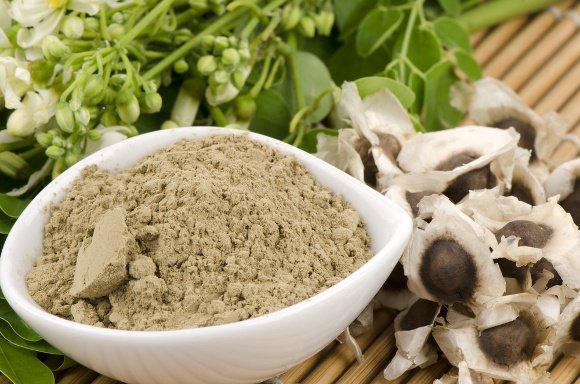
One of the best things about moringa seeds is their versatility and ease of use. The seeds can be eaten fresh, roasted, or powdered and added to a variety of dishes. Moringa seed powder can be mixed into smoothies, soups, stews, and baked goods for a nutrient boost.
Moringa seed oil is also widely used in cooking and cosmetics. It has a mild, slightly nutty flavor and is rich in healthy monounsaturated fats like oleic acid. The oil is very stable and resistant to oxidation. This makes it a good choice for high-heat cooking methods like frying and sautéing.
How to Use Moringa Seeds Safely?
While moringa seeds are generally considered safe, it’s important to use them properly to avoid potential side effects. The seeds contain compounds called alkaloids which can be toxic in high amounts.
It’s best to limit consumption to a few seeds per day or follow dosage instructions on moringa seed powder or supplements.
Pregnant women should avoid eating moringa seeds or taking supplements, as the alkaloids may cause uterine contractions and increase the risk of miscarriage.
Moringa seeds may also interact with certain medications, so it’s important to talk to your doctor. When purchasing moringa seeds or powder, look for products that are organic, non-GMO, and free from additives and preservatives. Store moringa powder in an airtight container in a cool, dry place to maintain freshness and potency.
FAQs
1. Can Moringa seeds be consumed by pregnant women?
Yes, Moringa seeds are generally considered safe for consumption by pregnant women. However, it is advisable to consult with a healthcare professional before incorporating them into your diet to ensure they align with your specific circumstances.
2. How should Moringa seeds be consumed?
Moringa seeds can be consumed raw, roasted, or in powdered form. They can be added to smoothies, salads, soups, or various dishes to enhance their nutritional value.
3. Are there any side effects of consuming Moringa seeds?
When consumed in moderation, Moringa seeds are generally safe for most individuals. However, excessive consumption may cause digestive issues such as diarrhea or stomach discomfort. It is recommended to start with small quantities and gradually increase intake.
4. Can Moringa seeds interact with medications?
Moringa seeds may interact with certain medications, such as blood thinners. If you are taking any medications, it is important to consult with your healthcare provider before incorporating Moringa seeds into your diet to avoid potential interactions.
5. Are there any specific storage requirements for Moringa seeds?
To maintain their freshness and nutritional value, Moringa seeds should be stored in an airtight container in a cool, dry place away from direct sunlight.
Conclusion
Moringa seeds are a true superfood with a wide array of potential health benefits. While more human research is needed to confirm some of the health claims, adding moringa seeds to your diet is a simple way to boost your intake of essential vitamins, and minerals.
As with any new food or supplement, it’s important to use moringa seeds in moderation and consult with your healthcare provider if you have any concerns. With a little caution and creativity, you can easily incorporate this amazing superfood into your daily routine and reap the many benefits of mighty moringa seeds.