Most of us have heard about the potent therapeutic properties of different kinds of oil before, such as fish oil. Did you know that oils collected from birds also contain healing properties and have overall health benefits? Emu oil contains essential fatty acids that help reduce inflammation, treat skin problems, and other benefits.
According to studies in Australia, emu oil contains highly anti-inflammatory properties, whether applied topically or taken orally. The researchers also mentioned that this oil helps treat inflammatory problems affecting the gastrointestinal system. Many types of research also suggest that this incredible oil can treat health issues caused by inflammation.
What is Emu Oil?
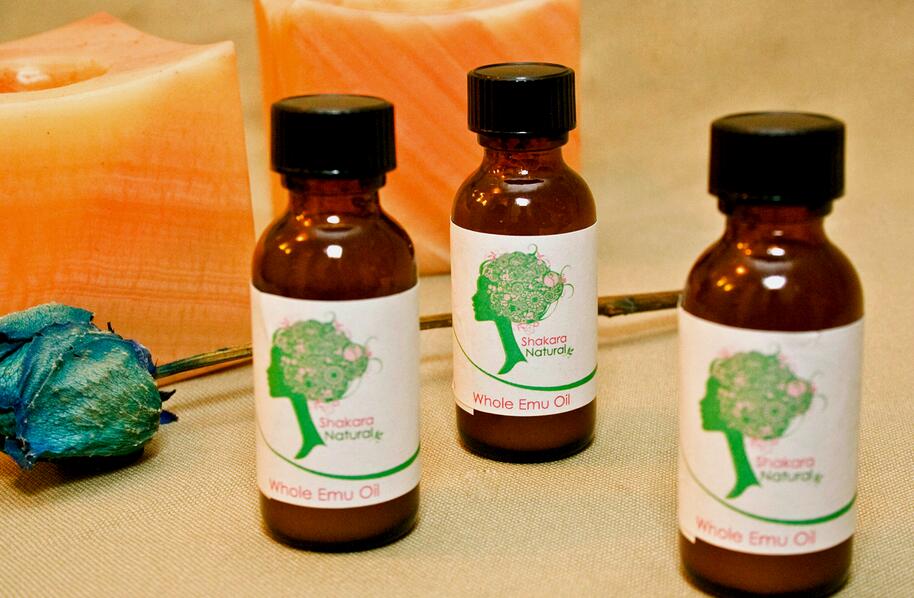
The emu oil is derived from the fats of the emu bird, which is the second-largest bird after its cousin, the ostrich. Emu birds are native to Australia and were first nurtured by the aborigines, one of the ancient people on earth. The Australian aborigines have used emu oil for thousands of years and found its incredible uses and benefits.
With many types of research done about emu oil, many doctors recommend it for treating burns, sunburns, and radiation treatment. This oil contains a high poly and monounsaturated fat level with omega 3, 6, and 9. Since the human body needs good fatty acids, it makes sense that emu oil, which contains over 70% of fatty acids, offers many health benefits.
The Aborigines in Australia found that emu oil also helps hydrate and nourish the skin. They also found that this oil helps relieve joint and muscle pain and is one of the most effective treatments for burns, cuts, irritation, dry skin, eczema, psoriasis, arthritis, and bruises. The oil contains a powerful transdermal agent that penetrates deep inside the skin.
Emu oil is highly prized as an anti-inflammatory skin supplement. It has a creamy consistency that the skin can absorb. Due to the strong anti-inflammatory compounds present in emu oil, it is now used to alleviate many complications. It contains linoleic acid, which alleviates joint pain. It also contains eicosanoids, which are hormones that promote healing.
Emu oil contains the following compounds:
- Vitamin A – excellent antioxidant and tonic for the skin. It also boosts the immune system to combat colds, flu, and cough.
- Oleic acid or omega-9 is a monounsaturated fat that helps fight wrinkles, scarring, and blemishes by promoting cell rejuvenation.
- Linoleic acid or omega-6 is a polyunsaturated fat that helps alleviate muscle pain and joint pain related to arthritis.
- Linolenic acid or omega–3 – reduces inflammation and helps prevent chronic diseases such as heart disease.
- Terpenes – antiseptic properties.
- Sapogenins – anti-aging properties.
- Eicosanoids – signaling molecules that act as messengers in the central nervous system.
10 Amazing Health Benefits of Emu Oil
1. Arthritis
Many people, especially the elderly, have arthritis. This is caused by inflammation or breakdown in cartilage. The cartilage protects the joints and makes the movements smoother by absorbing shock. The breakdown of the cartilage can cause stiffness, pain, and inflammation.
Emu oil contains powerful anti-inflammatory properties that can help alleviate muscle and joint pain. It can be applied topically or ingested to reduce inflammation.
Many pain relief products with emu oil ingredients are included to alleviate the inflammation and pain from osteoarthritis, reiter’s syndrome, rheumatoid arthritis, adult Stull’s disease, gout, fibromyalgia, and scleroderma.
These products include emu oil to allow other important substances to penetrate deep into the skin where relief is required.
Read: Different Types of Pain in Left Side, Causes and Treatment
2. Anti-Aging
As we age, the skin can form free radicals. Antioxidants eliminate these oxygen molecules. However, insufficient antioxidants would not eliminate free radicals and can damage the skin proteins, leading to inflammation. Aside from that, too much sun exposure, smoke, and other chemicals also contribute to wrinkles and sagging of the skin.
Emu oil offers many benefits for the skin, and one of its uses is that it slows down, removes, or prevents the appearance of signs of aging.
It has been proven that this incredible oil provides the essential nutrients to keep the elasticity and smooth texture of the skin. It also contains moisturizing properties that reduce the appearance of wrinkles and age spots.
Many studies also demonstrated that emu oil is excellent for treating dry skin as it can thicken it up to three times.
If you want to reduce fine lines, wrinkles, and other signs of aging, emu oil is one of the best treatments to keep your youthful glow. Many skincare products incorporate emu oil, essential vitamins, collagen, and antioxidants to reduce wrinkles.
3. Burns
Emu oil has a strong history of skin benefits and effectively treats numerous damaged skin conditions such as burns. According to research, the anti-inflammatory compounds in emu oil are effective in treating all types of burns, including sunburn.
Applying the oil topically does not only benefit the first layer of the skin. This oil penetrates deep into the skin, benefiting all skin and other tissue layers. It allows the skin to breathe to reduce redness.
It is important to clean the burns before applying emu oil. This oil is currently used in many medical facilities to treat radiation burns from cancer treatment, giving incredible results.
Emu oil is rich in unsaturated healthy fats that allow the skin to maintain nutrients and essential fats for cell renewal. It also works in reducing blemishes for older burns.
Whether you have a new burn or marks from an old burn, it is never too late to treat your burn with emu oil.
4. Lowers Cholesterol
Cholesterol is a substance the body produces and can also be acquired from foods. The liver produces most of the cholesterol in the body. However, consuming more saturated fat makes the body produce more cholesterol.
High blood cholesterol is unhealthy and can lead to many heart diseases. People with coronary artery disease, caused by the deposits of unused cholesterol in the arteries, can lower the chance of heart attack.
To make the body healthier, exercising regularly with a proper diet is important. Emu oil is also used to lower the level of cholesterol. It contains essential fatty acids, omega 3 (linolenic acid) and omega 6 (linoleic acid).
The essential fatty acids in emu oil help prevent heart diseases and balance extra quantities of saturated fats.
According to a study by the Nutrition and Metabolism Research Group in Canada, omega-3 fatty acid supplementation decreased plasma triglyceride levels after three months without affecting HDL or LDL cholesterol levels. Emu oil can also contribute to weight loss, which positively impacts cholesterol levels.
5. Cuts and Wounds
The Australian Aborigines were the first to use and learn the benefits of emu oil. They found that this oil is excellent for treating cuts and wounds.
The healthy fats and essential minerals in emu oil, together with their anti-inflammatory properties, can heal cuts and wounds faster than other medications.
Other treatments for cuts and wounds only make an icy or hot effect, giving an illusion that the cream or medication is effective. However, the pain returns as the effects wear off.
Emu oil contains oleic acid, a skin cell regenerator, and an anti-wrinkle agent. It also contains vitamin A, linoleic acid, antiseptic, and moisturizing properties that moisturize the skin. It penetrates deep into the layers of the skin to provide relief while speeding up the skin’s healing process.
Researchers in China studied the effects of topical application of this oil on the wound. The anti-inflammatory properties were found to be associated with the lowered levels of pro-inflammatory cytokines in skin tissues.
6. Skin Care
Emu oil is a 100 percent natural way to treat your skin while avoiding harmful chemicals and additives from other skincare products.
Since emu oil penetrates deep into the skin, it can deliver essential nutrients to all layers and acts as a powerful moisturizer.
People with dry or rough skin can apply emu oil on elbows, heels, and knees to soften the skin while reducing flakiness and itch. It can also protect the hands and the face from the weather.
Research shows this oil is composed of triglyceride lipids similar to our skin. Due to its anti-inflammatory properties, emu oil is also an effective treatment for acne, eczema, and psoriasis.
It promotes skin cell regeneration and helps in reducing the appearance of stretch marks and wrinkles. You can also add a few drops of emu oil to your bath as a moisturizer while reducing scars, acne, surgery damage, sun damage, and other skin issues.
If you want to get a product that contains emu oil, buy it from a reputable company to ensure its effectiveness. Apply the oil directly to the affected area thrice daily to get the best results.
7. Intestinal Diseases
An inflammatory bowel disease, Crohn’s disease, usually occurs in the small intestines and causes severe pain, malnutrition, inflammation, and weight loss.
The digestive tract inflammation can spread to the bowel tissue and may lead to diarrhea and other discomforts. Inflammatory bowel disease also includes ulcerative colitis and irritable bowel syndromes.
Patients with Crohn’s disease are prescribed medications that stop pain and inflammation. A proper diet is also needed to alleviate flare-ups and other symptoms.
Studies have shown that emu oil is a natural anti-inflammatory that can help naturally alleviate inflammation from inflammatory bowel disease or Crohn’s.
Intestinal mucositis is another disorder that results from chemotherapy. Emu oil can lessen intestinal injury severity from mucositis and inflammatory bowel disease. It can also promote the growth of the damaged tissues.
Though more research is required, taking emu oil supplements can reduce the symptoms of inflammatory bowel disease as it is taken directly to the digestive tract and fights the causes of inflammation.
8. Combats Infections and Enhances Immune System
The emu oil contains vitamins, antioxidants, and essential fatty acids that can help fight against infection when applied over the skin. It also contains bacteriostatic properties that aid in suppressing the growth of bacteria.
According to research, emu oil’s linolenic acid content can treat antibiotic-resistant infections like H. pylori. This infection leads to many gastric problems, such as peptic ulcers, gastritis, and malignancy.
Since this oil alleviates inflammation and irritation, it is also used to treat cough and flu. Emu oil contains essential fatty acids and vitamin A, which help boost the immune system.
9. Hair Care and Nails
Many experts suggest that emu oil can help in preventing hair loss. There is evidence that this oil can thicken hair while accelerating hair growth.
With its outstanding ability to penetrate and moisturize the skin, speed up the healing process, and alleviate inflammation, it is possible that this oil can also prevent or slow down baldness.
The anti-inflammation compounds and healthy fats help nourish the scalp while adding more shine to the hair. It also stimulates dormant hair follicles to improve hair growth.
Emu oil is effective when used with another type of hair growth medication. With its ability to enter deep into the layers of the skin, it boosts the effects of hair loss medications.
Massage the oil into the scalp and the hair loss medication, and leave it on for at least twenty minutes before rinsing with water.
This oil is also beneficial for nails as it can moisturize the cuticles while alleviating inflammation caused by conditions such as toenail fungus.
10. Alleviates Pain from Breast Feeding
Nursing mothers can also benefit from emu oil. Applying the oil topically can relieve cracked and dry nipples most mothers experience during breastfeeding. Dryness and cracked nipples can be painful.
A study published by the Journal of Evidence-Based Complementary and Alternative Medicine in 2016 found that emu oil can soothe the areola (ring of pigmented skin around the nipple) and the damage from breastfeeding that helps prevent sore nipples.
It also does not affect skin pH, elasticity, or temperature. Emu oil contains antioxidants that moisturize and enhance skin permeation.
Conclusion
The compounds of emu oil are very similar to the human skin, which makes it hypoallergenic and popular. It does not irritate or clog the pores. The combination of essential fatty acids, omega-9, 6, and 3s, can alleviate inflammation, relieve joint and muscle pain, treat skin problems, and moisturize the skin.
This oil also contains vitamins and antioxidants, such as vitamins A and E. Another great thing about it is that it breaks through the skin’s barriers and goes deep into the layers that help relieve flaky, dry, and itchy skin and other skin conditions like eczema and psoriasis.
If you want to purchase emu oil, make sure to look for 100% pure-grade oil, especially if it is intended for internal purposes.