The average person spends over $70,000 on hair care products in their lifetime, yet many still struggle with dry, damaged, or lackluster locks. What if there were a simple, age-old remedy that could revitalize your hair, often for less than the cost of a single high-end conditioner? Enter the hot oil treatment for hair.
This time-honored practice involves warming natural oils and applying them to your hair and scalp, offering a luxurious and highly effective solution for a multitude of hair concerns. It’s not just a pampering ritual; it’s a potent therapy designed to infuse deep moisture, strengthen strands, and promote overall hair health.
What is a Hot Oil Treatment for Hair?
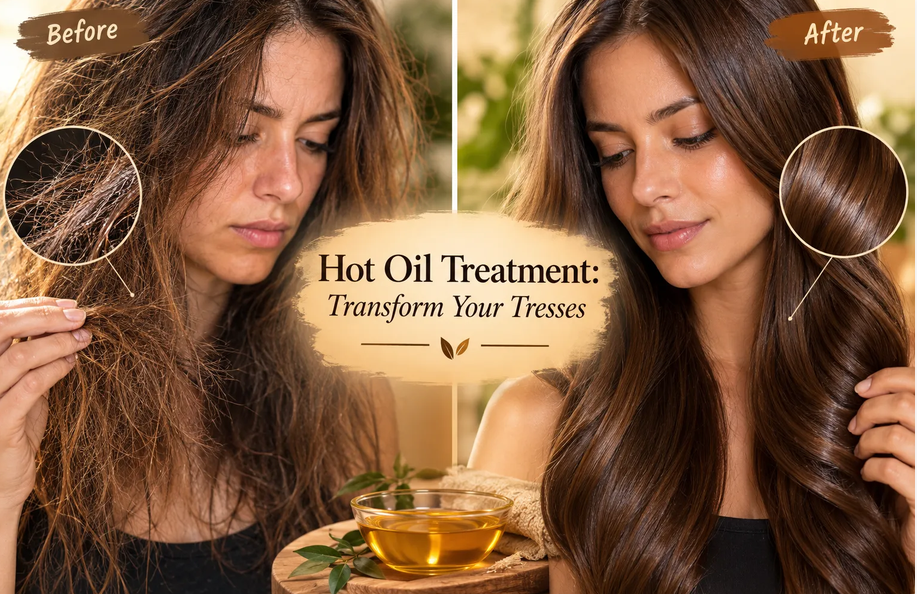
A hot oil treatment for hair is essentially a deep conditioning method where natural oils, like coconut, olive, or argan oil, are gently heated and then applied to the hair and scalp. The warmth helps the oil penetrate the hair shaft more effectively, delivering nutrients and moisture deep into the hair’s core. This process has been a beauty secret for centuries across various cultures, revered for its ability to transform even the most distressed hair into soft, shiny, and healthy strands.
Unlike regular conditioners that often only coat the surface of the hair, the mild heat in a hot oil treatment for hair opens up the hair cuticles, allowing the beneficial properties of the oil to sink in deeper. This leads to more profound hydration and repair. It’s a fantastic way to counteract the drying effects of environmental factors, heat styling, chemical treatments, and even hard water, leaving your hair feeling rejuvenated and looking its best.
12 Amazing Benefits of a Hot Oil Treatment for Hair
1. 💧 Deep Moisturization That Actually Lasts
Dry hair is often the root cause of breakage, dullness, and frizz. Hot oil for hair delivers moisture at a deeper level than most conditioners because heat lifts the cuticle, letting the oil bond with the hair’s inner cortex.
Coconut oil, in particular, has a low molecular weight that allows it to penetrate the hair shaft rather than just coat the surface. A 2003 study published in the Journal of Cosmetic Science found that coconut oil significantly reduced protein loss in both damaged and undamaged hair.
“The difference between surface conditioning and deep penetration is the difference between a temporary fix and lasting hydration.”
2. 🛡️ Reduces Protein Loss and Strengthens Hair
Every time you wash, style, or expose your hair to heat, it loses a small amount of protein. Over time, this weakens the hair structure. Hot oil treatments, especially with coconut or avocado oil, help fill in gaps in the cuticle and reduce protein loss.
Think of your hair shaft like a roof with missing shingles. Oil fills those gaps, protecting the inner structure from further damage.
3. ✨ Boosts Shine and Smooths the Cuticle
Flat, aligned cuticles reflect light evenly, that’s what gives hair its glossy appearance. When cuticles are raised or damaged, light scatters and hair looks dull.
Hot oil for hair smooths the cuticle layer, which is why many people notice an immediate improvement in shine after just one treatment. Argan oil is particularly effective here, thanks to its high oleic and linoleic acid content.
4. 🌱 Promotes a Healthier Scalp
Your scalp is skin. And like the skin on your face, it needs regular nourishment and balance. Hot oil treatments improve blood circulation to the scalp when massaged in, which can stimulate hair follicles and encourage healthier growth.
Scalp benefits include:
- Reduced dryness and flaking
- Balanced sebum production
- Relief from itchiness
- Improved follicle health
Jojoba oil is especially scalp-friendly because its molecular structure closely mimics the scalp’s natural sebum, making it easy to absorb without clogging pores.
5. 🔥 Fights Dandruff and Dry Scalp
Dandruff is often linked to a dry, irritated scalp or an overgrowth of a yeast-like fungus called Malassezia. Regular hot oil treatments can address both causes by hydrating the scalp and creating an environment less hospitable to fungal growth.
Tea tree oil mixed into a carrier oil (like coconut or jojoba) is a popular anti-dandruff combination. Research published in the Journal of the American Academy of Dermatology found tea tree oil to be effective in reducing dandruff symptoms.
6. ✂️ Minimizes Breakage and Split Ends
Split ends happen when the protective outer layer of the hair wears away, leaving the inner cortex exposed and vulnerable. While hot oil can’t permanently repair a split end (only a trim can do that), it can temporarily seal the ends and significantly reduce further splitting.
More importantly, stronger, more moisturized hair is less likely to break during brushing, detangling, or styling. If you’re constantly snapping hair off at the ends, a weekly hot oil routine could make a noticeable difference within a month.
7. 🧘 Reduces Frizz and Improves Manageability
Frizz is essentially your hair trying to absorb moisture from the air because it’s lacking it internally. Hot oil for hair addresses the root cause of frizz by sealing the cuticle and keeping internal moisture locked in.
After a hot oil treatment, many people find that their hair is:
- Easier to detangle
- Smoother to style
- Less reactive to humidity
- More defined in curl patterns (for curly hair types)
8. 🌡️ Provides a Layer of Heat Protection
While hot oil is not a substitute for a dedicated heat protectant spray, it does provide a thin protective barrier around the hair shaft. Oils with high smoke points, like argan and avocado oil, can help reduce direct heat damage from blow dryers and flat irons when used as a pre-styling treatment.
Pro tip: Apply a small amount of argan oil to damp hair before blow-drying for added protection and shine.
9. 💪 Supports Hair Growth Over Time
While hot oil won’t magically grow hair overnight, the combination of improved scalp health, better blood circulation, and reduced breakage creates the ideal conditions for visible length retention.
Castor oil deserves a special mention here. Rich in ricinoleic acid, it has been traditionally used to thicken and strengthen hair. Some studies suggest it may have mild anti-inflammatory properties that benefit the scalp environment.
Growth-supporting oils to consider:
- 🫒 Castor oil, thickness and scalp stimulation
- 🥑 Avocado oil, rich in vitamins D and E
- 🌿 Peppermint oil (diluted), increases circulation
10. 🎨 Protects Color-Treated Hair
Color-treated hair is more porous and more vulnerable to damage. The chemical process of dyeing opens the cuticle and can leave hair feeling rough and dry. Hot oil treatments are a game-changer for color-treated hair because they:
- Restore lost moisture after coloring
- Smooth the cuticle to lock in color
- Reduce color fade by sealing the hair shaft
- Improve overall texture and shine
Opt for lightweight oils like argan or sweet almond oil if your hair is color-treated, as heavier oils can sometimes cause buildup.
11. 🧬 Improves Elasticity and Reduces Brittleness
Healthy hair should stretch slightly before it breaks, that’s elasticity. When hair lacks moisture and protein, it becomes brittle and snaps easily. Hot oil treatments restore the balance of moisture and lipids in the hair shaft, improving its ability to flex without breaking.
A simple elasticity test: take a wet strand of hair and gently stretch it. Healthy hair stretches about 30% before breaking. If yours snaps immediately, it’s a clear sign your hair needs deep conditioning, and hot oil is a great place to start.
12. 🧖 Provides a Relaxing Self-Care Ritual
This one often gets overlooked, but it matters. The act of warming oil, massaging it into your scalp, and taking time to care for yourself has genuine mental health benefits. Scalp massage has been shown to reduce stress hormones and promote relaxation.
In 2026, with so many people juggling demanding schedules, building a simple weekly hot oil ritual can become a meaningful anchor in your self-care routine. It costs very little, takes under an hour, and delivers both physical and emotional benefits.
Choosing the Right Oil for Your Hair Type
Selecting the perfect oil for your hot oil treatment for hair can make all the difference. Different oils possess unique properties that cater to specific hair concerns. Here’s a guide to help you choose:
For Dry, Damaged, or Brittle Hair
- Coconut Oil: A superstar for dry hair. Its molecular structure allows it to penetrate the hair shaft deeply, reducing protein loss and providing intense moisture.
- Olive Oil: Rich in emollients, it’s excellent for softening and hydrating parched strands, giving them a healthy sheen.
- Avocado Oil: Packed with vitamins A, D, and E, and fatty acids, it’s incredibly nourishing and can help repair severely damaged hair.
For Oily Scalp or Dandruff
- Jojoba Oil: Mimics the natural sebum produced by your scalp, helping to regulate oil production. It’s lightweight and won’t clog pores.
- Tea Tree Oil (diluted): Known for its antifungal and antibacterial properties, it can be added in small amounts (a few drops per tablespoon) to a carrier oil like jojoba or coconut oil to combat dandruff and soothe an itchy scalp. Never use tea tree oil undiluted.
- Neem Oil: Also has powerful antifungal properties, effective against dandruff and scalp infections, but has a strong odor, so often mixed with other oils.
For Fine or Thinning Hair
- Argan Oil: Lightweight and non-greasy, it adds shine and smoothness without weighing down fine hair. It also helps protect against breakage.
- Jojoba Oil: Being similar to natural sebum, it won’t overburden fine strands while still providing conditioning.
- Rosemary Essential Oil (diluted): A few drops can be added to a carrier oil to stimulate circulation and potentially promote hair growth.
For Thick, Coarse, or Frizzy Hair
- Castor Oil: Its thick consistency and rich nutrient profile make it excellent for strengthening coarse hair, promoting growth, and taming frizz.
- Olive Oil: Its heavier nature provides substantial moisture and can effectively smooth down thick, unruly hair.
- Almond Oil: Rich in proteins and vitamins, it helps to strengthen and soften coarse hair, making it more manageable and reducing frizz.
For All Hair Types (Versatile Options)
- Sweet Almond Oil: A great all-rounder, offering nourishment, shine, and softness without being too heavy.
- Grapeseed Oil: Lightweight and odorless, it’s a good choice for those who want benefits without a strong scent or heavy feel. It’s also known for its antioxidant properties.
How to Use a Hot Oil Treatment for Hair Safely
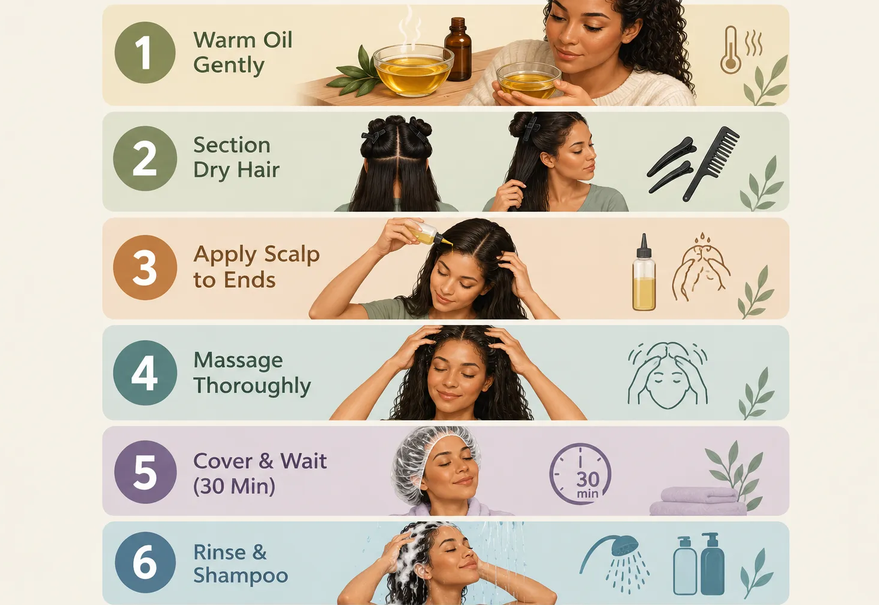
- Warm the Oil Gently:
- Measure 2-4 tablespoons of your chosen oil (adjust based on hair length and thickness).
- Method 1 (Double Boiler): Pour the oil into a heat-safe bowl and place it over a larger bowl of hot water. Let it sit for a few minutes until the oil is warm to the touch, but not hot.
- Method 2 (Microwave): Heat the oil in a microwave-safe bowl for 10-20 seconds. Always test the temperature on your wrist before applying it to your scalp. It should be comfortably warm, never scalding.
- Never heat oil directly on a stovetop, as it can overheat quickly and burn your hair/scalp.
- Prepare Your Hair:
- Start with dry, detangled hair. Some people prefer to shampoo first to ensure hair is clean, but applying to dry hair allows the oil to penetrate without being diluted by water.
- Use a wide-tooth comb to gently remove any knots.
- Apply the Oil:
- Section your hair into manageable parts.
- Dip your fingertips into the warm oil and begin massaging it into your scalp using gentle circular motions. This stimulates blood flow and helps distribute the oil evenly.
- Work your way down, applying the oil generously from the roots to the very ends of your hair. Pay extra attention to dry or damaged areas, like the ends.
- Cover and Wait:
- Once your hair is saturated, pile it on top of your head.
- Cover your hair with a shower cap or warm towel. This helps trap the heat, allowing the oil to penetrate even deeper.
- Leave the oil on for at least 30 minutes. For deeper conditioning, you can leave it on for up to an hour. Some even leave it overnight, though this can make rinsing more challenging.
- Rinse Thoroughly:
- Remove the shower cap or towel.
- Rinse your hair with lukewarm water.
- Shampoo your hair twice to ensure all the oil is removed. You might find it helpful to apply shampoo to your hair before wetting it, work it into a lather, and then rinse. This can help emulsify the oil more effectively.
- Follow up with a light conditioner if desired, focusing on the ends.
Safety Precautions for Hot Oil Treatments
- Temperature Check is Crucial: The most important safety rule is to always test the oil temperature on your wrist before applying it to your scalp. Oil that is too hot can cause severe burns to your skin and scalp. It should be warm, not hot.
- Avoid Direct Heat on Oil: Never heat the oil directly on a stove or in a microwave for too long. A double boiler method is safest as it provides indirect heat.
- Don’t Overdo It: While beneficial, overuse can lead to oily hair or scalp issues. Start with once a week or once every two weeks, and adjust based on your hair’s needs.
- Patch Test for Allergies: If you have sensitive skin or are using a new oil, perform a patch test on a small area of your skin (e.g., behind your ear) 24 hours beforehand to check for any allergic reactions.
- Rinse Thoroughly: Leaving too much oil in your hair can weigh it down and make it look greasy. Ensure you shampoo thoroughly until your hair feels clean.
- Protect Clothing: Oil can stain, so wear an old t-shirt or cover your shoulders with a towel during application.
How Often Should You Do a Hot Oil Treatment for Hair?
The optimal frequency and duration for a hot oil treatment for hair largely depend on your hair type, its current condition, and your specific concerns. There’s no one-size-fits-all answer, but here’s a general guideline:
- For Dry, Damaged, or Chemically Treated Hair: If your hair is severely dry, damaged, or regularly undergoes chemical processes (coloring, perms, relaxers), you might benefit from a hot oil treatment once a week. This provides consistent deep conditioning and helps repair and protect your strands.
- For Normal to Slightly Dry Hair: If your hair is generally healthy but could use an extra boost of moisture and shine, once every two weeks is often sufficient. This maintains health without over-conditioning.
- For Oily Scalp or Fine Hair: If you have a naturally oily scalp or very fine hair that gets weighed down easily, you might want to limit treatments to once a month. Focus more on the ends of your hair rather than saturating the scalp if oiliness is a concern.
- Seasonal Adjustments: You might increase frequency during drier winter months or after prolonged sun exposure in summer, when hair tends to be more prone to dryness and damage.
Listen to your hair! If it feels greasy or weighed down, reduce the frequency. If it’s still thirsty and dull, consider increasing it slightly.
FAQs
1. Can hot oil treatments cause hair loss?
No, when done correctly, hot oil treatments should not cause hair loss. In fact, by strengthening hair, improving scalp health, and reducing breakage, they can actually help prevent hair loss. However, using oil that is too hot can burn your scalp and damage follicles, potentially leading to temporary hair loss in severe cases. Always test the temperature!
2. Can I leave a hot oil treatment for hair on overnight?
Yes, for extremely dry or coarse hair, an overnight treatment can provide intense conditioning. However, be cautious with essential oils, as some can be irritating if left on the scalp for too long. Stick to pure carrier oils if leaving it on overnight, and use a shower cap or old towel to protect your bedding. Be prepared for a thorough wash in the morning.
3. Do I apply hot oil to wet or dry hair?
Most experts recommend applying hot oil to dry, detangled hair. This allows the oil to penetrate the hair shaft more effectively without being diluted by water. Some prefer to shampoo first for a clean base, but ensure your hair is mostly dry before application.
4. Will hot oil treatments make my hair greasy?
If not rinsed properly, yes, it can make your hair greasy. The key is thorough rinsing and shampooing. You may need to shampoo twice to ensure all the oil is removed. Applying shampoo directly to oil-treated hair before adding water can help emulsify the oil, making it easier to rinse out.
5. What’s the best oil for hot oil treatment for hair?
The “best” oil depends on your specific hair needs. Coconut oil is great for deep conditioning and shine. Olive oil is excellent for thick, dry hair. Argan oil is lightweight and adds shine. Jojoba oil is good for scalp balance. Castor oil is known for promoting growth. See the “Choosing the Right Oil” section for more details.
6. Can hot oil treatments damage colored hair?
No, hot oil treatments are generally beneficial for colored hair. Color-treated hair tends to be drier and more prone to damage, and hot oil treatments can help replenish moisture and strengthen strands, potentially extending the vibrancy of your color by improving hair health.
7. Can children use hot oil treatments?
Yes, hot oil treatments can be safe and beneficial for children, especially those with dry or tangled hair. Use mild, pure oils like coconut or almond oil, ensure the oil is only lukewarm, and be gentle during application and rinsing. Always do a patch test first.
8. Do I need to use a shower cap?
Yes, a shower cap or warm towel is highly recommended. It helps to trap the heat, which encourages the hair cuticles to lift slightly, allowing the oil to penetrate deeper and more effectively into the hair shaft.
9. Are store-bought hot oil treatments better than DIY?
Not necessarily. DIY hot oil treatments allow you to use pure, natural oils and customize combinations to your specific needs, often at a lower cost. Store-bought versions can be convenient but may contain additives, fragrances, or silicones. Both can be effective, but DIY offers more control over ingredients.
Conclusion
The hot oil treatment for hair is far more than just a fleeting trend; it’s a timeless, powerful practice rooted in centuries of hair care wisdom. By harnessing the natural benefits of warmed botanical oils, you can unlock a world of transformative advantages for your hair and scalp.
Whether you’re battling dryness, seeking lustrous shine, or aiming for healthier hair growth, incorporating a hot oil treatment into your regimen can be the game-changer your hair has been waiting for.