
Approximately 75% of women and 60% of men globally reported experiencing stress at least once a week in a recent survey. In our fast-paced world, finding natural ways to mitigate daily pressures and enhance well-being has become more crucial than ever. Jasmine oil is an ancient botanical wonder known for its intoxicating aroma.
Extracted from the delicate white flowers of jasmine plants, this aromatic essential oil is far more than just a pleasant scent—it’s a multifaceted wellness ingredient. In this article, we’ll delve into everything about jasmine oil: what it is, its potential nutritional aspects, possible side effects, best ways to use it, and more.
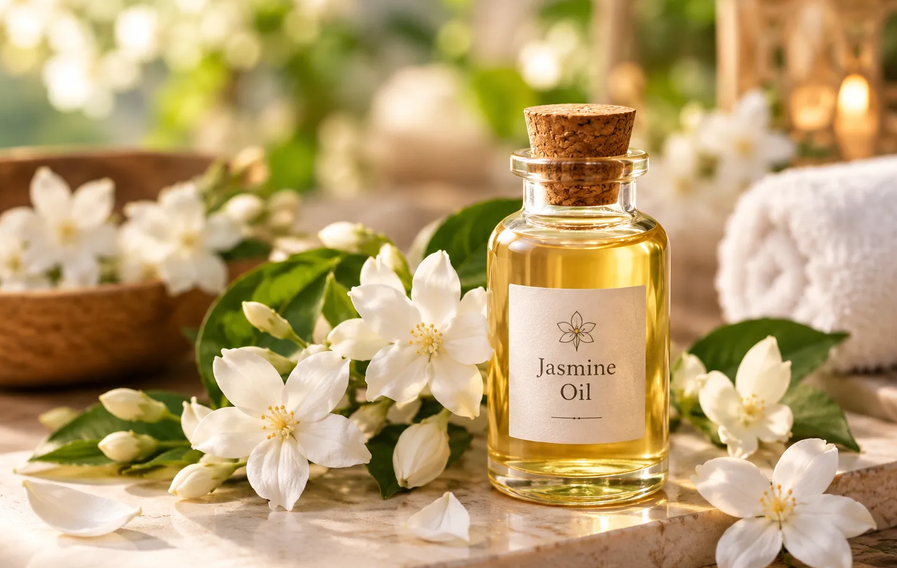
What is Jasmine Oil?
Jasmine oil is a precious essential oil extracted from the fragrant flowers of jasmine plants, primarily through steam distillation or solvent extraction methods. The most commonly used varieties include Jasminum officinale (true jasmine) and Jasminum sambac (Arabian jasmine), both prized for their intoxicating floral scent and therapeutic properties.
The oil is highly concentrated, meaning a small amount goes a long way. It’s typically not used undiluted on the skin or ingested directly, but rather diluted with carrier oils or diffused through aromatherapy methods. Jasmine oil has been treasured in traditional medicine systems, particularly in Ayurveda and Chinese medicine, for its ability to balance emotions, enhance spiritual awareness, and support physical healing.
Beyond its aromatic qualities, jasmine oil is valued for its complex biochemical composition, which includes compounds with antioxidant, anti-inflammatory, antimicrobial, and mood-enhancing properties. Its warm, sensual fragrance is also widely used in perfumery, cosmetics, and luxury skincare products, making it one of the most sought-after oils in the beauty and wellness industries.
Nutrition of Jasmine Oil
| Nutrient (Trace Amount) | Amount per 100g (Conceptual) |
|---|---|
| Major Compounds | |
| Benzyl Acetate | ~20-30% |
| Linalool | ~15-25% |
| Benzyl Benzoate | ~5-15% |
| Jasmone | ~2-8% |
| Indole | ~2-5% |
| Other Terpenes/Esters | Variable |
Note: These are approximations for aromatic compounds, not dietary nutrients. Jasmine oil is not a dietary supplement for vitamins or minerals.
Jasmine oil’s “nutrition” lies in its bioactive chemical constituents, which exert their effects through aromatherapy and topical application. These compounds, such as benzyl acetate and linalool, are responsible for its soothing, mood-lifting, and skin-benefiting properties, rather than providing caloric or micronutrient intake.
16 Health Benefits of Jasmine Oil

1. Natural Stress Reducer and Anxiolytic
One of the most well-known and scientifically supported benefits of jasmine oil is its profound ability to reduce stress and anxiety. The captivating aroma of jasmine has a direct impact on the nervous system. Research suggests that inhaling jasmine oil can stimulate the release of neurotransmitters that have a calming effect on the brain.
“In a study published in the Journal of Health Research, participants who inhaled jasmine oil reported significantly lower levels of anxiety and increased feelings of peace compared to a control group.”
This makes jasmine oil an excellent choice for moments of heightened stress, whether it’s before a big presentation, during a demanding workday, or simply to unwind after a long day. Diffusing jasmine oil in your home or office can create a serene atmosphere that promotes relaxation and reduces feelings of nervousness.
2. Powerful Mood Enhancer and Antidepressant
Beyond just calming nerves, jasmine oil has significant mood-boosting properties, earning it a reputation as a natural antidepressant. Its scent is believed to invigorate the mind, alleviate symptoms of depression, and promote feelings of optimism and joy.
The compounds within jasmine oil interact with brain chemicals, similar to how conventional antidepressants work, but in a natural, gentle way.
Many people find that a few drops of jasmine oil diffused or applied topically to pulse points can lift their spirits and bring a sense of well-being. It’s particularly beneficial during times of seasonal affective disorder (SAD) or general melancholy.
3. Improves Sleep Quality and Combats Insomnia
Struggling with sleep? Jasmine oil might be your new best friend. Its sedative properties make it a fantastic natural aid for insomnia and other sleep disorders. The calming effect on the nervous system helps to quiet the mind, making it easier to fall asleep and stay asleep.
Inhaling jasmine oil before bedtime has been shown to improve sleep efficiency, reduce restless sleep, and leave individuals feeling more refreshed upon waking. Consider adding a few drops to a diffuser in your bedroom or diluting it with a carrier oil and massaging it onto your temples and chest before you drift off. Sweet dreams!
4. Boosts Alertness and Cognitive Function
While it’s known for its calming effects, surprisingly, jasmine oil can also enhance alertness and cognitive performance. How can it do both? It helps achieve a state of relaxed alertness, where the mind is calm but focused. Studies indicate that inhaling jasmine oil can increase brain wave activity that is associated with wakefulness and improved concentration.
This makes it useful not only for winding down but also for situations requiring focus, such as studying, working, or creative tasks. It can help clear mental fog and improve problem-solving abilities without the jitters associated with caffeine.
5. Natural Aphrodisiac Properties
For centuries, jasmine has been celebrated for its sensual and romantic qualities, often referred to as the “King of Oils” (while rose is the “Queen”). Its sweet, exotic, and intoxicating aroma is believed to stimulate the release of certain hormones, enhancing libido and creating a romantic atmosphere.
Jasmine oil can help reduce inhibitions, promote feelings of intimacy, and increase sexual desire. It’s a wonderful addition to massage oils for couples or diffused in the bedroom to set a passionate mood.
6. Soothes Menstrual Pain and PMS Symptoms
For many women, the monthly cycle brings discomfort. Jasmine oil can offer significant relief from menstrual cramps (dysmenorrhea) and symptoms associated with premenstrual syndrome (PMS), such as mood swings, fatigue, and headaches. Its antispasmodic properties help relax uterine muscles, reducing cramping.
Massaging diluted jasmine oil onto the lower abdomen can provide soothing comfort. Its mood-balancing effects also help to alleviate the emotional roller coaster that often accompanies PMS.
7. Antiseptic and Disinfectant Qualities
Jasmine oil isn’t just for emotional well-being; it possesses potent antiseptic and disinfectant properties, making it valuable for physical health as well. It contains compounds that can fight off various bacteria, viruses, and fungi.
This makes it useful for cleaning minor cuts, scrapes, and wounds, helping to prevent infection. When diffused, it can also help purify the air, reducing airborne pathogens. Always dilute jasmine oil properly before applying it to broken skin.
8. Speeds Up Wound Healing
Thanks to its antiseptic and anti-inflammatory properties, jasmine oil can aid in the faster healing of minor wounds, cuts, and even scars. It helps to protect the wound from infection while promoting cell regeneration.
Regular, gentle application of diluted jasmine oil around the edges of a healing wound (avoiding direct application to open wounds unless advised by a professional) can contribute to a quicker and cleaner healing process.
9. Promotes Healthy, Radiant Skin
Jasmine oil is a fantastic addition to any skincare routine, celebrated for its ability to promote healthy, radiant skin. It’s particularly beneficial for dry, sensitive, or aging skin, though it’s generally well-tolerated by all skin types.
Key skin benefits include:
- Moisturizing: Helps to hydrate and soften the skin.
- Anti-aging: Rich in antioxidants, it helps protect skin from environmental stressors and reduce the appearance of fine lines.
- Balancing: Can help balance oil production, making it suitable for both oily and dry areas.
- Even Tone: May help reduce the appearance of scars and blemishes, promoting a more even skin tone.
10. Reduces Inflammation and Soothes Irritation
The anti-inflammatory compounds in jasmine oil make it effective in soothing various skin irritations and reducing inflammation throughout the body. This can be particularly helpful for conditions like eczema, psoriasis, or simply irritated, red skin.
Massaging diluted jasmine oil onto inflamed areas can provide relief. Its calming effect extends to the skin, helping to alleviate discomfort and promote healing.
11. Eases Respiratory Issues
When diffused or inhaled, jasmine oil can help clear congestion and ease breathing difficulties, making it beneficial for respiratory conditions like colds, coughs, and even mild asthma. Its antispasmodic properties can help relax muscles in the respiratory tract.
Inhaling the steam from a bowl of hot water with a few drops of jasmine oil, or simply diffusing it in your living space, can help open airways and relieve a tight chest.
12. Relieves Muscle Spasms and Pain
Jasmine oil’s antispasmodic and analgesic properties make it an excellent natural remedy for relieving muscle spasms, cramps, and general aches and pains. Whether it’s post-workout soreness, tension headaches, or menstrual cramps, jasmine oil can offer comfort.
Dilute jasmine oil in a carrier oil (like coconut or olive oil) and massage it directly onto the affected muscles. The warmth from the massage combined with the oil’s properties can provide significant relief.
13. Strengthens Hair and Improves Scalp Health
Looking for a natural way to boost your hair’s health? Jasmine oil can be a valuable addition to your hair care regimen. It helps to moisturize the scalp, reduce dryness, and can even strengthen hair strands, preventing breakage.
Pro Tip: Mix a few drops of jasmine oil with a carrier oil like argan or coconut oil and massage it into your scalp before shampooing. Leave it on for at least 30 minutes, or even overnight, for deep conditioning.
14. Acts as a Natural Deodorant
Due to its delightful and long-lasting fragrance, jasmine oil can serve as a wonderful natural deodorant. Its antimicrobial properties also help combat odor-causing bacteria.
Simply dilute a drop or two with a carrier oil and apply it to your pulse points or underarms for a fresh, floral scent that lasts throughout the day. It’s a fantastic alternative to chemical-laden commercial deodorants.
15. Supports Lactation
Historically, jasmine oil has been used in some cultures to promote lactation in new mothers. While scientific research is still developing in this area, anecdotal evidence suggests that the scent and topical application can have a positive effect.
However, it’s crucial for pregnant and breastfeeding mothers to consult with a healthcare professional before using any essential oils, including jasmine oil. Safety first!
16. Enhances Meditation and Spiritual Practices
The calming, uplifting, and balancing properties of jasmine oil make it a perfect companion for meditation, yoga, and other spiritual practices. Its exotic aroma can deepen focus, quiet the mind, and enhance feelings of inner peace and connection.
Diffusing jasmine oil during meditation or applying a diluted drop to your third eye or wrists can help create a sacred space and elevate your spiritual experience.
Potential Side Effects
While jasmine oil is generally considered safe for most people when used correctly, it’s potent and can cause side effects, especially if used undiluted or by sensitive individuals.
- Skin Irritation: Jasmine oil, especially jasmine absolute, can be quite potent. Applying it undiluted to the skin can cause redness, itching, burning, or a rash, particularly in individuals with sensitive skin. Always perform a patch test on a small area of skin before widespread topical application.
- Allergic Reactions: Some individuals may be allergic to jasmine or its chemical constituents. Symptoms of an allergic reaction can include skin rash, hives, difficulty breathing, or swelling. If you have known allergies to other flowers or essential oils, exercise caution.
- Photosensitivity (Rare): While not as common as with some citrus oils, there are anecdotal reports of photosensitivity with jasmine oil. It’s generally advisable to avoid direct sun exposure on areas where undiluted jasmine oil has been applied.
- Headaches/Nausea: For some people, the strong, sweet aroma of jasmine oil can be overwhelming, potentially leading to headaches, dizziness, or nausea, especially when diffused in high concentrations or for extended periods. Ensure adequate ventilation when diffusing.
- Hormonal Effects: Due to its potential emmenagogue properties (ability to stimulate blood flow in the pelvic area and uterus), there’s a theoretical concern about its use in early pregnancy. This leads us to the next section.
How to Use Jasmine Oil
Jasmine oil is incredibly versatile and can be incorporated into your wellness routine in several ways. Remember, always dilute pure jasmine absolute or CO2 extract before topical application.
- Aromatherapy Diffusion: Add 3-5 drops of jasmine oil to a diffuser with water. This is an excellent way to uplift your mood, reduce stress, promote relaxation, or enhance focus in your living or workspace. Diffuse for 15-30 minutes at a time.
- Topical Application (Diluted): Mix 1-2 drops of jasmine oil with a teaspoon of a carrier oil like jojoba, almond, or fractionated coconut oil. Apply this blend to pulse points (wrists, neck), behind the ears, or over the chest for its aromatic and therapeutic benefits. For skin care, add a drop to your regular facial serum or moisturizer. For pain or muscle aches, massage the diluted oil directly onto the affected area.
- Bath Soak: Add 5-10 drops of jasmine oil to a tablespoon of milk, honey, or a dispersible bath oil before adding it to warm bath water. This helps the oil disperse rather than sitting on the water’s surface, creating a luxurious and relaxing aromatherapy bath experience.
- Inhalation (Direct): For quick relief from stress or to boost alertness, carefully open the bottle and take a few deep breaths directly from the bottle, or place a drop on a tissue and inhale.
- Massage Oil: Create a therapeutic massage oil by blending 10-15 drops of jasmine oil with 1 ounce (30ml) of a carrier oil. Use this blend for full-body massages to relax muscles, relieve tension, and enhance mood.
- Hair Treatment: Mix 1-2 drops of jasmine oil into your shampoo or conditioner, or add it to a small amount of carrier oil and massage into the scalp as a pre-shampoo treatment for hair health.
- Natural Perfume: Due to its exquisite scent, diluted jasmine oil can be dabbed directly onto pulse points as a natural, chemical-free perfume.
How Much Jasmine Oil Can You Use Per Day? Daily Dosage
The “dosage” for essential oils like jasmine oil isn’t as straightforward as a supplement, as it depends heavily on the method of application and individual sensitivity. Always start with the lowest recommended amount and increase if needed, while observing your body’s response.
| Usage Goal | Application Method | Recommended Daily Guideline |
|---|---|---|
| Aromatherapy | Diffuser | 3-5 drops in a diffuser for 15-30 minutes, 2-3 times a day. |
| Topical (Adults) | Diluted on skin | 1-2 drops per teaspoon (5ml) of carrier oil, applied 2-3 times per day. Max 4-6 drops total. |
| Bath Soak | Mixed with dispersant | 5-10 drops, mixed with milk/honey/carrier oil, once per day for a relaxing bath. |
| Direct Inhalation | From bottle or tissue | A few deep breaths as needed, typically not more than 3-4 times a day. |
| Massage (Adults) | Blended massage oil | 10-15 drops per 1 ounce (30ml) of carrier oil for a full-body massage. Up to once daily. |
Important Considerations:
- Dilution is Key: Never apply undiluted jasmine oil directly to the skin, especially on large areas.
- Patch Test: Always perform a patch test before widespread topical use to check for skin sensitivity.
- Less is More: Essential oils are highly concentrated. Using more does not necessarily mean better results and can increase the risk of side effects.
- Not for Internal Use: Jasmine essential oil (absolute or CO2 extract) is not recommended for internal consumption unless under the direct supervision of a highly qualified, experienced aromatherapist or medical professional.
How to Choose Quality Jasmine Oil
Choosing high-quality jasmine oil is crucial to ensure you receive its full therapeutic benefits and avoid potential contaminants. Here’s what to look for:
- Look for “Absolute” or “CO2 Extract”: As jasmine oil is typically too fragile for steam distillation, the purest forms will be labeled as “Jasmine Absolute” (solvent extracted) or “Jasmine CO2 Extract.” Avoid products labeled simply “essential oil” if they don’t specify the extraction method, as this might indicate an adulterated product.
- Botanical Name: Always check for the botanical name, Jasminum officinale (or Jasminum grandiflorum for some varieties), to ensure you’re getting true jasmine and not another plant or synthetic substitute.
- Purity Statement: Look for labels that state “100% Pure” and “Undiluted.” Be wary of terms like “fragrance oil,” “perfume oil,” or “fragrance blend,” as these often contain synthetic chemicals and no therapeutic benefits.
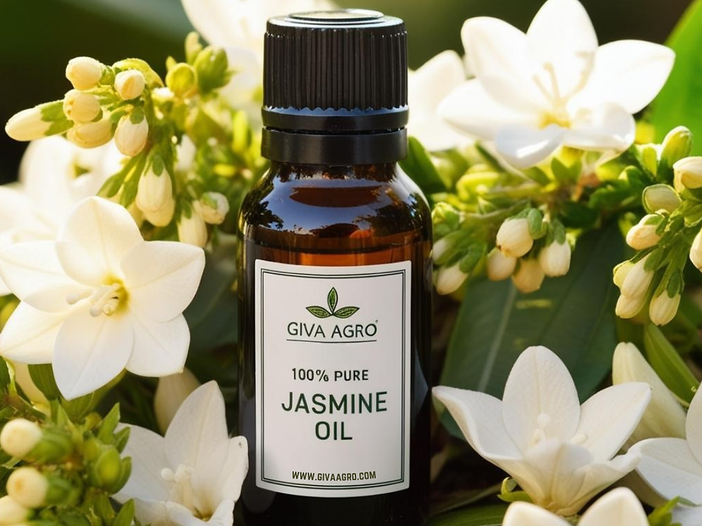
- Dark Glass Bottle: Quality essential oils are always packaged in dark amber or cobalt blue glass bottles. This protects the oil from UV light degradation, which can diminish its potency and shelf life.
- Reputable Supplier: Purchase from well-known, established essential oil companies that provide transparent sourcing information and third-party testing (like GC/MS reports) for their products. This verifies the oil’s purity and chemical composition.
- Price Point: Genuine jasmine oil is one of the most expensive essential oils due to the labor-intensive extraction process and the sheer volume of flowers required. Be suspicious of very cheap jasmine oil, as it’s likely diluted or synthetic.
- Aroma: Familiarize yourself with the authentic scent of jasmine. It should be rich, warm, intensely floral, and slightly sweet. If it smells artificial, overly sweet, or chemical, it’s probably not pure.
FAQ
Q: Can I apply jasmine oil directly to my skin without dilution?
A: No, it is highly concentrated and should always be diluted with a carrier oil to prevent skin irritation.
Q: Is jasmine oil safe for internal consumption?
A: No, jasmine essential oil is not recommended for internal consumption unless under the direct supervision of a qualified medical professional or aromatherapist.
Q: How does jasmine oil help with sleep?
A: Its natural sedative properties help calm the mind and body, reducing anxiety and promoting a more restful sleep.
Q: Can jasmine oil be used on hair?
A: Yes, when diluted and massaged into the scalp, it can moisturize, reduce dandruff, and promote healthy hair growth.
Q: What’s the difference between jasmine absolute and jasmine essential oil?
A: Jasmine absolute is produced via solvent extraction, while jasmine essential oil (CO2 extract) uses CO2 extraction. Both are therapeutic, but the absolute is more common.
Q: Can I use jasmine oil if I’m pregnant?
A: It is generally advised to avoid jasmine oil during pregnancy, especially in the first trimester, due to its emmenagogue properties. Consult a doctor.
Q: How long does jasmine oil last?
A: When stored properly in a cool, dark place, jasmine oil can last for 3-5 years, though its aroma may subtly change over time.
Q: Does jasmine oil stain clothing?
A: While essential oils generally evaporate, concentrated jasmine oil can leave an oily residue on fabrics, especially if undiluted.
Q: Can jasmine oil be used on pets?
A: Essential oils should be used with extreme caution around pets, and often avoided entirely, as they can be toxic. Consult a vet or pet aromatherapist.
Q: What carrier oils are best to mix with jasmine oil?
A: Jojoba oil, sweet almond oil, fractionated coconut oil, and grapeseed oil are all excellent choices for diluting jasmine oil.


