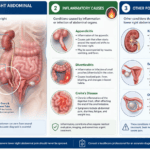
Nearly 30% of adults report experiencing unexplained abdominal or flank pain at some point in their lives, yet many wait weeks before seeking answers. Left side pain above the hip is one of the most frequently misunderstood symptoms in primary care, partly because the area houses a dense cluster of organs, muscles, and nerves, all capable of producing similar sensations. Understanding what is happening in your body is the first step toward effective relief.
This article breaks down 14 of the most common causes of left side pain above the hip, explains what drives each condition, and outlines the treatment options available.

Anatomy Behind Left Side Pain Above Hip
The region directly above the left hip, roughly spanning from the lower left abdomen to the left flank, contains several vital structures. These include the descending colon, sigmoid colon, left kidney, left ureter, spleen, part of the stomach, the left ovary and fallopian tube in women, and a network of muscles including the iliopsoas and quadratus lumborum. The abdominal aorta also runs through this area.
Because so many structures share this space, pain in this region can be visceral (originating from an organ), somatic (from muscles, bones, or fascia), or referred (felt here but caused by a problem elsewhere). Identifying the exact source requires paying close attention to the type, timing, and accompanying symptoms of the pain.
14 Common Causes of Left Side Pain Above Hip
1. Kidney Stones
Kidney stones are one of the most common causes of sudden, severe left side pain above the hip. When a stone moves from the kidney into the ureter, it causes intense cramping pain, often described as one of the worst pains a person can experience, that radiates from the flank down toward the groin.
Symptoms: Sharp, wave-like pain; blood in urine (hematuria); nausea; frequent urge to urinate.
Treatment: Small stones often pass on their own with increased fluid intake and pain relievers (ibuprofen or naproxen). Larger stones may require lithotripsy (shock wave therapy), ureteroscopy, or surgical removal.
2. Kidney Infection (Pyelonephritis)
A kidney infection typically starts as a bladder infection that travels upward. The left kidney can become inflamed, producing a deep, aching pain in the left flank and above the hip.
Symptoms: Dull to moderate flank pain, fever, chills, painful urination, cloudy or foul-smelling urine.
Treatment: Oral antibiotics for mild cases; intravenous antibiotics and hospitalization for severe infections. Completing the full antibiotic course is critical to prevent recurrence.
3. Diverticulitis
Diverticulitis occurs when small pouches (diverticula) in the colon wall become inflamed or infected. The sigmoid colon sits in the lower left abdomen, making diverticulitis a leading cause of left-sided lower abdominal and above-hip pain, particularly in adults over 40.
Symptoms: Steady, cramping pain in the lower left abdomen; fever; nausea; changes in bowel habits (constipation or diarrhea).
Treatment: Mild cases are managed with a clear liquid diet, rest, and oral antibiotics. Severe or recurrent cases may require hospitalization with IV antibiotics or surgery to remove the affected colon segment.
4. Irritable Bowel Syndrome (IBS)
IBS is a functional gut disorder that causes recurrent abdominal pain linked to changes in bowel movements. Because the descending and sigmoid colon run through the left side, IBS pain is frequently felt above the left hip.
Symptoms: Cramping, bloating, gas, diarrhea, constipation, or alternating between both. Pain often improves after a bowel movement.
Treatment: Dietary changes (low-FODMAP diet), stress management, fiber supplements, antispasmodic medications, and in some cases low-dose antidepressants to modulate gut-brain signaling.

5. Muscle Strain or Tear
The muscles of the left flank and hip, including the iliopsoas, quadratus lumborum, and obliques, can be strained by heavy lifting, sudden twisting, or prolonged poor posture. This is among the most common and least serious causes of left-sided pain above the hip.
Symptoms: Dull or sharp pain that worsens with movement, tenderness to touch, stiffness, possible bruising.
Treatment: Rest, ice (first 48 hours), then heat, over-the-counter NSAIDs (ibuprofen), and gentle stretching. Physical therapy is recommended for significant strains that do not resolve within 1-2 weeks.
6. Ovarian Cyst (in Women)
The left ovary can develop fluid-filled cysts that cause intermittent or sudden pain above the left hip. Most cysts are benign and resolve on their own, but a ruptured or twisted cyst (ovarian torsion) is a medical emergency.
Symptoms: Dull, aching pelvic and left hip pain; bloating; pain during intercourse; irregular periods. Sudden severe pain may indicate rupture or torsion.
Treatment: Watchful waiting with ultrasound monitoring for small cysts. Hormonal contraceptives may prevent new cysts. Surgical intervention (laparoscopy) is required for large, persistent, or ruptured cysts and for ovarian torsion.
7. Ectopic Pregnancy
An ectopic pregnancy occurs when a fertilized egg implants outside the uterus, most often in the left or right fallopian tube. This is a life-threatening emergency. Any woman of reproductive age with sudden, severe left-sided pain and a missed period must seek emergency care immediately.
Symptoms: Sharp, stabbing pain on one side; vaginal bleeding; shoulder tip pain (from internal bleeding); dizziness or fainting.
Treatment: Emergency medical treatment with methotrexate (to stop cell growth) or emergency surgery to remove the ectopic pregnancy.
8. Costochondritis and Rib Pain
Costochondritis is inflammation of the cartilage connecting the ribs to the breastbone, but rib injuries and intercostal muscle strains can also cause pain that radiates down to the left side above the hip. This is frequently mistaken for a more serious internal problem.
Symptoms: Sharp or aching pain along the lower left rib cage, worsening with deep breathing, coughing, or pressing on the area.
Treatment: Rest, NSAIDs, ice or heat packs, and avoiding activities that aggravate the pain. Most cases resolve within a few weeks.
9. Hernia (Inguinal or Abdominal)
A hernia occurs when tissue, usually part of the intestine, pushes through a weak spot in the abdominal wall. Inguinal hernias are more common in men and often cause pain in the lower left abdomen and above the hip, especially when bending or lifting.
Symptoms: A visible bulge in the groin or abdomen; aching or burning sensation; pain that worsens with coughing or straining.
Treatment: Small, asymptomatic hernias may be monitored. Symptomatic or enlarging hernias require surgical repair (open or laparoscopic herniorrhaphy). A strangulated hernia, where blood supply is cut off, is an emergency.
10. Sciatica
The sciatic nerve originates in the lower spine and runs through the buttocks and down the leg. When it is compressed or irritated, often by a herniated disc at L4-L5 or L5-S1, it can produce pain that is felt in the left side above the hip, radiating down the leg.
Symptoms: Sharp, shooting, or burning pain from the lower back through the left buttock and down the leg; numbness or tingling; weakness in the leg.
Treatment: Physical therapy, NSAIDs, muscle relaxants, hot/cold therapy, and corticosteroid injections. Surgery (microdiscectomy) is considered when conservative measures fail after 6-12 weeks.
11. Enlarged Spleen (Splenomegaly)
The spleen sits in the upper left abdomen, but an enlarged spleen can produce a dull, heavy pain that extends down toward the left hip. Causes include infections (such as mononucleosis), liver disease, blood disorders, and certain cancers.
Symptoms: Dull, full feeling in the upper left abdomen; pain that radiates to the left shoulder; early satiety (feeling full quickly).
Treatment: Directed at the underlying cause. A ruptured spleen, often from trauma, is a surgical emergency requiring splenectomy.
12. Inflammatory Bowel Disease (Crohn’s Disease and Ulcerative Colitis)
Both Crohn’s disease and ulcerative colitis can cause chronic, recurrent left side pain above hip. Ulcerative colitis particularly affects the sigmoid colon and rectum, producing left-sided cramping and urgency.
Symptoms: Persistent abdominal cramping, bloody diarrhea, weight loss, fatigue, fever during flare-ups.
Treatment: Anti-inflammatory medications (mesalamine, corticosteroids), immunomodulators (azathioprine), and biologics (infliximab, adalimumab). Surgery may be needed for severe or refractory cases.
13. Abdominal Aortic Aneurysm (AAA)
An abdominal aortic aneurysm is a bulging of the aorta’s wall in the abdomen. A leaking or ruptured AAA produces sudden, severe pain in the abdomen, left flank, and back. This is a life-threatening emergency with a high mortality rate if not treated immediately.
Symptoms: Sudden, tearing or pulsating pain in the abdomen or back; a pulsating mass near the navel; low blood pressure; fainting.
Treatment: Small, stable aneurysms are monitored with regular ultrasound. Large or symptomatic aneurysms require surgical repair (open surgery or endovascular aneurysm repair, EVAR).
Warning: If you experience sudden, severe tearing pain in your abdomen or back, call emergency services immediately. Do not wait.
14. Psoas Abscess
A psoas abscess is a collection of pus in the iliopsoas muscle, which runs from the lumbar spine to the upper femur. It is relatively rare but can cause significant left-sided pain above the hip, particularly in people with Crohn’s disease, spinal tuberculosis, or compromised immune systems.
Symptoms: Deep, aching left flank or hip pain; fever; difficulty walking or standing straight; weight loss.
Treatment: Drainage of the abscess (percutaneous or surgical) combined with a prolonged course of antibiotics targeted to the causative organism.
How Doctors Diagnose Left Side Pain Above Hip
A thorough diagnosis is essential because the treatment for a kidney stone is completely different from the treatment for diverticulitis or a muscle strain. Here is what a typical diagnostic workup looks like:
Medical history and physical exam
The doctor will ask about the onset, character, and location of pain, as well as associated symptoms. A physical exam includes palpation of the abdomen and flanks.
Laboratory tests
- Complete blood count (CBC) to check for infection or anemia
- Urinalysis to detect kidney stones, infection, or blood
- Metabolic panel to assess kidney and liver function
- Pregnancy test in women of reproductive age
Imaging studies
- Ultrasound: first-line for kidney stones, ovarian cysts, and aortic aneurysm
- CT scan (with or without contrast): gold standard for most abdominal causes
- MRI: preferred for soft tissue evaluation and when radiation must be avoided
- X-ray: limited use, but can detect some bowel obstructions
General Treatment Principles for Left Side Pain Above Hip
1. Conservative Management for Musculoskeletal Pain
For muscle strains, sprains, and mild nerve impingement, conservative approaches are often effective.
- Rest: Avoiding activities that aggravate the pain is crucial.
- Ice and Heat Therapy: Applying ice packs to acute injuries can reduce inflammation, while heat therapy can help relax tense muscles.
- Over-the-Counter (OTC) Pain Relievers:
- NSAIDs (Non-Steroidal Anti-Inflammatory Drugs): Ibuprofen (Advil, Motrin) or naproxen (Aleve) can reduce pain and inflammation.
- Acetaminophen (Tylenol): Can help with pain relief without anti-inflammatory effects.
- Muscle Relaxants: In some cases, a doctor may prescribe muscle relaxants for severe muscle spasms.
- Topical Pain Relievers: Creams or patches containing NSAIDs, menthol, or capsaicin can provide localized relief.
2. Medical Interventions
Depending on the cause, more specific medical treatments may be necessary.
- Injections:
- Corticosteroid Injections: Can reduce inflammation and pain in conditions like bursitis or nerve impingement.
- Nerve Blocks: To temporarily numb a specific nerve causing pain.
- Medications for Specific Conditions:
- Antibiotics: For kidney infections or diverticulitis.
- Medications for IBS/IBD: Antispasmodics, anti-diarrheals, or immunosuppressants.
- Neuropathic Pain Medications: Gabapentin or pregabalin for nerve-related pain (e.g., severe sciatica, shingles).
- Shockwave Therapy: For chronic tendinopathies or bursitis.
- Lithotripsy: For breaking up kidney stones using sound waves.
- Surgery:
- Kidney Stones: Ureteroscopy or percutaneous nephrolithotomy for large or obstructing stones.
- Herniated Disc/Spinal Stenosis: Discectomy or laminectomy to relieve nerve compression.
- Diverticulitis: Colectomy (removal of part of the colon) in severe or recurrent cases.
- Reproductive Issues: Laparoscopic surgery for ovarian cysts, endometriosis, or ectopic pregnancy.
3. Lifestyle and Ergonomic Adjustments
Preventing recurrence and managing chronic pain often involves lifestyle changes in 2026.
- Maintain a Healthy Weight: Reduces stress on the spine and hip joints.
- Ergonomics: Ensure proper posture at work and home. Use an ergonomic chair, adjust screen height, and take regular breaks.
- Proper Lifting Techniques: Lift with your legs, not your back.
- Supportive Footwear: Can impact spinal alignment and hip mechanics.
- Stress Management: Stress can exacerbate pain. Techniques like meditation, yoga, or deep breathing can be helpful.
- Hydration and Diet: Adequate water intake helps prevent kidney stones and constipation. A balanced diet rich in fiber supports digestive health.
Best Exercises for Left Side Pain Above Hip
Gentle, targeted exercises can significantly reduce pain and prevent recurrence. Always start slowly and stop if an exercise causes increased pain.
1. Hip Flexor Stretch
How to perform:
- Kneel on your left knee with your right foot forward
- Keep your back straight and core engaged
- Gently push your hips forward until you feel a stretch in your left hip flexor
- Hold for 30 seconds, repeat 3 times on each side
Benefits: Relieves tension in hip flexors, improves hip mobility, and reduces pain above the hip.
2. Piriformis Stretch
How to perform:
- Lie on your back with both knees bent
- Cross your left ankle over your right knee
- Pull your right knee toward your chest
- Hold for 30 seconds, repeat 3 times
Benefits: Releases piriformis muscle tension, reduces nerve irritation, and alleviates hip and side pain.
3. Abdominal Bracing
How to perform:
- Lie on your back with knees bent
- Tighten your abdominal muscles as if bracing for a punch
- Hold for 5-10 seconds while breathing normally
- Relax and repeat 10-15 times
Benefits: Strengthens core muscles, improves spinal stability, and reduces strain on your side and hip.
4. Side-Lying Leg Raises
How to perform:
- Lie on your right side with your body in a straight line
- Raise your left leg about 12-18 inches
- Lower slowly without touching your right leg
- Perform 10-15 repetitions, rest, and repeat on the other side
Benefits: Strengthens hip abductors, improves hip stability, and supports left side pain relief.
5. Cat-Cow Stretch
How to perform:
- Start on hands and knees
- Alternate between arching your back (cow) and rounding your spine (cat)
- Perform 10-15 slow, controlled movements
Benefits: Improves spinal mobility, reduces tension in abdominal muscles, and promotes flexibility.
6. Glute Bridges
How to perform:
- Lie on your back with knees bent and feet flat on the floor
- Push through your heels to lift your hips toward the ceiling
- Squeeze your glutes at the top
- Lower slowly and repeat 10-15 times
Benefits: Strengthens glutes, reduces hip strain, and improves pelvic stability.
7. Child’s Pose
How to perform:
- Kneel on the floor and sit your hips back toward your heels
- Extend your arms forward and rest your forehead on the ground
- Breathe deeply and hold for 30-60 seconds
- Repeat 2-3 times
Benefits: Stretches hip muscles, promotes relaxation, and gently decompresses the lower back.
8. Modified Plank
How to perform:
- Start in a plank position on your knees
- Keep your body in a straight line from knees to head
- Engage your core and hold for 15-30 seconds
- Rest and repeat 3-5 times
Benefits: Builds core strength, improves stability, and supports hip health.
9. Clamshells
How to perform:
- Lie on your right side with knees bent
- Keeping your feet together, open your left knee upward
- Return to starting position and repeat 15-20 times
- Switch sides and repeat
Benefits: Strengthens hip abductors, improves hip stability, and reduces lateral hip pain.
10. Quadruped Hip Extensions
How to perform:
- Start on hands and knees
- Lift your left leg straight back, squeezing your glutes
- Lower without touching the ground and repeat 15 times
- Switch legs and repeat
Benefits: Strengthens glutes, improves hip extension, and supports pelvic stability.
When to Seek Medical Attention?
While many instances of left side pain above the hip are benign and resolve with conservative care, certain symptoms warrant immediate medical evaluation.
Seek urgent medical attention if you experience:
- Sudden, severe, or worsening pain: Especially if it’s the worst pain you’ve ever felt.
- Pain accompanied by fever, chills, or night sweats.
- Numbness, tingling, or weakness in the leg or foot.
- Loss of bowel or bladder control (cauda equina syndrome – a medical emergency).
- Pain with blood in urine, painful urination, or inability to urinate.
- Unexplained weight loss.
- Pain following a traumatic injury or fall.
- Signs of internal bleeding (e.g., severe abdominal pain with lightheadedness, rapid heart rate).
- Suspected ectopic pregnancy (in females: severe one-sided abdominal pain, vaginal bleeding, dizziness).
Even if the pain is not severe, if it persists for more than a few days, interferes with daily activities, or is accompanied by other concerning symptoms, it is advisable to consult a doctor for proper diagnosis and treatment.
Conclusion
Left side pain above the hip is a complex symptom that can arise from an extensive range of causes, spanning the musculoskeletal system, nervous system, digestive tract, and genitourinary organs. From the mundane muscle strain to more serious conditions, understanding the potential origins is the critical first step towards effective management.
If you are experiencing left-sided pain above your hip, especially if it is severe, persistent, or accompanied by other worrying symptoms like fever, numbness, or changes in bodily functions, it is crucial to consult a healthcare professional. They can conduct a comprehensive assessment, order necessary diagnostic tests, and formulate a personalized treatment plan to help alleviate your pain.