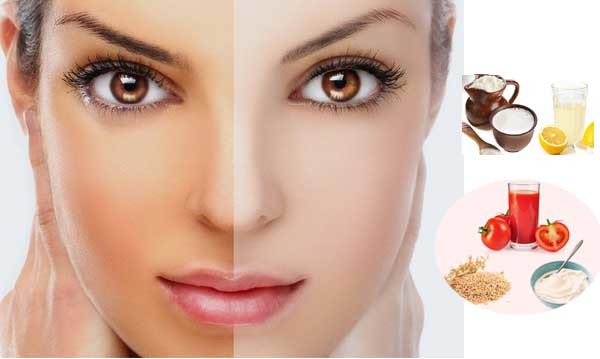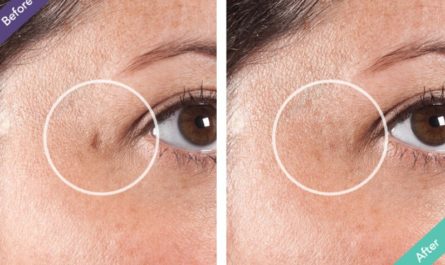
How to Lighten Your Skin at Home:16 Natural Ways

Are you looking for ways to achieve a brighter, more even complexion? Many people desire to lighten their skin for various reasons, whether to reduce hyperpigmentation, diminish dark spots, or simply achieve a more luminous glow. While there are countless products on the market, the thought of harsh chemicals or expensive treatments can be daunting.

The good news is that it’s entirely possible to lighten your skin at home using natural methods, without causing damage, and often with ingredients you already have in your pantry! This article will explore safe, effective, and natural ways to lighten skin, focusing on methods that nourish rather than strip your skin.

How to Tighten Skin on Your Face

Understanding Skin Pigmentation and How to Lighten Skin Naturally

Melanin is the natural pigment that gives your skin, hair, and eyes their color. Produced by specialized cells called melanocytes, the amount and type of melanin you produce determine your natural skin tone.

Factors like sun exposure, hormonal changes, inflammation, and genetic predisposition can all influence melanin production, leading to darker skin, sunspots, or hyperpigmentation.

When we talk about wanting to lighten skin naturally, it’s not about achieving an unnatural shade. Instead, it’s typically about reducing excess pigmentation, evening out skin tone, fading dark spots, and revealing a brighter, more radiant complexion that is closer to your skin’s natural, inherent color.

It’s important to set realistic expectations. Natural methods are generally slower and more gradual than chemical treatments, but they are also often gentler and come with fewer side effects. Consistency and patience are your best allies on this journey to naturally lighten skin.

The Science Behind Natural Skin Lightening Ingredients

Many natural ingredients possess properties that can help lighten skin. These properties often fall into a few key categories:

  • Alpha Hydroxy Acids (AHAs): Found in fruits like lemons, oranges, and apples, and in dairy products like yogurt and milk, AHAs are gentle exfoliants. They work by loosening the bonds between dead skin cells, promoting their shedding and revealing fresher, brighter skin underneath. This process can reduce the appearance of dark spots and hyperpigmentation.
  • Vitamin C: Abundant in citrus fruits, strawberries, and other produce, Vitamin C is a powerful antioxidant. It helps to inhibit tyrosinase, an enzyme crucial for melanin production, thereby reducing the formation of new pigment. It also brightens the skin and protects against sun damage.
  • Antioxidants: Ingredients like turmeric, green tea, and aloe vera are rich in antioxidants. These compounds combat free radicals, which are unstable molecules that can damage skin cells and contribute to premature aging and hyperpigmentation. By neutralizing free radicals, antioxidants help maintain skin health and prevent darkening.
  • Anti-inflammatory Properties: Inflammation can trigger melanin production, leading to post-inflammatory hyperpigmentation (PIH). Ingredients such as aloe vera, turmeric, and potato juice have anti-inflammatory effects that can calm the skin and reduce this type of darkening.
  • Enzymes: Certain fruits like papaya contain enzymes (papain) that gently exfoliate the skin, removing dead skin cells and promoting cell turnover, which contributes to a brighter complexion.
  • Lactic Acid: Found in milk and yogurt, lactic acid is a mild AHA that gently exfoliates, moisturizes, and brightens the skin.
Lighten Your Skin at Home

16 Natural Ways to Lighten Your Skin at Home

Here are 16 effective, natural methods you can use to lighten skin and achieve a more even, radiant complexion. Remember to perform a patch test on a small area of skin (like your inner arm) before applying any new ingredient to your face to ensure you don’t have an adverse reaction.

1. Lemon Juice

Lemon juice is perhaps one of the most well-known natural skin lighteners, thanks to its high Vitamin C content and mild alpha hydroxy acids (AHAs).

Vitamin C helps inhibit melanin production, while AHAs gently exfoliate dead skin cells, revealing brighter skin.

How to use:

  • Direct Application (with caution): Squeeze fresh lemon juice into a bowl. Dip a cotton ball and apply it to dark spots or areas you wish to lighten. Leave on for no more than 10-15 minutes, then rinse thoroughly. Due to its acidity, always dilute lemon juice if you have sensitive skin, or consider mixing it with honey or rosewater.
  • Lemon and Honey Mask: Mix 1 tablespoon of lemon juice with 1 tablespoon of raw honey. Honey adds moisture and has antibacterial properties. Apply to your face, leave for 15-20 minutes, then rinse.
  • Lemon and Yogurt Mask: Combine 1 tablespoon of lemon juice with 2 tablespoons of plain yogurt. Yogurt contains lactic acid, another gentle exfoliant. Apply for 20 minutes, then rinse.

Frequency: 2-3 times a week.

Important Note: Lemon juice can make your skin photosensitive. ALWAYS apply sunscreen diligently after using it, especially if you go outdoors. Avoid using it on broken or irritated skin.

2. Potato

Potatoes are surprisingly effective for lightening skin and reducing blemishes. They contain an enzyme called catecholase, which is believed to help reduce hyperpigmentation.

How it works: Catecholase helps lighten dark spots and blemishes, while the starchy content can provide a mild brightening effect.

How to use:

  • Potato Slices: Cut a raw potato into thin slices. Rub a slice directly on your face, focusing on dark spots or uneven areas, for 5-10 minutes. Let the juice dry on your skin for another 15 minutes, then rinse.
  • Potato Juice: Grate a potato and squeeze out its juice. Apply the juice directly to your skin with a cotton ball. Leave for 20 minutes, then rinse.
  • Potato and Honey Mask: Mix 2 tablespoons of potato juice with 1 tablespoon of honey. Apply for 30 minutes, then rinse.

Frequency: Daily or every other day for best results.

Lemon and Yogurt Face Mask

3. Yogurt

Plain yogurt is a fantastic natural skin lightener and a powerhouse of skin benefits. It contains lactic acid, a natural alpha-hydroxy acid (AHA).

How it works: Lactic acid gently exfoliates dead skin cells, revealing brighter, smoother skin. It also helps to fade dark spots and improve overall skin tone. Yogurt is also moisturizing and helps calm irritated skin.

How to use:

  • Plain Yogurt Mask: Apply a layer of plain, unsweetened yogurt directly to your clean face. Leave it on for 20-30 minutes, then rinse with lukewarm water.
  • Yogurt and Honey Mask: Mix 2 tablespoons of yogurt with 1 tablespoon of honey for added moisture and antibacterial benefits. Apply, leave for 20 minutes, then rinse.
  • Yogurt and Gram Flour (Besan) Mask: Combine 2 tablespoons of yogurt with 1 tablespoon of gram flour to create a gentle scrub and mask. Apply, let it semi-dry, then gently scrub off in circular motions before rinsing.

Frequency: 3-4 times a week.

4. Turmeric

A staple in traditional Indian beauty, turmeric is renowned for its skin-brightening and anti-inflammatory properties. It contains curcumin, a powerful antioxidant.

How it works: Curcumin inhibits melanin production and reduces inflammation, which can contribute to hyperpigmentation. It also gives the skin a healthy glow.

How to use:

  • Turmeric and Milk/Yogurt Paste: Mix 1 teaspoon of organic turmeric powder with 2 tablespoons of milk (for dry skin) or yogurt (for oily/combination skin) to form a paste. Apply evenly to your face and neck. Leave for 15-20 minutes until it slightly dries, then rinse thoroughly.
  • Turmeric and Honey Mask: Combine 1 teaspoon of turmeric powder with 1 tablespoon of honey. Apply to your face, leave for 15-20 minutes, then rinse.

Frequency: 2-3 times a week.

Important Note: Turmeric can temporarily stain your skin a yellowish hue, especially if used in high concentrations or left on for too long. Using high-quality, culinary-grade turmeric and rinsing thoroughly helps minimize this. Milk or yogurt can also help counteract staining.

Aloe Vera acne
Aloe Vera acne

5. Aloe Vera

Beyond its soothing properties for sunburns, aloe vera is an excellent natural ingredient for skin brightening and healing.

How it works: Aloe vera contains aloin and aloesin, compounds that can inhibit tyrosinase activity (the enzyme responsible for melanin production). It also promotes skin cell regeneration and has anti-inflammatory properties.

How to use:

  • Fresh Aloe Gel: Extract fresh gel directly from an aloe vera leaf. Apply a thin layer to your face and neck. Leave it on for 30 minutes, then rinse, or leave it overnight as a mask.
  • Aloe Vera and Honey Mask: Mix 2 tablespoons of fresh aloe vera gel with 1 tablespoon of honey. Apply to your face, leave for 20 minutes, then rinse.

Frequency: Daily, especially before bedtime.

6. Papaya

Papaya is a tropical fruit packed with beneficial enzymes that can naturally lighten skin.

How it works: Papaya contains papain, an enzyme that gently exfoliates dead skin cells, removes impurities, and promotes cell turnover, revealing brighter, smoother skin. It also helps in fading blemishes and dark spots.

How to use:

  • Mashed Papaya Mask: Mash a small piece of ripe papaya into a smooth paste. Apply it directly to your face and neck. Leave for 15-20 minutes, then rinse with lukewarm water.
  • Papaya and Honey Mask: Mix mashed papaya with 1 teaspoon of honey for added moisture and antibacterial benefits. Apply for 20 minutes, then rinse.

Frequency: 2-3 times a week.

7. Gram Flour (Besan)

Gram flour, or besan, is a traditional Indian beauty secret for clear and bright skin.

How it works: Gram flour acts as a gentle exfoliant, removing dead skin cells, excess oil, and impurities. It also has mild bleaching properties that can help lighten skin and reduce tan.

How to use:

  • Gram Flour and Rosewater/Milk Paste: Mix 2 tablespoons of gram flour with enough rosewater (for oily skin) or milk (for dry skin) to form a thick paste. Apply evenly to your face and neck. Let it dry completely (about 20-30 minutes), then gently rub it off in circular motions with wet hands before rinsing.
  • Gram Flour, Turmeric, and Yogurt Mask: Combine 2 tablespoons of gram flour, 1/2 teaspoon of turmeric powder, and 2 tablespoons of plain yogurt. Apply, let dry, then rinse.

Frequency: 2-3 times a week.

8. Oatmeal

Oatmeal isn’t just for breakfast; it’s also a fantastic ingredient for exfoliating and brightening the skin.

How it works: Oatmeal is a natural exfoliant that gently removes dead skin cells, dirt, and impurities, revealing fresh, brighter skin. It also has soothing and anti-inflammatory properties.

How to use:

  • Oatmeal and Milk Scrub: Grind 2 tablespoons of rolled oats into a coarse powder. Mix with enough milk to form a thick paste. Apply to your face and gently scrub in circular motions for 2-3 minutes. Leave it on as a mask for another 10-15 minutes, then rinse.
  • Oatmeal, Honey, and Lemon Mask: Combine 2 tablespoons of ground oatmeal with 1 tablespoon of honey and a few drops of lemon juice. Apply, leave for 15 minutes, then rinse.

Frequency: 1-2 times a week.

9. Cucumber

Cucumbers are known for their cooling and soothing properties, but they also offer benefits for lightening skin.

How it works: Cucumbers are rich in antioxidants, Vitamin C, and caffeic acid, which help reduce inflammation and provide a mild astringent effect, helping to lighten dark circles and brighten overall skin tone.

How to use:

  • Cucumber Slices: Place chilled cucumber slices directly on your face, especially over dark spots or under your eyes. Leave for 15-20 minutes.
  • Cucumber Juice: Grate a cucumber and extract its juice. Apply the juice to your face with a cotton ball. Leave for 20-30 minutes, then rinse.
  • Cucumber and Aloe Vera Mask: Mix equal parts cucumber juice and fresh aloe vera gel. Apply to your face, leave for 20 minutes, then rinse.

Frequency: Daily.

Tomato Mask
Tomato Mask

10. Tomatoes

Tomatoes are rich in lycopene, a powerful antioxidant that protects the skin from sun damage and helps brighten the complexion.

How it works: Lycopene helps reduce free radical damage and can protect against UV-induced pigmentation. The mild acidity also contributes to a gentle exfoliating and brightening effect.

How to use:

  • Mashed Tomato Mask: Mash a small, ripe tomato into a pulp. Apply it directly to your face. Leave for 15-20 minutes, then rinse.
  • Tomato and Honey Mask: Mix 1 tablespoon of tomato pulp with 1 tablespoon of honey. Apply to your face, leave for 15-20 minutes, then rinse.
  • Tomato and Oatmeal Scrub: Combine 1 tablespoon of tomato pulp with 1 tablespoon of ground oatmeal for a brightening and exfoliating scrub. Gently massage onto the skin for a few minutes, then rinse.

Frequency: 2-3 times a week.

11. Orange Peel Powder

Don’t throw away those orange peels! Dried and powdered, they make an excellent skin brightener.

How it works: Orange peel is packed with Vitamin C and antioxidants. It acts as a natural bleach and exfoliant, helping to remove dead skin cells and lighten blemishes.

How to use:

Orange Peel and Yogurt Mask: Dry orange peels in the sun until brittle, then grind them into a fine powder. Mix 1 tablespoon of orange peel powder with 2 tablespoons of plain yogurt to form a paste. Apply to your face, leave for 15-20 minutes until semi-dry, then gently scrub off with wet hands before rinsing.

Frequency: 1-2 times a week.

12. Apple Cider Vinegar (ACV)

Apple cider vinegar, when diluted, can be a beneficial toner for evening out skin tone and reducing dark spots.

How it works: ACV contains alpha hydroxy acids (AHAs), which gently exfoliate the skin and help fade hyperpigmentation. It also balances skin pH and has astringent properties.

How to use:

  • Diluted ACV Toner: Mix equal parts raw, unfiltered apple cider vinegar with water (start with 1 part ACV to 2-3 parts water if you have sensitive skin). Apply with a cotton ball to clean skin. Leave for 5-10 minutes, then rinse thoroughly.
  • ACV and Honey Spot Treatment: For targeted spot treatment, mix a few drops of diluted ACV with a small amount of honey and apply to dark spots. Leave for 10 minutes, then rinse.

Frequency: 2-3 times a week.

Important Note: Always dilute ACV before applying it to your skin, as it is very acidic. Do a patch test first.

13. Green Tea

Green tea isn’t just good for drinking; it’s also excellent for your skin.

How it works: Green tea is rich in antioxidants, particularly catechins, which help protect the skin from UV damage and reduce inflammation. It can also inhibit tyrosinase activity, thus reducing melanin production.

How to use:

  • Green Tea Toner: Brew a cup of green tea, let it cool completely. Use it as a toner by applying it to your face with a cotton ball. Leave on or rinse after 20 minutes.
  • Green Tea and Rice Flour Mask: Mix 2 tablespoons of cooled green tea with 1 tablespoon of rice flour (and a few drops of honey if desired) to form a paste. Apply to your face, leave for 15-20 minutes, then rinse.

Frequency: Daily as a toner, 2-3 times a week as a mask.

Apply Raw Honey on Your Skin

14. Honey

Honey is a natural humectant and has antibacterial and anti-inflammatory properties, making it excellent for overall skin health and brightening.

How it works: Honey moisturizes the skin, helps heal blemishes, and contains mild exfoliating properties that can contribute to a brighter complexion. While not a direct lightener, it enhances the effects of other brightening ingredients.

How to use:

  • Plain Honey Mask: Apply a thin layer of raw honey to your clean face. Leave for 15-20 minutes, then rinse.
  • Honey and Milk Mask: Mix 2 tablespoons of honey with 1 tablespoon of milk. Apply to your face, leave for 20 minutes, then rinse.

Frequency: Daily or every other day.

15. Rosewater

Rosewater is a gentle and refreshing toner that can improve skin tone and texture.

How it works: Rosewater balances the skin’s pH, has anti-inflammatory properties, and can help reduce redness and brighten the complexion over time, contributing to a more even skin tone.

How to use:

  • Rosewater Toner: Spray or dab pure rosewater onto your face after cleansing.
  • Rosewater and Sandalwood Powder Mask: Mix 1 tablespoon of sandalwood powder with enough rosewater to form a paste. Apply to your face, leave for 15-20 minutes, then rinse. This combination is known for its brightening and soothing effects.

Frequency: Daily, multiple times a day as a refresher.

16. Licorice Root Extract

While not a common pantry item, licorice root extract is a powerful natural ingredient worth considering. You can find it in natural beauty stores or online.

How it works: Licorice root contains glabridin, a compound that inhibits tyrosinase activity, thus reducing melanin production. It also has anti-inflammatory properties and can help fade hyperpigmentation and brighten the skin.

How to use:

Spot Treatment/Serum: Purchase a high-quality licorice root extract. Dilute a few drops in a carrier oil (like jojoba or almond oil) or your regular moisturizer and apply directly to dark spots or areas you wish to lighten.

Frequency: Daily, or as directed by the product instructions.

Natural Ways to Improve Sleep Quality

Lifestyle Habits for a Brighter Complexion

Achieving and maintaining bright, even-toned skin isn’t just about what you put on your skin; it’s also about what you put into your body and how you live your life. A holistic approach can significantly enhance your natural skin lightening efforts.

1. Hydration is Key

Drinking plenty of water throughout the day is fundamental for healthy skin. Water keeps your skin cells plump, aids in detoxification, and helps maintain a healthy skin barrier. Dehydrated skin can look dull and emphasize imperfections. Aim for at least 8 glasses (about 2 liters) of water daily.

2. Nutrient-Rich Diet

Your diet plays a massive role in your skin’s appearance. Incorporate foods rich in:

  • Antioxidants: Berries, leafy greens, colorful vegetables, green tea. These fight free radical damage that can lead to hyperpigmentation and dullness.
  • Vitamin C: Citrus fruits, bell peppers, kiwi, strawberries. Vitamin C is crucial for collagen production and inhibiting melanin.
  • Vitamin A (Beta-Carotene): Carrots, sweet potatoes, spinach. Vitamin A supports cell turnover and healthy skin regeneration.
  • Omega-3 Fatty Acids: Fatty fish (salmon, mackerel), flaxseeds, walnuts. These reduce inflammation and promote a healthy skin barrier.

Limit processed foods, excessive sugar, and unhealthy fats, which can trigger inflammation and skin issues.

3. Adequate Sleep

“Beauty sleep” is real! During sleep, your body repairs itself, including your skin. Lack of sleep can lead to dull skin, dark circles, and a less vibrant complexion. Aim for 7-9 hours of quality sleep per night.

4. Stress Management

Chronic stress can trigger hormonal imbalances and inflammation, which can exacerbate skin issues like acne and hyperpigmentation. Incorporate stress-reducing activities into your routine:

  • Meditation or mindfulness
  • Yoga or gentle exercise
  • Spending time in nature
  • Hobbies that relax you

5. Regular Exercise

Physical activity increases blood circulation, which delivers oxygen and nutrients to your skin cells and helps carry away waste products. This “glow” you get after a workout is a sign of improved circulation, which contributes to a healthier, brighter complexion.

6. Gentle Cleansing and Exfoliation

Beyond your brightening masks, ensure your daily skincare routine supports your goals:

  • Cleanse Gently: Use a mild cleanser twice a day to remove dirt, oil, and makeup without stripping your skin.
  • Exfoliate Regularly (but not excessively): In addition to your natural masks, a gentle exfoliant 1-2 times a week helps remove dead skin cells and allows your natural treatments to penetrate better. Over-exfoliation can irritate the skin and potentially worsen hyperpigmentation.

Important Considerations and Safety Precautions

While natural remedies are generally safer than harsh chemicals, it’s vital to approach them with caution and awareness. Your skin is unique, and what works for one person might not work for another.

  • Patch Test Every Time: This cannot be stressed enough. Before applying any new ingredient or mixture to your entire face, apply a small amount to an inconspicuous area (like behind your ear or on your inner arm). Wait 24-48 hours to check for any redness, itching, burning, or irritation.
  • Dilution is Key: Highly acidic ingredients like lemon juice and apple cider vinegar must always be diluted to prevent irritation or chemical burns. Start with a higher dilution ratio and gradually adjust if your skin tolerates it.
  • Avoid Broken or Irritated Skin: Never apply active ingredients to cuts, wounds, sunburns, or areas with active acne or inflammation, as this can worsen irritation and potentially cause scarring or further hyperpigmentation.
  • Sun Protection is Crucial: As mentioned, many natural ingredients can make your skin more sensitive to the sun (photosensitive). ALWAYS use a broad-spectrum sunscreen (SPF 30+) daily, and reapply frequently, especially when using ingredients like lemon juice, turmeric, or ACV.
  • Consistency vs. Overuse: Natural remedies require consistency, but overuse can lead to irritation. Stick to recommended frequencies and give your skin time to rest and recover.
  • Listen to Your Skin: If you experience any discomfort, burning, stinging, or excessive redness, rinse off the product immediately and discontinue use. Your skin is trying to tell you something.
  • Buy Quality Ingredients: Use fresh, organic ingredients whenever possible. For powders like turmeric or gram flour, ensure they are pure and free from additives.
  • Manage Expectations: Natural skin lightening is a gradual process. Don’t expect dramatic overnight changes. Patience and consistent effort are key. The goal is to enhance your natural complexion, not to drastically alter it.
  • Consult a Dermatologist: If you have severe hyperpigmentation, melasma, or persistent skin concerns, it’s always best to consult a dermatologist. They can provide a professional diagnosis and recommend the most effective and safest treatment plan for your specific condition, which may include medical-grade options alongside natural approaches.

By following these precautions, you can safely explore the benefits of natural remedies to lighten skin and achieve your desired radiant complexion.

Author

  • Dr. John Steven

    Wellness Researcher & Founder

    John has spent 8+ years studying herbal remedies, nutrition science, and lifestyle wellness. Passionate about translating complex health research into simple, practical daily habits that anyone can follow.

    "Helping people find comfort through simple, science-backed wellness practices."

    View all posts
string(26) "background-color: #2198d3;"