
In the realm of plant-based wellness products, linseed oil has emerged as a nutritional powerhouse. Derived from the seeds of the flax plant (Linum usitatissimum), linseed oil is packed with essential omega-3 fatty acids, lignans, and other bioactive compounds. Today, modern science continues to validate that linseed oil is remarkably beneficial for overall health and wellness.
This article will delve into everything about linseed oil: what it is, its nutritional value, its numerous science-backed health benefits, possible side effects, and how to use it effectively. Whether you’re a health enthusiast or simply curious about natural remedies, this article will give you a well-rounded perspective on this extraordinary oil.
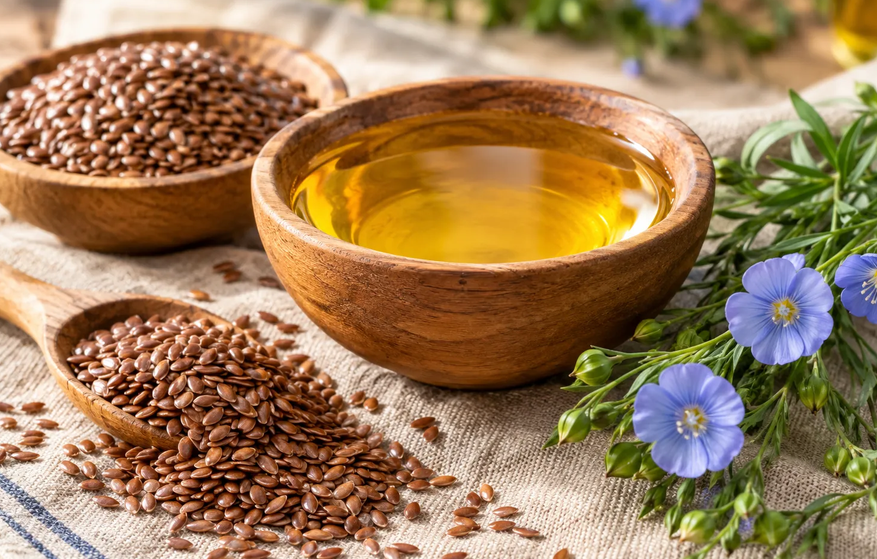
What is Linseed Oil?
Linseed oil, also commonly known as flaxseed oil, is derived from the dried, ripened seeds of the flax plant (Linum usitatissimum). It’s a clear to yellowish oil that has been utilized for millennia, with historical records dating back to ancient Egypt and Greece. The flax plant itself is one of the oldest cultivated fiber crops in the world, valued not only for its oil but also for its fibers, which are used to make linen textiles.
The unique composition of linseed oil, particularly its high content of alpha-linolenic acid (ALA), an omega-3 fatty acid, makes it distinct among edible oils. While it’s celebrated for its nutritional benefits, it also has a long history in various industrial applications, such as a drying oil in paints, varnishes, and linoleum. The methods of extraction and processing determine whether the oil is suitable for consumption or industrial use.
Nutrition of Linseed Oil
Linseed oil stands apart from other plant oils due to its exceptional nutritional density. Unlike many oils that come from seeds, linseed oil provides a concentrated source of omega-3 fatty acids and other beneficial compounds that support multiple body systems.
Here’s a breakdown of the nutritional content per 1 tablespoon (14 grams) of cold-pressed linseed oil:
| Nutrient | Amount per 1 tbsp (14g) |
|---|---|
| Calories | 120 |
| Total Fat | 14 grams |
| – Polyunsaturated Fat (Omega-3 & Omega-6) | 8.5 grams |
| – Monounsaturated Fat | 3 grams |
| – Saturated Fat | 1.2 grams |
| Omega-3 Fatty Acids (ALA) | 2.3-2.7 grams |
| Omega-6 Fatty Acids (LA) | 1.5 grams |
| Vitamin E | 0.3 mg (2% DV) |
| Lignans | 0.6 mg |
| Cholesterol | 0 mg |
| Carbohydrates | 0 g |
| Protein | 0 g |
Note: Linseed oil is free from carbs, sugars, and protein, but exceptionally rich in omega-3 fatty acids and lignans—compounds with potent health-promoting properties.

18 Health Benefits of Linseed Oil
1. A Powerhouse of Omega-3 Fatty Acids (ALA)
The star attraction of linseed oil is undoubtedly its alpha-linolenic acid (ALA) content. ALA is an essential omega-3 fatty acid, meaning our bodies can’t produce it, and we must obtain it from our diet.
Linseed oil is one of the richest plant-based sources of ALA, often containing over 50% ALA by weight. This is fantastic news, especially for vegetarians and vegans looking to boost their omega-3 intake without relying on fish oil.
Why is ALA important? It’s a precursor to other omega-3s like EPA and DHA, which are vital for brain function, heart health, and reducing inflammation throughout the body.
2. Reduces Inflammation Throughout the Body
Chronic inflammation is a silent enemy, contributing to a host of diseases from heart disease and diabetes to autoimmune disorders and certain cancers. The omega-3s in linseed oil are powerful anti-inflammatory agents.
They help to regulate the body’s inflammatory response, acting as a natural balm for irritated tissues and systems. Regular intake can significantly reduce inflammatory markers, bringing relief and promoting systemic balance.
3. Supports Cardiovascular Health
Linseed oil is a friend to your heart. Research consistently points to its ability to improve several markers of heart health. The ALA content helps to:
- Lower bad cholesterol (LDL): By helping to reduce LDL cholesterol, linseed oil can prevent plaque buildup in arteries.
- Increase good cholesterol (HDL): A higher HDL level is associated with a lower risk of heart disease.
- Lower blood pressure: Studies suggest that regular consumption can lead to modest but significant reductions in both systolic and diastolic blood pressure.
- Improve arterial elasticity: Keeping arteries flexible and less stiff is crucial for healthy blood flow.
These combined effects make linseed oil a valuable addition to a heart-healthy diet.
4. Aids in Digestive Regularity
While flax seeds are renowned for their fiber, the oil still plays a role in digestive health. The healthy fats in linseed oil can lubricate the digestive tract, making stool easier to pass and alleviating constipation.
Many people find it to be a gentle yet effective natural laxative, helping to maintain regularity without the harshness of some over-the-counter options.
5. May Protect Against Certain Cancers
Preliminary research, primarily in animal and lab studies, suggests that the lignans (phytoestrogens) and omega-3s found in flaxseed (and to a lesser extent, the oil) might have anti-cancer properties. They are thought to interfere with cancer cell growth and spread, particularly in hormone-sensitive cancers like breast and prostate cancer. While more human research is needed, it’s a promising area of study.

6. Promotes Healthy Skin and Complexion
Tired of dry, dull, or irritated skin? Linseed oil might be your new skincare secret. The essential fatty acids help to:
- Hydrate skin from within: By strengthening the skin’s barrier function, it helps lock in moisture.
- Reduce redness and irritation: Its anti-inflammatory properties can soothe conditions like eczema and psoriasis.
- Improve skin elasticity: This can lead to a more supple, youthful appearance.
Many people report noticeable improvements in skin texture and glow after incorporating linseed oil into their diet or applying it topically (though caution is advised for sensitive skin).
7. Boosts Brain Function and Mental Clarity
Our brains are largely made of fat, and they absolutely thrive on healthy fats, especially omega-3s. The ALA in linseed oil is converted into EPA and DHA, which are critical for:
- Cognitive function: Supporting memory, learning, and focus.
- Mood regulation: Omega-3 deficiencies have been linked to mood disorders.
- Neuroprotection: Helping to protect brain cells from damage.
Regular consumption can contribute to a sharper mind and improved mental well-being.
8. Enhances Hair Health and Luster
Just like your skin, your hair can benefit immensely from the nourishing properties of linseed oil. The omega-3 fatty acids and vitamin E help to:
- Nourish hair follicles: Promoting stronger, healthier hair growth.
- Prevent dryness and breakage: Adding elasticity and moisture.
- Reduce scalp irritation: Soothing conditions like dandruff and itchiness.
- Add natural shine: Giving your locks a healthy, vibrant luster.
You can consume it or even use it as a hair mask (diluted with other carrier oils) for a glossy boost.
9. Supports Healthy Weight Management
While linseed oil isn’t a magic bullet for weight loss, it can play a supportive role. The healthy fats can promote a feeling of fullness and satiety, which may help reduce overall calorie intake. Furthermore, by improving metabolism and reducing inflammation, it creates a more optimal environment for your body to manage weight effectively.
10. Balances Hormones (Especially in Women)
The lignans found in flaxseed (and to a lesser degree, its oil) are phytoestrogens, plant compounds that can mimic estrogen in the body. This unique property allows them to:
- Buffer excess estrogen: Helping to reduce the risk associated with estrogen dominance.
- Mildly boost estrogen: When levels are low, which can be beneficial during menopause.
This balancing act can help alleviate symptoms of PMS, menstrual pain, and menopausal hot flashes.
11. Improves Bone Health
Emerging research indicates that omega-3 fatty acids may play a role in maintaining bone density and strength. By reducing inflammation, which can contribute to bone loss, and potentially influencing calcium absorption, linseed oil could be a silent partner in keeping your bones strong as you age. This is particularly important for preventing conditions like osteoporosis.
12. May Help Manage Diabetes
For individuals concerned about blood sugar levels, linseed oil offers potential benefits. Some studies suggest that ALA can improve insulin sensitivity, helping the body use insulin more effectively to regulate blood sugar. Additionally, its anti-inflammatory properties can address the chronic inflammation often associated with type 2 diabetes.
13. Strengthens the Immune System
A well-functioning immune system is your first line of defense against illness. The omega-3s in linseed oil contribute to a robust immune response by:
- Modulating inflammatory pathways: Preventing an overactive or underactive immune system.
- Supporting white blood cell function: These cells are crucial for fighting off pathogens.
A healthy gut, also supported by linseed oil, is intimately linked to a strong immune system.
14. Alleviates Symptoms of Arthritis
Given its potent anti-inflammatory properties, it’s not surprising that linseed oil can offer relief to those suffering from inflammatory joint conditions like rheumatoid arthritis and osteoarthritis. By reducing the inflammation that causes pain and stiffness in joints, it can improve mobility and overall comfort. Many individuals report less joint pain and swelling with consistent use.
15. Supports Eye Health
The omega-3 fatty acids found in linseed oil are integral components of cell membranes, including those in the retina of your eye.
These fats help maintain the health of your eyes and may even help prevent conditions like dry eye syndrome. Regular intake could contribute to sharper vision and overall ocular well-being.
16. Boosts Energy Levels
While not a direct stimulant, the healthy fats in linseed oil provide a sustained source of energy for your body. Unlike simple carbohydrates that offer a quick spike and crash, fats are metabolized slowly, offering a steady supply of fuel. Combined with improved cellular function due to omega-3s, you might find yourself feeling more energetic and less prone to midday slumps.
17. Promotes Liver Health
The liver is a vital organ responsible for detoxification and metabolism. The anti-inflammatory and antioxidant properties of linseed oil can help protect the liver from damage. Some research suggests it can aid in reducing fat accumulation in the liver, which is crucial for preventing conditions like non-alcoholic fatty liver disease (NAFLD).
18. Acts as a Potent Antioxidant
While not its primary claim to fame, linseed oil does contain beneficial compounds that act as antioxidants. These substances help to neutralize harmful free radicals in the body, which can damage cells and contribute to aging and disease. By reducing oxidative stress, linseed oil contributes to overall cellular health and longevity.

Potential Side Effects of Linseed Oil
While linseed oil is generally safe for most individuals, it’s important to be aware of potential side effects and contraindications:
1. Allergic Reactions
Some individuals may experience allergic reactions to linseed oil, including itching, rash, or gastrointestinal discomfort. Those with seed allergies should exercise particular caution and consult with a healthcare provider before consuming linseed oil.
2. Digestive Upset
In rare cases, consuming large amounts of linseed oil may cause bloating, gas, diarrhea, or upset stomach, particularly in individuals not accustomed to high-fat oils or those with sensitive digestive systems.
3. Interactions with Medications
Linseed oil may interfere with blood-thinning medications due to its high omega-3 content. Individuals taking warfarin, aspirin, or other anticoagulants should consult with their healthcare provider before adding linseed oil to their routine.
4. Calorie Dense
One tablespoon of linseed oil provides approximately 120 calories. Excessive consumption without accounting for these calories in your overall diet can contribute to weight gain and caloric surplus.
5. Potential Hormonal Effects
The lignans in linseed oil may affect hormone levels. Individuals with hormone-sensitive cancers or taking hormone replacement therapy should consult with their healthcare provider before consumption.
6. Skin Sensitivity
While generally beneficial for skin health, linseed oil may cause irritation or breakouts in certain individuals, particularly those with very sensitive or acne-prone skin.
7. Increased Risk of Bleeding
High doses of linseed oil may increase bleeding risk in individuals with bleeding disorders or those taking blood-thinning medications.
8. Photosensitivity
Some individuals may experience increased skin sensitivity to sun exposure after consuming large amounts of linseed oil. While the antioxidants provide some protection, they don’t replace sunscreen.

How to Use Linseed Oil?
Linseed oil’s versatility makes it suitable for numerous applications:
Culinary Uses:
Linseed oil has a relatively low smoke point (approximately 225°F/107°C), making it unsuitable for high-heat cooking. Instead, use it for salad dressings, drizzle it over finished dishes, or add it to smoothies and beverages. The oil’s nutty flavor complements vegetable dishes, grains, and legumes beautifully.
Smoothies and Beverages:
Adding one teaspoon to one tablespoon of linseed oil to smoothies, juices, or plant-based milks provides an easy way to incorporate its health benefits into your daily routine without noticeably altering the taste.
Salads and Dressings:
Combine linseed oil with vinegar, lemon juice, and herbs to create a nutritious salad dressing. This preparation method preserves the oil’s delicate nutrients while providing exceptional flavor.
Dips and Spreads:
Blend linseed oil into hummus, nut butters, or vegetable dips to increase nutritional value and create a creamier texture.
Topical Applications:
Apply linseed oil directly to skin as a moisturizer, or use it as a carrier oil for essential oils in massage applications.
Skin Care:
Use linseed oil as a facial moisturizer, makeup remover, or anti-aging treatment. Its lightweight absorption and nutrient density make it ideal for various skin types.
Hair Care:
Apply warm linseed oil to the scalp and hair as a nourishing treatment. Leave it on for 15-30 minutes before shampooing for optimal results.
Nail and Cuticle Care:
Massage linseed oil into cuticles and nails to promote strength and prevent brittleness.
Massage Oil:
Use linseed oil as a base for therapeutic massage, potentially enhanced with essential oils.
How Much Linseed Oil Can You Use Per Day? Daily Dosage
While no official recommended daily intake exists for linseed oil, healthcare professionals suggest moderate consumption as part of a balanced diet:
| Purpose | Suggested Daily Amount |
|---|---|
| General Health Maintenance | 1–2 tablespoons |
| Heart Health Support | 1–2 tablespoons |
| Weight Management | 1 tablespoon (with meals) |
| Skin/Hair Nourishment | 1 teaspoon (topically or orally) |
| Digestive Health | 1–2 teaspoons |
Tip: Start with smaller amounts and observe how your body responds, especially if you’re new to consuming linseed oil regularly.
Best Time to Use Linseed Oil
Optimizing the timing of your linseed oil intake can enhance its benefits and improve tolerance.
- With Meals: Taking linseed oil with meals, especially those containing other fats, can improve its absorption and reduce the likelihood of digestive upset.
- Morning: Many people prefer taking it in the morning, perhaps mixed into breakfast smoothies or oatmeal, to kickstart their day with a dose of healthy fats.
- Before Bed: For those using it to help with constipation, taking it before bed can allow it to work overnight, promoting regularity in the morning.
- Consistent Daily Intake: The most important factor is consistency. Choose a time that works best for your routine and stick to it daily to reap the long-term benefits.
How to Choose Quality Linseed Oil
Selecting a high-quality linseed oil is crucial to ensure you’re getting the maximum health benefits and avoiding potentially harmful products.
- Look for “Cold-Pressed”: This method extracts oil without high heat or chemical solvents, preserving the delicate omega-3 fatty acids and other nutrients.
- Check for “Food Grade” or “Dietary Supplement”: This explicitly indicates the oil is safe for consumption and has been processed under food-safe conditions. Avoid labels like “industrial,” “boiled,” or “for woodworking.”
- Opt for Organic: Organic certification ensures the flax seeds were grown without synthetic pesticides or fertilizers, reducing the presence of unwanted chemicals in the final product.
- Seek Out Dark Glass Bottles: Light exposure can cause omega-3 fatty acids to oxidize and become rancid. Quality linseed oil is typically packaged in dark, opaque glass bottles to protect it.
- Verify Purity: Choose brands that specify 100% pure linseed oil, without added fillers, preservatives, or artificial ingredients.
- Check Expiration and Production Dates: Always select bottles with a visible production date and a reasonable expiration date. Fresher oil is always better.
- Consider Third-Party Testing: Some reputable brands provide proof of third-party testing for purity, potency, and absence of contaminants, offering an extra layer of assurance.
FAQ
1. Is linseed oil the same as flaxseed oil?
Yes, linseed oil and flaxseed oil are interchangeable terms for the oil extracted from flax seeds.
2. Can I cook with linseed oil?
No, you should not cook with linseed oil. Its omega-3 fatty acids are very sensitive to heat and can become damaged, turning rancid and losing their health benefits.
3. How should I store linseed oil?
Store cold-pressed, food-grade linseed oil in a dark, airtight bottle in the refrigerator, especially after opening, to prevent oxidation and rancidity.
4. What does linseed oil taste like?
High-quality, fresh linseed oil has a mild, slightly nutty, and sometimes slightly grassy flavor. If it tastes bitter or fishy, it may have gone rancid.
5. Can linseed oil help with weight loss?
Linseed oil can support weight management by increasing satiety and potentially improving metabolism, but it’s not a standalone weight loss solution.
6. Is linseed oil safe for pets?
Yes, small amounts of food-grade linseed oil can be beneficial for pets’ skin, coat, and joint health, but consult a vet for appropriate dosage.
7. How long does it take for linseed oil to work for constipation?
Effects can vary, but some people notice an improvement within a day or two of consistent use for constipation.
8. Can linseed oil be used topically for skin issues?
Yes, it can be applied topically to soothe dry, irritated skin, and may help with conditions like eczema and psoriasis due to its anti-inflammatory properties.
9. Are there any major drug interactions with linseed oil?
Yes, linseed oil can interact with blood-thinning medications, blood sugar-lowering drugs, and potentially hormone therapies. Always consult your doctor.
10. Is the industrial version of linseed oil safe for human consumption?
Absolutely not. Industrial linseed oil, including “boiled linseed oil,” contains heavy metals and solvents that are toxic and unsafe for human consumption.
Final Thoughts
Linseed oil, a humble extract from the versatile flax plant, truly stands out as a remarkable natural health supplement with benefits, from bolstering heart and brain health to soothing inflammation and enhancing skin and hair vitality. While its industrial counterparts serve practical purposes, the food-grade, cold-pressed variety deserves a prominent place in your wellness toolkit.
Remember to prioritize quality, handle it with care to preserve its delicate compounds, and integrate it mindfully into your diet. By understanding its uses, benefits, and precautions, you can confidently harness the power of linseed oil to support a healthier, more vibrant you.


