If you’ve walked down the dairy aisle lately—or rather, ventured into the plant-based section—you’ve probably noticed almond milk everywhere. From your local coffee shop to grocery store shelves, this creamy, nutty beverage has quietly revolutionized how we think about milk. But here’s the thing: almond milk isn’t just a trendy dairy alternative. It’s packed with genuine health benefits that make it worth more than just a passing glance.
In this article, we’ll explore 18 amazing health benefits of almond milk and its potential side effects. We’ll also share simple ways to make it at home. Whether you’re lactose intolerant or vegan, almond milk should have earned its spot on your grocery store shelves.

What Is Almond Milk?
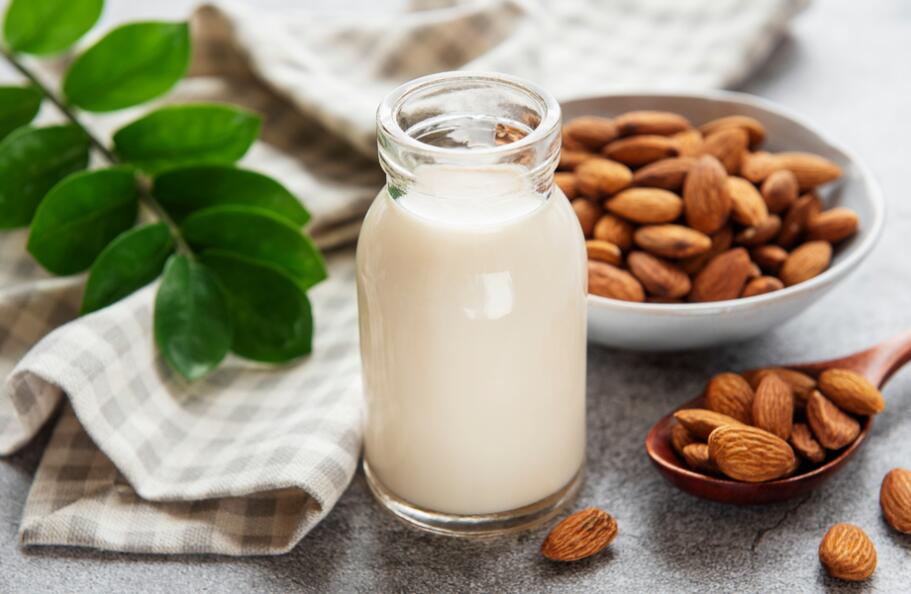
Almond milk is a plant-based beverage made from ground almonds and water. The process typically involves soaking almonds, blending them with water, and then straining the mixture to remove solids. The result is a smooth, creamy liquid that closely resembles dairy milk in texture and appearance.
While homemade almond milk is often a simple two-ingredient affair, commercially produced versions may contain added ingredients like sweeteners, thickeners (such as carrageenan or gellan gum), vitamins, and minerals to enhance flavor, texture, and nutritional value. It’s a popular choice for cereals, smoothies, coffee, and even in cooking and baking, offering a mild, slightly nutty flavor that complements a wide range of dishes.
Nutritional Profile of Almond Milk
Here’s the almond milk nutrition for a standard 1-cup (240 ml) serving of unsweetened, fortified almond milk — the kind most people buy:
| Nutrient | Amount (per 1 cup) | Why it matters |
|---|---|---|
| Calories | ~30–40 | Very light, great for calorie control |
| Protein | ~1 g | Low — not a protein swap for dairy |
| Total fat | ~2.5 g | Mostly heart-friendly unsaturated fat |
| Saturated fat | ~0 g | Far lower than whole cow’s milk |
| Carbohydrates | ~1–2 g | Low, gentle on blood sugar (unsweetened) |
| Sugars | 0 g (unsweetened) | No natural or added sugar |
| Calcium | ~30–45% DV | Bone support (from fortification) |
| Vitamin D | ~15% DV | Mood, immunity, calcium use |
| Vitamin A | ~15–20% DV | Eyes and immune health (fortified) |
| Vitamin E | ~6 mg | Antioxidant for skin and cells |
Those numbers tell the real story. The calcium, vitamin D, and vitamin A come from fortification — most brands add them to match what dairy provides. So a fortified glass gives you the bone and immunity nutrients of milk, minus the calories, saturated fat, and lactose. The trade you accept is protein.
One important note on labels: these figures assume unsweetened, fortified almond milk. The sweetened versions can hide 15–20 grams of sugar per cup — about as much as a small soda — which quietly erases the calorie advantage.
18 Health Benefits of Almond Milk
1. Low in Calories for Weight Management
One cup of unsweetened almond milk contains roughly 30-40 calories, compared to about 150 calories in whole cow’s milk. That’s a dramatic difference if you’re watching your caloric intake.
Swapping dairy milk for almond milk in your daily coffee, cereal, or smoothie can save you hundreds of calories per week without sacrificing taste or texture.
Quick comparison:
| Milk Type | Calories (1 cup) | Fat (g) |
|---|---|---|
| Whole Cow’s Milk | 149 | 8 |
| Unsweetened Almond Milk | 30-40 | 2.5 |
| Oat Milk | 120 | 5 |
2. Packed with Vitamin E
Almonds are one of the best natural sources of vitamin E, a fat-soluble antioxidant. One cup of almond milk can provide up to 50% of your recommended daily intake of vitamin E.
Vitamin E helps:
- Protect cells from oxidative damage
- Support immune function
- Promote healthy skin and eyes
3. Supports Heart Health
Almond milk is free of cholesterol and low in saturated fat. It contains monounsaturated fatty acids (MUFAs), the same heart-healthy fats found in olive oil.
Research suggests that replacing saturated fats with MUFAs can help reduce LDL (“bad”) cholesterol levels, lowering the risk of cardiovascular disease. For anyone focused on heart health, this plant-based milk is a smart daily choice.
4. Fortified Almond Milk Supports Bone Health
While almonds themselves aren’t naturally high in calcium, most commercial almond milk brands are fortified with calcium and vitamin D, two nutrients critical for strong bones.
A single cup of fortified almond milk can provide:
- 25-45% of your daily calcium needs
- 25% of your daily vitamin D needs
This makes it a solid option for people who avoid dairy but still want to protect their bone density as they age.
5. Low Glycemic Impact, Great for Blood Sugar Control
Unsweetened almond milk has a very low glycemic index (GI). It contains minimal carbohydrates, which means it won’t cause the blood sugar spikes associated with regular milk or sweetened beverages.
This makes almond milk particularly beneficial for:
- People with type 2 diabetes
- Those following a low-carb or ketogenic diet
- Anyone managing insulin resistance
⚠️ Important: Always choose unsweetened varieties to keep the glycemic impact low.
6. Naturally Lactose-Free
Approximately 65% of the global population has some degree of lactose intolerance. For these individuals, consuming dairy milk can cause bloating, gas, cramping, and diarrhea.
Almond milk contains zero lactose, making it a comfortable and easy alternative for sensitive stomachs. Unlike lactose-free dairy milk (which is still processed from cow’s milk), almond milk is entirely plant-based.
7. Promotes Healthy, Glowing Skin
The high vitamin E content in almond milk isn’t just good for your insides, it benefits your skin too. Vitamin E is a well-known antioxidant that helps:
- Neutralize free radicals that cause premature aging
- Maintain skin moisture and elasticity
- Reduce inflammation linked to acne and eczema
Some people even apply almond milk topically as a gentle skin cleanser, though drinking it regularly is where the real skin benefits shine.
8. Supports Muscle Function with Added Vitamins
While almond milk is not a high-protein beverage (it contains only about 1g of protein per cup), many fortified versions are enriched with B vitamins, including riboflavin (B2) and vitamin B12.
These B vitamins play a key role in:
- Energy metabolism
- Red blood cell production
- Nerve function and muscle recovery
If you’re an active person, pairing almond milk with a protein-rich food helps cover all your nutritional bases.
9. May Support Brain Health
Vitamin E has been studied for its potential neuroprotective properties. Some research suggests that adequate vitamin E intake may help slow cognitive decline associated with aging and reduce the risk of Alzheimer’s disease.
Since almond milk is one of the richest plant-based sources of vitamin E, incorporating it into your diet is a simple way to support long-term brain health.
10. May Help Reduce Blood Pressure
Almond milk contains potassium, a mineral that helps relax blood vessel walls and counteract the effects of sodium on blood pressure. While the potassium content isn’t as high as in whole almonds, it still contributes to a heart-healthy diet.
Combined with its low sodium content, almond milk is a smart choice for people managing hypertension.
11. Suitable for Vegan and Plant-Based Diets
For those following a vegan lifestyle, finding nutritious, satisfying alternatives to animal products is essential. Almond milk checks all the boxes:
- ✅ No animal products
- ✅ No animal by-products
- ✅ Cruelty-free
- ✅ Widely available and affordable
It’s one of the most accessible plant-based milks on the market, available in virtually every grocery store.
12. Anti-Inflammatory Properties
Chronic inflammation is linked to a wide range of serious health conditions, including heart disease, diabetes, and cancer. The vitamin E and healthy fats in almond milk have demonstrated anti-inflammatory properties in research settings.
“Reducing chronic inflammation through diet is one of the most powerful things you can do for long-term health.”
Incorporating anti-inflammatory foods like almond milk into your daily routine is a proactive step toward better overall wellness.
13. Easy to Digest
Unlike cow’s milk, which can be difficult to digest for many people (even those without full lactose intolerance), almond milk is generally very gentle on the digestive system.
It’s free from:
- Lactose (milk sugar)
- Casein (a common dairy protein allergen)
- Whey (another dairy protein that can cause sensitivity)
For people with irritable bowel syndrome (IBS) or general digestive sensitivity, almond milk is often a much more comfortable choice.
14. Rich in Antioxidants
Beyond vitamin E, almonds contain a range of polyphenols and flavonoids, plant compounds with powerful antioxidant activity. These antioxidants help:
- Protect cells from DNA damage
- Reduce oxidative stress
- Support the body’s natural detoxification processes
Regular consumption of antioxidant-rich foods like almond milk is associated with a lower risk of chronic disease over time.
15. May Support Healthy Aging
The combination of vitamin E, antioxidants, and healthy fats in almond milk creates a nutritional profile that’s genuinely supportive of healthy aging. These nutrients work together to:
- Protect skin from UV-related damage
- Maintain cognitive function
- Reduce cellular oxidative stress
While no single food is a fountain of youth, almond milk is a smart addition to any longevity-focused diet.
16. A Practical Alternative for Those with Dairy Allergies
Cow’s milk allergy affects millions of people worldwide, particularly children. Unlike lactose intolerance (a digestive issue), a dairy allergy involves an immune system response to milk proteins.
Almond milk provides a safe, tasty alternative that avoids the proteins responsible for allergic reactions. However, it’s worth noting that tree nut allergies are also common, so almond milk isn’t suitable for everyone, always check with a healthcare provider.
17. Supports a Healthy Immune System
Several nutrients in almond milk contribute to immune health:
| Nutrient | Role in Immunity |
|---|---|
| Vitamin E | Antioxidant protection, T-cell support |
| Vitamin D (fortified) | Regulates immune response |
| Zinc (trace amounts) | Wound healing, immune cell function |
| Riboflavin (B2) | Cellular energy for immune cells |
Drinking almond milk as part of a balanced diet helps ensure your immune system has the micronutrients it needs to function optimally.
18. Environmentally Conscious Choice
While this benefit is more about planetary health than personal health, the two are deeply connected. Almond milk production generates significantly fewer greenhouse gas emissions than dairy milk production.
Research from the University of Oxford found that producing a glass of dairy milk generates almost three times more greenhouse gases than any plant-based milk alternative.
Potential Downsides and Considerations
While almond milk offers many benefits, it’s important to be aware of a few considerations:
- Lower Protein: As noted in the nutrition table, almond milk is significantly lower in protein than cow’s milk or soy milk. If you rely on milk as a primary protein source, you’ll need to ensure adequate protein intake from other foods.
- Not a Substitute for Breast Milk or Formula: It’s crucial to understand that almond milk is not nutritionally complete for infants and should never be used as a substitute for breast milk or infant formula.
- Allergies: Obviously, individuals with almond or tree nut allergies should avoid almond milk.
- Additives in Commercial Brands: Many store-bought almond milks contain added sugars, thickeners (like carrageenan, gellan gum), and stabilizers to improve texture and shelf life. Always check the ingredient label and opt for unsweetened varieties with minimal ingredients. Homemade almond milk avoids these completely.
- Environmental Impact (Water Use): While generally better than dairy, almond farming is water-intensive, particularly in drought-prone regions like California, where most of the world’s almonds are grown. Choosing ethically sourced or organic brands can be a consideration.
- Oxalates: Almonds contain oxalates, which can be a concern for individuals prone to kidney stones. However, the amount in almond milk is typically much lower than in whole almonds, and most people can consume it without issue.

How to Make at Home
Store-bought is convenient, but homemade almond milk tastes fresher, costs a fraction per glass, and lets you control every ingredient. Best part? You need exactly two things: almonds and water. Here’s the method I use.
What You’ll Need
- 1 cup raw almonds
- 3–4 cups water (plus more for soaking)
- Optional: a pinch of salt, 1–2 pitted dates, or a dash of vanilla for flavor
- A blender and a nut-milk bag (or clean cheesecloth)
- A glass jar for storage
Step 1 — Soak the Almonds
Cover the almonds with water and soak for 8–12 hours (or overnight). Soaking softens them so they blend smooth and creamier, and it slightly improves how your body uses the nutrients. Drain and rinse before blending.
Step 2 — Blend
Add the soaked almonds and 3–4 cups fresh water to a blender. Blend on high for 1–2 minutes until completely smooth and pale. Add salt, dates, or vanilla now if you like a hint of flavor.
Step 3 — Strain
Pour the blend through a nut-milk bag or cheesecloth into a bowl or jar, squeezing to get every drop. The leftover pulp (almond meal) is great in muffins or oatmeal — don’t toss it. What’s in the jar is your milk.
Step 4 — Store
Transfer to a clean jar. Homemade almond milk keeps about 3–5 days refrigerated (it won’t have the preservatives store brands do, so use it fast). Shake before each pour — natural separation is normal and a good sign.
The Best Almond Milk Recipes to Try
Almond milk is far more than a cereal topper. Here are the best almond milk recipes I keep coming back to — fast, family-friendly, and genuinely good:
1. Almond Milk Golden Latte
Warm almond milk + ½ tsp turmeric + pinch of cinnamon + tiny drizzle of honey. Froth it for a calming, anti-inflammatory evening drink that beats a third coffee.
2. Almond Milk Berry Smoothie
Blend 1 frozen banana, a cup of mixed berries, 1 cup almond milk, and a spoon of almond butter. Creamy, filling, and far kinder to blood sugar than juice.
3. Almond Milk Overnight Oats
Stir ½ cup oats, 1 cup almond milk, and a spoon of chia the night before. Wake up to a creamy, no-cook breakfast that actually keeps you full till lunch.
4. Almond Milk Chia Pudding
Whisk 3 tbsp chia seeds into 1 cup almond milk with vanilla; refrigerate 4 hours. A 3-ingredient, dairy-free pudding that feels like dessert and fuels like breakfast.
5. Creamy Almond Milk Tomato Soup
Sauté garlic and onion, add a can of tomatoes and 1 cup almond milk, blend smooth. The milk adds creaminess without the dairy — perfect with grilled cheese for the lactose-intolerant.
6. Almond Milk Pancakes
Swap dairy milk 1:1 for almond milk in your favorite pancake batter. Light, fluffy, and nobody at the table can tell the difference — ideal for mixed-diet mornings.
How Much Almond Milk Can You Use Per Day? Daily Dosage
For healthy adults, there isn’t a strict “dosage” for almond milk, as it’s considered a food beverage rather than a supplement.
- General Consumption: Most healthy adults can comfortably consume 2-3 cups (480-720ml) of unsweetened, fortified almond milk per day as part of a balanced diet. This provides a good portion of daily calcium and vitamin D without excessive calories or sugars.
- Weight Management: If you are using almond milk for weight management, stick to unsweetened varieties and monitor total calorie intake from all beverages.
- Specific Dietary Needs: For individuals with specific dietary requirements or health conditions (e.g., diabetes, kidney disease), it’s always best to consult with a healthcare professional or registered dietitian for personalized recommendations.
How to Choose the Best Almond Milk at the Store
Not every carton on the shelf is created equal. If you’d rather buy than blend, here’s how to pick a winner without overthinking it:
- Check the sugar first. Choose “unsweetened” — the sugar line should read 0 g. Flavored or “original” versions can hide as much sugar as a cookie.
- Look for fortification. The good ones list calcium, vitamin D, and vitamin A on the label. That’s where most of the nutrition comes from.
- Scan the ingredient list. Short is better: almonds, water, salt, maybe a stabilizer like gellan gum. Skip cartons with oils or syrups near the top.
- Decide “original” vs “barista.” Barista blends are formulated not to split in coffee but often cost more; original works fine for most uses.
- Choose refrigerated vs shelf-stable by habit — both are fine; shelf-stable is handy for backup, refrigerated tastes a touch fresher once opened.
FAQ
1. Is almond milk healthier than regular milk?
Rather than being “healthier,” almond milk and dairy milk have different nutritional profiles suited to different needs. Almond milk is lower in calories, contains no cholesterol or lactose, and provides vitamin E, while dairy milk offers more protein and naturally occurring calcium.
2. Can almond milk replace dairy milk nutritionally?
Fortified almond milk can replace many nutrients in dairy milk, particularly calcium and vitamin D, but has significantly less protein. Those relying heavily on almond milk should ensure they get protein from other sources.
3. Is almond milk safe for children?
While safe for children without nut allergies, unsweetened almond milk should not be the primary milk for children under 2 years. Older children can enjoy almond milk alongside a balanced diet that provides sufficient protein, fat, and calories from other sources.
4. Does almond milk cause inflammation?
Unlike dairy milk, which some research suggests may promote inflammation in sensitive individuals, almond milk is generally considered anti-inflammatory due to its vitamin E content and healthy fats.
5. How long does almond milk last?
Commercial almond milk typically lasts 7-10 days after opening when refrigerated properly. Shelf-stable varieties can be stored unopened at room temperature for several months. Homemade almond milk typically lasts 3-5 days refrigerated.
6. Is almond milk keto-friendly?
Unsweetened almond milk is very low in carbohydrates (typically 1- 2 g per cup), making it suitable for ketogenic diets when consumed in moderation.
Conclusion
Almond milk has earned its place as one of the most popular and nutritious plant-based beverages available. From supporting heart health to promoting glowing skin, the 18 benefits we’ve covered make a compelling case for adding this versatile drink to your daily routine.
Here are your actionable next steps:
- Start with unsweetened almond milk to minimize added sugar intake.
- Choose fortified varieties to ensure you’re getting calcium, vitamin D, and B12.
- Swap it into your morning routine, try it in coffee, oatmeal, or a smoothie.
- Read labels carefully, ingredient quality varies significantly between brands.
- Consult your doctor or dietitian if you have specific health conditions like diabetes, osteoporosis, or nut allergies.
Whether you’re making the switch for health, ethics, or simply to try something new, almond milk is a delicious, nutrient-rich choice that fits into almost any lifestyle.