
Do you know that an ancient Ayurvedic ritual that’s over 3,000 years old is suddenly showing up in modern dentist waiting rooms? This is Oil pulling with coconut oil. This simple yet profound technique involves swishing a tablespoon of natural oil in your mouth for several minutes, aiming to “pull” out bacteria and toxins. But does this age-old ritual truly deliver on its promises, or is it merely another health fad?
In this article, we will explore what oil pulling with coconut oil is, discuss 12 evidence-informed benefits, flag the real risks you should know about, and give you a simple step-by-step method to try it yourself.
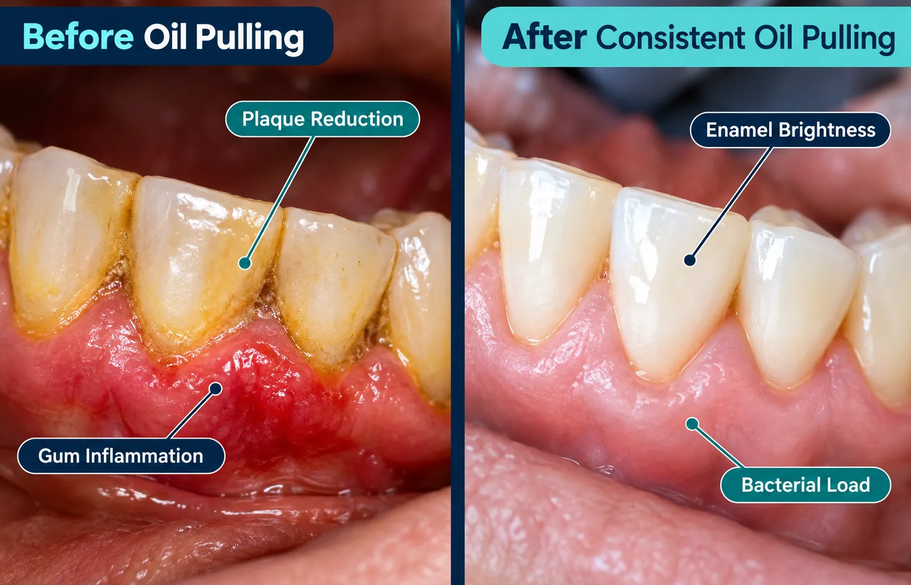
What Exactly Is Oil Pulling with Coconut Oil?
Oil pulling is a traditional folk remedy that involves swishing oil in your mouth for a period, typically 10 to 20 minutes, then spitting it out. The oil acts like a cleanser, supposedly “pulling” bacteria, toxins, and other debris from the oral cavity. While various oils can be used, sesame oil, sunflower oil, and olive oil are common; oil pulling with coconut oil has become particularly favored due to coconut oil’s unique composition and pleasant taste.
Coconut oil is rich in lauric acid, a medium-chain fatty acid known for its antimicrobial properties. When you swish coconut oil in your mouth, it saponifies, meaning it mixes with saliva and creates a soap-like substance. This process helps it to penetrate plaque and adhere to bacteria, effectively lifting them from the surfaces of your teeth and gums.
The practice of oil pulling, known in Ayurveda as “Kavala Graha” or “Gandusha,” dates back thousands of years. Ancient Ayurvedic texts describe it as a powerful method for purifying the body, strengthening the teeth and gums, and preventing numerous oral and systemic diseases.
Why Coconut Oil for Oil Pulling?
Coconut oil stands out for several compelling reasons, primarily its unique fatty acid profile. Approximately 50% of coconut oil is composed of lauric acid, a medium-chain triglyceride (MCT) known for its potent antimicrobial, antifungal, and antiviral properties.
Lauric acid is particularly effective because it can react with enzymes in saliva to form a soap-like substance. This substance then binds to bacteria and other debris, making it easier to remove them from your mouth. Studies have shown lauric acid to be effective against Streptococcus mutans, a primary culprit behind tooth decay.
Beyond its germ-fighting capabilities, coconut oil also offers:
- Palatability: Many find the mild, slightly sweet taste of coconut oil more pleasant than other oils, making the extended swishing process more tolerable.
- Availability: It’s widely accessible in most grocery stores and health food shops.
- Cost-effectiveness: Generally, it’s an affordable option compared to some specialty oral hygiene products.

14 Benefits of Oil Pulling with Coconut Oil
1. 🦠 Kills Harmful Bacteria in Your Mouth
Your mouth hosts over 700 species of bacteria. Some are helpful; many are not. Streptococcus mutans is one of the primary culprits behind tooth decay and gum disease.
A study published in the Journal of Contemporary Dental Practice found that oil pulling was just as effective as chlorhexidine mouthwash at reducing S. mutans levels in saliva. The lauric acid in coconut oil disrupts bacterial cell membranes, essentially breaking them apart.
“Lauric acid reacts with sodium hydroxide in saliva to form sodium laurate, a natural soap-like substance that cleans the mouth.”
2. 💨 Eliminates Bad Breath (Halitosis)
Bad breath affects roughly 1 in 4 people on a regular basis, and its primary cause is volatile sulfur compounds (VSCs) produced by bacteria on the tongue and gums.
Oil pulling with coconut oil addresses bad breath at the source by reducing the bacterial load that creates those odor-causing compounds. Research has shown it to be as effective as commercial mouthwash for reducing halitosis, without the alcohol or artificial chemicals.
3. 🦷 Reduces Plaque Buildup
Plaque is a sticky film of bacteria that forms on your teeth daily. Left unchecked, it hardens into tartar and leads to cavities and gum disease.
A clinical study in the Nigerian Medical Journal found that participants who practiced oil pulling for 45 days showed a statistically significant reduction in plaque scores compared to their baseline. The swishing action combined with coconut oil’s antimicrobial properties creates a one-two punch against plaque.
4. 🩺 Fights Gingivitis and Supports Gum Health
Gingivitis, the early stage of gum disease, affects nearly half of all adults over 30 in the United States. Symptoms include red, swollen, or bleeding gums.
Because oil pulling reduces the bacteria responsible for gingivitis, regular practice can lead to measurable improvements in gum health. Multiple studies have found reductions in gingival index scores (a measure of gum inflammation) after consistent oil pulling routines.
5. 🌟 Whitens Teeth Naturally
Coconut oil doesn’t bleach teeth the way hydrogen peroxide does, but it can help remove surface stains over time. The mechanical action of swishing pulls away pigment-causing residue from coffee, tea, and food.
Many people report noticeably brighter teeth after a few weeks of consistent practice. While this isn’t a replacement for professional whitening, it’s a gentle, chemical-free option.
6. 🔥 Reduces Inflammation Throughout the Body
This is where oil pulling gets really interesting. Oral health and systemic inflammation are deeply connected. Chronic gum disease has been linked to heart disease, diabetes, and even Alzheimer’s disease.
By reducing oral bacteria and inflammation in the mouth, oil pulling may help lower the body’s overall inflammatory burden. Coconut oil’s lauric acid and capric acid both have documented anti-inflammatory properties that support this effect.
7. 💪 Strengthens Gums and Jaw Muscles
The act of swishing oil vigorously for 15-20 minutes is actually a mild workout for your jaw and facial muscles. Over time, this can strengthen the muscles that support your gums and teeth.
This is a small but real benefit, especially for people who experience jaw tension or want to maintain strong oral musculature as they age.
8. 🛡️ May Help Prevent Cavities
Cavities form when acid-producing bacteria erode tooth enamel. Since oil pulling reduces S. mutans and overall bacterial load, it logically follows that it may help reduce cavity risk.
A 2016 study in the Journal of Clinical and Diagnostic Research found that children who practiced oil pulling showed significant reductions in S. mutans counts, a key predictor of cavity formation.
9. 😴 Improves Sleep Quality (Indirectly)
This one surprises most people. Poor oral health is linked to sleep-disrupting conditions like sleep apnea and teeth grinding (bruxism). Chronic oral inflammation can also contribute to systemic stress responses that interfere with sleep.
By reducing oral inflammation and bacterial load, oil pulling may contribute to a calmer, healthier baseline, which supports better sleep over time. It’s not a direct sleep aid, but it’s one more reason to add it to your morning routine.
10. 🧠 Supports Cognitive Clarity
Ayurvedic practitioners have long claimed that oil pulling improves mental clarity and reduces “brain fog.” While clinical evidence for this specific claim is limited, there’s a plausible mechanism: chronic low-grade inflammation (often fueled by oral bacteria) is associated with cognitive decline.
Reducing oral inflammation through regular oil pulling with coconut oil may, over time, support sharper focus and mental clarity, especially for those dealing with inflammation-related fatigue.
11. 🌿 Detoxifies the Oral Environment
One of the oldest claims about oil pulling is that it “detoxifies” the body by pulling toxins out through the oral mucosa. Modern science doesn’t fully support the dramatic detox claims sometimes made online, but there is evidence that oil pulling removes bacteria, fungi, and their metabolic byproducts from the mouth.
Spitting out the oil after swishing removes these substances from your body, a legitimate, if modest, form of oral detoxification.
12. 💊 Chemical-Free Alternative to Commercial Mouthwash
Most commercial mouthwashes contain alcohol, artificial dyes, fluoride, and preservatives. For people with sensitivities or those pursuing a more natural lifestyle, oil pulling with coconut oil offers a clean-label alternative.
| Feature | Coconut Oil Pulling | Commercial Mouthwash |
|---|---|---|
| Alcohol content | None | Often 20-26% |
| Artificial ingredients | None | Dyes, preservatives |
| Antimicrobial action | ✅ Yes (lauric acid) | ✅ Yes (chlorhexidine) |
| Cost per use | ~$0.05,$0.10 | ~$0.20,$0.50 |
| Taste | Mild, pleasant | Strong, medicinal |
13. 🤒 May Reduce Throat Dryness and Sore Throat Symptoms
The coating action of coconut oil can soothe irritated throat tissue. Some practitioners use oil pulling at the first sign of a scratchy throat or mild illness. While it’s not a medical treatment, the anti-inflammatory and antimicrobial properties of coconut oil may offer mild relief.
This is especially useful in 2026, as more people are looking for natural, at-home wellness practices to complement conventional care.
14. 💰 Incredibly Affordable and Accessible
A jar of high-quality organic virgin coconut oil costs around $10- $15 and can last 2-3 months of daily use. That makes oil pulling one of the most cost-effective oral health practices available: no subscription, no dentist visit, no special equipment required.
All you need is:
- 1 tablespoon of organic, unrefined coconut oil
- 15-20 minutes of your morning
- A trash can to spit into (never the sink; oil can clog pipes!)

Risks and Side Effects of Oil Pulling with Coconut Oil
While oil pulling with coconut oil is generally considered safe for most people, it’s important to be aware of potential risks and side effects. Being informed ensures you practice it safely and effectively.
1. Digestive Upset (If Swallowed)
The most significant risk is accidentally swallowing the oil after swishing. The oil will be laden with bacteria, toxins, and food debris that you’re trying to remove from your mouth.
Swallowing it can lead to an upset stomach, nausea, or diarrhea, as you’re reintroducing those unwanted substances into your system. Always spit it out.
2. Allergic Reactions
Though rare, some individuals may have an allergic reaction to coconut oil. Symptoms could include itching, swelling, or a rash in the mouth or throat. If you experience any signs of an allergic reaction, discontinue use immediately.
3. Jaw Strain or Pain
For some, especially those with temporomandibular joint (TMJ) disorders or sensitive jaw muscles, the prolonged swishing motion can lead to jaw fatigue, discomfort, or even pain. If this happens, reduce the swishing time or the intensity of the swishing. Starting with shorter durations (e.g., 5 minutes) and gradually increasing can help your jaw muscles adapt.
4. Headaches
Anecdotally, some people report mild headaches during their initial oil pulling sessions. This might be attributed to a “detox” effect or simply the unfamiliar muscular exertion. Usually, this subsides with continued practice, but if headaches persist or are severe, it’s wise to stop.
5. No Replacement for Professional Dental Care
This isn’t a “risk” in the traditional sense, but a crucial caveat. Oil pulling with coconut oil is a complementary therapy. It does not remove hardened plaque (tartar) or cure advanced gum disease or existing cavities.
Regular dental check-ups, professional cleanings, brushing, and flossing remain the foundational pillars of good oral health. Relying solely on oil pulling and neglecting standard dental care can lead to serious oral health issues.
6. Clogged Drains
As mentioned, spitting coconut oil down the sink or toilet can lead to clogged pipes over time, especially in colder climates where the oil solidifies easily. Always spit the oil into a trash can.
7. Exacerbation of Existing Conditions (Rare)
For individuals with certain pre-existing conditions, particularly severe oral infections or very sensitive oral tissues, oil pulling might, in rare cases, exacerbate symptoms or cause irritation. If you have any serious oral health concerns, it’s always best to consult with your dentist before starting oil pulling.
Who Should Be Cautious?
- Pregnant or Breastfeeding Women: While generally considered safe, it’s always wise to consult a healthcare provider before introducing new practices.
- Children: Young children might accidentally swallow the oil, so it’s not recommended for them.
- Individuals with Mouth Sores or Open Wounds: The oil may irritate open sores.
By being mindful of these potential risks and following proper technique, you can safely integrate oil pulling with coconut oil into your wellness routine.
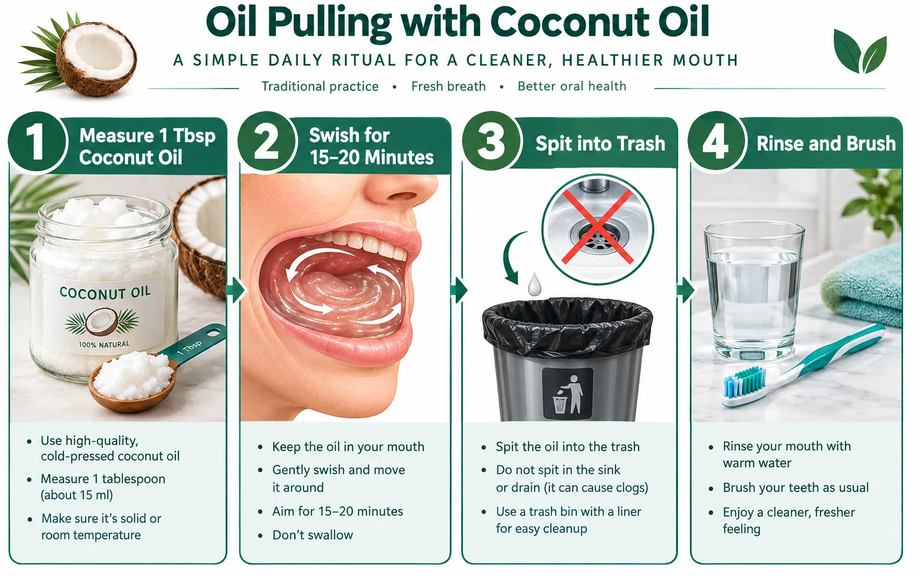
How to Do Oil Pulling with Coconut Oil: A Step-by-Step Guide
Incorporating oil pulling with coconut oil into your routine is simple once you get the hang of it.
Step 1: Choose Your Timing
The best time to oil pull is first thing in the morning on an empty stomach, before you’ve eaten or even had water. This is when the mouth has the highest concentration of bacteria after a night of sleep. Some people also do it before meals during the day, but morning is generally preferred.
Step 2: Measure the Oil
Take 1 tablespoon (about 15 ml) of organic, virgin, unrefined coconut oil. If coconut oil is solid at room temperature, it will liquefy quickly in your mouth. For beginners, you might start with 1 teaspoon (5 ml) and gradually increase as you get used to the sensation.
Step 3: Swish the Oil
Put the oil in your mouth and begin to gently swish it around. The goal is not vigorous gargling, but a gentle, steady movement, pushing and pulling the oil through your teeth and around your gums.
- Do NOT gargle: This increases the risk of accidentally swallowing or inhaling the oil.
- Do NOT swallow the oil: The oil will be full of bacteria and toxins you’ve pulled from your mouth. Swallowing it would reintroduce these into your system.
Step 4: Time It Right
Aim for 10-20 minutes of swishing.
- Beginners: Start with 5 minutes and gradually work your way up. Even 5-10 minutes can offer benefits.
- Optimal: 15-20 minutes is often considered ideal for maximum effect.
- The oil will typically become thin and milky white by the end of the session as it emulsifies with your saliva.
Step 5: Spit It Out
When you’re finished, spit the oil into a trash can. Do NOT spit it into a sink or toilet. Coconut oil solidifies at cooler temperatures and can clog pipes over time. Wrap it in a tissue and dispose of it in the garbage.
Step 6: Rinse and Cleanse
Thoroughly rinse your mouth with warm water (salt water is even better for its antimicrobial properties) to remove any residual oil and loosened toxins. Then, brush your teeth as usual.
Frequency
For best results, aim to oil pull daily. Consistency is key with this practice. If daily isn’t feasible, try for 3-5 times a week.
What Kind of Coconut Oil Should You Use?
For oil pulling, it’s best to use organic, virgin, unrefined coconut oil.
- Organic: Ensures the coconuts were grown without pesticides.
- Virgin (or Extra Virgin): Means the oil was extracted without harsh chemicals, retaining more of its beneficial compounds like lauric acid.
- Unrefined: Similar to virgin, it means the oil has not been processed or deodorized, preserving its natural properties and mild coconut flavor.
Avoid refined coconut oil, as it often loses many of its beneficial compounds during processing.
FAQs
1. How often should I oil pull?
Most proponents recommend oil pulling daily, first thing in the morning, for the best results. Some choose to do it 3-4 times a week, which can still provide benefits. Consistency is more important than sporadic intense sessions.
2. Can I use other oils besides coconut oil?
Yes, traditionally, sesame oil was commonly used in Ayurveda, and sunflower oil is also an option. However, coconut oil is widely favored today due to its pleasant taste and the potent antimicrobial properties of lauric acid. If you’re allergic to coconut, sesame, or sunflower oil, olive oil would be a good alternative.
3. How long does it take to see results?
Results vary from person to person. Some people notice fresher breath and a cleaner feeling almost immediately. Improvements in gum health, plaque reduction, and teeth whitening might take several weeks to a few months of consistent daily practice. Remember, patience is key!
4. Is oil pulling safe for children?
It’s generally not recommended for young children, primarily due to the risk of accidentally swallowing the oil. Children need to have sufficient control to swish and spit without ingesting it. Always consult with a pediatric dentist if considering it for older children.
5. Will oil pulling cure my cavities?
No, oil pulling does not cure existing cavities. Once a cavity has formed, a dentist must treat it to restore the tooth. Oil pulling can help prevent new cavities by reducing harmful bacteria and plaque, but it cannot reverse damage that has already occurred.
6. Can oil pulling replace brushing and flossing?
Absolutely not! Oil pulling is a complementary practice. It should always be done in addition to your regular routine of brushing twice a day with fluoride toothpaste and flossing daily. It does not mechanically clean your teeth and gums in the same way brushing and flossing do, nor does it remove tartar.
7. Why do I have to spit the oil into the trash and not the sink?
Coconut oil solidifies at cooler temperatures (below 76°F or 24°C). If you spit it down your sink or toilet drain regularly, it can accumulate in your pipes, solidify, and cause significant clogs over time. Disposing of it in the trash prevents this plumbing issue.
8. Can oil pulling remove tartar (hardened plaque)?
No, oil pulling cannot remove tartar. Tartar (calculus) is hardened plaque that firmly adheres to your teeth and can only be removed by a dental professional using specialized instruments during a professional cleaning. Oil pulling can help prevent new plaque from forming and hardening, but it won’t scrape off existing tartar.
Conclusion
Oil pulling with coconut oil is one of those rare practices where ancient wisdom and modern science actually align, at least for oral health. The evidence is clear that it can meaningfully reduce harmful bacteria, plaque, and gum inflammation when used consistently. It’s affordable, accessible, and easy to integrate into a morning routine.
However, it’s critical to approach oil pulling with a balanced perspective. It is not a miracle cure, nor should it ever replace the cornerstones of modern dental care.
Plus, be mindful of proper technique to avoid swallowing the oil and dispose of it responsibly to protect your plumbing. If you have existing oral health concerns, always consult your dentist before starting.


