Have you ever wondered why olive oil has become synonymous with healthy living and longevity? For thousands of years, olive oil has been a cornerstone of Mediterranean cuisine and traditional medicine. In recent decades, scientific research has validated what ancient civilizations intuitively understood—olive oil is far more than just a cooking ingredient. It’s a nutritional powerhouse with remarkable therapeutic properties.
Whether you’re seeking to optimize your cardiovascular health, enhance your skincare routine, or discover natural alternatives to conventional products, olive oil offers a comprehensive solution. This article explores 35 proven health benefits and uses of olive oil, examining the science behind its remarkable properties and how to incorporate this liquid gold into your daily life.
What Is Olive Oil?
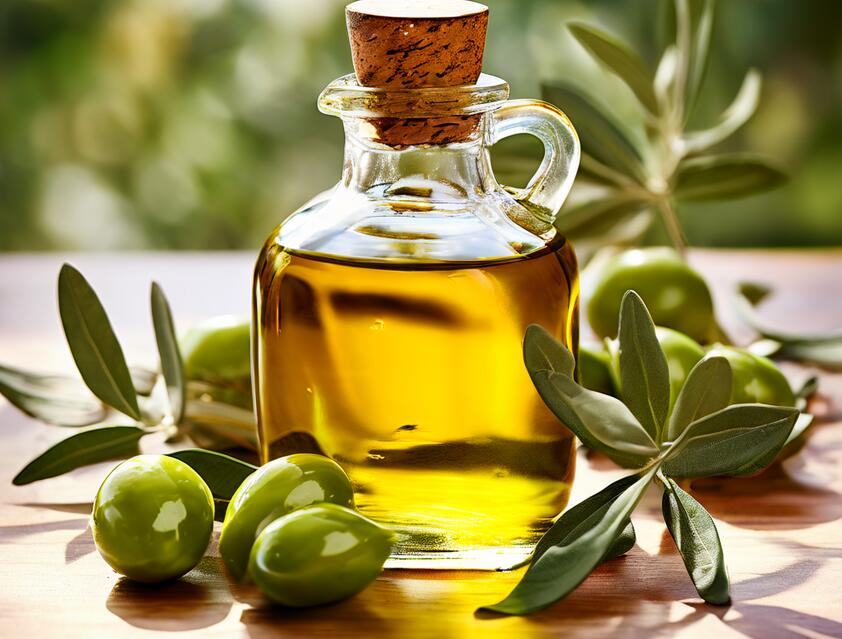
Olive oil is a liquid fat extracted from olives, the fruit of the Mediterranean olive tree (Olea europaea). Produced through pressing or crushing olives, traditional methods yield oil containing the fruit’s complete nutrient profile. The extraction process distinguishes different olive oil grades, with extra virgin olive oil representing the least processed, most nutrient-dense option.
Olive oil’s composition features primarily oleic acid, a monounsaturated fatty acid that dominates the oil’s beneficial properties. Unlike refined oils stripped of their phytonutrients, extra virgin olive oil retains polyphenols—powerful plant compounds delivering anti-inflammatory and antioxidant effects.
Types of Olive Oil
Not all olive oils are created equal! Understanding the differences can significantly impact your cooking and health benefits.
- Extra Virgin Olive Oil (EVOO): This is the highest quality and most expensive type. It’s made from pure, cold-pressed olives and has superior flavor, aroma, and a higher content of antioxidants and polyphenols.
- Virgin Olive Oil: Produced using similar methods to EVOO but with a slightly higher acidity level (up to 2%). It has a good flavor but is not as robust as EVOO. It’s suitable for general cooking.
- Refined Olive Oil: This oil has been processed to remove flaws, which also strips away much of its flavor, color, and beneficial compounds. It has a neutral taste and a higher smoke point, making it suitable for high-heat cooking and deep-frying.
- Light Olive Oil: Don’t be fooled by the name! “Light” refers to its lighter color and milder flavor, not fewer calories or fat. It’s refined olive oil, often blended, with a neutral taste and higher smoke point.
- Olive Pomace Oil: This is the lowest quality olive oil, extracted from the leftover pulp and pits (pomace) after the first pressing, using solvents and heat. It’s then refined.
Nutrition Facts of Olive Oil
Olive oil’s nutritional profile demonstrates why it maintains such prominence in health-conscious nutrition:
| Nutrient | Amount per 1 tbsp (15ml) |
|---|---|
| Calories | 119 kcal |
| Total Fat | 13.5 grams |
| Monounsaturated Fat | 9.9 grams |
| Polyunsaturated Fat | 1.4 grams |
| Saturated Fat | 1.9 grams |
| Omega-3 Fatty Acids | 103 mg |
| Omega-6 Fatty Acids | 1,318 mg |
| Vitamin E | 1.94 mg |
| Vitamin K | 8.1 mcg |
| Polyphenols | 30–100+ mg |
Beyond these macronutrients, extra virgin olive oil contains valuable phytonutrients including hydroxytyrosol, tyrosol, and oleocanthal—compounds delivering potent anti-inflammatory benefits comparable to pharmaceutical interventions.

35 Amazing Health Benefits and Uses of Olive Oil
1. Supports Heart Health and Reduces Cardiovascular Disease Risk
The cardiovascular benefits of olive oil form the foundation of the Mediterranean diet’s renowned health properties. Numerous large-scale studies have demonstrated that regular olive oil consumption significantly reduces the risk of heart disease, stroke, and related cardiovascular conditions.
Plus, the polyphenols in olive oil reduce inflammation in blood vessel walls, improve endothelial function, and prevent the oxidation of LDL cholesterol. The monounsaturated fats in olive oil also help maintain healthy cholesterol ratios without the adverse effects sometimes associated with saturated fats, making it an ideal choice for cardiovascular health.
2. Reduces Blood Pressure
Hypertension represents one of the leading risk factors for cardiovascular disease and stroke. Research has consistently shown that olive oil consumption leads to measurable reductions in both systolic and diastolic blood pressure.
The oleocanthal compound in olive oil functions similarly to ACE inhibitor medications, helping blood vessels relax and reducing overall blood pressure. A meta-analysis of multiple studies found that individuals consuming at least 2 tablespoons of extra virgin olive oil daily experienced significant blood pressure reductions.
3. Improves Cholesterol Profile
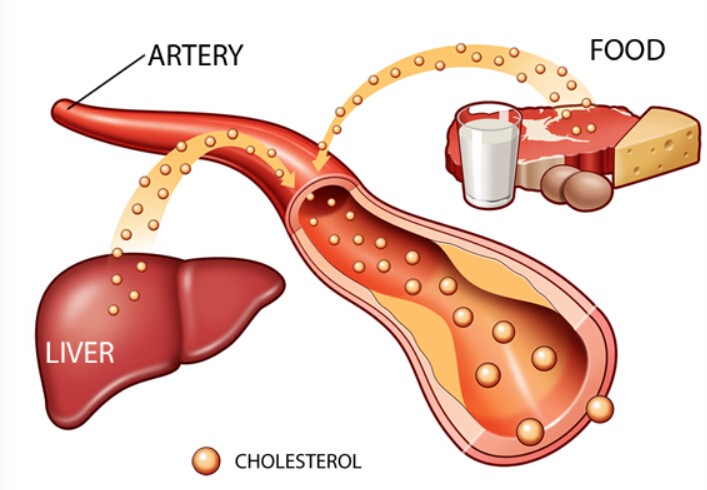
Contrary to the outdated belief that all fats are harmful, olive oil consumption improves overall cholesterol profiles. It raises HDL (good) cholesterol while helping to prevent the oxidation of LDL (bad) cholesterol, which is the primary culprit in plaque formation.
Research demonstrates that the polyphenols in extra virgin olive oil specifically prevent LDL oxidation—a crucial mechanism in preventing atherosclerosis development. This is particularly important because it’s not simply the presence of LDL cholesterol that causes disease, but rather its oxidized form that damages arterial walls.
4. Stabilizes Blood Sugar Levels
For individuals managing diabetes or prediabetes, olive oil offers significant benefits. The monounsaturated fats in olive oil slow gastric emptying and increase insulin sensitivity, preventing rapid spikes in blood glucose levels after meals.
A study in Diabetes Care found that a Mediterranean diet rich in olive oil improved insulin sensitivity in participants with type 2 diabetes more effectively than low-fat diets. The polyphenols may also activate signaling pathways that enhance cellular glucose uptake.
5. Enhances Brain Function and Cognitive Health
Emerging research suggests that olive oil’s polyphenols may cross the blood-brain barrier and provide neuroprotective benefits. The antioxidants in olive oil combat oxidative stress and neuroinflammation, two key contributors to cognitive decline.
A study published in JAMA Neurology found that individuals consuming the most olive oil showed slower cognitive decline compared to those consuming the least. The polyphenol oleocanthal may promote the clearance of amyloid-beta, the protein that accumulates in Alzheimer’s disease.
6. Supports Bone Health and Prevents Osteoporosis
The polyphenols in olive oil may help maintain bone density and prevent osteoporosis by reducing bone resorption and promoting bone formation. Research in the American Journal of Clinical Nutrition found that postmenopausal women consuming olive oil had better bone density scores compared to those consuming other oils.
The antioxidant properties of olive oil may protect bone-forming osteoblasts from oxidative damage. Plus, the anti-inflammatory effects reduce the inflammatory cytokines that trigger bone loss.

7. Supports Weight Management Without Caloric Deprivation
Contrary to the assumption that fat-rich foods promote weight gain, olive oil can actually support healthy weight management. The monounsaturated fats in olive oil increase satiety, helping individuals feel fuller longer and naturally consume fewer calories.
Additionally, the polyphenols in olive oil may increase fat oxidation and reduce appetite-stimulating hormones. A study in the European Journal of Nutrition found that participants consuming olive oil as part of Mediterranean diets achieved better weight loss outcomes than those following low-fat diets.
8. Reduces Inflammation Throughout the Body
Chronic inflammation underlies most modern diseases, including heart disease, cancer, diabetes, and Alzheimer’s disease. Olive oil’s polyphenols have natural anti-inflammatory agents. It can help reduce systemic inflammation without the side effects of pharmaceutical anti-inflammatory medications.
Research demonstrates that oleocanthal works through similar mechanisms as ibuprofen, inhibiting inflammatory enzymes and reducing inflammatory cytokines.
9. Fights Harmful Microorganisms
The polyphenols in olive oil possess antimicrobial properties effective against various pathogenic bacteria, fungi, and viruses. Oleocanthal and other polyphenols have demonstrated activity against Helicobacter pylori (a bacterium associated with ulcers), various Staphylococcus species, and Candida species.
Research in Phytotherapy Research found that olive oil polyphenols were effective against food-borne pathogens, suggesting potential benefits for both internal health and food safety. This antimicrobial action makes olive oil valuable for supporting immune function and potentially preventing certain infections.
10. Supports Digestive Health
The anti-inflammatory and antimicrobial properties of olive oil benefit the entire digestive system. The oil promotes healthy gut microbiome composition, reducing harmful bacteria while supporting beneficial microorganisms.
Research in the journal found that olive oil supplementation improved symptoms in patients with inflammatory bowel conditions. The polyphenols may also promote the production of short-chain fatty acids. Additionally, olive oil’s gentle laxative properties can support regular bowel function without the harshness of some other remedies.

Beauty and Skincare Benefits
11. Natural Facial Moisturizer
Olive oil serves as an effective natural moisturizer for facial skin, particularly for dry or sensitive skin types. Its fatty acids penetrate the epidermis, providing deep hydration while forming a protective barrier against environmental stressors.
A study in the International Journal of Cosmetic Science found that olive oil significantly improved skin hydration and barrier function in individuals with xerosis and sensitive skin. Unlike many commercial moisturizers containing synthetic compounds, olive oil nourishes skin with bioactive compounds that support skin health at the cellular level.
12. Removes Makeup Effectively
The lipophilic properties of olive oil make it excellent for dissolving and removing makeup, including waterproof formulations. Unlike harsh commercial makeup removers that strip skin of natural oils, olive oil gently breaks down makeup while simultaneously nourishing the skin.
Many estheticians recommend olive oil as a natural makeup remover, particularly for sensitive skin prone to irritation. Its gentle yet effective action leaves skin clean, moisturized, and conditioned rather than dry and compromised.
13. Reduces Wrinkles and Signs of Aging
The antioxidants in olive oil, particularly polyphenols and vitamin E, combat free radical damage that accelerates skin aging. These compounds neutralize reactive oxygen species, preventing DNA damage to skin cells and supporting the skin’s natural repair mechanisms.
Research in Pharmaceutical Biology found that olive oil improved skin elasticity, reduced fine lines, and promoted collagen production. Regular topical application may significantly slow visible signs of aging while supporting the skin’s natural regenerative processes.
14. Treats Acne-Prone Skin
Contrary to the myth that oil worsens acne, olive oil’s antimicrobial and anti-inflammatory properties can actually improve acne-prone skin. The polyphenols in olive oil inhibit the growth of Propionibacterium acnes, the bacterium primarily responsible for acne development.
Additionally, the anti-inflammatory compounds reduce the redness and inflammation characteristic of acne breakouts. A study in the Journal of Dermatological Treatment found that olive oil improved acne symptoms when used as part of a comprehensive skincare regimen, particularly when combined with proper cleansing practices.

15. Soothes Eczema and Psoriasis
The anti-inflammatory and antimicrobial properties of olive oil provide relief for inflammatory skin conditions. A randomized clinical trial published in the Journal of Dermatological Treatment found that olive oil was superior to standard treatments in reducing symptoms of atopic dermatitis, including redness, scaling, and itching.
For psoriasis sufferers, the anti-inflammatory compounds in olive oil help reduce the excessive skin cell proliferation and inflammation characteristic of the condition. Many patients report significant symptom improvement with regular topical application.
16. Natural Sun Protection (Modest SPF)
While not a replacement for dedicated sunscreen, olive oil does provide modest sun protection. Research in Photochemistry and Photobiology found that olive oil blocks approximately 20% of UVB rays, equivalent to an SPF of around 4-6.
For brief sun exposure or as a supplementary protection layer beneath commercial sunscreen, olive oil offers benefits while nourishing the skin. However, for extended outdoor activities, dedicated sunscreen remains necessary for adequate protection.
17. Promotes Faster Wound Healing
The polyphenols and fatty acids in olive oil support the skin’s natural wound healing processes. These compounds promote cellular proliferation, collagen synthesis, and angiogenesis (new blood vessel formation)—all crucial components of effective wound healing.
Research in Wound Repair and Regeneration demonstrated that wounds treated with olive oil healed faster with less scarring compared to untreated wounds. For minor cuts, burns, and abrasions, applying olive oil supports the skin’s natural healing while providing antimicrobial protection.
18. Reduces Under-Eye Circles and Puffiness
The anti-inflammatory properties of olive oil effectively reduce the appearance of under-eye circles and morning puffiness. Gently massaging a small amount around the eyes improves lymphatic drainage and circulation in this delicate area.
The antioxidants in olive oil also protect the thin under-eye skin from oxidative damage and support cellular health. Regular application helps smooth fine lines while addressing the underlying inflammation that contributes to dark circles.
19. Natural Lip Balm
The lips contain minimal oil glands, making them particularly susceptible to dryness and chapping. Olive oil’s natural emollients provide long-lasting moisture and protection.
Its antimicrobial properties help prevent infections in cracked or damaged lips, while the antioxidants protect against environmental damage. Many people find regular olive oil application maintains softer, healthier lips year-round, particularly in harsh weather conditions.

20. Improves Hair Health and Reduces Protein Loss
Similar to the benefits observed with coconut oil, olive oil reduces protein loss from hair when used as a pre-wash treatment. The monounsaturated fats and polyphenols penetrate the hair shaft, strengthening it from within and preventing damage during washing and styling.
Research in the Journal of Cosmetic Science found that olive oil was particularly effective for damaged, dry, and color-treated hair. Regular treatments restore shine, reduce frizz, and improve overall hair texture.
21. Treats Dandruff and Scalp Conditions
The antifungal and antimicrobial properties of olive oil effectively combat dandruff caused by the fungus Malassezia. Additionally, the anti-inflammatory compounds reduce scalp irritation and itching associated with seborrheic dermatitis.
Warm olive oil treatments applied to the scalp several times weekly significantly reduce flaking and inflammation. Many users report that consistent application resolves persistent dandruff more effectively than commercial products.
Culinary Uses and Benefits
22. Ideal for Low-Heat Cooking and Dressings
Extra virgin olive oil, with its lower smoke point around 190°C, is ideal for drizzling, salad dressings, dipping, and low-heat cooking applications where its delicate flavor and heat-sensitive polyphenols are preserved.
The distinctive taste of quality extra virgin olive oil enhances dishes without requiring additional salt or fat, supporting both flavor and nutritional objectives. Its use in Mediterranean cuisine has been validated by centuries of use and modern scientific research.
23. Supports Nutrient Absorption
Fat-soluble vitamins, including A, D, E, and K, require dietary fat for proper absorption. Olive oil consumed with nutrient-dense vegetables significantly enhances the bioavailability of carotenoids and other fat-soluble nutrients.
Research in the American Journal of Clinical Nutrition found that adding olive oil to vegetable-based salads increased the absorption of lycopene, lutein, and beta-carotene substantially. This makes olive oil-based salad dressings not merely flavorful but nutritionally strategic.
24. Natural Food Preservative
The antimicrobial polyphenols in olive oil act as natural preservatives, extending the shelf life of foods and reducing bacterial contamination. Traditional Mediterranean cooking has long utilized olive oil to preserve vegetables, herbs, and other ingredients.
Research demonstrates that foods prepared with and stored in olive oil have significantly longer shelf life and reduced pathogenic bacterial growth compared to those prepared with other methods. This makes olive oil valuable for homemade condiments and preserved foods.
25. Supports Ketogenic and Low-Carb Diets
For individuals following low-carb or ketogenic diets, olive oil provides calorie-dense, nutrient-rich fat without carbohydrate content. The monounsaturated fats support satiety and stable energy levels without triggering blood sugar fluctuations.
The polyphenols may also enhance fat metabolism and metabolic flexibility, supporting the body’s transition to ketone utilization for energy.

Household and Other Uses
26. Natural Furniture Polish
The fatty acids in olive oil make it an excellent furniture polish that nourishes wood while removing dust and grime. Unlike petroleum-based products, it’s non-toxic, environmentally friendly, and produces a pleasant natural scent.
Regular application helps prevent wood drying and cracking while restoring natural luster. The antimicrobial properties also reduce bacteria on frequently touched wooden surfaces.
27. Leather Conditioner
The moisturizing properties of olive oil penetrate leather fibers, preventing drying, cracking, and deterioration. A small amount worked into leather shoes, bags, and furniture restores suppleness and extends lifespan.
The natural water-resistant properties of olive oil provide protective benefits against minor spills and environmental exposure.
28. Natural Lubricant
The slick texture of olive oil makes it an effective lubricant for squeaky doors, drawers, hinges, and other household mechanisms. Unlike petroleum-based lubricants, olive oil is biodegradable and food-safe, making it ideal for kitchens and households with children and pets.
The oil’s inherent stability provides lasting lubrication without becoming sticky or degrading quickly.
29. Removes Sticker Residue and Adhesives
The oleic acid in olive oil effectively breaks down adhesives, making it valuable for removing sticker residue, price tags, and gum from various surfaces. Simply apply and allow it to penetrate before wiping away.
This gentle approach is safer than harsh chemical removers for many surfaces, particularly delicate materials, while leaving a pleasant natural scent rather than chemical odors.
30. Season Cast Iron Cookware
The high smoke point and fatty acid composition of olive oil make it suitable for seasoning cast iron cookware. The oil polymerizes when heated, creating a durable non-stick surface that improves with repeated use.
Many culinary professionals prefer olive oil for this application due to the smooth, attractive finish it creates.
31. Natural Insect Repellent
When combined with essential oils like lavender, peppermint, or citronella, olive oil provides an effective natural insect repellent base. The fatty acids derived from olive oil have demonstrated repellent activity against various insect species.
This provides a chemical-free alternative to commercial repellents, particularly valuable for individuals with sensitive skin or concerns about conventional pesticide ingredients.
32. Condition Wooden Cutting Boards
Food-grade olive oil is ideal for conditioning wooden cutting boards and utensils, preventing drying, cracking, and deterioration while creating a naturally antimicrobial surface.
Regular application extends the lifespan of wooden kitchen tools while maintaining their appearance and functionality. The renewable source of olive oil makes this an environmentally sustainable choice.
33. Preserve Herbs and Vegetables
Olive oil preserves fresh herbs and vegetables, extending their shelf life while infusing the oil with flavor. This traditional preparation method creates culinary oils while preventing spoilage.
The antimicrobial properties of olive oil inhibit bacterial growth while the anaerobic environment preserves nutrients and flavors.
34. Natural Metal Polish and Rust Prevention
A light coating of olive oil protects metal tools and implements from rust and corrosion by creating a moisture barrier. This is particularly valuable in humid environments or for items frequently exposed to water.
The application is especially useful for kitchen knives, garden tools, and other metal items. The edible nature of olive oil makes it safe for food preparation implements.
35. Support for Cognitive and Emotional Wellbeing
Beyond physical health benefits, the polyphenols in olive oil may support emotional and cognitive wellbeing through multiple mechanisms. The anti-inflammatory and antioxidant compounds protect neural tissue from damage while supporting neurotransmitter synthesis.
Research suggests that individuals consuming olive oil regularly experience improved mood, reduced anxiety, and better overall psychological well-being.

Potential Side Effects and Risks ⚠️
While olive oil is generally safe and beneficial for most people, certain considerations warrant attention:
Digestive Sensitivity: Some individuals experience mild digestive upset, including loose stools or abdominal discomfort, particularly when consuming large quantities. Starting with small amounts and gradually increasing consumption typically allows the digestive system to adapt.
Caloric Density: Olive oil remains calorie-dense at 119 calories per tablespoon. Individuals monitoring caloric intake should account for these calories rather than viewing olive oil as a “free” food. Measured portions support health benefits while maintaining weight management goals.
Potential Skin Sensitivity: Though rare, some individuals experience skin reactions to topical olive oil application, particularly those with extremely sensitive skin. A patch test before widespread application can identify potential reactions.
Medication Interactions: Olive oil’s anticoagulant properties may interact with blood-thinning medications. Individuals taking warfarin, aspirin, or other anticoagulants should consult healthcare providers before significantly increasing olive oil consumption.
How to Choose Quality Olive Oil?
Not all olive oils are created equal. Here’s a quick guide to picking the right one:
- ✅ Extra Virgin Olive Oil (EVOO): The gold standard. Cold-pressed, unrefined, highest in polyphenols and antioxidants. Best for raw use and low-to-medium heat cooking.
- ✅ Virgin Olive Oil: Slightly lower quality than EVOO but still unrefined. Good for everyday cooking.
- ⚠️ Pure/Refined Olive Oil: Processed and blended. Lower in nutrients but has a higher smoke point. Use for high-heat cooking.
- ❌ Olive Pomace Oil: Extracted with solvents from olive pulp. The lowest grade; avoid for health-focused uses.
🏷️ Pro Tip: Look for a harvest date on the bottle (not just a “best by” date), choose dark glass packaging to protect from light, and buy from reputable producers. Freshness matters enormously with EVOO.
Final Thoughts
Olive oil is far more than just a cooking ingredient; it’s a powerful natural food that embodies centuries of wellness tradition. From boosting heart health to supporting cognitive function, its benefits are extensive and well-supported by science.
By choosing high-quality extra virgin olive oil and incorporating it thoughtfully into your daily routine, you’re not just adding flavor to your meals; you’re investing in a cornerstone of a healthy and vibrant lifestyle.