“Pain On right side” refers to pain in the right side of the chest or abdominal area. The right side of the human body contains many vital organs, including the lungs, kidneys, liver, pancreas, and large intestine. Some diseases, inflammation, or infection in any organs can cause pain. The pains usually range from mild discomfort to dull, intense, sharp tingling.
Many people worry that the pain on the right side of the body is related to the heart. However, heart attack or angina usually occurs on the left side of the body because the heart is located on the left side of the chest. In most cases, the pain on the right side of the body may be caused by stress, anxiety, excessive gas, muscle strain, or heartburn.
This article will discuss the 26 causes and treatments of pain on the right side. However, before starting the article, you need to know which vital organs are on the right side of the body.
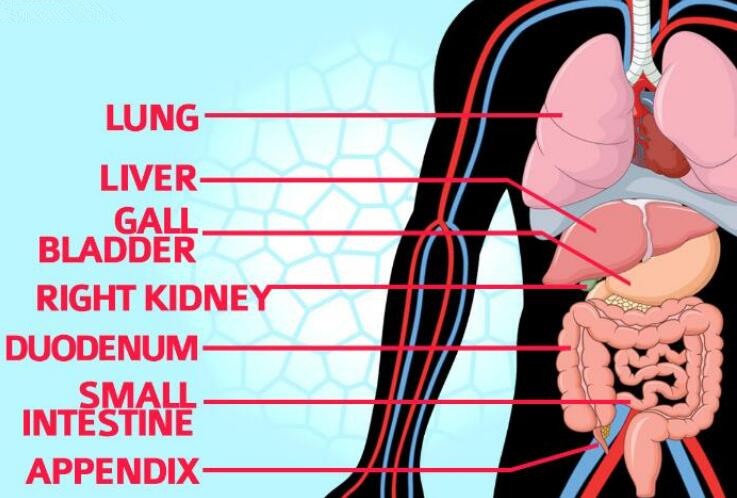
Organs on the Right Side of the Body
The right side of the body includes several organs as below:
1. Lungs
The lung is a significant portion of the human organ located at the right and left sides. With the duty of transferring oxygen in and pushing carbon dioxide out, this is one of the essential organs of the human body. While some portion is located on the right side of the body, the rest is left. Lung infections can cause sharp stabbing pains that may radiate to your back.
2. Right Kidney
Like the lungs, kidneys are located both on the left and the right side of the human body. The primary function of this organ is to push out all the toxins of the human body through urine.
3. Part of the Liver and gallbladder
The liver is sited under the ribcage on the right side of your body. It is a large meaty organ that can filter all the blood from the digestive tract. The gallbladder lies under the liver, which can also cause sharp pain below your ribcage.
4. Pancreas
The pancreas is located on the right side of the abdomen of the human body. It can convert all the food humans eat into fuel to charge the human body. Thus, it aids in the digestion of food and provides the required level of sugar to the body.
5. Large intestine
Another vital organ on the right side of the body is the large intestine. Also known as the large bowel, it absorbs water and makes the waste material stored in the form of feces. Thus, it allows the body to move poisonous material out of the body.
6. Appendix
The appendix is another vital organ on the right side of your abdomen. Infection or inflammation can cause severe pain in the lower part of your belly.
7. Right fallopian tube and ovary
The right fallopian tube and ovary live below the right side of the belly button. So, women are prone to suffer from right-side abdominal pain.
Other Important Organs on the Right Side:
- Gall bladder
- Duodenum
- Head of a pancreas
- Ascending Colon
- Right ureter
Causes of Pain on Right Side of the Chest
1. Heart attack
Although the pain caused by heart disease usually occurs on the left side of the chest, this pain can sometimes spread to the right side of the chest. The pain caused by heart disease usually happens suddenly, and it feels like a heavyweight on your chest.
2. Heartburn
Heartburn is also a common cause of pain on the right side of the chest. When stomach acid returns from the stomach to the esophagus, it causes irritation and discomfort on the right side. This pain is similar to a heart attack because the esophagus and the heart are very close. However, the pain of heartburn usually does not radiate to other parts of the body.
3. Muscle strain or chest injury
Muscle strain is one of the common causes of pain on the right side of your chest. Depending on the cause of the injury, the pain may be mild or severe. You may feel chest pain around the ribs, especially when moving or breathing deeply. Usually, applying ice or getting plenty of rest can help repair the muscle tissues.
Chest injuries are usually more severe conditions that cause excruciating pain on the right side. The pain typically occurs on the right side under the ribs. Other symptoms include nausea, vomiting, or low blood pressure. If the body’s internal organs are injured, you must seek medical attention in time.
4. Lung disease
Some lungs, such as collapsed lungs, pleurisy, or pneumonia, can also cause pain on the right side of the chest. Common causes are lung or respiratory tract infections caused by viruses or bacteria.
This pain can be severe in some cases and cause chest tightness, dizziness, and increased heart rate. The pain may spread to the shoulder blades and worsen when you breathe deeply or cough. If you experience severe pain, fever, or difficulty breathing, seek medical help immediately.
5. Stress, panic, or anxiety
Scientific research has found that stress, panic, or anxiety can cause a lot of conditions. It includes muscle tension, high blood pressure, rapid heartbeat, or digestive system dysfunction. Sometimes it causes mild pain on the right side of painful cramps in the chest. Fortunately, some natural remedies, such as running and yoga, can help you relieve stress, panic, or anxiety.
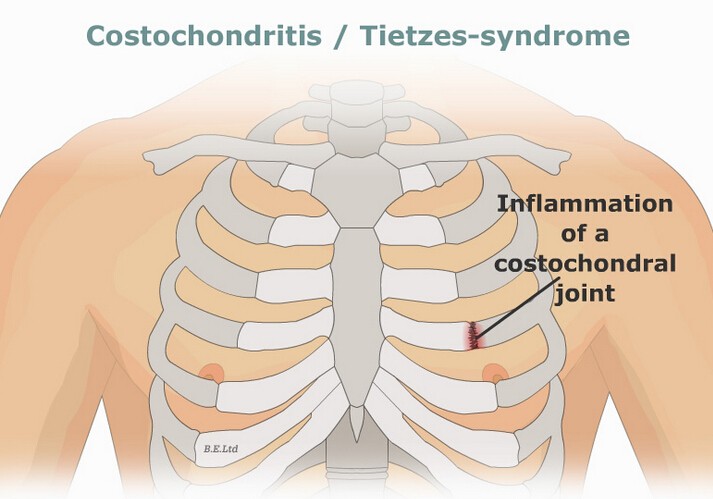
6. Costochondritis
Right side pain from Costochondritis Costochondritis is inflammation of the cartilage that connects the ribs to the sternum. This condition can cause severe pain in the chest, back, abdomen, or shoulder blades. The pain caused by costochondritis can be easily confused with a heart attack.
However, the pain caused by costochondritis usually affects the left side of the chest. Besides, the chest pain usually resolves on its own within 1 to 3 weeks. If you experience persistent right-side pain, you’d better see a doctor as soon as possible.
Causes of Pain on Right Side of the Abdominal Area
1. Appendicitis
Appendicitis is one of the common causes of severe pain in the right lower abdomen. The appendix is located on the lower right side of your abdomen. This is a small tube of tissue that extends from your large intestine. Appendicitis refers to an inflammation of the appendix. This condition happens when the appendix gets blocked by poop or a foreign body.
Pain from appendicitis often begins in the middle right side of the abdomen and goes down to the lower right part. As the condition worsens, abdominal pain will worsen.
In some cases, the pain can also radiate to your back or upper abdomen. Other symptoms include chills, fever, nausea, vomiting, or changes in bowel movement habits.
Appendicitis is a life-threatening condition. If your case is severe, you may be asked to undergo an appendectomy or surgery to remove the appendix. This can help prevent complications and protect other organs surrounding it.
2. Kidney Issues
Kidneys filter the blood and help remove waste from the body. If not taken care of, they may be prone to health problems. These include kidney infections, kidney stones, cancer, and urinary tract infections (UTIs).
If your right kidney is affected by these problems, you’ll probably feel acute pain on the right side of your abdomen. You can also suffer from pain anywhere from your pelvis to your ribs. In some cases, the pain often radiates to your groin or lower back.
Kidney stones are a buildup of minerals as well as salts. As these stones get bigger, the patient may feel pain while peeing and urinating.
When the stones pass through the tube, the patients may feel significant discomfort on the left or right side. Besides, the urine color may also turn brown or red. If the substance of urine turns cloudy, it may also be a symptom of kidney stones.
To prevent worsening kidney problems, follow a low-sodium, low-fat diet. Always drink no watcher, monitor your weight, and keep track of your blood pressure and sugar.
3. Liver Problems
Like the kidneys, the liver is prone to infection and damage as it deals with and gets rid of toxic substances in our bodies. Diseases related to the liver include hepatitis, cancer, and adenoma.
Liver disease can cause pain in the upper right abdomen and back. However, liver pain is usually caused by compressing abdominal organs or tissues. The liver itself does not cause pain because there are no nerve endings in the liver.
If untreated, the conditions that damage your liver might cause cirrhosis (scarring of the liver), which leads to liver failure. Liver failure is a life-threatening health issue. Therefore, it is vital to seek early treatment to uphold preventive measures.
For advanced cases of cirrhosis, a liver transplant will be necessary. Maintaining a healthy weight and eating safe food can help prevent liver problems. Hepatitis A and B vaccines can also help decrease the risk of contracting hepatitis.
4. Excessive Intestinal Gas
Intestinal gas refers to the air found in your digestive tract. Excessive intestinal gas can be caused by ingesting too much air, overeating, and smoking.
The pain caused by gas usually occurs just under your ribs. You will feel like something is stabbing you. The pain may feel like appendicitis or gallstone when the gas builds upon the colon.
It’s normal for a person to release gas up to 20 times a day through burping or farting. If gas builds up inside due to more undigested food, it can cause abdominal pain and bloat on the right side. Excessive gas can also indicate other more serious digestive problems like diabetes and lactose intolerance.
Mild cases of intestinal gas can be treated through natural remedies and lifestyle changes. Reducing your intake of dairy products, fatty foods, and carbonated beverages will be helpful.
Over-the-counter medications can also help relieve symptoms. However, if another health issue causes intestinal gas, you’d also have to treat the underlying condition.
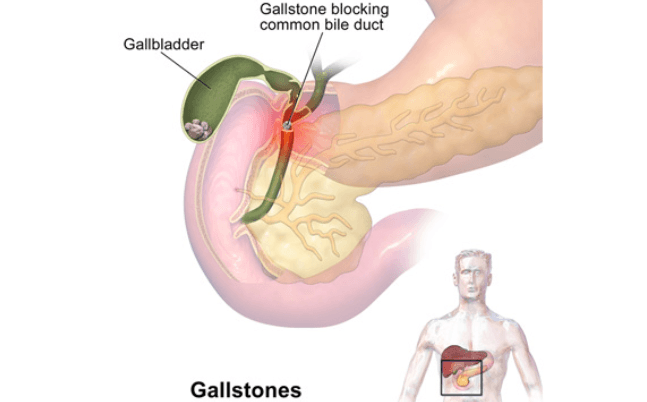
5. Gallstones Right side pain from gallstones
The gallbladder is located on the right side of your abdomen. It is a small organ beneath your liver. Gallstones are deposits of digestive fluid that form in the gallbladder. This can block the bile flow and cause sudden pain in the upper right portion of your abdomen.
A gallstone can cause intense pain in the right side, often mistaken for a heart attack. Because the pain is located on the right side of the body, you can identify the gallstone from other symptoms, such as nausea or vomiting. The pain may also appear in your back between your shoulder blades and lasts several minutes to a few hours. Other symptoms include chills, fever, jaundice, darkened urine, and clay-colored stool.
Sometimes, your doctor might recommend surgery that removes the gallbladder (cholecystectomy). Medications can also help dissolve gallstones. However, gallstones often recur. That’s why cholecystectomy is more often advised.
6. Dyspepsia
Dyspepsia or indigestion is the recurrent discomfort or pain in the upper abdomen that typically develops after eating or drinking. Other symptoms include bloating, heartburn, frequent farting, and burping.
Often, indigestion is caused by gastrointestinal reflux disease or acid reflux. You can treat mild indigestion through over-the-counter drugs that provide relief.
Treatment depends on which condition is the root cause of indigestion. If symptoms of indigestion continue to show, you’d better consult your doctor.
7. Gastritis
Another gastrointestinal issue that causes right-side pain is gastritis. It is characterized by an inflammation of the stomach lining that can occur suddenly or gradually. Gastritis has symptoms similar to dyspepsia.
Antibiotics can treat gastritis caused by bacterial infection. Antacids can also be prescribed to minimize stomach acid exposure and inflammation. If not treated, it can lead to more severe conditions like anemia, peritonitis, sepsis, or stomach cancer.
8. Peptic Ulcers
Peptic ulcers are open sores in the stomach, esophagus, or small intestine lining. Aside from right abdominal pain, it can cause nausea, dark and bloody stool, indigestion, and changes in appetite and weight.
These ulcers are usually caused by the bacteria H. pylori. The causes include excessive intake of alcohol, anti-inflammatory drugs, and smoking.
If bacteria is the confirmed cause of the ulcers, you will be given a combination of medications. This will include antibiotics to fight the infection and proton pump inhibitors to reduce stomach acid.
9. Pancreatitis
An inflamed pancreas will also make you feel intense pain in your upper right abdomen, which might worsen as time passes.
Pancreatitis usually causes severe pain near the belly button or on the right side of the stomach. In addition, the pain may appear all over the abdomen and radiate to your back. Additional symptoms of acute pancreatitis include fever, increased heart rate, nausea, vomiting, and smelly stools.
When diagnosed with pancreatitis, you may need to stay in the hospital. For severe cases, pancreas surgery may be required to rid fluid and damaged tissues.
10. Pulmonary Embolism
Right-side pain is caused by digestive problems or abnormalities in the organs inside the abdomen. It can also be due to a blood clot in the lungs, a condition medically known as pulmonary embolism.
A blood clot in the right lung may cause sharp, severe pain in the upper right abdomen. See your doctor immediately if you experience shortness of breath and coughing with blood-tinged sputum.
Your doctor may prescribe anticoagulants or blood thinners to prevent new blood clots from developing. Thrombolytics or clot dissolvers catalyze the breakdown of the clots. More intricate clots that block blood flow from the lungs to the heart may be removed through surgery.
11. Irritable Bowel Syndrome (IBS)
Irritable Bowel Syndrome is a common gastrointestinal disorder that affects the large intestine. Symptoms of IBS usually remain for a long time.
Irritable bowel syndrome can cause abdominal pain, cramps, constipation, and other gastrointestinal symptoms. The pain usually occurs around the lower abdomen or under the ribs. You may also experience altered bowel movement habits, bloating, and increased gas excretion.
Recovery from IBS mainly depends on lifestyle and diet adjustments. When experiencing IBS, you are advised to eat high-fiber foods and avoid high gas. Treatment for this syndrome focuses on relieving the symptoms.
12. Ulcerative Colitis
Ulcerative colitis is an inflammatory bowel disease (IBD) defined by continuous inflammation of the large intestine. Cramps caused by this disease usually occur in the lower right part of the abdomen.
Medications include anti-inflammatory drugs, immunosuppressants, and pain relievers. To eliminate ulcerative colitis, surgery to remove your colon and rectum is needed.
An ileoanal anastomosis surgery most commonly accompanies this procedure. The surgeon makes a pouch that connects the end of your small intestine to your anus. With this, you don’t need to wear a bag to collect the stool.
13. Crohn’s Disease
Crohn’s disease is also an inflammatory bowel disease, like ulcerative colitis. This condition is an inflammation most commonly found in the small intestine and colon. It can cause similar additional symptoms as other digestive tract issues. Anti-inflammatory medicines, immunomodulators, antibiotics, and surgery are the options for treatment.
14. Indigestion Right side pain from Indigestion
One of the most common reasons people may develop excruciating pain on the right side of the body is indigestion. Also known as dyspepsia, this problem occurs when a person eats or drinks something that the body cannot digest properly.
This pain appears in the lower backside of the abdomen, which gradually gets sharper. The indigestion symptoms include bloating the belly, sudden sickness, continuous burping, and heartburn.
In case this is a mild condition, it will go away quickly. This issue can be solved with the help of regular, over-the-counter medication. However, If you experience persistent right-side pain, you’d better see a doctor.
15. Constipation
Constipation is also one of the common causes of pain in the right abdomen. Constipation occurs when the speed of feces passing through the digestive tract is too slow or even unable to give. This condition is often caused by an unhealthy diet, insufficient fiber intake, or changes in living habits.
You can add high-fiber foods such as bran, vegetables, fruits, legumes, and whole-grain cereals to your diet to relieve symptoms. In addition, trying regular exercise and drinking plenty of water can help improve your condition.
Causes of Right Side Pain in Males
The cause of right abdominal pain in men may differ from that in women. These reasons mainly include urinary tract infections and chronic diseases.
1. Hernia
A hernia is a tear in the muscle or tissue that causes the organ to bulge out and hit the abdomen wall. Hernias can cause lower abdominal pain in men. The pain usually occurs in the groin and upper thigh area. It can also cause swelling beneath your abdominal skin, accompanied by pain around the lump.
If you notice a bulge in your abdomen and experience other symptoms like nausea, vomiting, fever, and chronic abdominal pain, seek emergency care. Early medical attention and lifestyle changes will minimize symptoms. But the only effective way to treat a hernia is through surgery.
2. Testicular Torsion
Testicular torsion can cause testicular pain left or right side. This condition occurs when a testicle is coiled. Testicular Torsion can also cause vomiting, nausea, testicular swelling, and burning when urinating.
In addition, prostatitis, an injury to the groin, or a bacterial infection can also lead to Sharp pain in one testicle. The pain is usually short-lived but can become continuous as the condition becomes more severe. In this case, you’d better seek medical help in time.
Causes of Right-Side Abdominal Pain in Females
1. Menstrual Cramps
Now this one is undoubtedly for women only. At times, intense pain in the body’s right side may be due to a woman’s period. Menstrual cramps sometimes cause significant pain on the right side of the abdomen.
You should avoid taking painkillers that may cause significant problems with the regular working of human hormones. It should be tried to mellow down using traditional techniques such as massaging the abdomen with warm oil or placing a hot water bag on it.
2. Ectopic Pregnancy
An ectopic pregnancy is when egg fertilization grows outside the uterus, most likely in a fallopian tube. As the embryo grows, it can cause the tube to burst. This can cause internal bleeding and severe pain on the right side. The pain may spread to the shoulder and back.
Ectopic Pregnancy can be a life-threatening emergency. It may need immediate surgery if you have missed over ten weeks. Or you experience other symptoms such as vaginal discharge and headedness. You should see your doctor immediately.
3. Ovarian cyst
Ovarian cysts are fluid-filled sacs found on or inside a woman’s ovary. Common causes of ovarian cysts include pelvic infection, endometriosis, or hormonal problems. Cysts don’t usually cause pain and may disappear even without medical treatment.
However, a large ovarian cyst that is ruptured can lead to symptoms including a dull or sharp pain in the lower right abdomen, bloating, and fever. Your doctor might suggest surgery, depending on the size of the cyst and the severity of your symptoms.
If you have other symptoms, such as nausea and vomiting, you should consult a doctor immediately.
4. Pelvic inflammatory disease
Pelvic inflammatory disease is a uterus infection that causes pain in the abdomen from mild to severe. This condition can cause abdominal pain, sometimes extending to the back. If you suspect pelvic inflammatory disease, please seek medical help in time because this disease can cause infertility and infect your partner.
When To See a Doctor?
There are many reasons for the pain on the right side of the body. Usually, if the abdominal pain has no serious underlying cause, the pain will disappear within a day or two. If the pain persists and natural remedies cannot relieve your symptoms, please see a doctor immediately.
If you have one or more symptoms, please seek medical help immediately.
- Dizziness, nausea, vomiting
- High blood pressure or fast heartbeat
- High fever or chills
- Red urine, painful or difficult urination
- Severe chest pain that radiates to the chin, back, or abdomen
- Severe pain that is unbearable or lasts more than two days