Imagine a sudden, sharp ache or a persistent, dull discomfort right where your ribs meet in the middle, just above your belly button. This sensation, known as pain under the breast bone above the stomach, is remarkably common and can range from a minor annoyance to a signal of something more serious.
While many might quickly jump to conclusions about heart trouble, the reality is that a diverse array of organs and conditions within your digestive system, respiratory system, and even musculoskeletal structure can cause this particular type of discomfort. This article will explore 12 of the most common causes of left rib cage pain and explain what each one feels like. This can help you figure out when it’s time to call a doctor versus when you can safely wait it out.
⚠️ Important: This article provides general information only. Not intended as medical advice. Consult your doctor before trying any remedies.
Pain Under the Breast Bone Above the Stomach: Key Organs Involved
The area just beneath your breastbone (sternum) and above your stomach is a bustling neighborhood of vital organs.
1. The Esophagus: Your Food Pathway
The esophagus is a muscular tube that connects your throat to your stomach. Its job is to transport food and liquids down. Problems here, like acid reflux or spasms, are a frequent cause of pain under the breastbone above the stomach. When stomach acid backs up into the esophagus, it can cause a burning sensation often mistaken for heart pain.
2. The Stomach: The First Stop for Digestion
Nestled just below the esophagus, the stomach is where digestion truly begins. It secretes strong acids and enzymes to break down food. Issues like inflammation (gastritis), ulcers, or even indigestion can manifest as pain in this area, often feeling like a gnawing ache or burning.
3. The Duodenum: The Start of the Small Intestine
The duodenum is the first, short section of your small intestine, directly connected to the stomach. It’s where partially digested food mixes with bile and pancreatic enzymes. Ulcers in the duodenum can cause pain similar to stomach ulcers, often described as a burning or aching sensation.
4. The Pancreas: Enzyme and Hormone Central
Tucked behind the stomach, the pancreas plays a crucial role in both digestion (producing enzymes) and blood sugar regulation (producing insulin). Inflammation of the pancreas, known as pancreatitis, can cause severe, deep pain under the breast bone above the stomach, often radiating to the back.
5. The Gallbladder and Liver (Indirectly)
While not directly under the breast bone, issues with the gallbladder (a small organ under the liver that stores bile) or the liver itself can sometimes refer pain to this central upper abdominal area. Gallstones, for instance, can cause intense pain that might feel like it’s coming from higher up.

12 Causes of Pain Under Breast Bone Above Stomach
Pain under the breast bone above the stomach can be a tricky symptom because so many different conditions can cause it. Let’s explore some of the most common, and a few less common, reasons you might be feeling this discomfort. Remember, this information is for educational purposes and should not replace professional medical advice.
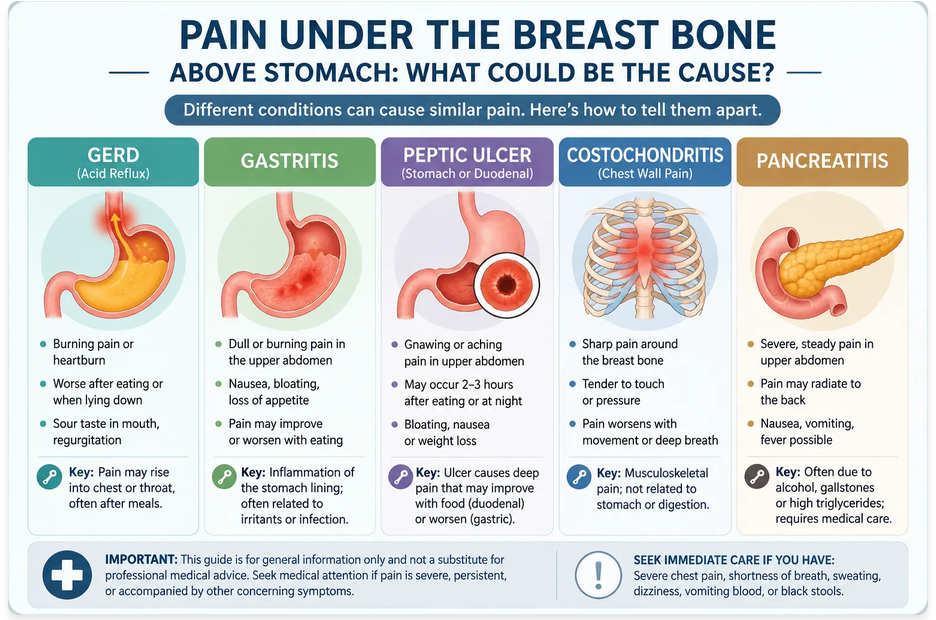
1. Gastroesophageal Reflux Disease (GERD)
GERD is one of the most common causes of pain under the breast bone above the stomach. It happens when stomach acid frequently flows back into the tube connecting your mouth and stomach (esophagus). This backwash irritates the lining of your esophagus.
- Symptoms: Heartburn (a burning sensation in your chest, often after eating, which might worsen at night), regurgitation of food or sour liquid, difficulty swallowing, chronic cough, and sometimes a sensation of a lump in your throat.
- What it feels like: A burning pain that starts behind your breast bone and can move up towards your throat. It might feel like a sharp, gnawing, or squeezing pain.
- Treatment: Lifestyle changes (eating smaller meals, avoiding trigger foods, not lying down immediately after eating), over-the-counter antacids, H2 blockers, or proton pump inhibitors (PPIs). In some cases, surgery might be considered.
2. Gastritis
Gastritis refers to the inflammation of the stomach lining. It can be caused by various factors, including infection (like H. pylori), excessive alcohol use, regular use of certain pain relievers (NSAIDs), or stress.
- Symptoms: Gnawing or burning pain (indigestion) in your upper abdomen that may become worse or better with eating, nausea, vomiting, a feeling of fullness after eating.
- What it feels like: A burning, aching, or gnawing pain in the upper middle part of your abdomen, often directly under the breast bone.
- Treatment: Addressing the underlying cause (e.g., antibiotics for H. pylori), antacids, H2 blockers, or PPIs to reduce stomach acid. Avoiding irritants like alcohol and NSAIDs is also crucial.
3. Peptic Ulcer Disease
A peptic ulcer is an open sore that develops on the inside lining of your stomach, the upper part of your small intestine (duodenum), or occasionally the esophagus. The most common causes are infection with H. pylori bacteria and long-term use of NSAIDs.
- Symptoms: A burning stomach pain (often worse when your stomach is empty, or at night, and relieved by eating certain foods or taking antacids), nausea, vomiting, unexplained weight loss, appetite changes.
- What it feels like: A burning, sharp, or dull aching pain that is often described as feeling like a “gnawing” or “hunger” pain. It’s typically localized under the breast bone or slightly to the right.
- Treatment: Antibiotics for H. pylori, medications to reduce stomach acid (PPIs), and protecting the lining of the stomach. Lifestyle adjustments, like avoiding smoking and alcohol, are also important.
4. Esophagitis
Esophagitis is inflammation that damages the tissue of the esophagus. It can be caused by acid reflux (the most common cause), infections, certain medications, or allergies.
- Symptoms: Difficult and painful swallowing (dysphagia and odynophagia), chest pain (often felt under the breast bone) that occurs with eating, heartburn, food impaction (food getting stuck in the esophagus), cough.
- What it feels like: A sharp, burning, or pressure-like pain under the breast bone, especially when swallowing.
- Treatment: Depends on the cause. For reflux esophagitis, it’s similar to GERD treatment. For infectious causes, antibiotics or antiviral medications. Dietary changes and avoiding trigger foods are often recommended.
5. Esophageal Spasms
Esophageal spasms are painful contractions of the muscles in the esophagus. They can feel like sudden, severe chest pain and can make it difficult to swallow. The cause is often unknown, but sometimes linked to nerve damage or highly acidic foods.
- Symptoms: Sudden, severe chest pain that can feel like heart pain and may radiate to the arms, back, or jaw. Difficulty swallowing food or liquids, sometimes feeling like food is stuck.
- What it feels like: A very tight, squeezing, or crushing pain under the breast bone, which can be quite alarming due to its similarity to heart attack symptoms.
- Treatment: Medications to relax esophageal muscles (e.g., calcium channel blockers, antidepressants), sometimes Botox injections or surgery in severe cases. Avoiding trigger foods (very hot or very cold items) can help.
6. Hiatal Hernia
A hiatal hernia occurs when part of your stomach pushes up through the diaphragm (the muscle separating your abdomen and chest) into your chest. This can allow acid to reflux more easily.
- Symptoms: Often asymptomatic, but can cause heartburn, regurgitation of food or liquids, difficulty swallowing, feeling full soon after eating, and sometimes shortness of breath.
- What it feels like: A burning sensation, pressure, or a dull ache under the breast bone, similar to GERD symptoms, but sometimes more pronounced or persistent.
- Treatment: Similar to GERD treatment (lifestyle changes, antacids, H2 blockers, PPIs). Surgery is sometimes necessary for large or symptomatic hernias.
7. Pancreatitis
Pancreatitis is an inflammation of the pancreas, an organ located behind the stomach. It is responsible for producing digestive enzymes and hormones like insulin.
- Symptoms: Upper abdominal pain that radiates to your back, often worse after eating, especially fatty foods. Nausea, vomiting, fever, rapid pulse, and tenderness when touching the abdomen.
- What it feels like: Intense, steady, sharp, or dull aching pain under the breast bone, often deep-seated and sometimes radiating to the back.
- Treatment: Requires medical attention, often hospitalization for IV fluids, pain medication, and addressing the underlying cause (e.g., gallstones, alcohol abuse). Dietary changes (low-fat diet) are often recommended after recovery.
8. Gallstones or Cholecystitis
Gallstones are hardened deposits of digestive fluid that can form in your gallbladder. Cholecystitis is the inflammation of the gallbladder, often caused by gallstones blocking the bile duct.
- Symptoms: Sudden and rapidly intensifying pain in the upper right part of your abdomen or in the center of your abdomen, just below your breast bone. This pain can radiate to your right shoulder or back. Nausea, vomiting, fever, chills, yellowing of skin/eyes (jaundice).
- What it feels like: A severe, sometimes colicky (comes and goes in waves) pain under the breast bone or in the upper right abdomen.
- Treatment: Pain relievers, gallstone dissolving medications, or surgical removal of the gallbladder (cholecystectomy).
9. Costochondritis
Costochondritis is an inflammation of the cartilage that connects a rib to the breast bone. It’s a common cause of chest pain and is often benign. It can result from injury, strain, or unknown causes.
- Symptoms: Sharp, aching, or pressure-like pain on the left side of your breast bone, though it can occur on either side. The pain may worsen with deep breaths, coughing, sneezing, or movement of the chest wall.
- What it feels like: A localized, sharp pain that is tender to touch or pressure on the affected cartilage. It’s often reproducible by pressing on the area.
- Treatment: Pain relievers (NSAIDs), applying heat or cold, gentle stretching, and avoiding activities that worsen the pain. It usually resolves on its own.
10. Angina (Heart-Related Pain)
While often associated with digestive issues, it’s crucial not to rule out heart-related causes for pain under the breast bone above the stomach. Angina is chest pain or discomfort caused by reduced blood flow to the heart muscle. It’s a symptom of coronary artery disease.
- Symptoms: Pressure, squeezing, fullness, or pain in the center of your chest. It can also feel like indigestion or heartburn. The pain may radiate to your shoulders, arms, neck, jaw, or back. Shortness of breath, sweating, dizziness, nausea.
- What it feels like: A heavy pressure or tightness in the chest, often described as a “band” around the chest or an “elephant on the chest.” It can be mistaken for indigestion or GERD.
- Treatment: Medications (nitrates, beta-blockers, aspirin), lifestyle changes, and sometimes procedures like angioplasty or bypass surgery. If you suspect angina, seek immediate medical attention.
11. Anxiety or Panic Attacks
High levels of stress, anxiety, or panic attacks can manifest with physical symptoms, including chest pain that can feel like it’s under the breast bone. This is due to muscle tension and hyperventilation.
- Symptoms: Rapid heart rate, shortness of breath, dizziness, sweating, trembling, fear of losing control or dying, and chest pain or discomfort.
- What it feels like: A sharp, stabbing, or dull ache under the breast bone, often accompanied by a feeling of tightness or pressure in the chest. It can mimic heart attack symptoms.
- Treatment: Relaxation techniques, deep breathing exercises, cognitive behavioral therapy (CBT), and sometimes medication (anxiolytics or antidepressants) for persistent anxiety.
12. Diaphragmatic Irritation
The diaphragm is the muscular wall separating the chest from the abdomen. Irritation or inflammation of the diaphragm can cause pain that’s perceived under the breast bone. This can result from infections, inflammatory conditions, or direct injury.
- Symptoms: Pain that worsens with deep breathing, coughing, or laughing. Shortness of breath.
- What it feels like: A sharp or stabbing pain, often localized, under the breast bone or in the lower rib cage area.
- Treatment: Addressing the underlying cause of irritation, pain relievers, and rest.
Treatment Options for Pain Under the Breast Bone Above Stomach
The treatment for pain under the breast bone above the stomach depends entirely on the underlying cause. Once your doctor has made a diagnosis, they can recommend the most appropriate course of action. Here’s a general overview of treatment categories.
1. Lifestyle and Dietary Modifications
For many digestive causes of pain, especially GERD, gastritis, and peptic ulcers, simple lifestyle changes can make a significant difference.
- Dietary Adjustments:
- Avoid trigger foods: This often includes spicy, fatty, acidic foods (citrus, tomatoes), chocolate, caffeine, and alcohol. Keep a food diary to identify your personal triggers.
- Eat smaller, more frequent meals: This can prevent your stomach from becoming overly full.
- Don’t lie down after eating: Wait at least 2-3 hours after meals before reclining or going to bed.
- Stay hydrated: Drink plenty of water throughout the day.
- Weight Management: If you are overweight, losing even a small amount of weight can reduce pressure on your abdomen and ease GERD symptoms.
- Elevate Your Head During Sleep: For GERD, raising the head of your bed by 6-8 inches can help prevent acid reflux at night.
- Quit Smoking: Smoking weakens the lower esophageal sphincter, making reflux worse.
- Reduce Stress: Stress can exacerbate many digestive conditions. Practice relaxation techniques like meditation, yoga, or deep breathing.
2. Over-the-Counter (OTC) Medications
For mild to moderate symptoms, especially those related to acid reflux or indigestion, OTC options can provide relief.
- Antacids: (e.g., Tums, Maalox) Provide quick, temporary relief by neutralizing stomach acid. They don’t heal underlying inflammation.
- H2 Blockers: (e.g., Pepcid AC, Tagamet HB) Reduce acid production for a longer period than antacids.
- Proton Pump Inhibitors (PPIs): (e.g., Prilosec OTC, Nexium 24HR) More powerful acid reducers that help heal the esophageal lining. These are often used for a course of treatment, not just occasional relief.
- NSAIDs (Nonsteroidal Anti-inflammatory Drugs): (e.g., ibuprofen, naproxen) Can help with musculoskeletal pain like costochondritis. However, be cautious as NSAIDs can irritate the stomach lining and worsen conditions like gastritis or ulcers. Always take with food.
3. Prescription Medications
When OTC options aren’t enough, your doctor may prescribe stronger medications.
- Stronger H2 Blockers or PPIs: Higher doses or different formulations for more severe acid-related conditions.
- Prokinetics: Medications that help strengthen the lower esophageal sphincter and speed up stomach emptying.
- Antibiotics: Crucial for treating H. pylori infections in cases of gastritis or peptic ulcers.
- Muscle Relaxants: For conditions like esophageal spasms.
- Pain Relievers: Stronger analgesics for severe pain, such as from pancreatitis or gallstones.
- Antianxiety Medications: If anxiety or panic attacks are a significant contributing factor.
4. Procedures and Surgeries
For certain conditions, especially severe or chronic ones that don’t respond to conservative treatments, procedures or surgery may be necessary.
- Endoscopic Procedures:
- Dilation: To widen a narrowed esophagus caused by strictures from chronic reflux.
- Ablation: To remove damaged esophageal tissue in conditions like Barrett’s esophagus.
- Surgery for GERD (Fundoplication): A procedure to reinforce the lower esophageal sphincter, typically for severe GERD not managed by medication.
- Gallbladder Removal (Cholecystectomy): The standard treatment for symptomatic gallstones or chronic cholecystitis.
- Ulcer Surgery: Rarely needed now, but in cases of severe bleeding or perforation, surgery may be required to repair a peptic ulcer.
- Pancreatic Surgery: In rare cases of severe pancreatitis, surgery might be necessary to remove infected tissue or drain fluid.
- Angioplasty/Bypass Surgery: For heart-related chest pain (angina or heart attack), procedures to restore blood flow to the heart.
It’s important to work closely with your healthcare provider to determine the best treatment plan for your specific diagnosis of pain under the breast bone above the stomach.
Self-treating without a proper diagnosis can delay appropriate care, especially for serious conditions. Always follow your doctor’s recommendations and report any changes in your symptoms.
Living with Chronic Pain Under the Breast Bone Above the Stomach
Experiencing chronic pain, even if not severe, can significantly impact your quality of life. For those dealing with ongoing pain under the breast bone above the stomach, managing the condition goes beyond just medical treatment.
1. Pain Management Strategies
- Medication Adherence: Stick to your prescribed medication regimen, even if you start feeling better. Skipping doses can lead to symptom flares.
- Mind-Body Techniques: Techniques like mindfulness meditation, guided imagery, and deep breathing can help reduce your perception of pain and manage stress, which often exacerbates digestive issues.
- Physical Activity: Regular, moderate exercise (like walking or gentle yoga) can improve overall well-being, reduce stress, and aid digestion. Avoid strenuous exercises that worsen your specific pain.
- Heat or Cold Therapy: For musculoskeletal causes like costochondritis, applying a warm compress or ice pack to the affected area can provide temporary relief.
- Support Groups: Connecting with others who share similar health challenges can provide emotional support and practical advice.
2. Dietary Considerations for Long-Term Health
Maintaining a thoughtful diet is paramount for managing conditions that cause pain under the breast bone above the stomach.
- Identify and Avoid Triggers: As mentioned before, continuously monitor what foods and drinks provoke your symptoms and eliminate or reduce them.
- Focus on Whole Foods: A diet rich in fruits, vegetables, lean proteins, and whole grains supports overall digestive health.
- Fiber Intake: Adequate fiber can help regulate digestion, but increase it gradually to avoid gas and bloating.
- Probiotics: Consider incorporating probiotic-rich foods (yogurt, kefir, fermented vegetables) or supplements, as they can support a healthy gut microbiome, which is vital for digestion.
- Stay Hydrated: Water is essential for proper digestion and nutrient absorption.
Seek Immediate Medical Attention If You Experience:
- Sudden, severe, or crushing chest pain that spreads to your arm, back, neck, jaw, or stomach. This could indicate a heart attack.
- Chest pain accompanied by shortness of breath, sweating, dizziness, or nausea. These are also potential heart attack symptoms.
- Difficulty breathing or swallowing.
- Feeling lightheaded or faint.
- Rapid pulse or irregular heartbeat.
- Vomiting blood or black, tarry stools. These could be signs of severe internal bleeding, possibly from an ulcer.
- Sudden, excruciating pain in the upper abdomen that radiates to your back, especially if accompanied by fever and yellowing of the skin or eyes (jaundice). This could suggest acute pancreatitis or gallstone issues.
If you are experiencing persistent, severe, or concerning pain under the breast bone above the stomach, the most important actionable step you can take is to consult a doctor. They can provide an accurate diagnosis through a thorough examination and appropriate diagnostic tests, and give you an effective treatment plan.