If you’re looking to upgrade your beverage game, pear juice is where it’s at. Pears have been cultivated for thousands of years and are celebrated across various cultures for their culinary versatility and medicinal properties. When pressed into juice form, pears deliver a concentrated dose of their nutritional benefits in an easily digestible format.
Whether you’re looking to improve your digestive health, boost your immune system, or simply explore a healthier beverage alternative to sugary drinks, pear juice might just be the natural remedy you’ve been searching for. In this article, we’ll explore 16 incredible health benefits of pear juice. Plus, we will also discuss how to make it at home easily.

What is Pear Juice?
Pear juice is a nutrient-rich beverage extracted from fresh pears through pressing or blending. The juice can be produced through cold-pressing, which preserves maximum nutrients and enzymes, or through conventional juicing methods. Pears belong to the Rosaceae family and are known for their distinctive bell-shaped structure and smooth, buttery texture when ripe.
The juice retains most of the fruit’s beneficial compounds, including dietary fiber (especially in whole juice), vitamins, minerals, and phytonutrients. Fresh pear juice has a naturally sweet taste with subtle floral notes, making it an appealing alternative to more acidic fruit juices. Unlike many commercial juices that contain added sugars and preservatives, fresh pear juice pressed at home maintains its natural integrity and maximum nutritional value.
Pear juice is primarily composed of water, natural sugars (mainly fructose and glucose), and various bioactive compounds that contribute to its remarkable health benefits. It’s generally well-tolerated by most people and is often recommended as a gentle, easily digestible beverage for those with sensitive digestive systems.
Nutritional Profile of Pear Juice
One cup (240 ml) of pear juice contains the following nutrients:
| Nutrient | Amount |
|---|---|
| Calories | 120 |
| Carbohydrates | 31g |
| Fiber | 2g |
| Protein | 0g |
| Fat | 0g |
| Vitamin C | 16% of the RDI |
| Vitamin K | 6% of the RDI |
| Potassium | 5% of the RDI |
| Folate | 4% of the RDI |
| Magnesium | 3% of the RDI |
| Calcium | 2% of the RDI |
| Vitamin E | 2% of the RDI |
16 Incredible Health Benefits of Pear Juice
1. Boosts Digestive Health
Perhaps one of the most celebrated benefits of pear juice is its profound impact on digestion. Pears, and consequently their juice, are rich in sorbitol and a unique type of fiber. Sorbitol acts as a natural laxative by drawing water into the colon, making stools softer and easier to pass.
This makes pear juice an excellent natural remedy for constipation, especially for children and those with sensitive digestive systems. Moreover, the pectin fiber in pears acts as a prebiotic, feeding the beneficial bacteria in your gut. A happy gut often translates to better overall health!
2. Supports Heart Health
Keeping your heart strong is paramount, and pear juice can be a delicious ally. It contains compounds like quercetin and procyanidins, which are potent antioxidants known to improve heart health.
These compounds help reduce “bad” LDL cholesterol levels and prevent the oxidation of fats, which can lead to plaque buildup in arteries. The high potassium content in pear juice also plays a crucial role in regulating blood pressure, counteracting the effects of sodium and promoting healthy blood flow.
3. Provides Essential Vitamins and Minerals
Pear juice isn’t just tasty; it’s a nutritional goldmine. It’s a good source of:
- Vitamin C: A powerful antioxidant that supports your immune system and skin health.
- Vitamin K: Important for blood clotting and bone health.
- Potassium: Crucial for nerve function, muscle contractions, and maintaining fluid balance.
- Copper: Essential for energy production, iron absorption, and nerve function.
- Manganese: Plays a role in bone formation and metabolism.
Getting these vital nutrients through a delicious drink is a win-win!
4. Offers Antioxidant Power
Our bodies are constantly exposed to free radicals, which can cause cellular damage and contribute to aging and disease. Pear juice is packed with antioxidants like flavonoids and phenolic acids that neutralize these harmful free radicals. Regular intake can help protect your cells, reduce oxidative stress, and potentially lower the risk of chronic illnesses.
5. Reduces Inflammation
Chronic inflammation is at the root of many modern diseases, from arthritis to heart disease. The anti-inflammatory compounds found in pear juice, particularly those in the peel (so blend some of that in if you can!), can help calm inflammation throughout the body.
This can lead to reduced pain, better joint health, and a stronger defense against various ailments.
6. Boosts Immunity
Thanks to its vitamin C content and a host of other antioxidants, pear juice can give your immune system a significant lift. A robust immune system is your first line of defense against infections, colds, and flu. Incorporating pear juice into your diet, especially during cold and flu season, can help keep you feeling your best.
7. Aids in Hydration
Pears have a high water content, and pear juice is an excellent way to stay hydrated. Proper hydration is vital for virtually every bodily function, from regulating body temperature to transporting nutrients. If you find plain water a bit boring, a glass of fresh pear juice can be a refreshing and flavorful alternative that keeps you well-hydrated.
8. May Aid in Weight Management
While pear juice contains natural sugars, its fiber content (if you include some pulp) and hydrating properties can contribute to a feeling of fullness. This can help reduce overall calorie intake and prevent overeating. Plus, being a nutrient-dense beverage, it provides essential vitamins and minerals without empty calories. Remember, moderation is key, especially with fruit juices.
9. Supports Bone Health
Pear juice contributes to bone health in a couple of ways. Its vitamin K content is crucial for bone mineralization and helps regulate calcium in the body. Additionally, minerals like manganese and copper, found in pears, are also important for maintaining strong and healthy bones as you age.
10. Enhances Skin Radiance
The combination of vitamin C and antioxidants in pear juice works wonders for your skin. Vitamin C is essential for collagen production, which keeps your skin firm and elastic.
Antioxidants protect skin cells from damage caused by UV rays and pollution, helping to reduce signs of aging and promote a healthy, radiant complexion. Hydration from the juice also contributes to plump, supple skin.
11. Provides Natural Energy
Feeling sluggish? A glass of pear juice can offer a natural energy boost. The natural sugars (fructose, glucose, sucrose) in pears provide readily available fuel for your body and brain. Unlike processed sugary drinks that lead to a sugar crash, the natural sugars in pear juice are accompanied by beneficial nutrients that help sustain energy levels more effectively.
12. May Have Anti-Cancer Properties
While more research is always ongoing, studies suggest that the rich array of antioxidants and phytonutrients in pears, including flavonoids and cinnamic acids, may possess anti-cancer properties. These compounds are believed to help inhibit the growth of cancer cells and protect against certain types of cancer.
13. Promotes Detoxification
The high water content and mild diuretic properties of pear juice can assist your body’s natural detoxification processes. It helps flush out toxins and waste products through the kidneys, supporting overall internal cleansing and optimal organ function.
14. Helps Manage Blood Sugar (with caveats)
While pear juice contains natural sugars, pears have a relatively low glycemic index compared to many other fruits. The fiber (if some pulp is included) and other compounds in pear juice can help moderate the absorption of sugar, preventing rapid spikes in blood glucose.
However, people with diabetes should consume fruit juices in moderation and monitor their blood sugar levels carefully. Fresh juice with some pulp is always preferable to filtered, store-bought versions.
15. Soothes Sore Throats and Coughs
Historically, pears have been used in traditional medicine to alleviate respiratory discomfort. Warm pear juice, sometimes mixed with a little honey, can be a soothing balm for a sore throat and can help loosen phlegm, making coughs more productive. Its anti-inflammatory properties also contribute to reducing irritation.
16. Supports Eye Health
Pear juice contains some vitamin A and antioxidants like lutein and zeaxanthin (though in smaller amounts than some other fruits), which are important for maintaining healthy vision. These compounds help protect the eyes from oxidative damage and may reduce the risk of age-related macular degeneration.

Side Effects and Precautions
While pear juice offers numerous health benefits, it’s important to be aware of potential side effects and contraindications:
1. High Sugar Content
Although pear juice is naturally sweet, it contains concentrated sugars. Excessive consumption can contribute to weight gain, dental problems, and blood sugar imbalances. Those managing diabetes should moderate their intake or dilute the juice with water.
2. Digestive Sensitivity
For some individuals, particularly those with sensitive digestive systems, the sorbitol in pear juice can cause bloating, gas, or cramping. Starting with smaller portions allows the body to adjust gradually.
3. Fructose Intolerance
Individuals with fructose malabsorption or hereditary fructose intolerance should avoid pear juice entirely, as pears are high in fructose and can trigger severe digestive distress.
4. Medication Interactions
Pear juice’s diuretic properties may interact with certain medications, particularly blood pressure medications or diuretics. Consult with a healthcare provider if you’re on prescription medications.
5. Pesticide Residues
Conventionally grown pears may contain pesticide residues. Choose organic pears when possible, or thoroughly wash conventional pears before juicing.
6. Allergic Reactions
Some individuals, particularly those with birch pollen allergies, may experience oral allergy syndrome when consuming pear juice. Symptoms include itching or swelling of the lips and mouth.
7. Calorie Density
While pear juice is nutrient-dense, it’s also calorie-dense. One cup provides approximately 150 calories, so portion control is important for weight management.
8. Tooth Enamel Erosion
The natural acids in pear juice can erode tooth enamel with frequent exposure. Drink juice through a straw and rinse your mouth afterward to minimize damage.
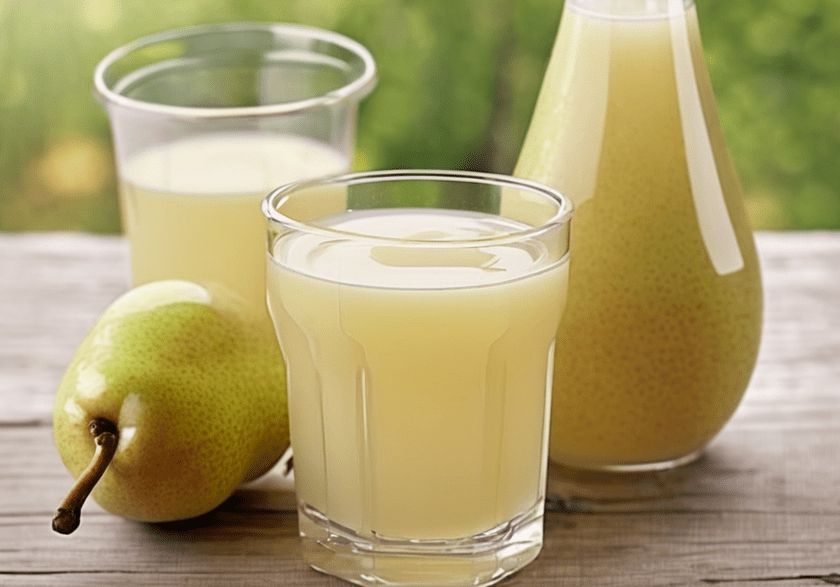
How to Make Pear Juice at Home?
Ingredients:
- 4-5 fresh, ripe pears (preferably organic)
- Optional: 1-2 tablespoons of raw honey or lemon juice
Equipment:
- Cold-press juicer (recommended for maximum nutrient retention)
- Or high-powered blender
- Fine mesh strainer or nut milk bag
- Glass storage bottles
Instructions:
- Select and Prepare: Choose ripe but firm pears without bruises. Wash thoroughly under running water and pat dry.
- Cut and Core: Quarter the pears and remove seeds (which contain small amounts of cyanogenic compounds). You can leave the skin on for added fiber and nutrients.
- Cold-Press Method: Feed pear pieces through a cold-press juicer according to the machine’s instructions. Collect the juice in a glass container.
- Blender Method: If using a blender, add pear pieces with minimal water (about 1/4 cup) and blend until completely liquefied. Strain through a fine mesh strainer or nut milk bag, pressing gently to extract all juice.
- Flavor Enhancement: Add raw honey for extra sweetness or fresh lemon juice to enhance flavor and prevent oxidation.
- Storage: Transfer to glass bottles and refrigerate immediately. Fresh pear juice keeps for 3-5 days when stored properly.
Advanced Recipe: Pear and Ginger Wellness Juice
Ingredients:
- 4 ripe pears
- 1-inch piece of fresh ginger root
- 1 green apple (optional)
- Juice of half a lemon
- 1 tablespoon raw honey
Instructions: Prepare pears as above, then add ginger and apple to the juicer. Finish with lemon juice and honey. This combination provides enhanced anti-inflammatory and digestive benefits.
Pear and Turmeric Golden Juice
Ingredients:
- 3 ripe pears
- 1/2 teaspoon turmeric powder
- 1/4 teaspoon black pepper
- 1 tablespoon raw honey
- Pinch of cayenne pepper
Instructions: Juice pears first, then whisk in turmeric, black pepper, honey, and cayenne. This powerful anti-inflammatory blend supports joint health and immune function.
Tips for Consuming Pear Juice
- Start small: Begin with 4-6 ounces daily and gradually increase to assess tolerance
- Dilute when necessary: Mix pear juice with water to reduce sugar concentration
- Consume fresh: Drink juice immediately after preparation for maximum enzyme and nutrient content
- Pair with meals: Consume pear juice with balanced meals to slow sugar absorption
- Choose organic: Select organic pears when possible to minimize pesticide exposure
- Time your consumption: Avoid pear juice late in the day due to its diuretic properties
- Combine strategically: Mix with other juices like apple or celery for enhanced benefits
How Much Pear Juice Should You Take Daily?
The recommended daily intake of pear juice depends on individual health goals and conditions:
| Purpose | Suggested Daily Amount |
|---|---|
| General Health Maintenance | 4-8 ounces |
| Digestive Health Support | 6-8 ounces in morning |
| Energy Boost | 4-6 ounces before activity |
| Weight Management | 4 ounces with meals |
| Detoxification | 6-8 ounces (short-term) |
| Children (age 4+) | 2-4 ounces |
Important Note: These are guidelines only. Individual tolerance varies, and those with specific health conditions should consult healthcare providers.
Best Pear Juice Recipe: A Simple Delight
This recipe focuses on bringing out the natural sweetness and flavor of pears with minimal additions.
Yields: Approximately 1-2 servings (depending on pear size)
Prep time: 5-10 minutes
Ingredients
- 3-4 ripe medium pears (Bartlett or Comice recommended for sweetness)
- 1/2 inch piece of fresh ginger, peeled (optional, for a subtle kick)
- 1/4 lemon, peeled (optional, for brightness and anti-browning)
- Small amount of water (if using a blender)
Instructions
- Wash and Prep: Thoroughly wash the pears. Core them and cut into pieces that fit your juicer’s chute or blender. Peel the ginger and lemon if using.
- Juice (Using a Juicer): Feed the pear pieces, ginger, and lemon (if using) into your juicer.
- Juice (Using a Blender): Combine the pear pieces, ginger, lemon, and about 1/4 cup of water in a high-speed blender. Blend until completely smooth. Strain through a fine-mesh sieve or nut milk bag, pressing to extract all the liquid.
- Serve: Pour the fresh pear juice into a glass and enjoy immediately. You can add a few ice cubes if you prefer it chilled.
Variations to Try
- Green Pear Juice: Add a handful of spinach or kale for an extra nutrient boost.
- Spiced Pear Juice: Blend in a pinch of cinnamon or a small piece of star anise.
- Pear-Apple Blend: Combine pears with apples for a classic and delicious mix.
- Minty Pear Refresher: Muddle a few fresh mint leaves in your glass before pouring in the juice.
- Sparkling Pear Spritzer: Mix your fresh pear juice with sparkling water or club soda for a bubbly treat.
Storing Your Pear Juice
Freshly made pear juice is best consumed immediately to maximize its nutritional value. However, if you have leftovers:
- Refrigeration: Store in an airtight container (like a glass jar with a tight lid) in the refrigerator for up to 2-3 days. Adding a squeeze of lemon juice can help slow down oxidation and browning.
- Freezing: For longer storage, you can freeze pear juice in ice cube trays or freezer-safe containers for up to 2-3 months. Thaw in the refrigerator before consuming.
FAQs
1. Can pear juice be frozen for later use?
Yes, pear juice can be frozen in ice cube trays or freezer-safe containers for up to three months. Thaw in the refrigerator before consuming.
2. Is store-bought pear juice as nutritious as homemade?
Homemade juice is typically superior due to higher enzyme and antioxidant content. Commercial juices often undergo pasteurization, which reduces nutritional value, and may contain added sugars and preservatives.
3. Can children drink pear juice?
Yes, pear juice is generally safe for children over four years old in small amounts (2-4 ounces). Dilute with water to reduce sugar concentration.
4. Does pear juice help with constipation?
Yes, pear juice is a well-known natural remedy for constipation due to its sorbitol and fiber content. However, consistency matters—regular consumption shows better results than occasional use.
5. Can I make pear juice without a juicer?
Absolutely. Use a high-powered blender to puree pears, then strain through cheesecloth or a nut milk bag for juice extraction.
6. Is pear juice safe during pregnancy?
Pear juice is generally safe during pregnancy in moderate amounts and may help prevent constipation. However, pregnant women should consult their healthcare providers before significantly increasing juice consumption.
7. How do I know if pear juice has gone bad?
Fresh pear juice should smell pleasant and sweet. Discard it if it develops a sour, fermented, or musty odor, or if visible mold appears.
8. Can pear juice help with gout?
While pear juice is relatively low in purines compared to other foods, individuals with gout should consume it in moderation and monitor their response.
Conclusion
Pear juice represents a natural, delicious pathway to enhanced wellness and vitality. From supporting digestive health to boosting immunity and enhancing mental clarity, this golden nectar offers a comprehensive approach to nutrition and wellbeing. Its gentle nature makes it suitable for most individuals, while its impressive nutrient profile delivers measurable health benefits.
The key to maximizing pear juice’s benefits lies in moderation, consistency, and quality. By preparing fresh juice from organic pears at home, you maintain control over ingredients and ensure maximum nutritional value.
Remember that pear juice should complement, not replace, a balanced diet rich in whole foods. Combined with regular exercise, adequate sleep, and stress management, pear juice becomes a powerful ally in your journey toward optimal health and longevity.