
Have you ever looked in the mirror and noticed that your face is covered in large pores? You’re not alone. Many people struggle with large pores on their faces, which can lead to many skin problems, from oily skin to acne.
But don’t worry; there are plenty of ways to reduce the appearance of large pores and improve your skin health. This article will explore the causes of large pores and provide tips on reducing their visibility. You can enjoy a more even skin tone and a smoother complexion with the right approach.
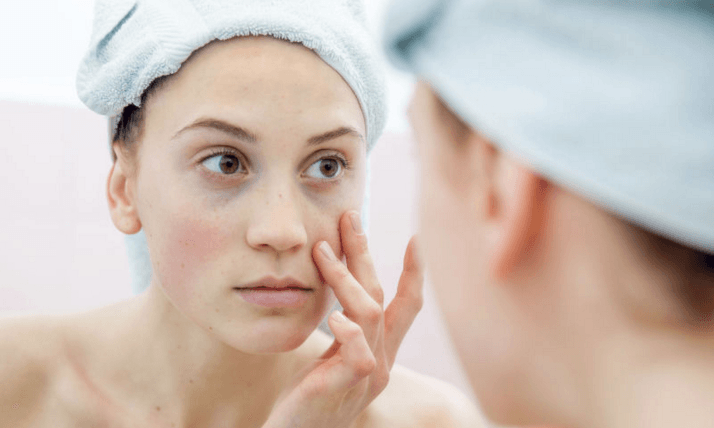
What Causes Large Pores on the Face?
In most cases, genetics determine who will experience enlarged pores. Other factors that contribute to the visibility of pores are poor skin care routine, acne, oil-based makeup, stress, and increased sebum production. Prolonged sun exposure may also open pores as it damages the collagen and diminishes the elasticity of the pore canal walls.
- Genetics – Some people have acquired large pores from their parents or relatives.
- Age – As people age, their skin becomes less elastic. This can cause the skin to have large pores from time to time, and instead of returning to its usual size, it stays that way, especially if you do not eat all the right food products to help your skin.
- Sun Damage – Those exposed to the sun tend to have larger pores because the pores open up to release oil and possible bacteria on the skin’s surface. Constantly being exposed to the sun will make the pores remain that way.
- Inadequate Skin Care – If you do not take care of your skin, it will likely not recover from all the environmental factors you expose it to daily.
- Blackheads and acne – When people have blackheads, their pores become larger to contain the oil and dirt stuck on the skin. This is also the same for whiteheads.
12 Natural Remedies To Get Rid of Large Pores on the face
1. Lemon Juice
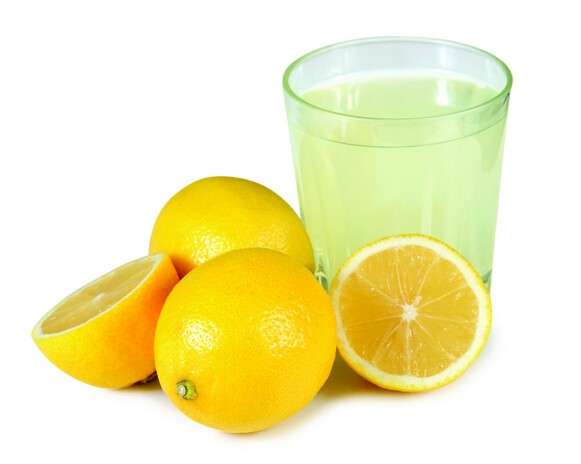
The citric acid in lemon juices helps exfoliate your skin and reduce the pores’ appearance. Citrus fruit also contains vitamin C, which is essential for producing collagen. It will also help remove blemishes and improve your complexion due to its bleaching properties. There are many ways to use lemon juice for large pores:
Mix two tablespoons each of tomato juice and lemon juice. Tomatoes are an excellent astringent that can help shrink open pores. Apply the mixture to your skin and let it sit for ten minutes before rinsing it with lukewarm water. Follow this treatment three to four times a week.
- Another option is to mix lemon juice with organic honey. Leave it on for ten minutes and wash it off with water. Repeat this treatment daily.
- If cinnamon powder is available, you can also use it with lemon juice. Apply it to affected areas and let it sit for 15 minutes.
2. Oatmeal
Oatmeal contains high levels of antioxidants and can help undo the damage done to the skin by chemicals, ultraviolet rays, and pollution. It also reduces inflammation and itching, making it helpful in treating acne and removing excess oil without clogging your pores.
- Mix two tablespoons of oatmeal, two tablespoons of milk powder, and five tablespoons of organic honey in a small bowl.
- Apply this mixture to your skin and rub gently in circular motions.
- Let it sit for 15 minutes, and rinse it off with cool
- Follow this pampering treatment twice a week until you notice improvements.
3. Ice
The simplest and most effective way to shrink your pores is by applying ice, thanks to its skin-tightening effects. This technique is also helpful before applying makeup to minimize open pores before using cosmetic products.
- Wrap some ice cubes in a thin cloth.
- Press it against your skin for 15 to 30 seconds.
- Follow this treatment two to three times a day.
- For best results, infuse the water for ice cubes with green tea, apple juice, rose water, or cucumber juice.
Another option is to wash your face with cold water daily to close your pores.
4. Homemade Sugar Scrubs
Sugar scrubs are excellent for removing excess sebum, dead skin cells, and impurities that can help minimize large pores. Mix a small amount of sugar with enough lemon juice and rub it all over your skin for 30 seconds. Let it sit for 10 minutes before rinsing your face. Follow this treatment two times a week.
- Alternatively, combine one tablespoon of olive oil, two tablespoons of sugar, and a few drops of lemon juice. Mix it well and rub it on your skin for 30 seconds before rinsing it off with cool
- Another excellent way to prepare sugar scrubs is by mixing a little sugar with equal parts of lemon juice and organic honey. Apply it to your face and massage for 30 seconds. Leave it on for 10 minutes, and then rinse it off with water.
5. Egg Whites
Egg whites are known to tone and tighten the skin, which assists in shrinking large pores. It is also helpful in removing excess oil and treating virulent forms of acne.
- Whisk an egg white.
- Add two tablespoons each of oatmeal and lemon juice.
- Apply it to your face and let it dry on its own.
- Then, scrub it off and rinse your face with cool
- Follow this simple treatment two times a week.
You can also whisk an egg white and apply it to your face without adding other ingredients. Cover your skin with tissue paper for best results, and remove them once the mixture dries.
6. Papaya
If your skin always gets clogged up days after using pores strips, scrub, or any other treatment, you can try papaya. This delicious fruit helps tighten and tone pores. It also makes skin supple and soft while clearing pigmentation and scars left by acne. Follow these simple steps to treat large pores with papaya.
- Mash one ripe
- Apply it to your skin and let it sit for 20 minutes.
- Rinse it off with cool
- Follow this remedy every second day.
7. Cucumber
Cucumber is an excellent natural astringent that can shrink large pores while providing essential nutrients to the skin. The flesh is mostly water and contains caffeic acid and vitamin C, which reduce swelling and skin irritation.
- Grate one cucumber to obtain its juice. Use a cotton ball to apply cucumber juice to your skin and let it sit for 20 minutes. Wash it off with excellent Use this remedy daily until you see improvements.
- Another option is to mix cucumber juice and a small amount of lemon juice or rose water for additional benefits. Apply it to your skin and leave it on for ten minutes. Wash it off with cool
8. Yogurt
Yogurt has lactic acid that can eliminate dead skin cells, dirt, and excess sebum. Applying it regularly helps minimize the appearance of large pores while reducing fine lines and wrinkles.
The simplest method is to apply a thin layer of yogurt to your face. Make sure that you buy plain yogurt and not sweetened versions. Leave it on for 10 minutes before rinsing it off with cool water. Repeat this process daily.
- If you have acne-prone or excessively oily skin, mix one teaspoon of yogurt with one whisked egg white and two crushed aspirin tablets. Apply it to your face and let it sit for 15 minutes before washing it with water.
- You can also have two tablespoons of yogurt with one tablespoon of gram flour. Leave the mixture on your skin for 15 minutes, then rinse it off with a cool Follow this treatment twice a week.
9. Baking Soda
As a gentle exfoliating agent, baking soda helps remove dirt, debris, and oil while balancing the skin’s pH levels. Thanks to its anti-inflammatory and antibacterial properties, it also reduces other problems like pimples and acne.
- Combine two tablespoons each of lukewarm water and baking soda.
- Massage the mixture on your skin for a few seconds in a circular
- Wash it off with cool
- Follow this treatment once a day, and then reduce the frequency to three times a week.
10. Apple Cider Vinegar
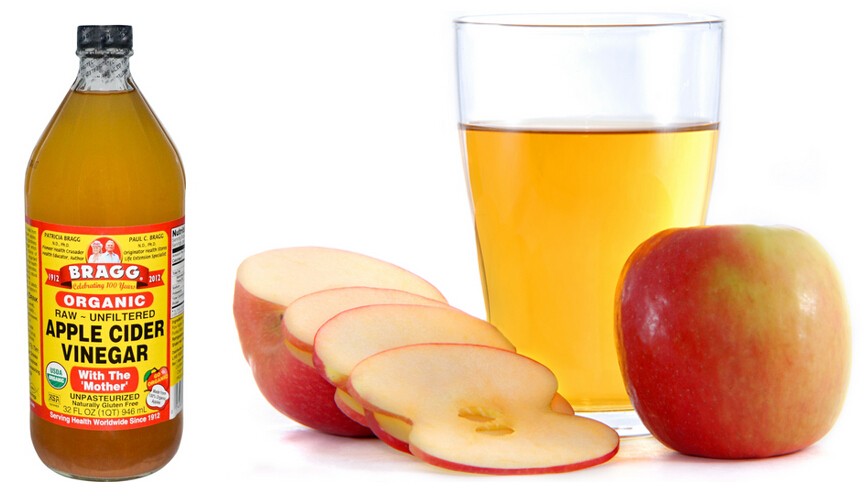
Another effective way to reduce large pores and tighten your skin is applying apple cider vinegar. Doing so also restores the pH balance of the skin. It contains anti-inflammatory and antimicrobial agents that can help treat pimples and acne.
- Mix the same amounts of water and organic apple cider vinegar.
- Use a cotton ball to apply the solution to your face.
- Let it sit for a few minutes.
- Rinse it off with cool
- Apply a light moisturizer.
- Follow this simple remedy every night after washing your face.
11. Almonds
Almonds have skin-restorative properties that can help reduce the appearance of open pores, leaving your skin clear and smooth. Take five almonds and crush them. Combine it with a few drops of lemon juice to make a paste. Apply it to your skin and let it sit for 20 minutes before rinsing with cool water.
- Alternatively, you can make a scrub by mixing the almond powder with orange peel powder. Apply it to your skin and rub gently in circular motions.
- You can also mash a ripe banana and add two teaspoons almond oil. Mix it well and apply it to your skin. Wash it off after 20 minutes.
12. Fuller’s Earth
Also known as Multani mitti, fuller’s earth is an excellent natural remedy for large pores as it exfoliates the skin and absorbs excess oil. This treatment also helps remove blemishes and repairs damaged skin caused by harmful ultraviolet rays.
- Mix two tablespoons of fuller earth with enough rose water to form a paste.
- Apply the mixture to your skin and let it sit for 15 minutes.
- Gently scrub the dried mixture off and wash your face with cool
- Follow this treatment once or twice a week until you are satisfied with the results.
Additional Tips to Reduce the Appearance of Large Pores
You can combine the natural remedies mentioned above with any tips below to speed up the process.
1. Don’t sleep with makeup on
Sleeping without removing your makeup is not suitable for your skin. Cosmetics can combine with oil, bacteria, and dirt and clog up your pores. This causes your pores to look bigger when you wake up. This is why it is essential to wash your face before going to bed, no matter how late you get home or how tired you are.
2. Apply sunscreen every day
Whether you have dry or oily skin, sunscreen is something you must apply before heading out of the house. The sun’s damage increases your wrinkles and long-term risk of cancer and makes your pores appear larger.
Look for sunscreen with an SPF of at least 30 and apply it 15 minutes before you go out. You can also try foundations or moisturizers that already contain SPF.
3. Cleanse your face
No matter what type of skin you have, avoiding cleansers containing scrubbing agents or soap is best, as these can make your pores appear bigger. For enlarged pores related to oily skin, opting for a gel-based cleanser may be best. For normal to dry skin, you may look for creamy cleansers. Some of the products that are worth a try are:
- Dermalogica Special Cleansing Gel
- Cetaphil
- Brandt Pores No More Cleanser
4. Assess all skin products that you use
Some skin care products rely on active ingredients like salicylic acid to eliminate the top layer of the skin. However, it produces a drying effect and makes your skin produce more sebum to replenish the lost moisture. Thus, it makes your skin oily even if the product is designed to clear acne and sebum.
To avoid this, use oil-based masks, deep-cleaning facial scrubs, and astringents for only a couple of weeks. You want your skincare products to be non-comedogenic, meaning they are water-based. Oil-based products will only lead to large pores.
5. Drink plenty of water
Drinking plenty of water can benefit your overall skin health, especially your pores. Water helps remove toxins from your pores, hydrates your skin internally, and improves your overall complexion. Make sure that you drink at least eight glasses of water every day. You can try adding cucumber, berries, or lemon for the best results.
6. Exfoliate
Large pores on the face, nose, or cheeks are usually caused by pores clogged with oil. Exfoliation can help remove dead skin cells on the skin’s surface and shrink pores.
This will make your skin softer, smoother, and brig; mix the grated orange peel with the grated al to make natural scrubs homemonds. This natural scrub can help clean the skin and reduce the size of the big pores.
These home remedies can help get rid of enlarged pores fast and naturally. Stick with these methods for a while, and you will notice that your large pores become smaller.


I got lot of things about natural beauty therapy methods.thank you so much.
I have rashes on my t zone area of my face ,they are not itchy nor inflamed.The area around it looks blotchy and not soft and smooth as the rest of my face . what could be the cause and natural remedy for it?Or should I just get a microdebrasion facial.
Yes you need a microdebrasion facial.