We’ve all been there—that pounding sensation behind your eyes, the tension wrapping around your temples like an unwelcome vice. A headache can derail your entire day, stealing your focus, your mood, and your productivity. If you’re tired of reaching for over-the-counter painkillers every time your head starts throbbing, you’re not alone. Millions of people search for natural remedies for headaches each month, looking for relief that doesn’t come with a long list of side effects.
The good news? Nature has offered up some surprisingly effective solutions that have been used for centuries—and modern science is finally catching up to confirm what our ancestors already knew. In this article, we’ll explore 16 natural remedies for headaches that actually work.

Understanding Headaches: Types and Triggers
Before diving into remedies, it’s helpful to understand what we’re dealing with. A headache isn’t just one thing; it’s an umbrella term for pain in any region of the head.
The most common types include:
- Tension Headaches: These are the most frequent, often described as a constant band-like ache or pressure around the head. They’re typically linked to stress, muscle tension, and fatigue.
- Migraine Headaches: More severe, migraines often involve throbbing pain on one side of the head, sensitivity to light and sound, nausea, and sometimes visual disturbances (aura).
- Cluster Headaches: Rare but extremely painful, these headaches occur in clusters over weeks or months, usually around one eye, and are often accompanied by tearing, redness, and nasal congestion.
- Sinus Headaches: Caused by inflammation in the sinuses, leading to pain and pressure in the face, forehead, and around the eyes.
Common Causes of Headache
Before we explore natural remedies for headache, it’s essential to understand what headaches are and why they occur. Headaches are generally classified into primary and secondary types.
Primary headaches are not symptoms of an underlying disease but are conditions in themselves, while secondary headaches are caused by another medical condition.
Primary Headaches
The most common types of primary headaches include:
- Tension-Type Headaches (TTH): The most common form, often described as a constant ache or pressure around the head, particularly at the temples or back of the head and neck. They are frequently linked to stress, muscle tension, and fatigue.
- Migraine Headaches: More severe, often characterized by throbbing pain on one side of the head, accompanied by nausea, vomiting, and sensitivity to light and sound. Migraines can be debilitating and significantly impact quality of life.
- Cluster Headaches: Rare but extremely severe, cluster headaches cause intense pain around one eye, often accompanied by tearing, nasal congestion, and eyelid drooping on the affected side. They occur in “clusters” over a period of weeks or months.
Secondary Headaches
Secondary headaches can be caused by a variety of factors, some benign and others serious. These include:
- Dehydration: Lack of sufficient fluids in the body.
- Sinus Infections: Inflammation of the sinus cavities.
- Allergies: Allergic reactions can trigger sinus congestion and pressure.
- Eyestrain: Prolonged focus or uncorrected vision problems.
- Caffeine Withdrawal: A common consequence for individuals who regularly consume caffeine and then stop or reduce intake.
- Lack of Sleep: Insufficient or poor-quality sleep.
- Stress and Anxiety: Mental and emotional strain.
- Hormonal Fluctuations: Especially common in women due to menstrual cycles, pregnancy, or menopause.
- Certain Foods and Drinks: Red wine, aged cheeses, processed meats, and artificial sweeteners are common triggers.
- Medication Overuse: Ironically, taking too many pain relievers can lead to chronic daily headaches.
- Serious Underlying Conditions: Less commonly, headaches can signal more serious issues like brain tumors, aneurysms, or meningitis. This is why persistent, severe, or unusual headaches should always be evaluated by a healthcare professional.
16 Natural Remedies for Headaches That Actually Work
1. Hydrate, Hydrate, Hydrate!
It sounds almost too simple, doesn’t it? But dehydration is an incredibly common cause of headaches. When your body is low on fluids, your brain tissue can temporarily shrink, pulling away from the skull and causing pain. Additionally, dehydration can reduce blood flow and oxygen to the brain.
Sip on water consistently throughout the day, even before you feel thirsty. Keep a water bottle handy as a reminder. If you’re struggling to drink plain water, try infusing it with slices of cucumber, lemon, or berries for a refreshing twist.
Electrolyte-rich fluids like coconut water can also be beneficial, especially after exercise or if you’ve been unwell. Aim for at least 8 glasses (around 2 liters) of water daily.
2. Apply a Cold Compress or Ice Pack
This classic remedy works wonders for many types of headaches, particularly tension headaches and migraines. Applying a cold compress to your forehead, temples, or the back of your neck can help reduce inflammation, numb the pain, and constrict blood vessels, which can alleviate the throbbing sensation.
How to use it:
- Wrap an ice pack, a bag of frozen peas, or a cold, damp cloth in a thin towel to protect your skin.
- Lie down in a quiet, dark room and place the compress on the affected area for 10-15 minutes at a time.
- Repeat as needed, taking breaks between applications.
The coolness provides a pleasant distraction from the pain and can offer almost immediate relief.
3. Consider a Warm Compress (or Shower)
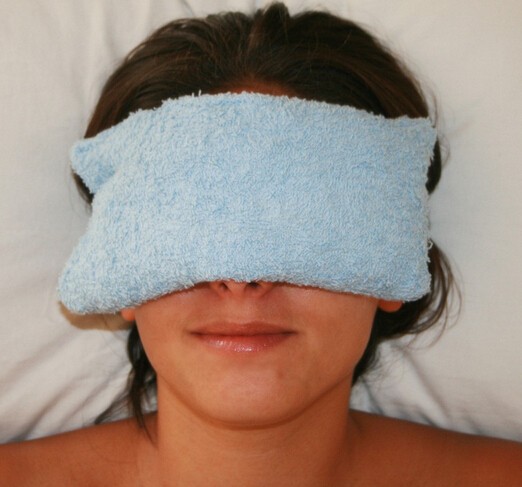
While cold often helps, sometimes warmth is the answer, especially for tension headaches or headaches related to sinus congestion. Heat can relax tense muscles in the head, neck, and shoulders, which are often contributors to tension-type headaches.
Ways to apply warmth:
- Warm cloth: Soak a washcloth in warm water (not hot), wring it out, and place it on your forehead or the back of your neck.
- Warm shower or bath: The steam from a warm shower can help clear congested sinuses, while the warm water can relax your entire body.
- Heating pad: A low-setting heating pad placed on your neck and shoulders can ease muscle stiffness.
Experiment to see whether cold or warm applications work better for your specific type of headache.
4. Harness the Power of Peppermint Oil
Peppermint essential oil is a star player in natural headache relief, especially for tension headaches. It contains menthol, which has a cooling effect and can help relax muscles and soothe pain. Studies have shown that applying peppermint oil to the temples and forehead can reduce headache intensity.
How to use it safely:
- Dilution is key: Never apply undiluted essential oil directly to your skin. Mix 2-3 drops of pure peppermint essential oil with a tablespoon of a carrier oil like coconut, almond, or jojoba oil.
- Application: Gently massage the diluted oil onto your temples, forehead, and the back of your neck. Avoid getting it in your eyes.
- Inhalation: You can also put a few drops of peppermint oil on a cotton ball or tissue and inhale the aroma.
Always perform a patch test on a small area of skin first to check for any allergic reactions.

5. Explore Lavender Essential Oil
Lavender is renowned for its calming and stress-relieving properties, making it an excellent choice for headaches brought on by stress or anxiety, and even migraines. Its scent can help relax the nervous system and promote a sense of tranquility.
Ways to use lavender oil:
- Aromatherapy: Diffuse lavender oil in your room, or place a few drops on a cotton ball near your pillow.
- Topical application: Dilute 2-3 drops of lavender essential oil with a carrier oil and gently massage it into your temples and neck.
- Warm bath: Add a few drops to a warm bath for a relaxing soak.
Lavender can also aid sleep, and often, a good night’s rest is all you need to shake off a headache.
6. Try Acupressure Points for Relief
Acupressure is an ancient healing technique that involves applying pressure to specific points on the body to stimulate energy flow and promote healing. Several acupressure points are known to help alleviate headache pain.
Key points to try:
- LI4 (Hegu Point): Located in the web between your thumb and index finger. Apply firm pressure to this point for 30-60 seconds, then switch hands. This point is often used for general pain relief.
- Yintang (Third Eye Point): Located between your eyebrows. Gently massage this point in a circular motion.
- GB20 (Wind Pool): Found at the base of your skull, in the hollows on either side of where your neck muscles attach. Apply firm, upward pressure with your thumbs.
Use firm, steady pressure, and breathe deeply while applying it. Don’t use LI4 during pregnancy.
7. Sip on Ginger Tea
Ginger isn’t just for upset stomachs; it’s a powerful anti-inflammatory and can be remarkably effective against headaches, particularly migraines. Research suggests that ginger may block prostaglandins, chemicals that contribute to pain and inflammation.
How to make ginger tea:
- Peel and thinly slice a 1-inch piece of fresh ginger root.
- Place the ginger slices in a mug and pour hot water over them.
- Let it steep for 5-10 minutes, then strain (optional).
- You can add a squeeze of lemon or a dollop of honey for taste.
Drinking ginger tea at the first sign of a headache can sometimes stop it in its tracks.
8. Caffeine (in Moderation)
This one can be a double-edged sword. For some, a small amount of caffeine can help alleviate a headache, especially those caused by caffeine withdrawal. Caffeine has vasoconstrictive properties, meaning it narrows blood vessels, which can reduce blood flow to the brain and ease certain types of headaches. It’s also found in many over-the-counter pain relievers for this reason.
However, too much caffeine or sudden cessation can trigger headaches. If you’re a regular coffee drinker and skip your morning cup, a withdrawal headache is a likely outcome.
Strategy:
- If you rarely consume caffeine, a small cup of coffee or tea at the onset of a headache might offer relief.
- If you’re a regular consumer, stick to a consistent intake and avoid sudden reductions.
- Always practice moderation.

9. Try Magnesium Supplements
Magnesium is a vital mineral involved in over 300 biochemical reactions in the body, including nerve function and muscle relaxation. Low magnesium levels have been linked to an increased risk of migraines and tension headaches.
Considerations for magnesium:
- Dietary sources: Foods rich in magnesium include leafy green vegetables, nuts, seeds, whole grains, and dark chocolate.
- Supplements: If dietary intake isn’t enough, magnesium supplements (like magnesium citrate or glycinate) can be helpful. Always consult with a healthcare professional before starting any new supplement, especially if you have underlying health conditions.
- Dosage: For headache prevention, doses typically range from 200-600 mg daily, but this should be guided by a doctor.
Magnesium works best as a preventative measure rather than an acute treatment.
10. Incorporate Feverfew
Feverfew (scientific name: Tanacetum parthenium) is a traditional medicinal herb long used to treat headaches, particularly migraines. It’s believed to reduce inflammation and inhibit the release of certain substances that cause blood vessels to constrict and dilate, contributing to headache pain.
How to use feverfew:
- Supplements: Feverfew is most commonly taken as a standardized extract in capsule form.
- Tea: Some people brew feverfew leaves into a tea, though it can have a bitter taste.
It’s generally recommended to take feverfew regularly as a preventative measure, rather than during an acute headache. As with any herbal remedy, consult your doctor, especially if you’re taking other medications, as it can interact with blood thinners.
11. Practice Relaxation Techniques
Stress is a major headache trigger for many. Learning to manage stress and relax your body and mind can significantly reduce the frequency and intensity of headaches.
Effective relaxation methods:
- Deep Breathing: Sit comfortably, close your eyes, and focus on slow, deep breaths. Inhale slowly through your nose, feeling your abdomen rise, and exhale slowly through your mouth.
- Meditation: Even a few minutes of mindfulness meditation daily can help calm your nervous system.
- Progressive Muscle Relaxation: Tense and then relax different muscle groups throughout your body, starting from your toes and working your way up to your head.
- Gentle Yoga or Stretching: Poses that gently stretch the neck and shoulders can release tension.
Making relaxation a regular part of your routine can be a game-changer for headache prevention.

12. Prioritize Quality Sleep
Sleep deprivation or even too much sleep can be a trigger for headaches, particularly migraines. During sleep, your body undergoes important restorative processes, and disrupting these can throw your system off balance.
Tips for better sleep:
- Establish a consistent sleep schedule: Go to bed and wake up at the same time each day, even on weekends.
- Create a relaxing bedtime routine: This could include a warm bath, reading a book, or gentle stretching.
- Optimize your sleep environment: Keep your bedroom dark, quiet, and cool.
- Avoid screens before bed: The blue light emitted from phones and computers can interfere with melatonin production.
- Limit caffeine and alcohol: Especially in the hours leading up to bedtime.
Aim for 7-9 hours of quality sleep per night.
13. Maintain a Regular Eating Schedule
Skipping meals or going too long without eating can lead to low blood sugar (hypoglycemia), which is a common headache trigger. When your blood sugar drops, your body releases hormones like adrenaline and cortisol, which can narrow blood vessels and lead to a headache.
Keep your blood sugar stable:
- Eat regular meals: Don’t skip breakfast, lunch, or dinner.
- Include healthy snacks: If there’s a long gap between meals, have a nutritious snack like a handful of nuts, a piece of fruit, or yogurt.
- Balance your meals: Incorporate complex carbohydrates, lean protein, and healthy fats to provide sustained energy.
Consistency in your eating habits can play a significant role in headache prevention.
14. Identify and Avoid Trigger Foods
Certain foods and beverages can act as headache triggers for susceptible individuals. These triggers are highly personal, so keeping a food diary can be incredibly helpful in identifying them.
Common culprits include:
- Aged cheeses: Contain tyramine, which can trigger headaches.
- Processed meats: Nitrates and nitrites are common additives that can cause headaches.
- Red wine and other alcoholic beverages: Can cause dehydration and contain compounds like histamines.
- Artificial sweeteners (e.g., aspartame): Some people are sensitive to these.
- MSG (Monosodium Glutamate): A flavor enhancer that can trigger headaches in some individuals.
- Chocolate: For some, it’s a trigger due to compounds like tyramine and phenylethylamine.
Once you identify potential trigger foods, try eliminating them from your diet for a period to see if your headache frequency decreases.
15. Explore Biofeedback
Biofeedback is a mind-body technique that teaches you to control involuntary bodily functions, such as heart rate, muscle tension, and skin temperature. By becoming aware of these physiological responses, you can learn to modify them to reduce headache frequency and severity.
How it works:
- Sensors are attached to your body to monitor physiological signals.
- A therapist guides you through exercises, and you receive real-time feedback (e.g., a tone or visual display) as you try to relax specific muscles or slow your heart rate.
- Over time, you learn to consciously control these responses without the need for the sensors.
Biofeedback can be particularly effective for tension headaches and migraines, helping you manage stress and muscle tension more effectively.
16. Consider Chiropractic Care or Massage Therapy
Many headaches, especially tension headaches, originate from muscle tension and misalignment in the neck and upper back. Chiropractic adjustments and massage therapy can help address these issues.
Benefits:
- Chiropractic care: A chiropractor can assess your spinal alignment and perform adjustments to correct misalignments that may be contributing to nerve irritation and muscle tension.
- Massage therapy: A professional massage, particularly focusing on the neck, shoulders, and scalp, can release deep muscle tension, improve circulation, and promote relaxation.
Even a simple self-massage using your fingertips to rub your temples, scalp, and neck can offer temporary relief. For chronic headaches, regular sessions with a qualified practitioner may be beneficial.

Lifestyle Modifications for Long-Term Prevention
Beyond avoiding triggers, certain lifestyle habits can build resilience against headaches.
- Consistent Sleep Schedule: Go to bed and wake up at roughly the same time every day, even on weekends.
- Regular Meals: Avoid skipping meals to keep blood sugar levels stable.
- Stay Hydrated: Carry a water bottle and sip throughout the day.
- Manage Stress Effectively: Incorporate stress-reduction techniques into your daily routine. Consider therapy or counseling if stress is overwhelming.
- Regular Exercise: Engage in moderate physical activity most days of the week. This improves circulation, reduces stress, and releases endorphins. Start slowly if you’re not used to exercising.
- Good Posture: Be mindful of your posture, especially when working at a computer or using mobile devices. Invest in an ergonomic setup if needed.
- Limit Caffeine and Alcohol: While some caffeine can help, excessive intake or withdrawal can trigger headaches. Consume alcohol in moderation, if at all.
When to See a Doctor About Your Headache
While natural remedies are often effective, it’s crucial to know when a headache warrants medical attention.
- Sudden, Severe Headache: Especially if it’s the “worst headache of your life.”
- Headache After a Head Injury: Even if the injury seems minor.
- Headache Accompanied by Neurological Symptoms: Such as weakness, numbness, difficulty speaking, vision changes, or confusion.
- Headache with Fever, Stiff Neck, Rash, Vomiting: These could indicate an infection like meningitis.
- Headache with Seizures.
- Chronic Headaches that Worsen or Change Pattern: If your usual headache pattern changes, or if they become more frequent or severe.
- New Headaches After Age 50.
- Headaches that Disrupt Daily Life: If headaches are significantly impacting your work, social life, or mental well-being despite trying home remedies.
Conclusion
Headaches, while common, don’t have to be a debilitating part of your life. By understanding their diverse causes and embracing a holistic approach to wellness, you can find significant relief and even prevent them from occurring.
While these remedies can provide immense relief, always prioritize your health and consult a healthcare professional for persistent, severe, or unusual headaches. Take control of your headache health, one natural step at a time.