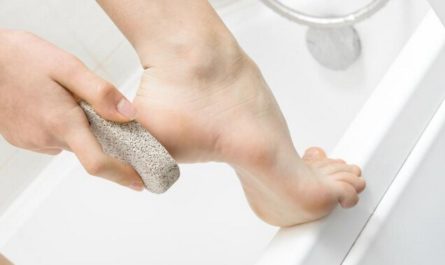
Do you want to remove the calluses on your feet? Calluses refer to the thickened and hard skin areas. They are caused by repeated irritation, pressure, and friction on a spot of your skin. Calluses on feet usually appear on the underside of the big toe and heel. These raised bumps can help protect your soft skin from being exposed to irritants or broken.
Although calluses do not indicate a medical problem, seeking medical care is unnecessary. Many people think they are ugly and easy-to-breed bacteria. If you want to eliminate calluses, you can try some natural remedies at home. These methods can effectively help you eliminate calluses on your feet without harming your feet.
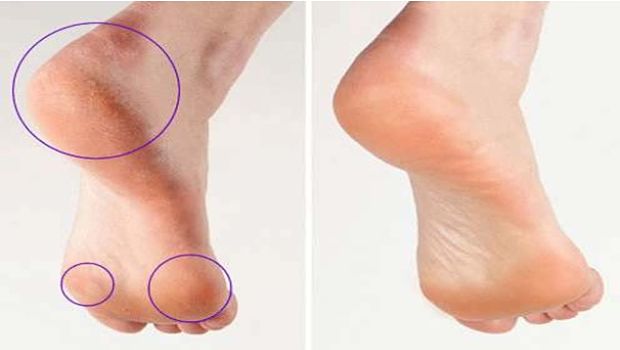
The Difference Between Corn and Calluses
Some people assume that corns and calluses are the same, but this is not true. Usually, corn appears on top of the foot and creates a certain shape. Calluses are usually bigger than corns and have a slightly yellowish tinge. They do not usually feel pain because their skin is very thick. It somehow feels like a cushion for the balls of the feet.
Corns typically form on the tops or sides of toes and have a defined center, while calluses develop on the soles of feet and have a more diffuse appearance. Corns can be painful, while calluses are usually not unless they become excessively thick. Treatment involves reducing pressure for corns and regular exfoliation for calluses.
Common Causes of Calluses on Feet
There are many reasons for corn and calluses, but the leading cause is foot pressure.
1. Friction and Pressure
One of the primary causes of calluses is friction and pressure. When certain areas of your feet are subjected to repeated rubbing or pressure, the skin thickens as a protective response. This is especially true if you wear ill-fitting shoes or engage in activities that put excessive stress on your feet, like running or dancing.
2. Improper Footwear
Wearing shoes that are too tight or rigid can contribute to the formation of calluses. These types of footwear create friction and pressure on specific areas of your feet, leading to callus development. It’s important to choose shoes that fit properly and provide adequate support to prevent calluses from forming.
3. High-Impact Activities
If you’re constantly engaging in high-impact activities such as running or jumping, you’re more likely to develop calluses. These activities put a lot of pressure on your feet, causing the skin to thicken in response. It’s crucial to wear appropriate footwear and gradually increase your activity level to minimize the risk of calluses.
4. Abnormal Foot Structure
Sometimes, calluses can be a result of an abnormal foot structure or gait. If your feet are not properly aligned or if you have certain conditions like bunions or hammertoes, it can lead to increased pressure on specific areas of your feet, leading to callus formation.
5. Lack of Moisture
Dry skin is more prone to callus formation. When your feet lack moisture, the skin becomes dry and rough, making it easier for calluses to develop. It’s essential to keep your feet hydrated by regularly moisturizing them with a good foot cream or lotion.
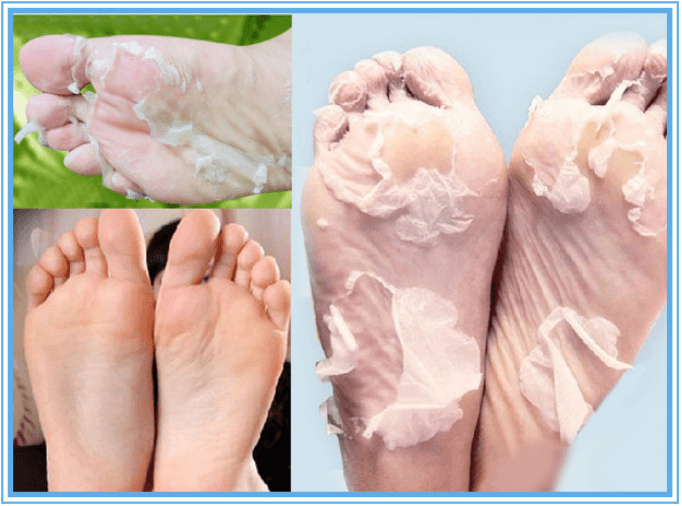
How to Remove Calluses on Feet Fast?
Apple Cider Vinegar
Is there anything that ACV cannot do? ACV is known to be very useful for the body and for doing some chores inside the house.
If you would like to treat your callus effectively, using ACV can make the callus go away after some time. It is naturally acidic and can help soften the hardened callus and improve the healing of the callus.
- Dip a cotton ball in ACV.
- Place it on the callus before you sleep.
- Leave overnight.
- Ensure that you will place oil on the sides of the callus because ACV may be too acidic for the other portions of your skin.
Aspirin
You may be familiar with aspirin because this is what you take whenever you have a headache, but aspirin can do much more. This will effectively make the skin around the callus softer to break down and heal eventually.
- You need about 5 – 6 pieces of aspirin.
- Crush all of the aspirin.
- Mix with a little bit of lemon juice and water.
- Apply the paste that you have created on the callus.
- Wrap with a towel for about 10 – 15 minutes.
- Remove the towel and wash up the callus.
- Try scraping off the callus. If it does not want to scrape off, you may want to do the whole procedure again.
- Repeat this once for a few days.
Lemon
Lemon is always used for various home remedies, and it is not surprising that this is one home remedy that can effectively eliminate the calluses on your feet. It is naturally acidic, so it can help break down the hard skin of the callus and let the callus heal faster and easier.
- You may choose to use lemon juice or lemon peel. Both can be effective.
- The lemon peel can be placed directly over the callus.
- Put a bandage over it so that the essence of the peel can be absorbed by the skin covering the callus.
- Remember to change the peel that you use for the callus every day.
Epsom Salt
Many people are already familiar with all the benefits of Epsom salt, and there is no reason for you not to know that this can also be effective for treating the calluses on your feet. The use of salt will help make the whole area softer. You will have no problem trying to scrape the area where the callus has formed away.
- You need to use hot water and a bit of Epsom salt.
- Mix thoroughly.
- Place your feet in hot water with Epsom salt.
- Wait for about 10 – 15 minutes.
- Check if the calluses on your feet have turned softer. If yes, you can use a pumice stone to rub the area.
- Dry your feet and place lotion so that the whole feet will become moisturized. Doing this can lessen the possibility of forming new calluses on your feet.

Baking Soda
If there is one thing that is evident about baking soda, it is the fact that this can be used in various ways. This can be used as a remedy for the body and cleaning various parts of the house.
If you do not want your hair to be too oily, using baking soda as a dry shampoo will be very effective. It can do so much more. Not surprisingly, this is one of the remedies you can use to get rid of the calluses on your feet. Baking soda contains crystals that can help in making the skin softer.
- Place baking soda in a tub filled with water. The amount of baking soda you will place will depend on the size of the tub and the amount of water you have placed.
- Stir the baking soda in the water until the mixture is consistent.
- Soak in the tub for about 10 minutes.
- Wash your feet and rub them with a pumice stone.
If you do not have a tub or are not too comfortable soaking in baking soda, you can also make a baking soda paste that you can mix with water.
- Place directly on the callus and massage for a few minutes.
- Rinse off the baking soda with warm water.
- You can try using a pumice stone again to eliminate the callus effectively.
Castor Oil
Many people know that castor oil can be beneficial because of its properties that can effectively get rid of the callus. If you leave castor oil overnight, you can expect the callus to heal faster. This can also be effective in moisturizing the skin.
- Place a cotton swab with castor oil directly on the callus.
- Cover with adhesive tape so the callus can fully absorb the castor oil.
- Use old socks to keep the adhesive tape in place.
Pineapple
You know that pineapple is very nice to eat, which may be the fruit you always want to eat when the summer season comes around. Aside from the excellent taste of the pineapple and its benefits, this is also an effective method to get rid of the calluses on your feet.
- You can remove the skin of the pineapple and use the peel for your callus.
- Using a medicated gauze, secure the pineapple peel on your callus.
- Remember that you need to change the pineapple peel every single day. If you don’t, then it will not be effective.
Pineapples are very effective for getting rid of calluses because they are rich in enzymes that can help dissolve the dead tissues on your calluses.
Onion
Onions are known to be naturally acidic. They are very effective in getting rid of calluses. Onions are very effective in removing the inflammation that may be brought about by the callus found on the bottom of the feet.
- It would be best if you got a thick onion slice.
- Add a few drops of lemon juice and a little bit of salt.
- Put the thick slice of onion on the callus.
- Leave on the callus overnight.
- You can secure it with a piece of tape.
- You need to do this every day until the callus goes away.
Chamomile Tea
Many people like to drink chamomile tea to soothe and relax after a long and tiring day. You may not know it, but chamomile tea can also be effective in getting rid of the calluses on your feet. This can balance the pH level of your feet so that they will not be too acidic or too basic.
- You can drink chamomile tea after you have used the tea bags.
- The tea bags can then be placed on the calluses.
- Leave on the callused portions of your feet overnight.
Another option is to use chamomile tea as a foot soak. Place about 4 – 5 cups of warm water and soak your feet for about 10 – 15 minutes. Rinse off the chamomile tea with soap and water.
Sugar Scrub
All types of sugar are known to be good for exfoliating the skin, so it is not surprising that sugar can be used on calluses to eliminate hardened skin areas. Mix up the sugar scrub with mineral oil, which will be more effective in removing the calluses on your feet.
- You can use both brown and white sugar.
- Add mineral oil and mix well to form a paste.
- Add a few drops of lemon essential oil.
- Use on the portions of the feet where the calluses are located.
- Massage the feet for about 15 – 20 minutes.
- Rinse off the scrub from the feet with warm water.
- Do this 2- 3 times a day.
With all these methods available to eliminate your calluses, which one are you willing to try first? Let us know which method worked well for you.
How to Protect Your Feet From Calluses?
“Prevention is better than cure.” Here are some simple ways to protect your feet from calluses formation:
1. Wear Properly Fitting Shoes
One of the most important things you can do to protect your feet is to wear shoes that fit properly. Ill-fitting shoes can create friction and pressure, leading to calluses. Make sure your shoes have enough room for your toes to move comfortably and avoid shoes that are too tight or too loose.
2. Choose Shoes with Cushioning and Support
Look for shoes that provide adequate cushioning and support for your feet. Shoes with cushioned insoles and arch support can help distribute pressure evenly and reduce the risk of calluses. Opt for shoes made from breathable materials to prevent excessive moisture buildup.
3. Use Protective Padding
If you have areas on your feet that are prone to calluses, consider using protective padding. There are various types of padding available, such as gel pads or moleskin, that can help reduce friction and pressure on specific areas. Place the padding on the affected areas before putting on your shoes to provide an extra layer of protection.
4. Moisturize Regularly
Dry skin is more prone to callus formation, so it’s important to keep your feet moisturized. Use a good quality foot cream or lotion regularly to keep your skin hydrated and prevent dryness. Pay special attention to areas that are more susceptible to calluses, such as the heels and balls of your feet.
5. Practice Proper Foot Hygiene
Maintaining good foot hygiene is crucial for foot health. Wash your feet daily with warm water and mild soap, and make sure to dry them thoroughly, especially between the toes. Moisture can promote the growth of bacteria and fungi, which can lead to skin problems and callus formation.
6. Exfoliate Regularly
Regularly exfoliating your feet can help remove dead skin cells and prevent the buildup of thickened skin that can lead to calluses. Use a pumice stone or foot file to gently scrub your feet, focusing on areas prone to calluses. Be gentle and avoid over-exfoliating, as it can irritate.
When to see a doctor?
While most calluses can be managed with self-care measures, there are instances where it’s important to seek medical attention from a doctor or podiatrist. Here are some signs that indicate it’s time to see a healthcare professional:
1. Severe Pain: If your callus is causing severe pain or discomfort that is interfering with your daily activities, it’s a good idea to consult a doctor. They can assess the cause of the pain and provide appropriate treatment options.
2. Bleeding or Infection: If your callus is bleeding, has an open sore, or shows signs of infection such as redness, warmth, swelling, or pus, it’s important to seek medical attention. These signs may indicate a more serious issue that requires professional care.
3. Diabetic Foot: If you have diabetes, it’s crucial to take extra precautions when dealing with calluses. Diabetes can lead to poor circulation and reduced sensation in the feet, making it more challenging to detect and manage foot problems. A doctor’s guidance is essential to avoid complications in diabetic individuals.
4. Underlying Foot Conditions: If you have underlying foot conditions such as bunions, hammertoes, or other structural abnormalities that contribute to recurrent or painful calluses, it’s advisable to see a healthcare professional. They can evaluate your foot structure, provide appropriate treatment, and offer advice on preventing future calluses.
5. Difficulty with Self-Care: If you’ve tried self-care measures for an extended period and your callus persists or worsens, it may be time to seek medical help. A healthcare professional can assess the situation, provide a proper diagnosis, and suggest alternative treatment options.
Remember, while home remedies and self-care measures can often manage calluses, it’s crucial to listen to your body and seek medical attention when necessary.