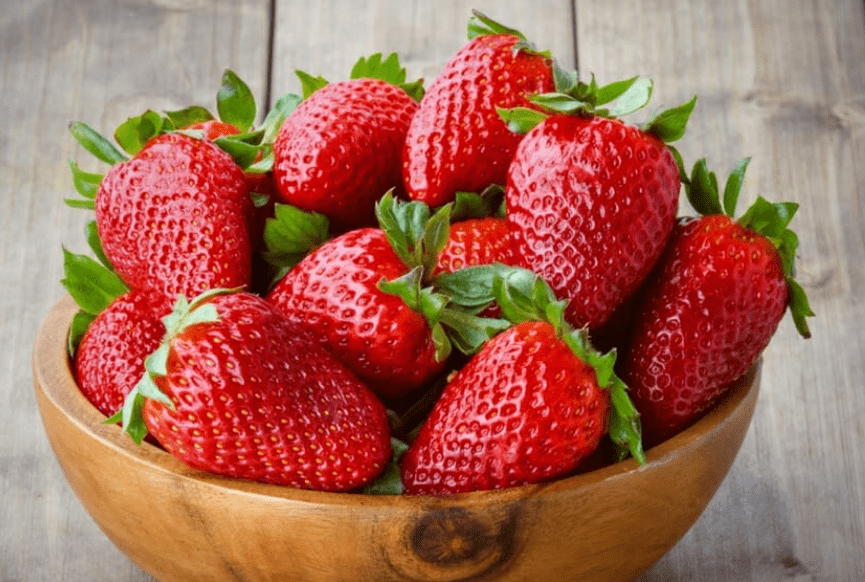
Do you know that the average strawberry contains more Vitamin C than an orange? This vibrant red fruit, a member of the rose family, is much more than just a delightful topping for desserts or a refreshing snack. Strawberries have been cherished for centuries, not only for their irresistible flavor but also for their profound health benefits, which modern science is continually uncovering and validating.
In this guide, we’ll explore everything about strawberries: what they are, their nutritional value, science-backed health benefits, possible side effects, and best ways to incorporate them into your diet. Whether you’re a health enthusiast, a foodie, or simply curious, this article will give you a well-rounded perspective on this incredible fruit.

What are Strawberries?
Strawberries are the most widely cultivated fruit of the genus Fragaria, prized for their distinctive aroma, bright red color, juicy texture, and characteristic sweetness. Though commonly referred to as a berry, botanically speaking, a strawberry is an “aggregate accessory fruit.” This means that the fleshy part is derived not from the plant’s ovaries but from the receptacle that holds the ovaries, and the “seeds” on the outside are actually the fruit, each containing a tiny seed.
Cultivated strawberries, primarily Fragaria × ananassa, are hybrids developed in 18th-century Brittany, France, from two wild American species. These fruits thrive in temperate climates and are one of the first fruits to ripen in spring.
Beyond their culinary appeal, strawberries have a rich history in traditional medicine, valued for properties ranging from digestive aids to skin treatments. Today, they are a staple in diets worldwide, celebrated not just for their taste but for their robust nutritional profile.
Nutrition of Strawberries
Here’s a look at the nutritional content of 1 cup (152 grams) of fresh, whole strawberries:
| Nutrient | Amount per 1 cup (152g) Strawberries |
|---|---|
| Calories | 49 |
| Water | 91% |
| Protein | 1 gram |
| Carbs | 11.7 grams |
| Sugar | 7.4 grams |
| Fiber | 3 grams |
| Fat | 0.5 gram |
| Vitamin C | 89 mg (97% of the Daily Value) |
| Manganese | 0.2 mg (9% of the Daily Value) |
| Folate (B9) | 36 mcg (9% of the Daily Value) |
| Potassium | 247 mg (5% of the Daily Value) |
As you can see, strawberries are an exceptional source of Vitamin C, a powerful antioxidant crucial for immune function and skin health. They also provide significant fiber for digestion and manganese, a mineral important for bone health and metabolism. Their low-calorie and high water content make them a hydrating and satisfying snack.
Types of Strawberries
While the common garden strawberry (Fragaria × ananassa) is the most widely consumed, there are several fascinating types and varieties, each with unique characteristics.
- June-Bearing Strawberries: These are the most traditional type, producing a single, large crop over a 2-3 week period in late spring or early summer. They are known for their large, juicy fruits and are excellent for canning or freezing. Popular varieties include ‘Honeoye’ and ‘Allstar’.
- Ever-Bearing Strawberries: These varieties produce two to three smaller crops per year, one in spring, another in late summer, and sometimes a third in fall. The fruits are typically smaller than June-bearing but offer a longer harvest season. ‘Ozark Beauty’ and ”Tristar’ are common ever-bearing types.
- Day-Neutral Strawberries: Similar to ever-bearing, day-neutral strawberries produce fruit continuously throughout the growing season, as long as temperatures remain between 35°F and 85°F (2°C and 29°C). Their production is not dependent on day length. ‘Albion’ and ‘Seascape’ are popular choices, known for their consistent yield and good flavor.
- Alpine Strawberries (Fragaria vesca): These are small, intensely flavorful wild strawberries, often grown for their delicate taste and aroma. They produce tiny, potent berries throughout the summer and are often used in gourmet cooking or for a specialized fresh snack.
- Beach Strawberries (Fragaria chiloensis): Native to the Pacific coast of North and South America, these have larger, firmer fruit with a unique flavor. They are often grown for their ornamental value and hardiness in coastal environments.

18 Health Benefits of Strawberries
Strawberries are not just delicious; they are packed with health-promoting compounds. Here are 18 amazing benefits of incorporating strawberries into your diet:
1. Rich in Antioxidants
Strawberries are bursting with potent antioxidants like anthocyanins (which give them their red color), ellagic acid, and quercetin. These compounds combat oxidative stress and neutralize free radicals in the body, which can damage cells and contribute to chronic diseases. This robust antioxidant profile helps protect your body at a cellular level.
2. Boosts Heart Health
The anthocyanins and ellagic acid in strawberries have been linked to improved cardiovascular health. They help reduce LDL (bad) cholesterol, increase HDL (good) cholesterol, and improve blood vessel function. Regular consumption can lower blood pressure and decrease the risk of heart disease.
3. Helps Regulate Blood Sugar
Despite their sweetness, strawberries have a relatively low glycemic index. Their high fiber content, along with various phytonutrients, helps slow down glucose digestion and absorption, preventing sudden spikes in blood sugar levels. This makes them a suitable fruit choice for individuals managing diabetes.
4. May Support Brain Health
The antioxidants in strawberries, particularly flavonoids, have neuroprotective effects. They can help reduce oxidative stress and inflammation in the brain, potentially improving cognitive function and reducing the risk of neurodegenerative diseases like Alzheimer’s.
5. Reduces Inflammation
Chronic inflammation is a root cause of many diseases. Strawberries contain anti-inflammatory compounds that help modulate the body’s inflammatory response. This can be beneficial for conditions like arthritis and other inflammatory disorders.
6. Promotes Digestive Health
With approximately 3 grams of fiber per cup, strawberries are excellent for digestive health. Fiber adds bulk to stool, aids regular bowel movements, and helps prevent constipation. It also feeds beneficial gut bacteria, contributing to a healthy microbiome.
7. Enhances Skin Health
The high Vitamin C content in strawberries is vital for collagen production, a protein essential for firm, healthy skin. Antioxidants protect skin cells from UV damage and environmental pollutants, contributing to a more youthful complexion and reducing signs of aging.
8. Supports Immune Function
Vitamin C is a well-known immune booster. A single serving of strawberries provides nearly 100% of the daily recommended Vitamin C, strengthening the immune system and helping the body fight off infections and illnesses.
9. Aids in Weight Management
Strawberries are low in calories and high in water and fiber, making them a filling and satisfying snack. This can help reduce overall calorie intake and promote feelings of fullness, assisting in weight management efforts.
10. May Have Anti-Cancer Properties
Ellagic acid and other phytochemicals in strawberries have demonstrated anti-cancer properties in laboratory studies. They may inhibit the growth of cancer cells and reduce the formation of cancer-causing substances, though more human research is needed.
11. Improves Eye Health
The antioxidants, like Vitamin C and ellagic acid, in strawberries help protect the eyes from damage caused by free radicals and UV radiation. They may reduce the risk of cataracts and age-related macular degeneration.
12. Good for Bone Health
Strawberries contain manganese, potassium, and Vitamin K, all of which play roles in maintaining strong and healthy bones. Manganese is particularly important for bone development and metabolism.
13. Supports Healthy Pregnancy
Folate (Vitamin B9) is crucial for proper cell growth and development, making strawberries beneficial for pregnant women. Adequate folate intake can help prevent neural tube defects in infants.
14. Detoxifies the Body
The high water content and antioxidant profile of strawberries can support the body’s natural detoxification processes. They help flush out toxins and maintain overall cellular health.
15. Natural Pain Relief
Some compounds in strawberries, particularly flavonoids, possess mild analgesic (pain-relieving) properties, which may help alleviate certain types of discomfort.
16. Boosts Mood and Reduces Stress
The B vitamins in strawberries, particularly folate, play a role in neurotransmitter function. Adequate levels can contribute to mood regulation and may help reduce symptoms of depression and stress.
17. Promotes Oral Health
While sweet, the malic acid present in strawberries can act as a natural tooth whitener by removing surface stains. Their astringent properties also help strengthen gums and reduce bacteria.
18. Hydrating
Composed of over 90% water, strawberries are an excellent way to stay hydrated, especially during warmer months. This contributes to overall bodily functions, from regulating body temperature to transporting nutrients.

Potential Side Effects of Eating Strawberries
While strawberries are largely safe and beneficial for most people, there are a few potential side effects to be aware of:
- Allergies: Strawberries contain a protein that can cause allergic reactions in some individuals. Symptoms can range from mild (hives, itching in the mouth or throat, swelling of the lips, face, or tongue) to severe (anaphylaxis). This is particularly common in young children.
- Oral Allergy Syndrome: People with pollen allergies (especially to birch pollen) may experience oral allergy syndrome when eating strawberries. This cross-reactivity causes itching or tingling in the mouth and throat.
- Pesticide Residues: Strawberries are often listed on the “Dirty Dozen” list due to potential pesticide residues. Opting for organic strawberries or thoroughly washing conventional ones can help mitigate this concern.
- Digestive Issues (in excess): While fiber is beneficial, consuming very large quantities of strawberries, particularly for those not accustomed to high fiber intake, can lead to bloating, gas, or mild digestive upset.
- Kidney Stones (Oxalates): Strawberries contain oxalates, natural compounds that can contribute to kidney stone formation in susceptible individuals. However, the amount is generally low, and this is typically only a concern for those prone to oxalate-type kidney stones or consuming extremely large amounts.
Who Should Avoid Strawberries
While safe for most, certain individuals should exercise caution or avoid strawberries:
- Individuals with a known strawberry allergy or Oral Allergy Syndrome: As mentioned, allergic reactions can range from mild to severe.
- People sensitive to oxalates or with a history of calcium oxalate kidney stones: Due to their oxalate content, though typically low, caution is advised for those highly susceptible.
- Infants under 6 months: While not strictly harmful, it’s generally recommended to introduce strawberries and other highly allergenic foods slowly and under supervision, especially if there’s a family history of allergies. Consult a pediatrician for guidance.
- Individuals on certain medications: Although rare, some compounds in strawberries might interact with specific medications. If you are on blood thinners or other critical medications, it’s always wise to consult your doctor about significant dietary changes.

How to Eat Strawberries
Strawberries are incredibly versatile and can be enjoyed in countless ways, both sweet and savory. Here are some popular methods:
- Fresh and Raw: The simplest and arguably best way to enjoy strawberries is fresh and raw. Wash them gently and eat them whole, sliced, or diced as a snack.
- Smoothies and Juices: Blend fresh or frozen strawberries into smoothies with other fruits, vegetables, yogurt, or milk for a nutritious and refreshing drink.
- Desserts: Incorporate strawberries into various desserts, such as pies, tarts, shortcakes, cheesecakes, ice cream, sorbet, or simply with a dollop of whipped cream.
- Salads: Add sliced strawberries to green salads for a burst of sweetness and color. They pair beautifully with spinach, feta cheese, walnuts, and a balsamic vinaigrette.
- Breakfast Foods: Top oatmeal, yogurt, cereal, pancakes, waffles, or French toast with fresh strawberries for added flavor and nutrients.
- Jams and Preserves: Make homemade strawberry jam or preserves to enjoy the taste of summer all year round.
- Sauces and Salsas: Create a fresh strawberry salsa to serve with grilled chicken or fish, or a strawberry sauce to drizzle over desserts.
- Beverages: Infuse water with sliced strawberries for a naturally flavored drink, or add them to cocktails and mocktails.
How Many Strawberries Can You Use Per Day? Daily Dosage
There isn’t a strict “dosage” for strawberries as they are a whole food, but general dietary guidelines recommend consuming a variety of fruits. For most adults, enjoying about 1 to 2 cups (approximately 150-300 grams) of fresh strawberries per day is considered a healthy and beneficial amount.
- For General Health & Antioxidant Intake: Aim for 1-2 cups daily. This provides ample Vitamin C, fiber, and antioxidants without excess sugar.
- For Weight Management: Use them as a low-calorie, high-fiber snack or dessert substitute. A cup or two can help keep you feeling full.
- For specific conditions (e.g., managing blood sugar): While beneficial, monitor your overall carbohydrate intake. Strawberries contribute natural sugars, so portion control remains important.
- For children: Portions should be smaller, typically a handful or half a cup, depending on age and dietary needs.
Always listen to your body; if you experience any digestive discomfort from high fiber, reduce your intake and gradually increase it.
Best Time to Use Strawberries
Strawberries are a versatile fruit that can be enjoyed at any time of day. However, here are some suggestions for optimal enjoyment and benefit:
- Morning Boost: Add to breakfast cereals, oatmeal, yogurt, or smoothies for an energizing start to your day with a good dose of Vitamin C and fiber.
- Mid-Day Snack: A handful of fresh strawberries makes a perfect healthy snack to stave off hunger between meals.
- Post-Workout Recovery: The natural sugars and antioxidants can help replenish glycogen stores and reduce oxidative stress after exercise.
- Dessert Alternative: Enjoy them as a naturally sweet and low-calorie dessert instead of processed sweets, particularly in the evening.
- With Meals: Incorporate them into salads or as a side dish to enhance nutrient intake during lunch or dinner.
Usage Tips, Safety Precautions and Storage Methods
To get the most out of your strawberries and keep them fresh:
- Gentle Washing: Wash strawberries just before eating or using them. Washing too early can cause them to absorb water and become soggy, speeding up spoilage. Rinse gently under cool water.
- Keep Stem Intact: For longer freshness, do not remove the green caps (calyxes) until you are ready to eat or prepare them.
- Dry Thoroughly: After washing, gently pat them dry with a paper towel. Excess moisture encourages mold growth.
- Proper Storage: Store unwashed strawberries in a single layer in a shallow container lined with paper towels in the refrigerator. This helps absorb moisture and prevents bruising. They typically last 3-7 days.
- Freezing: For longer storage, wash, hull, and slice strawberries, then spread them in a single layer on a baking sheet and freeze until solid. Transfer to an airtight freezer bag for up to 6-12 months.
- Inspect for Mold: Always check strawberries for any signs of mold before consumption. If one berry is moldy, it’s best to discard it and check nearby berries carefully, as mold spreads quickly.
- Organic Option: If concerned about pesticide residues, choose organic strawberries or grow your own.
How to Choose Quality Strawberries
Selecting high-quality strawberries ensures you get the best flavor and nutritional value. Here’s what to look for:
- Bright Red Color: Choose strawberries that are uniformly bright red. A white or green patch near the stem indicates they were picked before fully ripening and will not sweeten further.
- Shiny and Plump: Look for berries that are shiny, firm, and plump, without any soft spots, bruises, or shriveled areas.
- Fresh Green Caps: The green caps (calyxes) should be fresh, green, and firmly attached, not dry or withered.
- Aromatic Smell: Quality strawberries should have a strong, sweet, distinctive strawberry aroma. If they don’t smell like much, they likely won’t taste like much either.
- Avoid Mold: Carefully inspect the container for any signs of mold. Mold spreads quickly, so even a single moldy berry can compromise the entire batch.
- Size Varies: While larger strawberries can be impressive, size doesn’t always correlate with flavor. Smaller berries can often be more intensely sweet and flavorful.
FAQ
Q: Are strawberries good for weight loss?
A: Yes, strawberries are low in calories, high in water, and rich in fiber, which can help you feel full and satisfied, aiding in weight management.
Q: Can I eat strawberries every day?
A: Absolutely! Eating strawberries daily is generally safe and encouraged due to their extensive health benefits.
Q: Do strawberries really whiten teeth?
A: Yes, the malic acid in strawberries can help naturally remove surface stains on teeth, contributing to a brighter smile.
Q: Are organic strawberries worth the extra cost?
A: Strawberries are often on the “Dirty Dozen” list for pesticide residues, so buying organic can reduce exposure. If budget allows, organic is a good choice.
Q: Can diabetics eat strawberries?
A: Yes, strawberries have a low glycemic index and can help regulate blood sugar, making them a good fruit choice for people with diabetes in moderation.
Q: How do I store fresh strawberries to make them last longer?
A: Store unwashed strawberries in a single layer on a paper towel-lined container in the refrigerator. Wash them just before consumption.
Q: What is the best way to clean strawberries?
A: Gently rinse them under cool running water just before eating. Avoid soaking, which can make them soggy and diminish flavor.
Q: Are frozen strawberries as nutritious as fresh ones?
A: Yes, frozen strawberries retain most of their nutritional value, making them an excellent option when fresh aren’t available.
Q: Can strawberries cause allergic reactions?
A: Yes, some individuals are allergic to strawberries, experiencing symptoms like hives, itching, or swelling.
Q: What are the red dots on strawberries?
A: Those are technically achenes, which are the actual fruits of the strawberry plant, and each one contains a tiny seed.
Final Thoughts
Strawberries, with their irresistible sweetness and vibrant color, are far more than just a seasonal treat. They are a nutritional powerhouse, brimming with vitamins, minerals, fiber, and a remarkable array of antioxidants that offer a broad spectrum of health benefits.
By understanding their nutritional profile, myriad benefits, and how best to incorporate them into your daily routine, you can fully embrace the delicious and health-boosting potential of strawberries. So, go ahead, enjoy these incredible fruits fresh, blended, or baked, and savor their goodness.