
For decades, the humble soybean has quietly anchored countless diets, particularly in Southeast Asia. Yet, few forms capture its nutritional might and culinary versatility quite like Tempeh. This fermented soybean cake, originating from Indonesia, isn’t just a meat substitute; it’s a nutritional powerhouse undergoing a renaissance in kitchens worldwide, prized for its unique texture, robust flavor, and impressive health benefits.
In this article, we will explore 16 science-backed benefits of tempeh, explain why it stands apart from other plant proteins, and show you how to cook it today.
What is Tempeh?
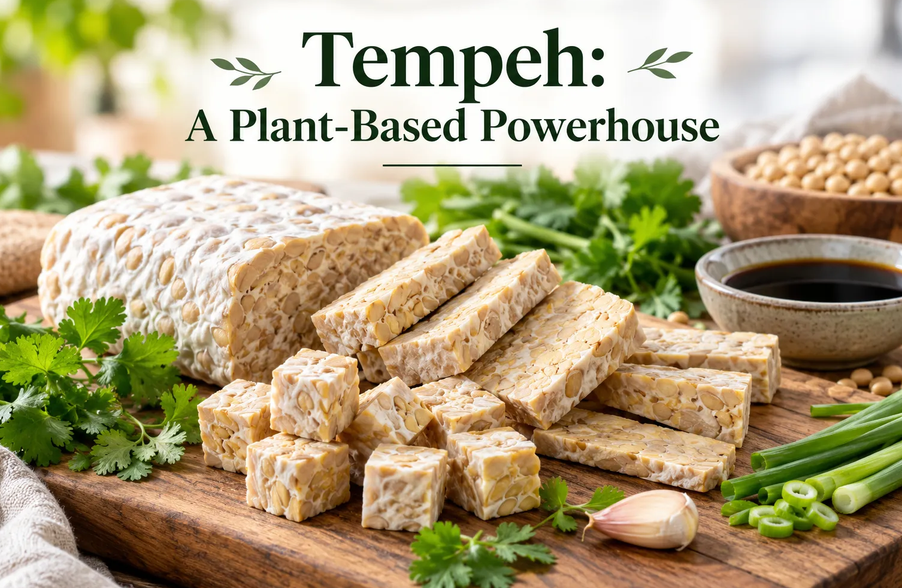
At its heart, tempeh is a traditional Indonesian food made from fermented soybeans. Unlike tofu, which is made from coagulated soy milk, tempeh is made from whole, cooked soybeans that are bound together into a compact cake by a beneficial mold, Rhizopus oligosporus. This fermentation process gives tempeh its distinctive firm, nutty texture and an earthy, mushroom-like flavor.
The visible white mycelium (the root-like structure of the mold) is what holds the beans together, creating a solid, sliceable block. While traditionally made from soybeans, you can also find variations made with other legumes, grains, or a mixture of both, offering slightly different textures and flavor profiles.
Tempeh Nutrition at a Glance
| Nutrient | Per 3 oz (85g) Serving | % Daily Value (approx.) |
|---|---|---|
| Calories | 162 | 8% |
| Protein | 15g | 30% |
| Fiber | 4.5g | 16% |
| Calcium | 111mg | 9% |
| Iron | 2.2mg | 12% |
| Manganese | 1.1mg | 54% |
| Magnesium | 58mg | 14% |
What’s the Difference Between Tempeh and Tofu?
Often, tempeh and tofu are grouped together, but they are distinct products with different textures, flavors, and nutritional profiles. Let’s break down the key differences:
| Feature | Tempeh | Tofu |
|---|---|---|
| Origin | Fermented whole soybeans | Coagulated soy milk |
| Texture | Firm, dense, chewy, retains whole soybean structure | Soft, silken, firm, or extra-firm; smooth, curd-like |
| Flavor | Nutty, earthy, mushroom-like, slightly bitter (raw) | Mild, neutral, takes on flavors of other ingredients |
| Preparation | Cooked, fermented whole beans | Soaked, blended, boiled, coagulated soy milk |
| Digestibility | Enhanced by fermentation; easier on the stomach | Generally easy to digest, but lacks fermentation benefits |
| Nutrients | Higher protein, fiber, iron, calcium (per serving) | Good protein, but generally less fiber and some minerals |
| Antinutrients | Significantly reduced by fermentation | Present, but often less than raw soybeans |
| Culinary Use | Best for grilling, frying, baking, crumbling; holds shape well | Best for scrambles, stir-fries, smoothies, sauces, desserts |
The biggest distinction is the “whole food” aspect of tempeh. Because it’s made from whole soybeans, you’re getting all the fiber and nutrients packed into each bean. Tofu, on the other hand, is made from the “milk” of soybeans, meaning some of the fiber and other components are lost in the process. This also contributes to tempeh’s significantly higher fiber content.
16 Impressive Benefits of Tempeh for Your Health

1. A Complete Protein Powerhouse
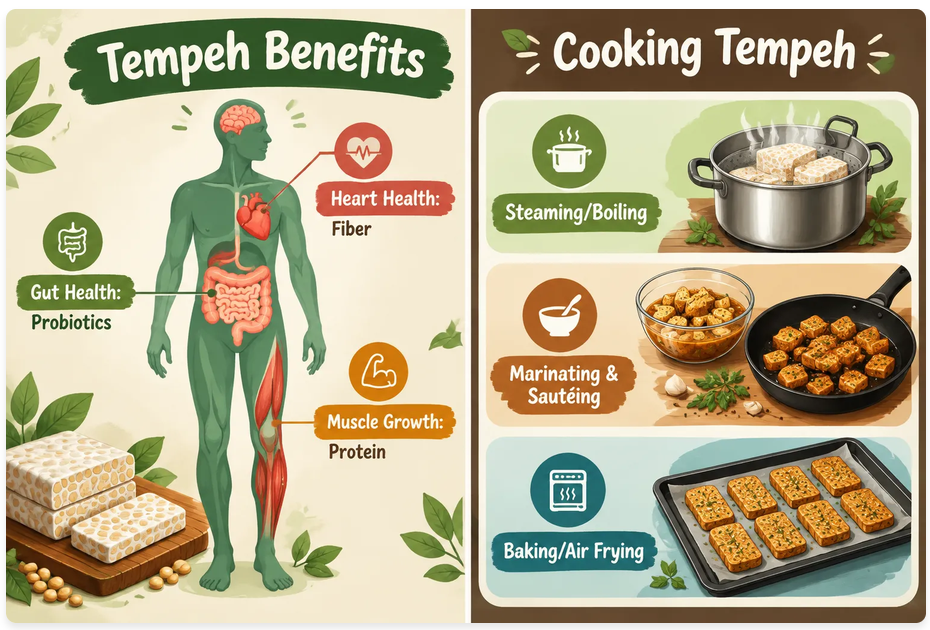
One of the most celebrated aspects of tempeh, especially for vegetarians and vegans, is its status as a complete protein. Unlike many plant-based proteins, tempeh contains all nine essential amino acids your body needs but cannot produce on its own.
A 3-ounce serving of tempeh typically provides around 18-20 grams of high-quality protein, making it an excellent muscle-building and repairing food. This makes tempeh an invaluable addition to any diet focused on maintaining muscle mass, promoting satiety, and ensuring adequate nutrient intake without relying on animal products.
2. Boosts Digestive Health with Probiotics
Here’s where tempeh truly shines: its fermentation process. Fermentation isn’t just for flavor; it introduces beneficial bacteria (probiotics) into the food. These live microorganisms are crucial for a healthy gut microbiome, which plays a pivotal role in digestion, nutrient absorption, and even immune function.
“Fermented foods like tempeh are nature’s way of enhancing nutrient availability while simultaneously introducing gut-friendly bacteria. It’s a win-win for your digestive system.”
Regular consumption of tempeh can help balance your gut flora, potentially easing symptoms like bloating and constipation, and contributing to overall gut wellness.
3. Rich in Prebiotic Fiber
Beyond probiotics, tempeh is also a fantastic source of prebiotic fiber. This type of fiber acts as food for the beneficial bacteria in your gut.
Think of it as fertilizer for your internal garden! By nourishing these good bacteria, prebiotics help them thrive, further supporting a healthy digestive system and a robust gut microbiome. This synergistic effect of both prebiotics and probiotics in tempeh offers a powerful one-two punch for gut health.
4. Supports Heart Health
Multiple studies suggest that soy products, including tempeh, can be beneficial for cardiovascular health. Tempeh is naturally low in saturated fat and cholesterol-free, making it a heart-friendly choice.
Furthermore, the isoflavones found in tempeh may help reduce “bad” LDL cholesterol levels and total cholesterol. Its fiber content also plays a role in lowering cholesterol by binding to it and removing it from the body. Incorporating tempeh into your diet can be a delicious step toward a healthier heart.
5. May Help Regulate Blood Sugar Levels
Tempeh’s combination of protein, fiber, and healthy fats makes it an excellent food for managing blood sugar. The high protein and fiber content slows down the absorption of sugar into the bloodstream, preventing sharp spikes and crashes. This makes tempeh a valuable food for individuals looking to maintain stable energy levels, as well as those managing conditions like type 2 diabetes.
6. Packed with Essential Minerals
Don’t let its humble appearance fool you; tempeh is a mineral powerhouse. It’s an excellent source of:
- Iron: Crucial for oxygen transport and energy.
- Calcium: Essential for strong bones and teeth.
- Magnesium: Involved in over 300 biochemical reactions in the body.
- Phosphorus: Important for bone health and energy metabolism.
- Zinc: Vital for immune function and wound healing.
These minerals are often difficult to obtain in sufficient quantities from a purely plant-based diet, making tempeh an invaluable asset.
7. Enhances Bone Density
Thanks to its significant calcium and magnesium content, tempeh contributes to stronger bones. Adequate intake of these minerals is crucial throughout life to prevent osteoporosis, a condition characterized by brittle bones. The fermentation process in tempeh can also make these minerals more bioavailable, meaning your body can absorb and utilize them more efficiently.
8. Rich in Antioxidants
Tempeh contains a variety of antioxidants, including isoflavones, which are compounds naturally found in soybeans. Antioxidants combat oxidative stress in the body by neutralizing harmful free radicals. This protection can reduce cellular damage and lower the risk of chronic diseases, including certain cancers and heart disease. Including antioxidant-rich foods like tempeh helps your body stay resilient.
9. Supports Weight Management
If you’re looking to manage your weight, tempeh can be a fantastic ally. Its high protein and fiber content are key. Protein is known for its ability to increase satiety, helping you feel fuller for longer and reducing overall calorie intake. Fiber also contributes to fullness and aids in digestion. Swapping out less nutritious protein sources for tempeh can be a strategic move in a healthy weight management plan.
10. May Reduce Inflammation
Chronic inflammation is at the root of many modern diseases. The anti-inflammatory properties of compounds like isoflavones in tempeh may help reduce inflammation throughout the body. While more research is always ongoing, incorporating anti-inflammatory foods like tempeh is a proactive step toward better long-term health.
11. Boosts Immune Function
A healthy gut is intrinsically linked to a strong immune system. Since tempeh supports gut health through its probiotics and prebiotics, it indirectly contributes to enhanced immune function. A balanced gut microbiome helps your body produce immune cells and defend against pathogens more effectively. Consider tempeh a tasty way to fortify your body’s defenses.
12. Versatile and Delicious
Beyond its nutritional profile, tempeh is incredibly versatile in the kitchen. Its firm, chewy texture holds up well to various cooking methods like grilling, frying, baking, and crumbling. It readily absorbs marinades and spices, allowing it to take on a wide range of flavors, from savory and smoky to sweet and tangy. This makes tempeh an exciting and adaptable ingredient for diverse cuisines.
Popular Tempeh Dishes:
- Tempeh Stir-fry: Cubed or sliced tempeh with your favorite vegetables and sauce.
- Tempeh Bacon: Thinly sliced and marinated for a smoky, crispy treat.
- Tempeh Chili: Crumbled tempeh adds texture and protein to a hearty chili.
- Tempeh Tacos/Burritos: A flavorful ground meat substitute.
- Tempeh Sandwiches: Marinated and pan-fried for a satisfying meal.
13. A Sustainable Protein Choice
In 2026, environmental impact is a significant consideration for many. Tempeh, being a plant-based protein, generally has a much lower environmental footprint compared to animal proteins. Soybean cultivation uses fewer resources (land, water) and generates fewer greenhouse gas emissions. Choosing tempeh is a delicious way to support both your health and the planet.
14. Supports Healthy Cholesterol Levels
As mentioned earlier, the isoflavones and fiber in tempeh work together to positively impact cholesterol. Specifically, research suggests that regular consumption can lead to reductions in LDL (bad) cholesterol and total cholesterol, while potentially maintaining or even improving HDL (good) cholesterol levels. This is a crucial benefit for reducing the risk of atherosclerosis and other heart-related issues.
15. A Source of B Vitamins
Tempeh also provides a good array of B vitamins, particularly riboflavin (B2), niacin (B3), and pyridoxine (B6). These vitamins are essential for energy metabolism, nerve function, and red blood cell formation. While not typically a primary source of B12, the fermentation process can sometimes contribute small amounts. Ensuring adequate B vitamin intake is vital for overall vitality.
16. May Improve Cognitive Function
Emerging research suggests that the isoflavones in soy products like tempeh may have neuroprotective effects, potentially improving cognitive function and reducing the risk of age-related cognitive decline.
While more dedicated studies are needed, the antioxidant and anti-inflammatory properties certainly create a favorable environment for brain health. Keeping your brain sharp is yet another reason to embrace this fantastic food!
How Do You Cook Tempeh? A Culinary Adventure!
Now that you’re convinced of tempeh’s merits, let’s get to the fun part: cooking it!
Preparing Tempeh
- Unpack: Remove the tempeh block from its packaging. You might notice some black or gray spots on the tempeh, this is normal and indicates that the mold has sporulated, like a mushroom cap, and is perfectly safe to eat.
- Steam (Optional but Recommended): Many recipes recommend steaming tempeh before cooking. This helps to soften it slightly, reduce any potential bitterness (though modern tempeh is rarely bitter), and open up its pores to better absorb marinades.
- Method: Cut the tempeh into your desired shape (cubes, slices, crumbles). Place it in a steamer basket over boiling water, cover, and steam for 10-15 minutes.
- Marinate: This is where the magic happens! Tempeh is a sponge for flavor. Marinating it for at least 30 minutes, or even a few hours, can dramatically enhance its taste.
- Basic Marinade Idea: Soy sauce (or tamari), rice vinegar, a touch of maple syrup or agave, minced garlic, grated ginger, and a dash of sesame oil.
- Tip: Ensure the tempeh is fully coated in the marinade. You can use a shallow dish or a zip-top bag.
Popular Cooking Methods for Tempeh
Once marinated (or even if you skip the marinade for a more neutral flavor), tempeh can be cooked in numerous ways.
1. Pan-Frying/Sautéing
This is perhaps the most common and quickest method.
- How-to: Heat a tablespoon or two of oil (like olive, avocado, or sesame oil) in a non-stick skillet over medium-high heat. Add your sliced, cubed, or crumbled tempeh in a single layer. Cook for 5-7 minutes per side, or until golden brown and crispy.
- Best for: Stir-fries, salads, sandwiches, tacos, bowls.
2. Baking
Baking provides a slightly less crispy but still firm texture, and it’s great for hands-off cooking.
- How-to: Preheat oven to 375°F (190°C). Arrange marinated tempeh in a single layer on a parchment-lined baking sheet. Bake for 20-30 minutes, flipping halfway through, until golden brown and slightly firm. For extra crispiness, you can broil for the last few minutes (watch carefully!).
- Best for: Sheet pan dinners, wraps, as a protein component in a meal prep.
3. Grilling
Perfect for summer BBQs and imparting a smoky flavor.
- How-to: Slice tempeh into larger, flatter pieces (about ½-inch thick) to prevent it from falling through the grates. Marinate well. Preheat grill to medium heat. Lightly oil the grates. Grill tempeh for 3-5 minutes per side, until grill marks appear and it’s heated through.
- Best for: Burgers, skewers, salads, outdoor entertaining.
4. Air Frying
For maximum crispiness with minimal oil, an air fryer is a fantastic option.
- How-to: Cut tempeh into desired shapes (cubes or thin slices work best). Toss lightly with oil and seasoning (or use marinated tempeh). Place in a single layer in the air fryer basket. Air fry at 375°F (190°C) for 10-15 minutes, shaking the basket halfway through, until crispy and golden.
- Best for: Crispy toppings for salads, bowls, snacks.
5. Crumbled Tempeh
Tempeh crumbles are a fantastic ground meat substitute.
- How-to: Steam the tempeh block, then use your hands or a fork to crumble it into small pieces. Sauté with onions, garlic, and your favorite spices until browned.
- Best for: Chili, tacos, sloppy joes, pasta sauces, shepherd’s pie.
6. Steamed Tempeh (Beyond Pre-Steaming)
While often used as a prep step, steaming can also be the final cooking method for a softer texture.
- How-to: Marinate tempeh, then steam until heated through and flavors have melded (about 15-20 minutes).
- Best for: When you prefer a softer texture, or as a base for a delicate sauce.
Flavor Profile and Pairings
Tempeh has a mild, slightly nutty, and earthy taste. Some people detect mushroom or even a faint yeasty note. This makes it incredibly adaptable:
- Savory: Pairs wonderfully with soy sauce, ginger, garlic, chili, smoked paprika, cumin, nutritional yeast, and liquid smoke for a “meaty” flavor.
- Sweet & Tangy: Excellent with maple syrup, pineapple juice, citrus, or balsamic vinegar in marinades.
- Creamy: Can be blended into sauces or dips for added protein and texture.
Where to Buy Tempeh
You can typically find it in the refrigerated section of most grocery stores, often near the tofu, plant-based meats, or specialty cheeses.
Health food stores and Asian markets are also excellent sources. Look for brands that offer organic and non-GMO options. Sometimes, you might find flavored or pre-marinated tempeh, which can be a convenient shortcut for busy cooks.
How to Choose and Store Tempeh
When shopping, look for tempeh with minimal ingredients, ideally just soybeans and the starter culture. Some varieties include grains like barley or millet, which add fiber but may not suit those with gluten sensitivities.
Storage tips:
- Fresh tempeh lasts 5-7 days in the refrigerator
- Frozen tempeh keeps for up to 12 months without significant nutrient loss
- A slightly gray or black color on the surface is normal; that’s just the mold culture. It doesn’t mean the tempeh has gone bad
Who Should Be Cautious With Tempeh?
Tempeh is safe for most people, but a few groups should exercise some caution:
- Soy allergies: Tempeh is made from soybeans; avoid it if you have a confirmed soy allergy.
- Thyroid conditions: Soy can interfere with thyroid hormone absorption if consumed in very large amounts. Moderate intake is generally fine.
- Hormone-sensitive conditions: The isoflavones in soy are phytoestrogens. While research largely shows they’re safe, individuals with certain hormone-sensitive cancers should consult their doctor.
- Gout: Tempeh is moderately high in purines, which can trigger gout flares in susceptible individuals.
FAQs
1. Is Tempeh Gluten-Free?
Traditionally, Tempeh made solely from soybeans and a starter culture is naturally gluten-free. However, it’s crucial to always check the ingredient label, as some brands may add other grains like barley or wheat to their Tempeh, especially flavored varieties. If you have a gluten sensitivity or celiac disease, look for certified gluten-free labels or products that explicitly state “100% soy Tempeh.”
2. Does tempeh taste like tofu?
Not really. Tempeh has a nuttier, earthier, more robust flavor than tofu. Many people who dislike the blandness of tofu actually prefer tempeh. The texture is also firmer and more satisfying.
3. Where Can I Buy Tempeh?
Tempeh is becoming increasingly common and is usually found in the refrigerated section of most major grocery stores. Look for it near the tofu, other plant-based proteins, or in the natural foods aisle. Health food stores and Asian markets are also reliable places to find a wider variety of Tempeh products.
4. Can Tempeh Be Eaten Raw?
While Tempeh is fermented, it’s generally recommended to cook it before consumption. Raw Tempeh can be difficult to digest for some people and may harbor bacteria that are not destroyed by the fermentation process alone.
Cooking ensures any potential bitterness is removed and makes it safer and more palatable. Always follow a cooking method like steaming, baking, or pan-frying before adding it to your meals.
5. Is Tempeh Sustainable?
Yes, Tempeh is considered a highly sustainable food choice. As a plant-based protein, it has a significantly lower environmental footprint compared to animal proteins, requiring less land and water, and generating fewer greenhouse gas emissions. Soybeans are also a nitrogen-fixing crop, which can improve soil health.
6. Is tempeh safe for people with soy allergies?
No. Tempeh is made from soybeans, so anyone with a soy allergy should avoid it. However, there are now chickpea, black bean, and sunflower seed tempeh varieties available that offer similar fermentation benefits without soy.
7. How much tempeh should I eat per day?
Most nutrition experts suggest 1-2 servings (3-6 oz) per day is a reasonable and beneficial amount for most healthy adults. As with any food, variety and moderation are key.
Conclusion
As we’ve explored, Tempeh is far more than just another plant-based protein. It’s a fermented superfood with a rich history, offering an impressive array of health benefits. Its unique nutty flavor and firm, adaptable texture make it an incredibly versatile ingredient, capable of starring in everything from crispy stir-fries to hearty tacos.
With a little preparation and a good marinade, you’ll discover how easy and rewarding it is to cook with Tempeh. Experiment with different spices, sauces, and cooking methods, and allow this Indonesian powerhouse to become a staple in your kitchen. Your taste buds and your body will thank you!


