If you’ve ever explored natural health supplements or visited the nutrition aisle of a health food store, you’ve likely encountered wheat germ oil. This golden, nutrient-dense oil has quietly earned its place among nature’s most powerful wellness supplements. From athletes seeking faster recovery to beauty enthusiasts pursuing youthful skin, wheat germ oil has become a go-to natural remedy.
But what makes this oil so special? How can you use it safely and effectively? And how much should you actually consume? This article will explore everything you need to know about wheat germ oil, from its nutritional composition to practical applications and safety considerations.
What is Wheat Germ Oil?
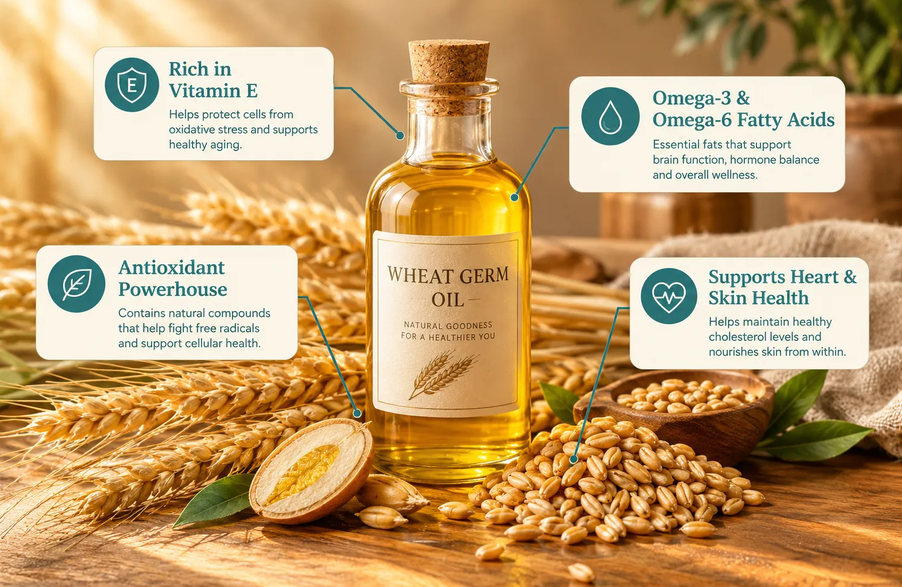
Wheat germ oil is a concentrated essential oil extracted from the nutrient-rich germ of the wheat kernel—specifically the embryo of the wheat plant. The wheat germ represents only 2-3% of the entire wheat kernel’s weight, yet it contains the majority of the grain’s essential vitamins, minerals, and beneficial compounds.
This golden-hued oil is typically extracted through cold-pressing or solvent extraction methods, with cold-pressed varieties retaining significantly more of their original nutrients and antioxidants. The oil features a distinctive nutty, earthy flavor profile that makes it versatile for both culinary and therapeutic applications.
Wheat germ oil is highly valued for its exceptional concentration of vitamin E—sometimes up to 100 times more than other common plant oils. Beyond culinary uses, it has become increasingly popular in skincare, haircare, and nutritional supplementation due to its penetrating properties and comprehensive nutrient profile.
Nutrition of Wheat Germ Oil
Wheat germ oil stands out among plant oils due to its remarkable concentration of essential nutrients. Here’s a detailed breakdown of the nutritional content per 1 tablespoon (13.6 grams) of cold-pressed wheat germ oil:
| Nutrient | Amount per 1 tbsp (13.6g) |
|---|---|
| Calories | 120 |
| Total Fat | 14 grams |
| – Polyunsaturated Fat | 7.5 grams |
| – Monounsaturated Fat | 4.5 grams |
| – Saturated Fat | 1.8 grams |
| Vitamin E (Tocopherols) | 20.3 mg (102% DV) |
| Omega-3 Fatty Acids | 0.12 grams |
| Omega-6 Fatty Acids | 7.2 grams |
| Magnesium | 9 mg |
| Zinc | 0.2 mg |
| Cholesterol | 0 mg |
Wheat germ oil is extraordinarily rich in vitamin E and essential fatty acids, making it one of the most concentrated natural sources of this crucial antioxidant vitamin.
18 Health Benefits of Wheat Germ Oil

1. A Powerhouse of Vitamin E
At the forefront of wheat germ oil’s benefits is its incredibly high concentration of Vitamin E (tocopherol). In fact, it’s one of the richest natural sources of this essential fat-soluble vitamin. Vitamin E isn’t just a single nutrient; it’s a group of compounds with powerful antioxidant properties.
Vitamin E is crucial for protecting your cells from oxidative stress caused by free radicals. These unstable molecules can damage cells, leading to chronic diseases and premature aging. By neutralizing free radicals, wheat germ oil helps maintain cellular integrity and supports overall health.
2. Supports Cardiovascular Health
The health of your heart is paramount, and wheat germ oil can play a significant supportive role. Its rich profile of nutrients, particularly Vitamin E and essential fatty acids, contributes positively to cardiovascular well-being.
- Cholesterol Management: Studies suggest that phytosterols found in wheat germ oil can help reduce the absorption of “bad” LDL cholesterol in the gut, potentially lowering overall cholesterol levels.
- Improved Circulation: Vitamin E’s role in maintaining healthy blood vessels can lead to better blood flow throughout the body, reducing the risk of clots and promoting optimal heart function.
3. Boosts Immune System Function
A robust immune system is your body’s best defense against illness. Wheat germ oil, with its diverse nutritional composition, offers significant support for immune health.
Zinc, selenium, and particularly Vitamin E are all critical for immune cell function. Vitamin E enhances the activity of certain immune cells, allowing them to more effectively fight off infections and pathogens. Including wheat germ oil in your diet can therefore help your body stay strong and resilient, especially during cold and flu season.

4. Promotes Healthy Skin
For centuries, natural oils have been prized for their skin-healing properties, and wheat germ oil is no exception. Its emollient and antioxidant properties make it a fantastic natural remedy for various skin concerns.
Benefits for your skin:
- Deep Hydration: It’s a heavy oil, excellent for locking in moisture and preventing dryness, making it ideal for dry or mature skin.
- Reduces Inflammation: Its anti-inflammatory compounds can soothe irritated skin, helping with conditions like eczema and psoriasis.
- Supports Cell Regeneration: Vitamin E aids in the formation of new skin cells, promoting a youthful glow and improving the appearance of scars and stretch marks.
You can apply a small amount directly to your skin or mix it with a lighter carrier oil like jojoba for easier absorption.
5. Enhances Hair Health and Growth
Beyond skin, wheat germ oil is a secret weapon for luscious locks. The same nutrients that benefit your skin also work wonders for your hair.
“The high Vitamin E content in wheat germ oil provides exceptional nourishment to the scalp, which is vital for strong hair follicles and vibrant hair.”
- Strengthens Hair Follicles: Essential fatty acids and Vitamin E deeply nourish the scalp and hair follicles, preventing breakage and promoting stronger strands.
- Adds Shine: Regular application can improve hair texture, making it softer, smoother, and shinier.
- Combats Dryness: It helps to condition dry hair and alleviate a flaky, itchy scalp.
Try massaging warm wheat germ oil into your scalp and hair, leaving it on for 30 minutes before shampooing.
6. Supports Reproductive Health
Historically, wheat germ oil has been associated with fertility and reproductive health, largely due to its significant Vitamin E content. Vitamin E is known to be essential for the proper functioning of the reproductive system in both men and women.
In men, it can contribute to sperm health and motility. In women, it supports hormonal balance and may help maintain a healthy uterine lining. While not a magic bullet, incorporating this nutrient-rich oil can be a part of a holistic approach to reproductive wellness.
7. Boosts Stamina and Energy Levels
Feeling sluggish? Wheat germ oil might be the pick-me-up you need. Its combination of complex carbohydrates (when consumed as part of wheat germ, but the oil concentrates some B vitamins) and essential fatty acids provides a sustained energy release.
Additionally, the Vitamin E in wheat germ oil plays a role in optimizing oxygen utilization in the body, which can improve endurance and reduce fatigue, making it popular among athletes and those with active lifestyles.
8. Aids in Muscle Repair and Growth
For fitness enthusiasts and athletes, wheat germ oil can be a valuable dietary addition. The antioxidants, particularly Vitamin E, help reduce exercise-induced oxidative stress and muscle damage. This can lead to faster recovery times and support muscle repair and growth.
💪 Tip: Consider adding a tablespoon of wheat germ oil to your post-workout smoothie!
9. Supports Healthy Aging
Aging is a natural process, but we can influence how gracefully we age. Wheat germ oil, with its powerful antioxidant properties, helps combat the cellular damage that contributes to visible signs of aging and age-related health issues. By protecting DNA and proteins from oxidative stress, it supports cellular longevity and overall vitality.
10. Natural Anti-Inflammatory Properties
Chronic inflammation is at the root of many modern diseases. While wheat germ oil isn’t a direct anti-inflammatory drug, its rich profile of antioxidants and essential fatty acids can help modulate inflammatory responses in the body.
Omega-3 fatty acids, in particular, are known for their anti-inflammatory effects, and while not as concentrated as in fish oil, their presence contributes to wheat germ oil’s overall health benefits.
11. Improves Digestion and Gut Health
While the fiber content of whole wheat germ is what primarily aids digestion, the oil itself can contribute to a healthy gut environment. The essential fatty acids can help maintain the integrity of the gut lining, which is crucial for nutrient absorption and preventing “leaky gut” syndrome. A healthy gut is fundamental for overall health and well-being.
12. Balances Blood Sugar Levels
Some preliminary research suggests that components found in wheat germ oil may help in managing blood sugar levels. While more extensive human studies are needed, the presence of various vitamins and minerals, along with healthy fats, can contribute to metabolic balance and potentially improve insulin sensitivity. This makes it an interesting area for ongoing research and a potential supportive nutrient for those concerned about blood sugar.
13. Promotes Brain Health and Cognitive Function
The brain, being largely composed of fat, thrives on healthy fatty acids. Wheat germ oil provides essential fatty acids, including omega-3s and omega-6s, which are vital for brain structure and function. Vitamin E also plays a neuroprotective role, guarding brain cells against oxidative damage.
🧠 Benefits for your brain:
- Supports memory and learning.
- Protects against age-related cognitive decline.
- May reduce the risk of neurodegenerative diseases.
14. Supports Healthy Vision
Vitamin E is not just for skin and heart; it’s also important for eye health. As an antioxidant, it helps protect the delicate cells of the eyes from oxidative damage, which can contribute to age-related macular degeneration and cataracts. Including wheat germ oil in your diet can be a proactive step toward maintaining good vision as you age.
15. Aids in Wound Healing
When it comes to healing cuts, scrapes, and other minor skin abrasions, wheat germ oil can be a valuable ally. Its high Vitamin E content supports collagen production and cell regeneration, both of which are critical for the repair of damaged tissues. Applied topically, it can help speed up the healing process and minimize scarring.

16. Natural Stress Reducer
In the fast-paced world, managing stress is more important than ever. While not a direct sedative, the B vitamins found in wheat germ oil, along with its overall nourishing profile, play a role in supporting the nervous system.
A well-nourished body is better equipped to handle stress and maintain a balanced mood. The essential fatty acids also contribute to neurotransmitter function, which can impact mood regulation.
17. Good Source of Essential Fatty Acids
Beyond Vitamin E, wheat germ oil is an excellent source of polyunsaturated fatty acids, including linoleic acid (an omega-6) and alpha-linolenic acid (an omega-3). These “essential” fatty acids cannot be produced by the body and must be obtained through diet. They are crucial for:
- Cell membrane structure and function.
- Hormone production.
- Inflammation regulation.
Ensuring a balanced intake of these fats through sources like wheat germ oil is fundamental for overall health.
18. Supports Hormonal Balance
The essential fatty acids and Vitamin E in wheat germ oil are critical precursors and cofactors for hormone synthesis and regulation. For women, this can mean support for managing symptoms of PMS and menopause.
For both genders, it contributes to the healthy production and balance of various hormones, which impacts everything from mood and energy to metabolism and reproductive health.

Side Effects of Wheat Germ Oil
While wheat germ oil is generally safe and well-tolerated, it’s important to be aware of potential side effects:
1. Allergic Reactions
Some individuals, particularly those with wheat allergies or sensitivities, may experience allergic reactions. Symptoms can range from mild itching and rashes to more severe reactions including swelling or difficulty breathing. Those with celiac disease should consult their healthcare provider, as wheat germ oil may contain trace gluten.
2. Digestive Upset
Consuming large amounts may cause bloating, gas, or stomach cramping, particularly if your digestive system isn’t accustomed to high-fat oils. Starting with small quantities allows your body to adjust gradually.
3. Blood Thinning Interactions
The vitamin E content can have mild anticoagulant properties. Those taking blood-thinning medications should consult their healthcare provider before significantly increasing consumption.
4. High Calorie Content
Wheat germ oil contains approximately 120 calories per tablespoon. While these calories come from healthy fats, excessive consumption without accounting for the caloric load can contribute to weight gain.
5. Potential Skin Irritation
Some individuals with sensitive or acne-prone skin may experience irritation or breakouts from its rich texture. The oil can clog pores in susceptible individuals. Patch testing is recommended before broader application.
6. Rancidity and Oxidation
Wheat germ oil oxidizes relatively quickly due to its high polyunsaturated fat content. Rancid oil not only tastes unpleasant but may also contain harmful compounds. The oil requires careful storage in cool, dark conditions.
7. Quality Variability
Not all wheat germ oils are created equal. Some commercial products may be refined or bleached, losing many nutritional benefits. Choosing high-quality, cold-pressed, organic wheat germ oil from reputable sources is essential.
8. Potential for Nutrient Imbalance
Extremely high intakes over prolonged periods could theoretically contribute to nutrient imbalances. Moderate consumption as part of a varied diet is the safest approach.

How to Use Wheat Germ Oil?
1. For Culinary Purposes
Due to its relatively low smoke point of around 320°F (160°C), wheat germ oil is best used for low to medium-heat cooking or not heated at all. Add it to soups just before serving, drizzle over steamed vegetables, or use as a finishing oil.
2. For Salads and Dressings
Create a simple vinaigrette by combining wheat germ oil with balsamic vinegar, Dijon mustard, and fresh herbs. Drizzle over green salads, grain bowls, or roasted vegetables to enhance both flavor and nutrient absorption.
3. For Smoothies and Nutritional Shakes
Add 1-2 teaspoons of wheat germ oil to your daily smoothie for a subtle, nutty flavor and powerful nutritional boost without significantly affecting texture or taste.
4. For Baking Applications
Substitute wheat germ oil for up to 25% of the butter or oil called for in baking recipes to reduce saturated fat while increasing nutrient density and health benefits.
5. As a Drizzle and Finishing Oil
Use wheat germ oil as a finishing oil, drizzling it over prepared dishes just before serving to preserve all nutrients while allowing its nutty flavor to enhance the finished dish.
Other Uses of Wheat Germ Oil
1. Skincare Applications
Apply a few drops to damp skin as a nourishing night moisturizer, under-eye treatment for fine lines, or create a personalized anti-aging serum by mixing with essential oils like rose or lavender. Regular application to scars or stretch marks may help reduce their appearance.
2. Haircare Applications
Massage wheat germ oil directly into your scalp and leave for 15-30 minutes before shampooing to reduce dryness, dandruff, and hair loss. Mix with conditioner or honey to create a deep conditioning mask for enhanced benefits.
3. Nail and Cuticle Care
Massage wheat germ oil into cuticles and nail beds to strengthen nails, prevent brittleness, and promote faster nail growth.
4. General Body Care
Use as a luxurious body moisturizer, particularly for dry areas like heels, elbows, and knees. The oil absorbs well and leaves skin feeling soft and nourished.
How Much Wheat Germ Oil Can You Use Per Day?
There’s no official recommended daily intake established by regulatory bodies, but experts suggest moderate consumption based on individual health goals:
| Purpose | Suggested Daily Amount |
|---|---|
| General Health Maintenance | 1–2 teaspoons |
| Heart Health Support | 1 teaspoon |
| Skin and Hair Nourishment | 1 teaspoon |
| Anti-Aging Benefits | 1–2 teaspoons |
| Athletic Recovery and Inflammation | 1–2 teaspoons |
Begin with just a teaspoon daily and observe how your body responds. Individual tolerance varies based on digestive health, allergies, and overall constitution, so personalization is key.
Best Time to Use Wheat Germ Oil
- For Skin Care: Evening or before bedtime for maximum absorption and cellular repair during sleep.
- For Hair Treatment: Evening or before shower to allow deep penetration overnight.
- For General Health: Morning with breakfast to support nutrient absorption throughout the day.
- For Athletic Recovery: Post-workout within 30-60 minutes to capitalize on the body’s heightened nutrient uptake.
- For Digestive Support: With meals to enhance nutrient bioavailability and support digestion.
Tips for Consuming Wheat Germ Oil
- Choose Cold-Pressed Varieties: Cold-pressed wheat germ oil retains substantially more nutrients than refined versions. Look for this designation on product labels.
- Store in Dark Containers: Light exposure significantly degrades nutrients. Always purchase oil stored in dark glass bottles, never clear ones.
- Keep It Refrigerated: Store in your refrigerator for maximum shelf life and nutrient preservation. Stable temperatures prevent oxidation.
- Use Quickly After Opening: Wheat germ oil has a relatively short shelf life of 6-12 months when properly stored. Mark your bottle with the opening date.
- Pair With Nutrient-Dense Foods: Consume with meals containing other nutrients you want to absorb more efficiently, particularly fat-soluble vitamins.
- Smell and Taste Test: Fresh wheat germ oil should have a pleasant, nutty aroma. Any musty or rancid smell indicates the oil has oxidized and should be discarded immediately.
How to Choose a High-Quality Wheat Germ Oil
Not all wheat germ oils are created equal. Here’s what to look for:
✅ Cold-pressed or expeller-pressed, preserves nutrients and avoids chemical solvents
✅ Organic certification, reduces pesticide exposure
✅ Dark glass bottle, protects from light degradation
✅ Short ingredient list, 100% wheat germ oil, nothing else
✅ Recent production date, freshness is critical
❌ Avoid products with added synthetic preservatives or those sold in clear plastic bottles.
FAQs
1. Can wheat germ oil be used during pregnancy?
Yes, wheat germ oil can be beneficial during pregnancy due to its high folate content. However, consult with your healthcare provider before adding it to your routine.
2. Is wheat germ oil safe for children?
Wheat germ oil is generally safe for children in small amounts, offering nutritional benefits for growing bodies. Always consult with your pediatrician before giving it to children, particularly those with wheat allergies.
3. Can wheat germ oil be used as a carrier oil for essential oils?
Yes, wheat germ oil makes an excellent carrier oil for essential oils, supporting skin health while facilitating absorption of essential oil properties.
4. How does wheat germ oil compare to wheat germ itself?
While wheat germ contains fiber and additional nutrients, wheat germ oil concentrates the oil-soluble nutrients, particularly vitamin E. Both offer health benefits but differ in nutritional profile and applications.
5. Can wheat germ oil help with hair loss?
While wheat germ oil cannot prevent genetic hair loss, its nourishing properties support scalp health and strengthen existing hair, potentially reducing breakage.
6. Is wheat germ oil gluten-free?
Pure wheat germ oil contains no gluten, as gluten resides in the protein portion of wheat. However, those with celiac disease should choose certified gluten-free products.
7. Can I cook with wheat germ oil at high temperatures?
No, wheat germ oil’s low smoke point of approximately 320°F (160°C) makes it unsuitable for high-heat cooking. Reserve it for low-heat cooking or raw applications.
8. Does wheat germ oil have any drug interactions?
Wheat germ oil may interact with blood-thinning medications due to its vitamin E content. Always inform your healthcare provider about wheat germ oil consumption.