16 Best Home Remedies for Hair Growth Fast

In 2026, over 80 million Americans will experience significant hair loss, a condition often linked to genetics, stress, or nutritional deficiencies, yet surprisingly, the solution might already be in your kitchen. While the market is flooded with expensive treatments, many individuals are discovering the profound effectiveness of natural remedies for hair growth, often achieving remarkable results without harsh chemicals or hefty price tags.

This article will explore the 16 best home remedies for hair growth fast. These remedies are natural, safe, and effective, helping you achieve the vibrant and healthy hair you desire. From nourishing scalp treatments to powerful ingredients in your kitchen pantry, we’ve got you covered.

Different Causes of Hair Loss

There are various reasons why hair loss becomes apparent in people. Here are just some of the reasons for hair loss:

  • Genetics: The most common cause of hair loss is hereditary, known as male or female pattern baldness. A combination of genetic and hormonal factors causes it.
  • Hormonal changes: Hormonal changes due to pregnancy, childbirth, menopause, or thyroid disorders can lead to temporary or permanent hair loss.
  • Medical conditions: Certain medical conditions like alopecia areata (an autoimmune disorder), scalp infections (such as ringworm), trichotillomania (a hair-pulling disorder), and certain skin conditions, can cause hair loss.
  • Nutritional deficiencies: Inadequate intake of essential nutrients like iron, zinc, vitamin D, and protein can lead to hair loss. Crash dieting or an imbalanced diet can also contribute to hair loss.
  • Medications and treatments: Some medications, such as those used in chemotherapy, radiation therapy, and certain antidepressants, can cause hair loss as a side effect. Additionally, excessive use of harsh hair treatments, like frequent dyeing, perming, or straightening, can damage the hair and cause it to fall out.
  • Emotional and physical stress: Severe stress, emotional trauma, or physical shock to the body (such as surgery or a major illness) can disrupt the hair growth cycle, leading to temporary hair loss, known as telogen effluvium.
  • Aging: As individuals age, hair growth may slow down, and hair follicles may become less active, resulting in thinning hair or hair loss.
  • Autoimmune disorders: Certain autoimmune disorders like lupus, can cause hair loss as the immune system mistakenly attacks the hair follicles.

Hair Growth Home Remedy

16 Best Home Remedies for Hair Growth Fast

While “fast” is relative when it comes to natural remedies, these methods are celebrated for their ability to stimulate follicles, improve scalp health, and strengthen hair strands over time.

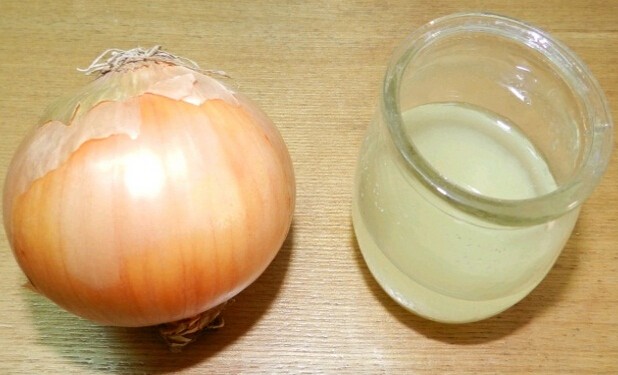
1. Onion Juice: A Potent Stimulant for Hair Growth

Don’t let the strong smell deter you; onion juice is a powerhouse when it comes to stimulating hair growth! It’s rich in sulfur, which is a key component of keratin, the protein that makes up your hair. Sulfur also helps improve blood circulation to the scalp and has antibacterial properties that can help fight scalp infections that contribute to hair loss.

How it Works:

  • Sulfur Content: Boosts collagen production and strengthens hair follicles.
  • Antibacterial: Helps combat scalp infections and keeps the scalp healthy.
  • Circulation: Improves blood flow to hair follicles, delivering vital nutrients.

How to Use It:

  1. Peel and chop 1-2 onions.
  2. Blend them to extract the juice (you can add a little water to help).
  3. Strain the mixture to separate the pulp from the juice.
  4. Apply the onion juice directly to your scalp.
  5. Leave it on for 15-30 minutes.
  6. Rinse thoroughly with a mild shampoo.
  7. Repeat 2-3 times a week.

Pro Tip: To mitigate the smell, you can mix onion juice with a few drops of lavender or rosemary essential oil.

2. Rosemary Oil: The Herbal Stimulator

Often called a “natural minoxidil,” rosemary essential oil has garnered significant attention for its ability to stimulate hair growth. Research suggests it can be just as effective as chemical treatments, without the side effects. It works by improving blood circulation to the scalp, which in turn delivers more oxygen and nutrients to hair follicles.

How it Works:

  • Microcirculation: Stimulates blood flow to the scalp, promoting nutrient delivery.
  • Anti-inflammatory: Helps soothe scalp irritation.
  • Antioxidant: Protects hair follicles from damage.

How to Use It:

  1. Mix 2-3 drops of rosemary essential oil with a tablespoon of carrier oil (like coconut, jojoba, or almond oil).
  2. Massage the mixture into your scalp for 5-10 minutes.
  3. Leave it on for at least 30 minutes, or even overnight for a deeper treatment.
  4. Shampoo and rinse as usual.
  5. Use 2-3 times a week.

Safety Note: Always dilute essential oils before applying them to your skin to prevent irritation.

Benefits and Uses of Castor Oil

3. Castor Oil: The Thickening Secret

Castor oil, extracted from castor beans, is a truly ancient remedy known for its hair-thickening and growth-promoting properties. It’s rich in ricinoleic acid, a type of fatty acid that has anti-inflammatory properties and helps improve blood circulation to the scalp. It also deeply moisturizes and conditions the hair, reducing breakage.

How it Works:

  • Ricinoleic Acid: Enhances circulation, has anti-inflammatory benefits.
  • Moisturizing: Conditions hair, reduces frizz, and prevents breakage.
  • Nutrient Rich: Contains Vitamin E, proteins, and minerals beneficial for hair.

How to Use It:

  1. Warm a small amount of pure castor oil (you can do this by placing the bottle in warm water for a few minutes).
  2. Apply it directly to your scalp and massage gently.
  3. Work the oil through the length of your hair.
  4. Cover your head with a shower cap and leave it on for at least 2 hours, or overnight.
  5. Wash out with shampoo, which might take two washes due to its thickness.
  6. Apply 1-2 times a week.

4. Aloe Vera: The Soothing Healer

Aloe vera is a wonder plant, celebrated for its numerous health benefits, including its positive impact on hair. It contains proteolytic enzymes that repair dead skin cells on the scalp, promoting a healthy environment for hair growth. Its anti-inflammatory properties can soothe an irritated scalp, while its moisturizing capabilities condition the hair.

How it Works:

  • Enzyme Rich: Repairs dead skin cells, fosters a healthy scalp.
  • Anti-inflammatory: Reduces scalp irritation and itching.
  • Moisturizing: Hydrates hair and scalp, preventing dryness.
  • pH Balance: Helps maintain the scalp’s natural pH level.

How to Use It:

  1. Extract fresh aloe vera gel directly from a leaf, or use pure, organic aloe vera gel.
  2. Apply the gel directly to your scalp and hair.
  3. Massage gently for a few minutes.
  4. Leave it on for 30-60 minutes.
  5. Rinse with lukewarm water.
  6. Use 2-3 times a week.
How to Apply Coconut Oil to Your Hair

5. Coconut Oil: The Universal Hair Savior

Coconut oil isn’t just for cooking; it’s a staple in hair care routines worldwide, especially known for its ability to penetrate the hair shaft and prevent protein loss. This makes it an excellent choice for strengthening hair and reducing breakage, which indirectly contributes to better hair growth over time.

How it Works:

  • Deep Penetration: Reduces protein loss in both damaged and undamaged hair.
  • Moisturizing: Conditions the hair and scalp, preventing dryness.
  • Antimicrobial: Helps maintain a healthy scalp environment.

How to Use It:

  1. Warm some virgin coconut oil.
  2. Massage it thoroughly into your scalp and work it through your hair.
  3. Leave it on for at least 30 minutes, or preferably overnight.
  4. Shampoo and rinse thoroughly.
  5. Use 1-3 times a week.

Pro Tip: For an extra boost, mix coconut oil with a few drops of essential oils like rosemary or peppermint.

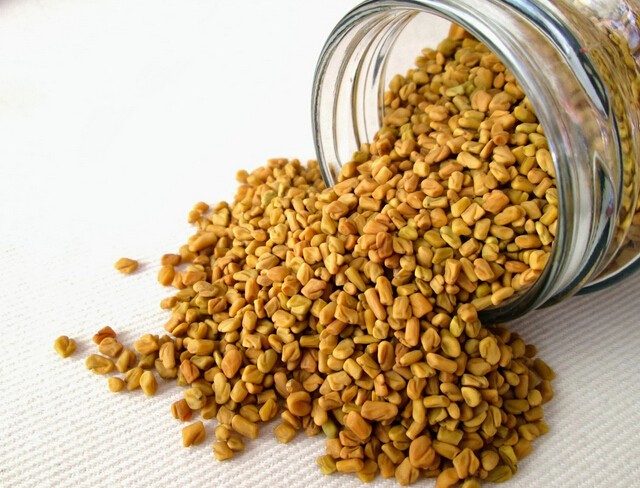
6. Fenugreek Seeds: The Ayurvedic Secret

Fenugreek seeds (methi) are a common ingredient in Indian cuisine and traditional Ayurvedic medicine, revered for their ability to promote hair growth and prevent hair loss. They are rich in protein and nicotinic acid, both of which are known to strengthen hair follicles and stimulate growth.

How it Works:

  • Protein & Nicotinic Acid: Strengthens hair and stimulates growth.
  • Lecithin: Deeply nourishes and conditions hair.
  • Hormone Regulation: Contains compounds that may help balance hormones contributing to hair loss.

How to Use It:

  1. Soak 1-2 tablespoons of fenugreek seeds in water overnight.
  2. In the morning, grind the softened seeds into a paste, adding a little water if needed.
  3. Apply the paste to your scalp and hair.
  4. Leave it on for 30-60 minutes.
  5. Rinse thoroughly with lukewarm water.
  6. Repeat once or twice a week.
What is Better Green or Black Tea Decaf

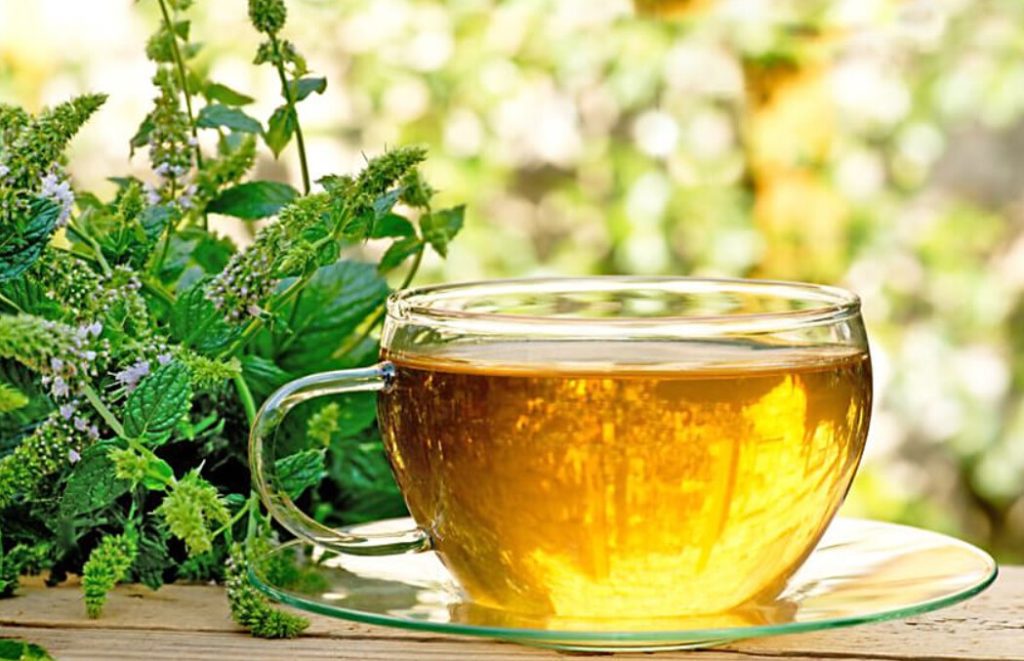
7. Green Tea: The Antioxidant Powerhouse

Green tea isn’t just a healthy beverage; it’s also incredibly beneficial for hair. It’s packed with antioxidants, particularly catechins, which are potent compounds that help reduce dihydrotestosterone (DHT), a hormone linked to hair loss. It also stimulates hair follicles and improves blood circulation.

How it Works:

  • Antioxidants (Catechins): Reduces DHT, prevents oxidative stress.
  • EGCG (Epigallocatechin gallate): Stimulates hair follicle activity.
  • Improved Circulation: Delivers nutrients to the scalp.

How to Use It:

  1. Brew 2 green tea bags in a cup of hot water.
  2. Let it cool completely.
  3. After shampooing, pour the cooled green tea over your scalp and hair.
  4. Gently massage for a few minutes.
  5. Leave it on for 10-20 minutes, then rinse with cool water.
  6. Use 2-3 times a week.

8. Apple Cider Vinegar: The Clarifying Rinse

Apple cider vinegar (ACV) acts as an excellent clarifying rinse for your hair and scalp. While it doesn’t directly stimulate growth, it creates an optimal environment by balancing the scalp’s pH, removing product buildup, and preventing fungal or bacterial growth that can hinder hair health. A clean, balanced scalp is crucial for robust hair growth.

How it Works:

  • pH Balance: Restores the scalp’s natural pH, closing hair cuticles.
  • Clarifying: Removes product buildup, dirt, and excess oil.
  • Antimicrobial: Helps fight scalp infections and dandruff.
  • Adds Shine: Smooths hair cuticles, making hair look shinier.

How to Use It:

  1. Mix 2 tablespoons of apple cider vinegar with 1 cup of water.
  2. After shampooing and conditioning, pour the diluted ACV rinse over your scalp and hair.
  3. Let it sit for a couple of minutes.
  4. Rinse thoroughly with cool water.
  5. Use once a week.

9. Curry Leaves: Ancient Wisdom for Stronger Strands

Often used in Indian cooking, curry leaves are more than just a flavorful herb. They are rich in amino acids, antioxidants, and beta-carotene, all essential for preventing hair loss and promoting stronger, healthier hair. They can also help strengthen hair follicles and revitalize dormant ones.

How it Works:

  • Amino Acids & Antioxidants: Strengthens hair, prevents premature graying.
  • Beta-Carotene: Reduces hair fall and promotes growth.
  • Nourishing: Improves overall hair health.

How to Use It:

  1. Heat 1/2 cup of coconut oil (or any carrier oil) with a handful of fresh curry leaves until the leaves turn dark and a black residue forms.
  2. Let the oil cool and strain out the leaves.
  3. Massage the oil into your scalp and hair.
  4. Leave it on for 30 minutes to an hour, or overnight.
  5. Shampoo and rinse.
  6. Use 1-2 times a week.

10. Amla (Indian Gooseberry): The Vitamin C Booster

Amla, or Indian Gooseberry, is a potent source of Vitamin C, a powerful antioxidant vital for collagen production. Collagen is crucial for healthy skin, including the scalp, and supports hair follicle structure. Amla also possesses anti-inflammatory and antibacterial properties, maintaining a healthy scalp.

How it Works:

  • Vitamin C Rich: Boosts collagen production for stronger hair follicles.
  • Antioxidant: Protects hair from damage and premature graying.
  • Anti-inflammatory & Antibacterial: Maintains a healthy scalp.

How to Use It:

  1. Mix 2 tablespoons of amla powder with enough water to form a paste.
  2. Add a tablespoon of lemon juice for extra benefits (optional).
  3. Apply the paste to your scalp and hair.
  4. Leave it on for 30 minutes.
  5. Rinse thoroughly with lukewarm water.
  6. Use 1-2 times a week.
Avocado Oil and Peppermint Oil for Hair Growth

11. Peppermint Essential Oil: The Tingly Stimulant

Like rosemary, peppermint essential oil is known for its ability to stimulate blood circulation to the scalp. The menthol in peppermint creates a tingling sensation that signals increased blood flow, which in turn delivers more oxygen and nutrients to the hair follicles, encouraging growth.

How it Works:

  • Menthol: Stimulates blood circulation and promotes hair growth.
  • Antimicrobial: Helps maintain a healthy scalp.
  • Refreshing: Leaves the scalp feeling revitalized.

How to Use It:

  1. Dilute 2-3 drops of peppermint essential oil with 1 tablespoon of a carrier oil (like jojoba or coconut oil).
  2. Massage the mixture into your scalp for a few minutes.
  3. Leave it on for 20-30 minutes.
  4. Shampoo and rinse.
  5. Use 2-3 times a week.

12. Eggs: The Protein Powerhouse

Hair is primarily made of protein (keratin), so it makes perfect sense that applying protein-rich ingredients like eggs can do wonders for your hair. Eggs are packed with protein, biotin, sulfur, and other essential nutrients that nourish hair follicles, promote growth, and repair damaged strands.

How it Works:

  • Protein & Biotin: Essential building blocks for hair, which strengthen follicles.
  • Sulfur: Aids in keratin production.
  • Fatty Acids: Adds moisture and shine.

How to Use It:

  1. Whisk 1-2 eggs (depending on hair length) with a tablespoon of olive oil or coconut oil.
  2. Apply the mixture to your scalp and hair.
  3. Cover with a shower cap and leave it on for 20-30 minutes.
  4. Rinse thoroughly with cool water (hot water can “cook” the egg).
  5. Shampoo as usual.
  6. Use once a week.

13. Mayonnaise: Unexpected Hydration and Shine

While it might sound unusual, mayonnaise, primarily made of eggs and oil, can be a fantastic deep conditioning treatment for hair. Its rich blend of proteins, oils, and vinegar nourishes hair, adds moisture, and strengthens strands, which can reduce breakage and support growth. Think of it as a ready-made egg and oil mask!

How it Works:

  • Proteins (from eggs): Strengthens hair, reduces breakage.
  • Oils (soybean/canola): Deeply moisturizes and adds shine.
  • Vinegar: Helps balance scalp pH and smooths hair cuticles.

How to Use It:

  1. Take about 1/2 to 1 cup of full-fat mayonnaise (adjust based on hair length).
  2. Apply it generously to damp hair, from root to tip.
  3. Cover your hair with a shower cap or a warm towel.
  4. Leave it on for 20-30 minutes.
  5. Rinse thoroughly with lukewarm water, then shampoo and condition as usual.
  6. Use once every 1-2 weeks.

14. Shikakai: The Natural Cleanser

Shikakai, meaning “fruit for hair,” is a traditional Ayurvedic herb widely used as a natural shampoo. It’s rich in saponins, which gently cleanse the hair and scalp without stripping natural oils. It also contains vitamins and antioxidants that promote hair growth, strengthen roots, and prevent hair fall.

How it Works:

  • Saponins: Gentle natural cleanser that doesn’t strip natural oils.
  • Vitamins & Antioxidants: Nourishes hair and scalp, strengthens roots.
  • pH Balancing: Helps maintain scalp health.

How to Use It:

  1. Mix 2 tablespoons of shikakai powder with enough water to form a smooth paste.
  2. Apply the paste to your wet scalp and hair, massaging gently.
  3. Leave it on for 5-10 minutes.
  4. Rinse thoroughly.
  5. You can use it as a standalone shampoo or follow with a natural conditioner.
  6. Use 1-2 times a week.

15. Brahmi Powder: Ayurvedic Brain Food for Hair

Brahmi, another revered Ayurvedic herb, is known not only for its cognitive benefits but also for its profound impact on hair health. It nourishes the hair roots, reduces hair fall, and encourages new growth by providing essential nutrients to the scalp. It’s often used to strengthen hair, make it thicker, and prevent split ends.

How it Works:

  • Nourishing: Provides nutrients to hair follicles, strengthens roots.
  • Reduces Hair Fall: Prevents breakage and strengthens strands.
  • Thickening: Contributes to fuller, denser hair.

How to Use It:

  1. Mix 2 tablespoons of brahmi powder with enough water or coconut oil to create a paste.
  2. Apply the paste to your scalp and hair.
  3. Leave it on for 30-60 minutes.
  4. Rinse thoroughly with lukewarm water.
  5. Use 1-2 times a week.

Pro Tip: Combine brahmi with amla powder for a supercharged hair mask.

16. Regular Scalp Massage: The Simplest of Remedies for Hair Growth

Sometimes the simplest remedies are the most effective. A regular scalp massage, performed with or without oil, is a powerful tool for stimulating hair growth. It increases blood circulation to the scalp, which brings more oxygen and nutrients to the hair follicles. This gentle action can also help relieve stress, a known contributor to hair loss.

How it Works:

  • Increased Blood Flow: Delivers more nutrients and oxygen to follicles.
  • Stress Reduction: Lowers cortisol levels, which can impact hair health.
  • Stimulates Follicles: Awakens dormant hair follicles.
  • Distributes Natural Oils: Helps condition hair and scalp.

How to Do It:

  1. Using your fingertips (not nails), apply gentle to moderate pressure to your scalp.
  2. Move your fingers in small, circular motions, covering your entire scalp.
  3. You can do this on dry hair or with a few drops of your favorite carrier oil (like jojoba, almond, or coconut oil) or essential oils (diluted, of course!).
  4. Massage for 5-10 minutes daily.

Important Considerations When Using Natural Hair Growth Remedies

1. Patch Testing is Non-Negotiable

Before applying any new ingredient to your entire scalp, always perform a patch test on a small, inconspicuous area of your skin (like behind the ear or on your inner forearm). Wait 24-48 hours to check for any redness, itching, burning, or other adverse reactions.

2. Consistency is Crucial

Natural remedies work by gently nourishing and stimulating your scalp over time. Unlike pharmaceutical treatments, they rarely offer overnight results. Expect to use these remedies consistently for several weeks to months before noticing significant improvement in growth and hair health. Patience and persistence are your best allies.

3. Individual Results Vary

Everyone’s body is different, and what works wonders for one person may not be as effective for another. Hair loss can stem from various causes, and natural remedies for hair growth might be more effective for some types of hair loss than others. Don’t get discouraged if the first remedy you try isn’t a miracle cure; experiment safely and find what suits your hair and scalp best.

4. Underlying Health Conditions

If you’re experiencing severe or sudden hair loss, or if your hair loss is accompanied by other symptoms, it’s vital to consult a dermatologist or healthcare professional. Hair loss can sometimes be a symptom of an underlying medical condition, such as thyroid issues, autoimmune diseases, or significant nutrient deficiencies, which require professional diagnosis and treatment.

5. Quality of Ingredients

For the best results, use high-quality, organic ingredients whenever possible. Fresh aloe vera from the plant is often more potent than store-bought gels with additives. Opt for cold-pressed, virgin oils and pure essential oils from reputable sources.

When to Seek Professional Help?

While these natural remedies can significantly improve hair growth, some conditions require medical intervention. Consider consulting a healthcare provider if:

  • You’re experiencing sudden or patchy hair loss
  • Hair loss is accompanied by scalp pain, itching, or redness
  • You notice other symptoms like fatigue, weight changes, or mood disturbances
  • You’re losing eyebrow or body hair as well
  • Home remedies show no improvement after 3-4 months of consistent use

A dermatologist or trichologist can help identify underlying conditions like alopecia, thyroid disorders, or nutritional deficiencies that may be affecting your hair.

FAQs

1. Can home remedies really promote hair growth?

Yes, home remedies can be highly effective in promoting hair growth. They nourish the scalp, strengthen the hair follicles, and provide essential nutrients that encourage healthy hair growth.

2. Are these home remedies suitable for all hair types?

Absolutely! These home remedies are suitable for all hair types. Whether you have dry, oily, or normal hair, these remedies can help improve the overall health of your hair and promote growth.

3. How long does it take to see results with these remedies?

Results may vary from person to person, but you can expect noticeable results within a few weeks to a couple of months with consistent use. Remember, patience is key when it comes to hair growth.

4. Can I combine multiple home remedies together?

Certainly! Feel free to experiment and combine different home remedies to create a personalized hair care routine. However, it’s essential to perform a patch test before trying new ingredients to avoid potential allergies or reactions.

5. Are these remedies safe to use?

Yes, these remedies are generally safe to use. However, if you have any underlying medical conditions or allergies, it’s always a good idea to consult a healthcare professional before trying new hair care treatments.

Author

  • Lila Marquez

    Nutrition & Recipe Specialist

    Lila specializes in herbal recipes, superfoods, and nourishing drinks. With years of experience creating delicious wellness recipes, she helps make healthy eating simple and enjoyable.

    "Wellness through delicious, everyday ingredients."

    View all posts