
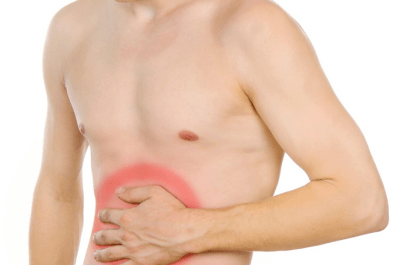
Do you often feel there are excessive gas and bloat inside the stomach? Gas and Bloating is a very common problems among many people. It is uncomfortable and embarrassing. This pain is often cramp-like, sharp, achy, or dull. Sometimes it causes the area to appear larger than usual. The gas pain may be mistaken for chest pain, gallstones, appendicitis, and another stomach upset.
Abdominal bloating or gas typically occurs when good bacteria ferment the undigested food in the large intestine. Fermentation produces gas, often leading to burping, belching, flatulence, and pain. The gas will disperse naturally after some time.
However, if you can not expel the gas in the intestines, you may feel the abdominals tight, hard to touch, and even pain. Abdominal pain caused by gas typically originates between the chest and the pelvis.This article will discuss the 16 natural remedies to get rid of gas and bloating fast.

Common Causes of Gas and Bloating
Gas and bloating are common digestive issues caused by various factors. Some of the most common causes include:
- Overeating: Eating large meals or eating too quickly can cause you to swallow air, which can lead to gas and bloating.
- Eating gas-producing foods: Some foods are known to produce more gas than others, such as beans, broccoli, cabbage, and onions. If you eat these foods frequently, you may be more prone to gas and bloating.
- Food intolerances: Some people cannot digest certain types of food, such as lactose or gluten. This can lead to gas, bloating, and other digestive issues.
- Constipation: When stool builds up in the colon, it can cause bloating and discomfort. Constipation can be caused by a variety of factors, including a lack of fiber in the diet or certain medications.
- Swallowing air: Besides overeating, other habits such as chewing gum, smoking, or drinking through a straw can cause you to swallow air, leading to gas and bloating.
- Digestive disorders: Certain digestive disorders, such as irritable bowel syndrome (IBS), inflammatory bowel disease (IBD), or gastroesophageal reflux disease (GERD), can cause gas and bloating.
- Stress: Stress can affect your digestive system and lead to symptoms such as gas, bloating, and abdominal pain.
- Hormonal changes: Women may experience bloating and gas during their menstrual cycle due to hormonal changes.
16 Best Ways to Get Rid of Gas and Bloating Fast
It is not difficult to get rid of gas and bloating, though it seems very difficult! Here is the list of 16 valuable ways to get rid of gas and bloating!
1. Peppermint Tea
Peppermint tea is a natural remedy that may help alleviate symptoms of gas and bloating. It contains antispasmodic compounds, which can help relax the muscles in the digestive system and reduce bloating.
To use peppermint tea for gas and bloating, you can follow these simple steps:
- Boil 2 cups of water in a saucepan.
- Add 1-2 teaspoons of dried peppermint leaves to the boiling water.
- Reduce the heat and let the peppermint steep in the water for 5-10 minutes.
- Strain the tea and pour it into a mug.
- Add honey or lemon juice for added flavor.
Drink peppermint tea after a meal to help alleviate gas and bloating. You can also drink it throughout the day as needed.
2. Ginger Tea
Ginger tea is another natural remedy that can help alleviate gas and bloating. It contains compounds with anti-inflammatory and digestive properties, which can help reduce inflammation and improve digestion.
To use ginger tea for gas and bloating, you can follow these simple steps:
- Cut fresh ginger root into thin slices or grate it.
- Boil 2 cups of water in a saucepan.
- Add the ginger slices or grated ginger to the boiling water.
- Reduce the heat and let the ginger steep in the water for 10-15 minutes.
- Strain the tea and pour it into a mug.
- Add honey or lemon juice for added flavor.
Drink ginger tea after a meal to help alleviate gas and bloating. You can also drink it throughout the day as needed.
3. Fennel seeds
Fennel seeds are a natural remedy to alleviate gas and bloating. The seeds contain anti-inflammatory and carminative compounds, which means they can help reduce inflammation and promote the expulsion of gas from the digestive system.
To use fennel seeds for gas and bloating, you can try one or more of the following methods:
- Chew on fennel seeds: Simply chew on a teaspoon after a meal to help prevent gas and bloating.
- Fennel tea: You can make fennel tea by steeping a teaspoon of fennel seeds in a cup of boiling water for 10-15 minutes. Drink the tea after a meal to help alleviate gas and bloating.
- Fennel essential oil: You can use critical fennel oil by diluting a few drops in carrier oil and applying it to the abdomen. This can help reduce inflammation and promote the expulsion of gas.
4. Chamomile tea

Chamomile tea is a natural remedy that may help alleviate gas and bloating. Chamomile contains compounds that have anti-inflammatory and antispasmodic properties, which can help relax the muscles in the digestive system and reduce inflammation.
To use chamomile tea for gas and bloating, you can follow these simple steps:
- Boil 2 cups of water in a saucepan.
- Add 2-3 teaspoons of dried chamomile flowers to the boiling water.
- Reduce the heat and let the chamomile steep in the water for 5-10 minutes.
- Strain the tea and pour it into a mug.
- Add honey or lemon juice for added flavor.
Drink chamomile tea after a meal to help alleviate gas and bloating. You can also drink it throughout the day as needed.
5. Pineapple
Pineapple is a fruit that contains an enzyme called bromelain, which has anti-inflammatory properties and may help alleviate gas and bloating. Bromelain can also help improve digestion by breaking down proteins in the digestive system.
To use pineapple for gas and bloating, you can follow these simple steps:
- Cut a fresh pineapple into small pieces.
- Eat the pineapple as a snack or add it to a meal.
Alternatively, you can drink pineapple juice to help alleviate gas and bloating. It is important to note that drinking too much pineapple juice may have a laxative effect and cause diarrhea.
6. Lemon water
Lemon water is a natural remedy that may help alleviate gas and bloating. It contains citric acid, which can help stimulate the production of digestive juices and enzymes that can aid digestion and reduce bloating.
To use lemon water for gas and bloating, you can follow these simple steps:
- Squeeze half a lemon into a glass of water.
- Drink lemon water before or after a meal.
It is important to note that drinking too much lemon water may cause acid reflux. Limiting the consumption of lemon water to one or two glasses a day is recommended.
7. Cinnamon
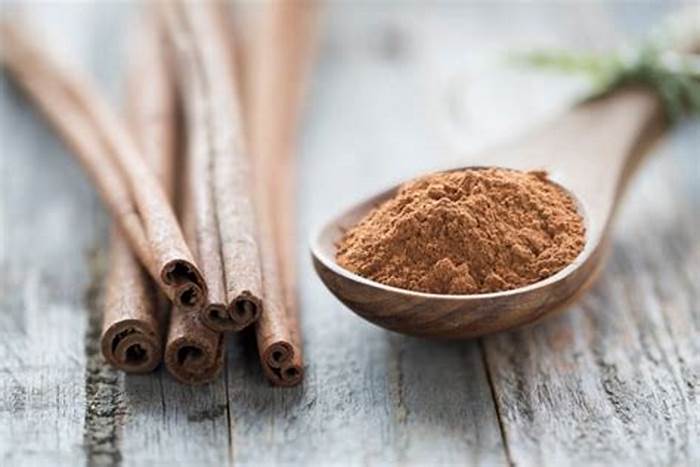
Cinnamon has been shown to have properties that may help alleviate gas and bloating. It has anti-inflammatory properties that can reduce inflammation in the digestive system, and it can also increase the production of digestive enzymes to aid in the breakdown of food.
To use cinnamon for gas and bloating, you can try the following:
- Add a teaspoon of ground cinnamon to a cup of warm water or tea.
- Mix well and drink after meals to help with digestion and reduce gas and bloating.
- You can also sprinkle cinnamon on oatmeal or yogurt as a flavorful and beneficial addition to your breakfast.
While cinnamon can help reduce gas and bloating, it’s important to note that it may not be effective for everyone. If you have chronic or severe gas and bloating, it’s essential to speak with a healthcare professional to rule out any underlying medical conditions.
8. Apple cider vinegar
Apple cider vinegar is a natural remedy that may help alleviate gas and bloating. It contains acetic acid, which can help improve digestion and neutralize stomach acid.
To use apple cider vinegar for gas and bloating, you can try the following:
- Mix one to two tablespoons of raw, unfiltered apple cider vinegar into a glass of warm water.
- Drink the mixture before meals or when you experience gas and bloating.
- You can also mix the vinegar with honey or lemon juice for added flavor.
9. Anise tea
Anise tea is a natural remedy that may help alleviate gas and bloating. It contains compounds that can help relax the muscles in the digestive system, reducing gas production and bloating.
To use anise tea for gas and bloating, you can try the following:
- Boil 1-2 cups of water in a saucepan.
- Add 1-2 teaspoons of anise seeds to the boiling water.
- Reduce the heat and let the anise seeds steep in the water for 5-10 minutes.
- Strain the tea and pour it into a mug.
- Add honey or lemon juice for added flavor.
You can drink anise tea after meals or throughout the day to help alleviate gas and bloating.
10. Papaya
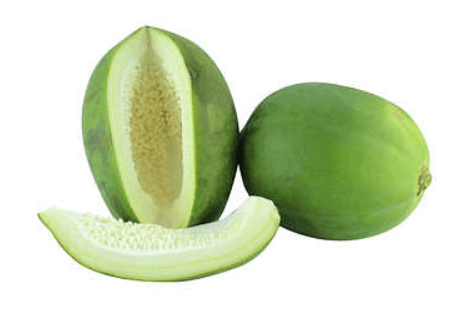
Papaya is a tropical fruit that may have digestive benefits. It contains enzymes such as papain and chymopapain, which can aid in the digestion of proteins.
To use papaya for digestive health, you can try the following:
- Eat ripe papaya as a snack or after meals to aid in digestion.
- You can also make a papaya smoothie by blending ripe papaya with other fruits, such as bananas and strawberries.
- If fresh papaya is unavailable, you can also try papaya enzyme supplements in tablet or chewable form.
11. Heat therapy
Heat therapy is a type of therapy that involves the application of heat to the body to relieve pain and promote healing. It can be used for various conditions, including muscle pain, joint pain, and menstrual cramps.
To use heat therapy, you can try the following:
- Use a hot water bottle or heating pad to apply heat to the affected area.
- Soak in a warm bath or use a hot towel on the affected area.
- Use a heat wrap or patch that can be applied directly to the skin.
It’s important to note that heat therapy should be used with caution and not applied for extended periods, as it can lead to burns or damage to the skin.
12. Massaging the abdomen
Massaging the abdomen is a technique that can help relieve gas and bloating by promoting the movement of gas and stool through the digestive system. It can also help relax the muscles in the abdomen and reduce discomfort.
To perform an abdominal massage, you can try the following:
- Lie down on your back with your knees bent and feet flat on the floor.
- Place your hands on your abdomen, with your fingers pointing towards your belly button.
- Use a circular motion with your fingertips to massage your abdomen clockwise.
- Apply gentle pressure and continue massaging for a few minutes.
You can also try different variations of the massage, such as using a rolling motion or applying pressure to specific points on the abdomen.
13. Charcoal supplements
Charcoal supplements are a type of dietary supplement made from activated charcoal. They often help alleviate gas and bloating by absorbing excess gas in the digestive system.
To use charcoal supplements for gas and bloating, you can try the following:
- Take charcoal supplements as the manufacturer directs, usually with a glass of water.
- It’s essential to drink plenty of water when taking charcoal supplements to prevent dehydration.
- Charcoal supplements should be taken on an empty stomach, between meals, or before bed.
14. Probiotics
Probiotics are living microorganisms that can provide health benefits when consumed adequately. They are often called “good” bacteria because they help maintain a healthy balance of microorganisms in the digestive system.
To use probiotics for digestive health, you can try the following:
- Consume foods naturally rich in probiotics, such as yogurt, kefir, sauerkraut, and kimchi.
- Take probiotic supplements in capsule, tablet, or powder form. It’s essential to choose a probiotic supplement that contains a variety of strains of bacteria and is effective in clinical studies.
- Be consistent with your probiotic regimen, as it can take several weeks for changes in the digestive system to occur.
15. Beano
Beano is a dietary supplement containing the alpha-galactosidase enzyme, which helps break down complex carbohydrates in foods that can cause gas and bloating. It is often used to help alleviate symptoms of digestive discomfort caused by eating certain types of foods, such as beans, vegetables, and grains.
To use Beano for digestive discomfort, you can try the following:
- According to the manufacturer’s instructions, take Beano before meals high in complex carbohydrates.
- Beano is available in several forms, including tablets and drops, and can be found in most drugstores and supermarkets.
- It’s important to note that Beano may not be effective for everyone and may not eliminate all symptoms of gas and bloating.
16. Exercise

Exercise can have several benefits for digestive health, including reducing symptoms of gas and bloating. Physical activity can help stimulate the digestive system muscles, promoting regularity and preventing constipation.
To use exercise for digestive health, you can try the following:
- Incorporate moderate-intensity exercises, such as brisk walking, cycling, or swimming, into your daily routine.
- Aim for at least 30 minutes of physical activity most days of the week.
- Be mindful of your posture during exercise, as slouching or hunching can compress the digestive organs and contribute to digestive discomfort.
How to Prevent Gas and Bloating?
Gas and bloating can be uncomfortable and disruptive to daily life. To prevent these symptoms, you can try the following:
- Identify and avoid trigger foods: Certain foods, such as beans, cruciferous vegetables, and dairy products, can cause gas and bloating in some people. Keep a food diary to identify which foods may be causing your symptoms and try to avoid or limit them.
- Eat slowly and chew food thoroughly: Eating too quickly can cause you to swallow air, leading to gas and bloating. Taking your time to eat and thoroughly chewing your food can help prevent this.
- Drink plenty of water: Staying hydrated can help prevent constipation and promote regularity, reducing the risk of gas and bloating.
- Exercise regularly: As mentioned before, exercise can help promote regularity and stimulate the muscles in the digestive system.
- Manage stress: Stress can disrupt the digestive system and contribute to symptoms of gas and bloating. Try stress-reducing activities such as meditation, yoga, or deep breathing exercises.
- Avoid carbonated beverages and gum: Carbonated beverages and chewing gum can cause you to swallow air, leading to gas and bloating.





These are great! One side effect of eating healthy is that I get horrible gas. I LOVE ginger tea and drink it everyday. I am going to give the peppermint tea a try. I have taken it for an upset stomach before, but never gas.
This information is interesting. i love all of your hints… thanks for sharing…
This is the first time I read your script.I like it and going to try peppermint tea…I have gas pain all the time.will keep in touch..thank you.
it iis so usefull
Thanks!
Thanks for the tips
This is very helpful thansk
The lemon water helped me so much I woke up in so much pain and I walked around taking sips of the warm lemon water and immediately was able to release my gas!
I have gas from the. Use of crystal methamphetamine.. Over the years 3 but I quit but I still have like a irritable bowel syndrome syndrome bloating… Is there anything I can do for it.
You’d better choose a good hospital for a comprehensive examination.
Ginger tea definitely works as I tried it when I hade a n acute pain and bloating in my tummy. try it when you have upset tummy or running tummy
Hi! Due to intake of lemon juice with warm water in morning I had Acidity and gastric problem. So I quit the intake of lemon juice for now but the gastric problem still persist. More over it is much horrific at early morning. I do gym in morning, take buttermilk after lunch and also tried medicine. But looking for a prominent solution.
You’d better choose a good hospital for a comprehensive examination.
the lemon warm watrrr helped a lot ………………….thx a lot for ur valuable tips
Gonna try the lemon water. I also have a cpap machine
Hi.. i woke up with this horrible painful bloated feeling and a really sore tummy. It almost feels like there is something in my gut trying to rip its way out.. i am suffering from bad cramping and Its hard for me to move about without hurting. Please can u tell me how i can make this pain go away
You’d better choose a good hospital for a comprehensive examination.
I have been suffering from Gas and Bloating fir the last two weeks …. I tried lemon with warm water and it is manic… I want also to try the baking soda and let us see. The lemon with warm water helped more than the ginger. Thank you very much???
I constantly spent my half an hour to read this blog’s articles or reviews daily along with a cup of coffee.
get relief from it very easily
thanks for it
Hi,
Thanks for providing all the suggestions here.
Can I also ask something related to the above problems through any platform, if possible please. I one of this who feels the impact of gastric directly in the forehead and not anywhere. It feels like huge bombardments are going on and that compels me to vomit out almost everything. And that further fuels the headache.
My questions are as below:
1. I have a same stomach which feels problematic in digesting fibres. So what should I normally eat during breakfast. (I belong to North India so suggestions pertaining to this area will be very much helpful please)
2. Is there any method to get relieve from gas, post entering into head to get rid asap. Anything which can relieve in 30 minutes to 1 hour. Because, generally when it happens with me, it takes 7-8 hours to become normal
My suggestion to you is to eat a mixture of foods, and to graze rather than eating large meals, if possible. Eat fruits and vegetables, but not huge amounts of high fiber fruits and vegetables at once. Some foods that may be somewhat easier to digest are: baked potatoes , avocado , sweet potato, lentils and beans, bread, sugary candies, jelly, pears, tomatoes, oranges, pomegranate.
I have trapped gas it’s hard to burp or pass gas it just sits there. Very uncomfortable. Any suggestions will help but will try the mints. And I remember grandma told me about the garlic.
Hows about products like Activia which claims the have probiotics which are good for healthy digestive. I did a lots of reserch and was unable to find any reliable response.
Thanks for sharing this info. I am going to try a few from the above list.
Thanks for sharing this I have had gas problems all my life yes I had tried baking soda and water that’s great the gas makes me a little gittery so I take some name brand tums to help a little to release some gas but what can I eat that don’t cause a lot of gas I can belch all day and some at night it gets tired some plus I get the heartburn then I get sick is there anything for sickness
There are so many negative reviews so you should be careful.
Thanks for posting this…I have gas problem and the bloating is too much that my stomach swells. It feels so uncomfortable for me to work even drive. I will try all these. Whichever works, because am desperate. Thanks once again.
nice articles
very good written
thanks for it
do some aerobic exercises