
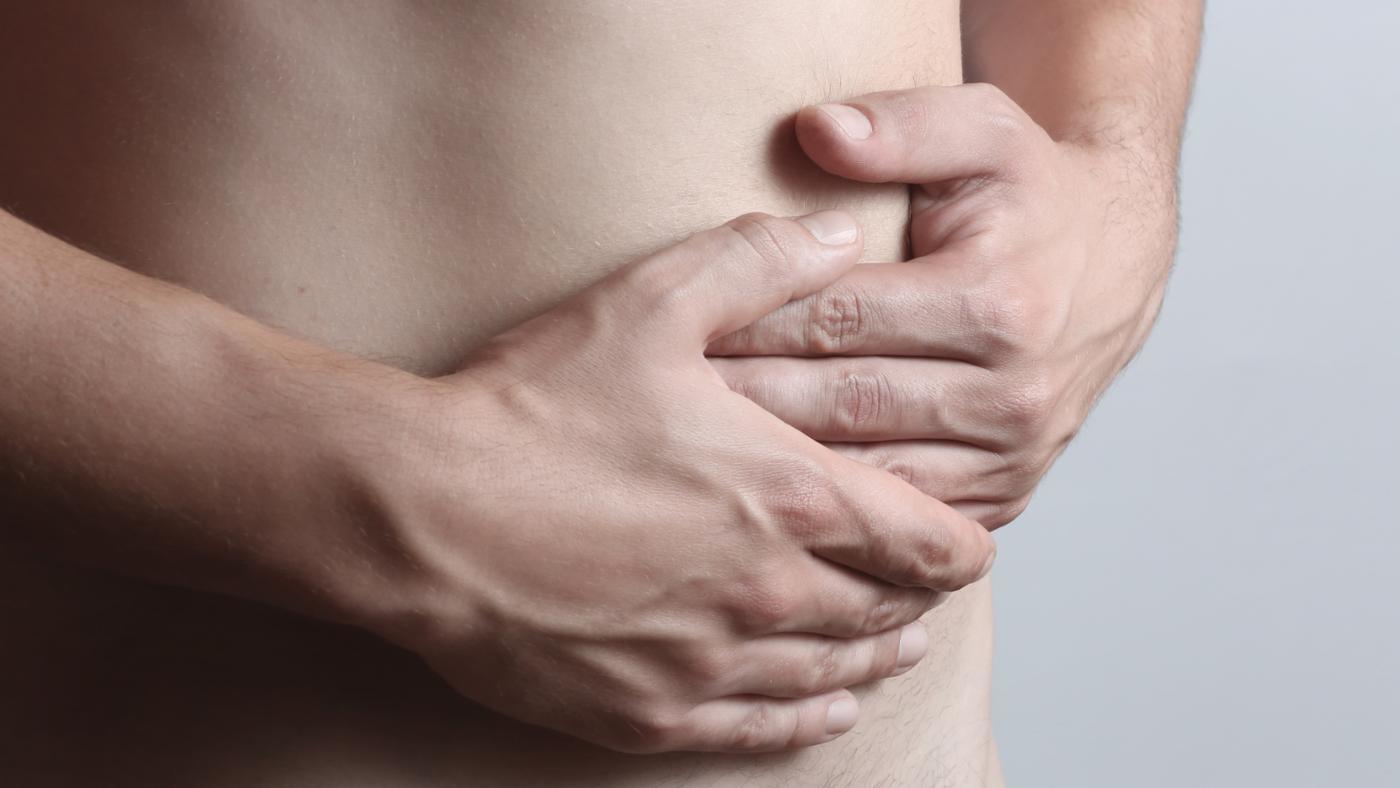
Are you feeling a sharp or dull pain under your left rib cage? Many people wonder this is a heart-related pain. However, researchers have shown that 85% of hospital admissions for chest pain are NOT related to a heart attack.
In most instances, chest pain could sign angina or other issues such as injury, kidney disease, gas, enlarged spleen, heartburn, or digestive problems. It will be essential to know the various causes and possible treatments. This will help you get rid of the left rib cage pain in the best possible time.
13 Common Causes of Pain under Left Rib Cage
What organs are on the left side of the rib? The organs that may cause pain in that region are the heart, left lung, stomach, adrenal gland, left kidney, left ureter, spleen, pancreas, left fallopian tube, and left ovary. Here are some of the possible causes of why you are experiencing pain in your left rib cage.
Rib Injury
The rib injury is probably one of the most common reasons you are experiencing pain in your ribs. Accidents or severe impacts can cause cracked or fractured ribs. However, many people do not know if their ribs are broken.
You may feel mild or severe pain, which wraps around the ribs and causes rib pain in your back. Especially when you take a deep breath, the pain will increase. This severe injury requires immediate treatment; otherwise, it may affect other organs, such as the left kidney or spleen.
When you suffer from a rib injury, you need an X-ray check to determine the damage state. If there is a slight rupture of the ribs and the cracks are small, you can use painkillers to relieve the pain, such as non-steroidal anti-inflammatory drugs (NSAIDs).
The crack usually heals on its own between 1-2 months. At this time, you need to take plenty of rest and avoid exercise; otherwise, it will aggravate your condition. If you have a severe rib fracture, you may need surgery.
Costochondritis
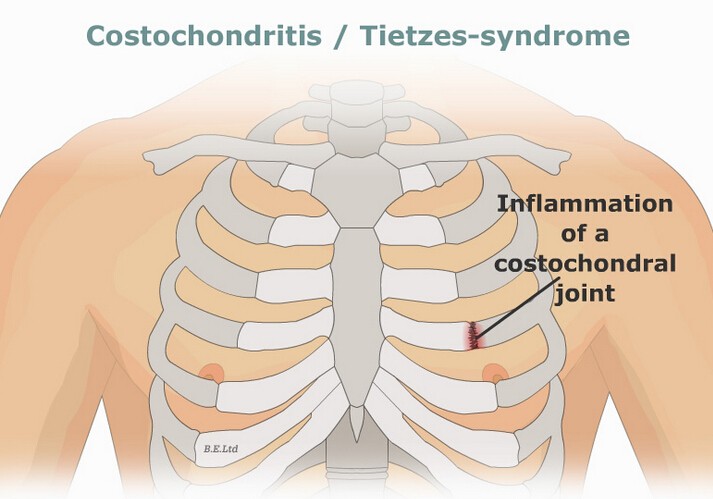
Costochondritis is the inflammation of the cartilage that connects the ribs to the sternum. The symptoms of costochondritis are often similar to that of a heart attack.
However, the main symptom of costochondritis is severe pain under the left rib cage. Coughing or deep breathing can aggravate the pain in the ribs, which may radiate to the left-back or abdomen.
Costochondritis is usually caused by complications of your upper chest due to surgery or viral respiratory infections. To prevent the pain from getting worse, you should have enough rest and avoid exercising until the pain is relieved.
You can relieve the pain by applying heat to the painful area of the ribs. Alternatively, you can use ginger and turmeric to make anti-inflammatory ginger tea to speed up the treatment process. These tea have anti-inflammatory and anti-viral properties that can help reduce inflammation and relieve joint pain.
You can also take medication to relieve costochondritis, such as ibuprofen, aspirin, hydrocodone, or amitriptyline.
Heartburn or Acid Reflux
Acid reflux or heartburn is another common cause of pain under the left rib cage. If you have overeaten acidic food or drinks, you may feel a bloated feeling or a sharp burning sensation in your upper chest, which feels like a heart attack. According to the Mayo Clinic, heartburn may also be a symptom of a heart attack.
You can treat heartburn with medications such as Dexlansoprazole, Esomeprazole, or Lansoprazole. You should also give yourself plenty of rest and avoid food that causes acid reflux.
Kidney Stones
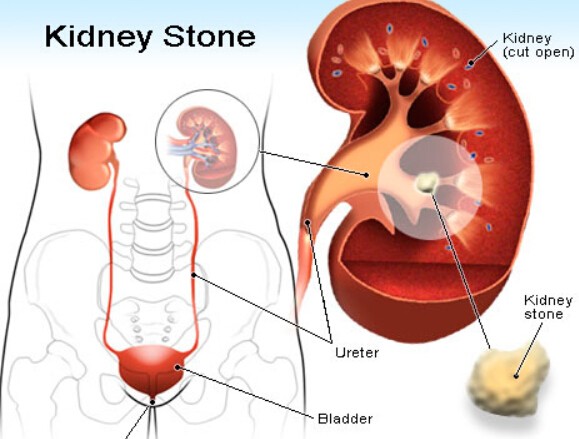
Kidney stones can cause extreme, intense sharp pain under the left rib cage when the stones move down through your urinary tract. The leading cause of kidney stones is the accumulation of minerals and salts in the kidneys.
The pain of kidney stones may appear on your back upper abdomen and spread to your groin or the lower part of your abdomen. It may also affect the right rib cage if the problem is with your right kidneys. The pain can start from your back going to the front.
Your urine may have a foul smell and cloudy color. You may also have painful urination or even stop urination. You should see a doctor immediately; they can help remove the stones in your kidneys.
IBS and IBD
Irritable bowel syndrome (IBS) and irritable bowel disease (IBD) are common causes of pain under the left rib cage.
Irritable bowel syndrome (IBS) can cause excess gas, leading to severe or dull abdominal pain. The type of pain experienced when a person is suffering from IBS may be very severe at times, but the pain would be dull most of the time.
The common causes of IBS are overeating or lack of fiber-rich foods. IBS can also cause constipation, diarrhea, bloat, or cramps in the intestine by disrupting normal bowel movements.
Inflammatory bowel disease (IBD) can cause inflammation in the digestive tract, making you feel pain in your upper abdomen. The pain is often accompanied by excess gas.
Both a bad diet and a stressful lifestyle can cause IBS or IBD. They are difficult to be fully treated. However, there are some natural home remedies to improve the symptoms. You can eat a high-fiber diet and drink aloe vera juice or peppermint to treat this syndrome.
Heart Attack
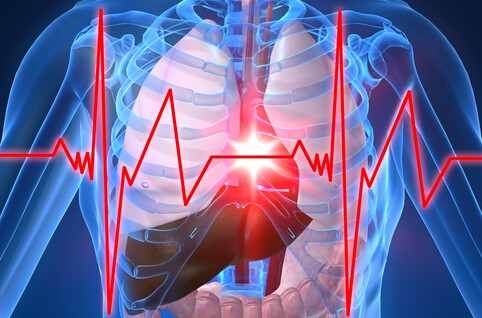
A heart attack may be the most problematic and life-threatening cause of pain under the ribs. Heart attack appears when oxygen-rich blood doesn’t get to your heart. This may be caused by blocked coronary arteries.
You may feel severe chest discomfort, like something squeezing your chest. Other symptoms include burning to feel in the chest, short breath, vomiting, dizziness, cold sweats, nausea, or strange uncomfortable sensations in your jaw, back arms, or neck. If you are suffering from this condition, you should seek medical attention at the soonest possible time.
Maintaining a healthy lifestyle is also essential to reduce your risk of suffering from a heart attack. You’d better avoid smoking too much alcohol consumption and smoking. Eating healthy food and getting physically active are also very useful for your heart health.
Angina
Like a heart attack, angina is a chest pain that you will get when your heart does not get enough blood. This condition is common in overweight, high blood pressure, high cholesterol, or poor blood circulation.
Chest pain from angina can often be mistaken for heartburn or heart attack. You may feel a sudden pain in your chest even when you are resting. This is because your arteries are narrowed or blocked.
People often ignore the seriousness of angina. It can convert into a life-threatening heart-related disease. People who are about to get a heart attack may suffer from this condition before getting an attack.
Do not ignore angina; you can change your lifestyle to relieve the symptoms. Things you can do include: lowering your cholesterol, maintaining good blood pressure, maintaining a healthy diet, and reducing stress.
Pericarditis
Our heart is protected by pericardium. If the pericardium is inflamed, you may feel severe stinging pain in the chest or left ribs, especially coughing. In addition, you may also have other symptoms such as fever, palpitations, weakness, or a swollen belly.
The exact cause of pericarditis has not been established, but some studies show it may be associated with rheumatoid arthritis, viral infections, or heart trauma. You can take painkillers and have a lot of rest to ease the pain. In most cases, the condition will go away on its own.
Lung Disease
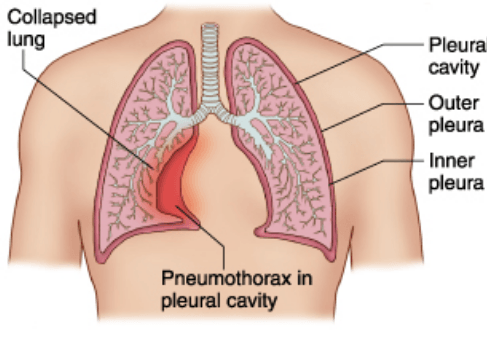
Lung disease is a common cause of pain under the left rib cage. It usually makes it harder to breathe. At the same time, you may also suffer from a chronic cough. There are different types of lung diseases that people may suffer from.
Pneumonia
Pneumonia can make people feel very sick. Most people with this condition are unable to breathe normally. Pneumonia will usually get cured in about 2 – 3 weeks, but some people may not get cured of this condition immediately. The elderly may exhibit different symptoms and need more attention.
Pleurisy
This is the condition where fluid forms between the lungs and the chest cavity. This condition will not occur unless the person suffers from an underlying condition. People who are suffering from this condition may have difficulty in breathing.
Lung Collapse
This is a condition also known as pneumothorax. The air goes to space between the chest wall and the lungs. People with this will normally have difficulty in breathing. Some people experience this because of various conditions, while some get this for no reason.
Constipation and Indigestion
Constipation is a common cause of pain around the rib cage. This is a condition wherein hard stools form in the colon, making the stools hard to come out from the body. You may feel pain in the abdomen or difficulty breathing. Indigestion can also cause irritating pain in the left part of your abdomen, especially when you have a fatty meal.
Gas stuck in the colon can also cause pain under the rib cage. Usually, you may feel the pain reverberating from the upper portion of the left side of your abdomen towards the left side of your rib cage.
Constipation, indigestion, or gas stuck in your colon is not severe. You can change your lifestyle to get rid of the pain. Eat more high-fiber food and avoid food that causes constipation and indigestion. You can also try some home remedies to get rid of constipation, indigestion, and gas.
Stomach Ulcer or Gastritis
Stomach ulcers or gastritis can also cause pain under the left rib cage. Bacterial infection can cause gastritis and inflate the stomach and swell up. The stomach ulcer or gastritis pain is extremely sharp and radiates to your shoulder blades and rib cages.
You can take some stomach drugs and antacids to remove the stomach ulcer. It is also essential to maintain a healthy diet and adequate rest.
Pancreatitis
Pancreatitis is a common cause of pain in the upper part of the left abdomen. The pancreas, located below the left rib, can produce enzymes that aid digestion. Overuse of alcohol and gallstones are the leading causes of pancreas inflammation.
If the pancreas is inflamed, you may feel some pain in your chest. If you eat high-fat foods or lie on your back, the pain may worsen and radiate to the left shoulder blade or back. You may also feel abdominal swelling.
Pancreatitis is very dangerous, and you must go to the hospital as soon as possible. To prevent pancreatitis recurrence, you should avoid smoking alcohol, drink plenty of water, eat low-fat food, and exercise regularly.
Enlarged Spleen
The enlarged spleen is a common cause of pain under the left rib cage. The spleen is the organ situated in the upper portion of your abdomen.
It produces white blood cells that eliminate the bacteria, other foreign matter, and dead tissue from the body. At the same time, the spleen makes sure that the blood is filtered properly.
The spleen is about the size of your fist, the same as your heart, but when it becomes inflamed, it may become so big that it can be easily felt.
Some of the reasons for having an enlarged spleen are infections, cancer, trauma, or inflammatory diseases such as lupus, arthritis, and other conditions that cause inflammation.
Some common symptoms include the following:
- Having trouble eating a large meal.
- Feeling uncomfortable whenever you overeat.
- Having pain that may start on the left side of your body and radiate to your left shoulder.
- Weight Loss
- Fatigue
- Hemophilia-like symptoms
- Anemia
- Jaundice
- Prone to getting infections
When you have an enlarged spleen, do not do any physical activities that might cause your spleen to rupture. Remember that once your spleen ruptures, you may encounter blood loss. It will help if you get treatments for your enlarged spleen. You should seek medical help as soon as possible.
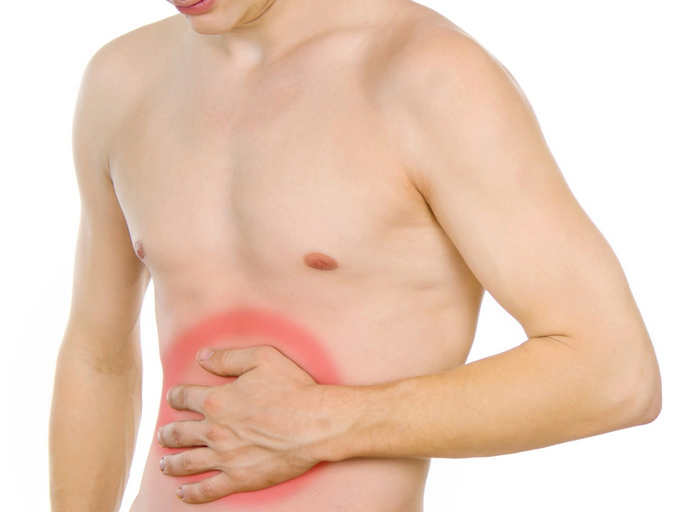
Types of Pain Under Left Rib Cage You May Experience
- Pain under the left rib when breathing – This pain is related to the lungs. Many lung diseases may eventually lead to the collapse of the lungs. When this happens, people may not be able to breathe normally.
- There is a sudden sharp stabbing pain in the left side under the rib cage – This pain can result from an injury or a broken rib cage. At this time, some sharp and sudden pains may come from having problems with the spleen.
- Pain under left rib after eating – This pain is an indication that your body is having problems digesting the food you have just eaten. You should always eat slowly.
- Dull pain under the left rib cage – A stomach ulcer usually causes this pain. A stomach ulcer can be very painful, generally occurring after eating. The dull pain may also be caused by having gas in the colon.
- Sharp temporary cramping under left rib cage – The main reason is the stomach gas. Take note of the food you eat before experiencing this excessive stomach gas. The food that you eat will sometimes affect your digestion process.
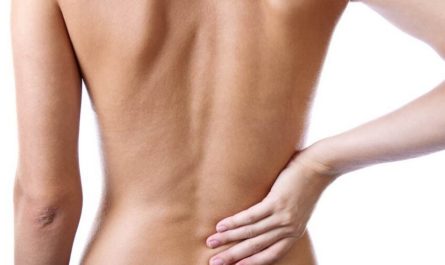
- Pain under the left rib cage in the back – Kidney problems may cause this pain. If the right kidney has kidney stones, then this is the side that will hurt.
Pain under Left Rib Cage-When to See a Doctor
You should consult your doctor immediately if any of the following symptoms occur.
- Chills and Fever
- Sudden sharp pain or unexplained pain in your rib cage.
- You left side chest pain that radiates to your arm and back.
- Dizziness, Nausea, or vomiting.
- Rapid breathing and rapid heart rate.
- Very high or low blood pressure.
If your pain is not very intense, you can try some home remedies and over-the-counter medications. But if the rib cage pain doesn’t alleviate after a few days, you need to consult your doctor, which may indicate some severe illness.





I take alcohol everyday and have developed minor pain under my leftvrib, I also have constipation at times and do take medications. I also have suffered with mild syrosi s ,
Please advise, I do smok
Stop smoking and stop “taking alcohol”
Funny
it is not worth drinking and smoking. i suggest drinking some green tea and living a healthier life and before you know you’ll be happier without drinking.
I suffer from a lot of wind after i eat food and have a small pain under my left rib wot is this
He wasn’t looking for a life coaching lesson you ass clowns
It is easy for ppl to tell you what and what not to do, however none of these replies answers your post…I am having same issue . Would be great to have lots of money to go to doctor, but don’t.. so research on web. Sorry to hear the only responses are from ppl that want you to conform and not from those that have similar experiences, and what was diagnosed….
Having dull pain for a week now, thought it was from coughing.. bad allergies.. hurts irrevelent to breathing but subsides here and there. If i do cough hard it seems to aggravate it, but pain isnt affected by deep breaths or anything..do know whats wrong.. kinda,scared