In recent years, sparkling water has become increasingly popular. It can act as a refreshing and seemingly healthy alternative to sugary sodas and other carbonated beverages. But is sparkling water really good for you? Is it a good alternative for people trying to kick a soda habit? Does it have any negative effects on dental health or digestion?
In this guide, we’ll explore everything about sparkling water: what it is, its nutritional value, science-backed health benefits, possible side effects, best ways to use it, and more. Whether you’re a health enthusiast, someone trying to cut back on soda, or simply curious, this article will give you a well-rounded perspective.
What is Sparkling Water?
Sparkling water, often referred to as seltzer, club soda, or fizzy water, is essentially water that has been infused with carbon dioxide gas under pressure. This process creates the bubbles that give it its characteristic effervescence and a slightly acidic taste. While all these terms generally refer to carbonated water, there are subtle distinctions.
Seltzer is plain water with added carbonation, often containing natural flavorings. Club soda typically has added minerals like sodium bicarbonate, sodium citrate, potassium sulfate, and disodium phosphate, which enhance its taste.
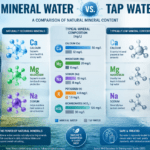
Mineral water, on the other hand, is naturally carbonated from a spring or well and contains naturally occurring minerals. Regardless of the specific type, sparkling water provides a refreshing, calorie-free alternative to still water.
Nutrition of Sparkling Water
Pure sparkling water is remarkably simple in its nutritional profile, containing virtually no calories, sugar, or fat. Its primary components are water and carbon dioxide.
Here’s a look at the typical nutrition profile of 1 cup (240ml) of unflavored sparkling water:
| Nutrient | Amount per 1 cup (240ml) |
|---|---|
| Calories | 0 kcal |
| Total Fat | 0 g |
| Sodium | 0-10 mg (varies by brand) |
| Total Carbohydrate | 0 g |
| Sugars | 0 g |
| Protein | 0 g |
| Calcium | 0-20 mg (varies by brand) |
| Magnesium | 0-5 mg (varies by brand) |
| Potassium | 0-10 mg (varies by brand) |
Note: Mineral content can vary significantly, especially in naturally carbonated mineral waters or club sodas with added minerals.
As you can see, plain sparkling water is an excellent choice for hydration without adding extra calories, sugar, or unhealthy additives to your diet. Any notable nutrient content usually comes from naturally occurring minerals in specific types of sparkling mineral water or added minerals in club soda. Flavored versions, however, should be checked carefully for added sugars or artificial sweeteners.
Types of Sparkling Water
While often used interchangeably, there are distinct types of sparkling water, each with unique characteristics.
- Seltzer: This is simply plain water that has been artificially carbonated with carbon dioxide. It has a clean, neutral taste and is often the base for flavored sparkling waters, as it doesn’t contain added minerals that might alter the flavor.
- Club Soda: Similar to seltzer, club soda is also artificially carbonated. However, it typically contains added minerals like sodium bicarbonate, potassium sulfate, and sodium citrate. These minerals give club soda a slightly saltier or more complex taste, making it a popular choice for cocktails.
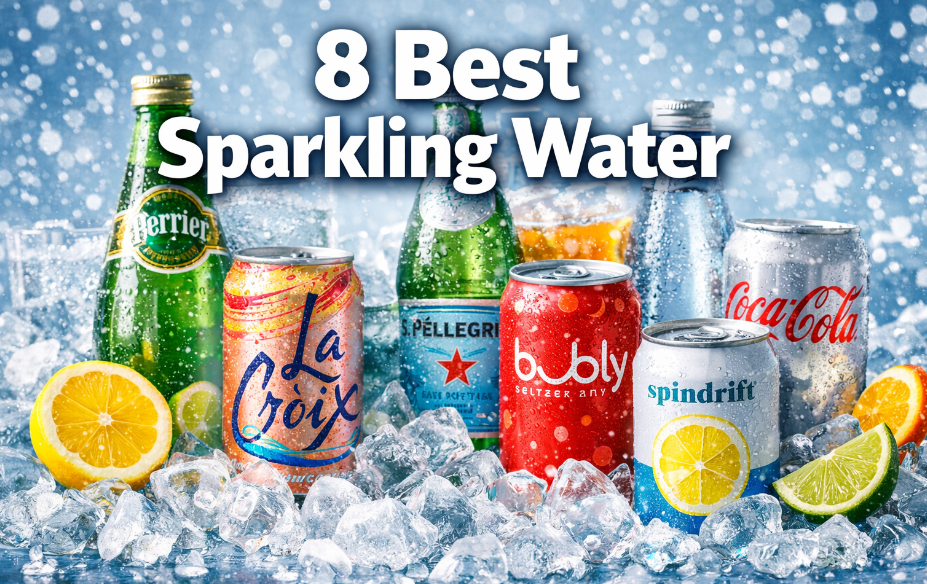
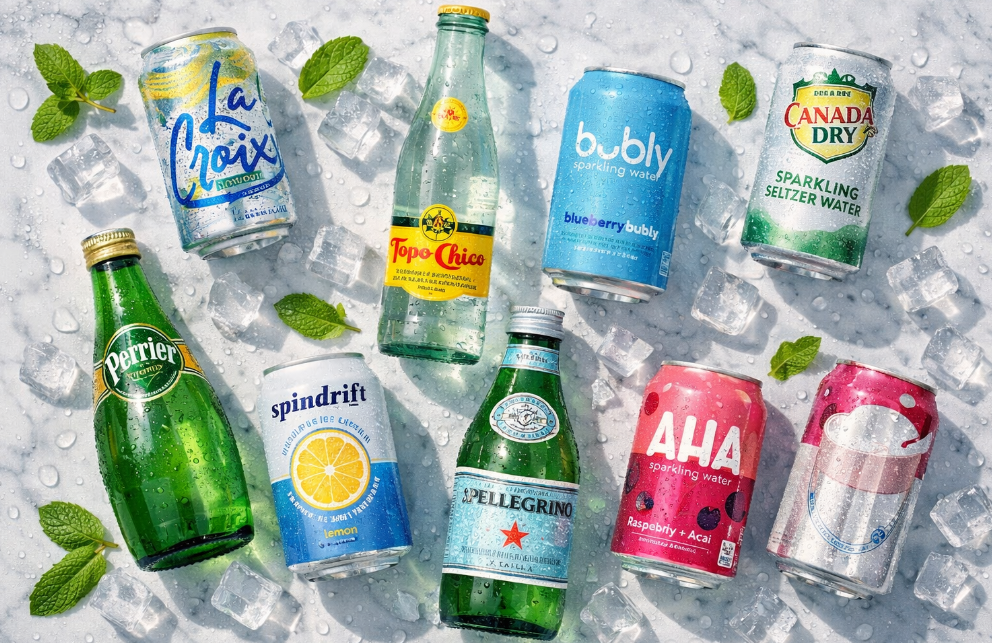
- Sparkling Mineral Water: This type of sparkling water comes from natural springs or wells and is naturally carbonated at the source. It also contains naturally occurring minerals, which vary depending on the geological region, giving each brand a unique taste profile. Famous examples include Perrier and San Pellegrino.
- Tonic Water: Though fizzy, tonic water is not typically grouped with other sparkling waters due to its distinct bitter flavor from quinine and, critically, its high sugar content. It’s often used as a mixer for alcoholic beverages like gin and tonics.
- Flavored Sparkling Water: These are typically seltzers or club sodas with natural or artificial flavorings added, such as lemon, lime, berry, or cucumber. It’s crucial to check labels for added sugars, artificial sweeteners, or other undesirable ingredients.
18 Health Benefits of Sparkling Water
1. Excellent Hydration Source
At its core, sparkling water is water. It hydrates the body just as effectively as still water, helping maintain fluid balance, regulate body temperature, and ensure proper organ function. For those who find plain water unappealing, the fizz can make hydration more enjoyable.
Studies have shown that carbonated water hydrates the body just as well as still water, making it a great option for meeting your daily fluid needs. Staying well-hydrated is crucial for overall health and energy levels.
2. Helps Curb Soda Intake
One of the most significant benefits of sparkling water is its ability to serve as a healthy substitute for sugary sodas and other sweetened beverages. The fizz mimics the sensation of soda without the detrimental effects of high sugar content, artificial colors, or excessive calories.
By switching from soda to sparkling water, individuals can dramatically reduce their sugar intake, which contributes to better weight management, improved dental health, and a lower risk of type 2 diabetes and heart disease.
3. May Aid Weight Management
Because pure sparkling water contains zero calories and zero sugar, it can be a valuable tool for weight management. Substituting caloric beverages with sparkling water eliminates empty calories from your diet, which can lead to a calorie deficit over time.
Additionally, some research suggests that the carbonation in sparkling water might promote a feeling of fullness, potentially reducing overall food intake. This can be particularly helpful for those trying to manage their appetite.
4. Improves Digestion
Some people find that sparkling water can aid in digestion. The carbonation may stimulate the digestive tract, potentially helping with symptoms of indigestion or constipation.
A study found that carbonated water improved indigestion symptoms and constipation in a group of individuals after a two-week period, suggesting a positive effect on gut motility.
5. Relief from Constipation
For individuals struggling with occasional constipation, the bubbles in sparkling water might offer some relief. The carbonation can stimulate bowel movements and help food move more smoothly through the digestive system.
This gentle stimulation can be a natural way to alleviate discomfort and promote regularity without resorting to laxatives for mild cases.
6. May Reduce Nausea
The gentle fizziness of sparkling water can sometimes help settle an upset stomach, providing relief from mild nausea. It’s a common recommendation for those experiencing morning sickness or general queasiness.
The carbonation can help burp up excess gas, which might contribute to feelings of discomfort and nausea.
7. Supports Dental Health (When Unflavored)
Unlike sugary sodas that are highly acidic and packed with sugar that feeds bacteria, plain sparkling water is generally much kinder to teeth. While slightly acidic due to carbonation, it’s far less erosive than most soft drinks.
However, it’s crucial to choose unflavored varieties. Flavored sparkling waters, especially those with citric acid or other fruit acids, can be more acidic and potentially lead to enamel erosion over time.
8. Enhances Exercise Performance
Staying hydrated is fundamental for optimal physical performance. Since sparkling water hydrates as effectively as still water, it can support endurance, strength, and recovery during exercise.
For some, the refreshing fizz makes it more appealing to drink during workouts, ensuring they consume enough fluids to prevent dehydration.
9. Boosts Mood and Energy
Adequate hydration is linked to better mood and higher energy levels. Dehydration, even mild, can lead to fatigue, irritability, and reduced cognitive function.
By making hydration more enjoyable, sparkling water can help maintain optimal fluid balance, contributing to a brighter mood and sustained energy throughout the day.
10. Can Improve Swallowing Ability
For some individuals, especially older adults, carbonated water may actually improve swallowing function. The sensation of the bubbles can stimulate the pharyngeal reflex, making it easier to swallow.
A study observed that carbonated liquids were more effective than still water at eliciting the swallowing reflex in healthy adults.
11. Alternative to Alcohol
For those looking to reduce or avoid alcohol, sparkling water can be an excellent non-alcoholic alternative. It offers a sophisticated, refreshing drink option, especially when garnished with fruit, making it feel more special than plain water.
This can be particularly useful in social settings where alcoholic beverages are common, providing a satisfying option without the alcohol content.
12. Versatile Mixer for Drinks
Sparkling water is a fantastic, calorie-free base for a wide variety of refreshing drinks. It can be mixed with fruit juices, herbal teas, or fresh fruit and herbs to create delicious and healthy mocktails or spritzers.
Its neutral flavor (in seltzer form) allows other ingredients to shine, making it an indispensable component for creative beverage making.
13. Economical and Sustainable
Choosing to drink sparkling water, especially if you make it at home using a soda maker, can be more economical and environmentally friendly than constantly buying bottled sodas or even single-use plastic water bottles.
Reducing reliance on pre-packaged drinks lessens plastic waste and supports a more sustainable lifestyle.
14. Provides a Feeling of Fullness
The carbonation in sparkling water can contribute to a temporary feeling of fullness or satiety. This can be beneficial if you’re trying to manage portion sizes or reduce snacking between meals.
While not a replacement for a balanced meal, a glass of sparkling water before eating might help curb excessive appetite.
15. Supports Kidney Health
By encouraging increased fluid intake, sparkling water indirectly supports kidney health. Adequate hydration is crucial for the kidneys to efficiently filter waste products from the blood and produce urine.
Staying well-hydrated helps prevent the concentration of minerals that can lead to kidney stones.
16. May Improve Gallbladder Function
While research is limited, some proponents suggest that the slight stimulation of the digestive system by carbonated water could potentially benefit gallbladder function. Improved bile flow can aid in fat digestion.
However, this benefit requires more scientific investigation to be definitively stated.
17. Enhances Food Flavor
The crisp, clean taste and effervescence of sparkling water can cleanse the palate, making meals more enjoyable. When paired with food, it can highlight flavors and add a refreshing counterpoint to rich dishes.
Many find that sparkling water makes a much better companion to a meal than sugary drinks or even plain still water.
18. Provides Essential Minerals (Naturally Sourced)
Naturally sparkling mineral waters offer the added benefit of naturally occurring minerals like calcium, magnesium, and potassium. These minerals are vital for various bodily functions, including bone health, muscle function, and nerve transmission.
Consuming naturally sourced mineral water can contribute to your daily mineral intake in a pleasant way.

Potential Side Effects of Sparkling Water
While sparkling water is generally safe and healthy for most people, there are a few potential side effects to be aware of:
- Bloating and Gas: Some people may experience bloating, burping, or gas after drinking sparkling water due to the carbonation. If you find that sparkling water triggers these symptoms, try reducing your intake.
- Tooth Enamel Erosion: Although plain sparkling water is less acidic than sugary sodas, the carbonation can still contribute to tooth enamel erosion over time. To minimize this risk, drink sparkling water in moderation and avoid swishing it around in your mouth.
- Aggravation of Reflux Symptoms: For people with gastroesophageal reflux disease (GERD) or acid reflux, the carbonation in sparkling water may exacerbate symptoms. If you notice that sparkling water triggers or worsens your reflux, it’s best to avoid it and stick to still water.
Who Should Avoid Sparkling Water
While generally safe, certain individuals or groups might need to limit or avoid sparkling water.
- Individuals with Irritable Bowel Syndrome (IBS): The carbonation can cause bloating, gas, and abdominal discomfort, potentially triggering IBS symptoms.
- Those Prone to Heartburn or Acid Reflux: Sparkling water might worsen symptoms by causing stomach distension and facilitating acid reflux.
- People with Sensitive Teeth or Enamel Erosion: While plain sparkling water is generally fine, flavored varieties with added acids can accelerate enamel wear.
- Individuals on Sodium-Restricted Diets: Some club sodas or naturally mineral-rich sparkling waters can have higher sodium content; always check the label.
- Infants and Toddlers: Their digestive systems are more sensitive, and carbonation can cause excessive gas and discomfort. Plain water is best for this age group.
How to Choose Quality Sparkling Water
When purchasing sparkling water, a few considerations can help you select a high-quality product that aligns with your health goals.
- Read the Ingredients List: The simpler, the better. For plain sparkling water, the ingredients should ideally just be “carbonated water” or “sparkling mineral water.”
- Avoid Added Sugars and Artificial Sweeteners: Many flavored sparkling waters contain these. Opt for brands that use natural fruit essences without any added caloric or non-caloric sweeteners.
- Check for Natural Flavorings: If you prefer flavored options, look for “natural flavors” or “fruit essences” over artificial ones.
- Consider Mineral Content: For sparkling mineral water, check the mineral analysis on the label. Brands like Perrier or San Pellegrino offer a natural mineral boost.
- Packaging: Glass bottles can sometimes preserve the fizz better and avoid potential plastic leaching, though plastic bottles are common and generally safe.
- Reputable Brands: Stick to well-known and trusted brands to ensure product quality and safety standards.
How Much Sparkling Water Can You Use Per Day? Daily Dosage
There’s no strict “dosage” for sparkling water, as it’s essentially water. However, general hydration guidelines apply, and it’s wise to consider individual tolerance to carbonation.
- General Hydration: You can safely substitute a significant portion of your daily still water intake with sparkling water. Aim for at least 8 glasses (about 2 liters) of total fluid intake per day, which can include sparkling water.
- Monitoring Side Effects: If you experience bloating, gas, or acid reflux, reduce your intake and see if symptoms subside. Some people can drink several liters daily without issue, while others might prefer to limit it to 1-2 glasses.
- Dental Health: To mitigate any potential impact on tooth enamel, especially with flavored varieties, it’s recommended to drink sparkling water relatively quickly rather than sipping it throughout the day. Using a straw can also help minimize contact with teeth.
Listen to your body. If it feels good and you’re staying hydrated, you’re likely consuming an appropriate amount.
Usage Tips, Safety Precautions, and Storage Methods
To get the most out of your sparkling water experience and ensure safety, consider these practical tips.
- Prioritize Plain Sparkling Water: For daily consumption and dental health, plain unflavored sparkling water is the best choice. If you want flavor, add fresh fruit, herbs, or a squeeze of citrus yourself.
- Mind Your Enamel: If consuming flavored sparkling water (with added acids), drink it quickly rather than sipping, and consider using a straw to minimize tooth contact. Rinsing your mouth with plain water afterward can also help.
- Stay Hydrated with Still Water Too: While sparkling water is hydrating, don’t rely solely on it. Ensure you’re also drinking plenty of plain, still water throughout the day.
- Storage: Store unopened bottles or cans in a cool, dark place. Once opened, keep them refrigerated and consume within a few days to maintain fizziness. For home soda makers, keep CO2 cylinders away from heat and direct sunlight.
- Don’t Confuse with Tonic Water: Remember that tonic water contains significant sugar and quinine, so it’s not a healthy substitute for sparkling water.
How to Make Sparkling Water at Home?
Making your own sparkling water at home is easy and cost-effective with a home carbonation system like SodaStream. Here’s a simple step-by-step guide:
- Fill a clean, reusable bottle with cold water, leaving about an inch of space at the top.
- Screw the bottle into the carbonation machine and press the carbonation button until you hear a buzzing sound.
- Release the button and unscrew the bottle from the machine.
- Add any desired natural flavors, such as fresh fruit juice, herbs, or slices of citrus.
- Enjoy your homemade sparkling water immediately or store it in the refrigerator for later.
By making your own sparkling water, you can control the level of carbonation, customize the flavors, and reduce plastic waste from store-bought bottles. Plus, it’s a fun and easy way to stay hydrated and experiment with different flavor combinations.
FAQ
1. Is sparkling water as hydrating as regular water?
Yes, sparkling water is just as hydrating as regular still water. It consists primarily of water and helps you meet your daily fluid intake.
2. Does sparkling water damage tooth enamel?
Plain sparkling water is only slightly more acidic than still water and generally considered safe for enamel. However, flavored sparkling waters with added acids (like citric acid) can be more erosive over time.
3. Can sparkling water help with weight loss?
Yes, because it’s calorie-free and sugar-free, sparkling water can be an excellent substitute for sugary drinks, helping reduce calorie intake and potentially aiding weight management.
4. Does sparkling water cause bloating?
For some individuals, the carbon dioxide gas in sparkling water can cause temporary bloating or gas, especially if consumed quickly or in large quantities.
5. Is sparkling water bad for your stomach?
Generally no. Some people find it helps with digestion, while others with sensitive stomachs or acid reflux might experience discomfort due to the carbonation.
6. Can I drink sparkling water every day?
Yes, for most healthy individuals, drinking sparkling water daily is perfectly fine and can contribute to overall hydration. Listen to your body for any adverse reactions.
7. What’s the difference between seltzer, club soda, and sparkling mineral water?
Seltzer is just carbonated water. Club soda has added minerals for flavor. Sparkling mineral water is naturally carbonated and contains natural minerals from its source.
8. Is it okay for kids to drink sparkling water?
Unsweetened sparkling water is generally safe for older children in moderation, but plain water is always the best choice for infants and toddlers to avoid potential gas or discomfort.
9. Can sparkling water help with constipation?
Some studies and anecdotal evidence suggest that the carbonation in sparkling water can stimulate the digestive tract and help alleviate mild constipation.
10. Does sparkling water contain sodium?
Plain seltzer typically contains no sodium. Club soda often has added sodium, and natural sparkling mineral waters can vary in sodium content depending on their source. Always check the label.
11. Is homemade sparkling water better than store-bought?
Homemade sparkling water made with a soda maker is often more cost-effective, reduces plastic waste, and allows you to control the level of carbonation and add natural flavors. Nutritionally, it’s the same as plain store-bought.
12. Can sparkling water replace coffee for an energy boost?
No, sparkling water does not contain caffeine and will not provide a stimulant energy boost like coffee. Its “boost” comes from hydration and refreshment.