Vitamin A is a vital nutrient that plays a crucial role in maintaining good health. It supports healthy vision, immune function, cell growth, and reproduction. While many people rely on supplements to meet their daily vitamin A needs, numerous delicious foods can help you achieve this goal naturally. In this article, we’ll explore the 25 best healthy foods that are high in vitamin A.
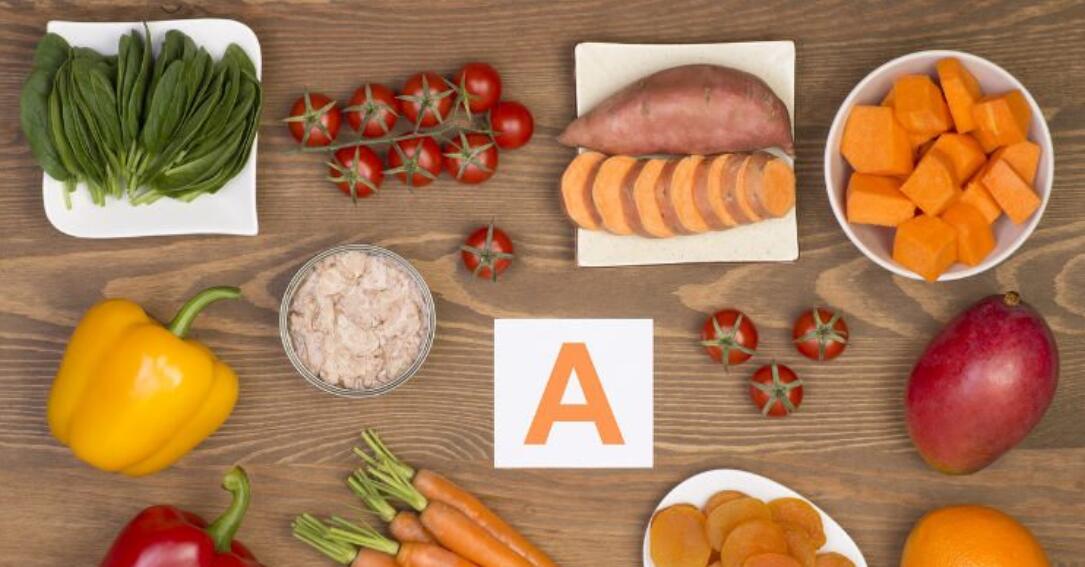
25 Amazing Healthy Foods High in Vitamin A
Here’s a table that summarizes the 25 foods high in vitamin A, along with their key nutritional benefits:
| Food | Vitamin A Content | Other Key Nutrients |
|---|---|---|
| Sweet Potatoes | Over 150% DV per medium potato | Fiber, Vitamin C, Potassium |
| Carrots | Over 400% DV per cup | Fiber, Antioxidants |
| Spinach | Over 50% DV per cup | Iron, Calcium, Vitamin K |
| Kale | Over 200% DV per cup | Vitamin C, Calcium, Antioxidants |
| Red Bell Peppers | 75% DV per medium pepper | Vitamin C, Antioxidants |
| Mangoes | 25% DV per cup | Vitamin C, Fiber, Antioxidants |
| Cantaloupe | 120% DV per cup | Vitamin C, Potassium |
| Apricots | 60% DV per cup | Fiber, Potassium |
| Romaine Lettuce | 70% DV per cup | Vitamin K, Folate |
| Butternut Squash | Over 450% DV per cup | Fiber, Vitamin C, Potassium |
| Goat Cheese | 15% DV per ounce | Protein, Calcium |
| Eggs | 10% DV per large egg | Protein, Choline, Selenium |
| Cod Liver Oil | Over 200% DV per teaspoon | Omega-3 Fatty Acids, Vitamin D |
| Beef Liver | Over 700% DV per 3 ounces | Iron, Vitamin B12, Copper |
| Paprika | 20% DV per tablespoon | Antioxidants |
| Parsley | 10% DV per 2 tablespoons | Vitamin C, Antioxidants |
| Mustard Greens | Over 100% DV per cup | Vitamin C, Calcium, Antioxidants |
| Bok Choy | Over 60% DV per cup | Vitamin C, Calcium, Potassium |
| Collard Greens | Over 200% DV per cup | Vitamin C, Calcium, Fiber |
| Grapefruit | 25% DV per half | Vitamin C, Fiber |
| Tomatoes | 20% DV per medium tomato | Vitamin C, Potassium, Lycopene |
| Red Leaf Lettuce | 40% DV per cup | Vitamin K, Folate |
| Dried Apricots | 20% DV per ounce | Fiber, Potassium |
| Pickled Herring | 20% DV per ounce | Omega-3 Fatty Acids, Vitamin D |
| Butter | 10% DV per tablespoon | – |
Note: DV = Daily Value
Now let’s dive into the list of 25 foods that are packed with this essential nutrient.
1. Sweet Potatoes: A Nutritional Powerhouse
Sweet potatoes are an excellent source of vitamin A, with just one medium-sized baked sweet potato providing over 150% of your daily needs. These tasty tubers are also rich in fiber, vitamin C, and potassium. This makes them a well-rounded addition to any meal.
For a simple and healthy side dish, try roasting sweet potatoes with a drizzle of olive oil and a sprinkle of cinnamon. The natural sweetness of the potato pairs perfectly with the warm, aromatic spice.
2. Carrots: The Classic Vitamin A Superstar
Carrots have long been associated with good eyesight, and for good reason. One cup of chopped carrots contains an impressive 400% of your daily vitamin A value. They’re also a great source of fiber and antioxidants.
This helps protect your cells from damage caused by free radicals. you can enjoy carrots raw as a crunchy snack, or shredded in salads for a pop of color and nutrition.
3. Spinach: A Leafy Green Powerhouse
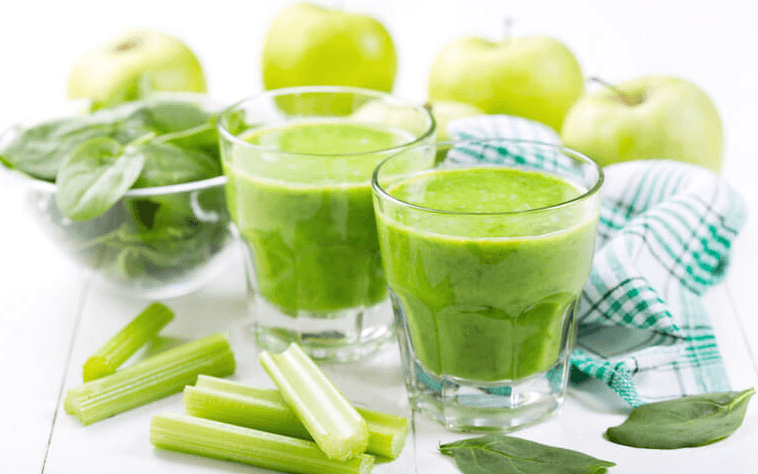
Spinach is a nutrient-dense leafy green that packs a powerful vitamin A punch, providing over 50% of your daily needs in just one cup. It’s also an excellent source of iron, calcium, and vitamin K, which supports bone health and proper blood clotting.
To enjoy the benefits of spinach, add a handful to your smoothies for a green boost, and toss it in salads. You can also sauté it with garlic for a quick and healthy side dish.
4. Kale: The Trendy Green with Serious Nutrition
Kale has gained popularity in recent years, and for good reason. This leafy green is incredibly high in vitamin A, offering over 200% of your daily value in a single cup. It’s also packed with vitamin C, calcium, and antioxidants, making it a true superfood.
To enjoy kale’s benefits, try massaging it with a bit of lemon juice and olive oil for a tender and flavorful salad base. You can also bake it into crispy kale chips for a satisfying, healthy snack.
5. Red Bell Peppers: A Sweet and Colorful Vitamin A Source
Red bell peppers are not only delicious but also an excellent source of vitamin A, providing 75% of your daily needs in just one medium-sized pepper. They’re also rich in vitamin C and antioxidants.
This supports a healthy immune system and protects your cells from oxidative stress. You can enjoy red bell peppers sliced up as a crunchy snack and added to stir-fries for a pop of color and flavor.
6. Mangoes: A Tropical Vitamin A Delight
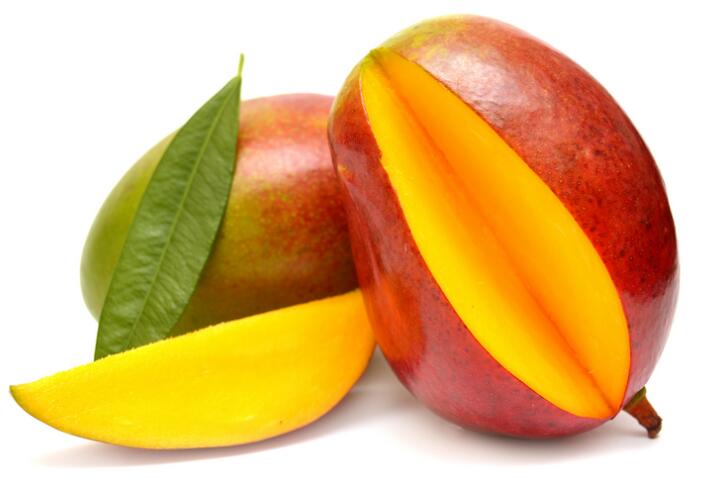
Mangoes are a sweet and juicy tropical fruit that’s high in vitamin A, with one cup providing 25% of your daily value. They’re also an excellent source of vitamin C, fiber, and antioxidants.
This makes them a nutritious addition to any diet. Try to enjoy mangoes fresh as a snack, blended into smoothies for a creamy treat, or added to salsa for a sweet and spicy kick.
7. Cantaloupe: A Refreshing Melon Rich in Vitamin A
Cantaloupe is a refreshing and tasty melon that’s packed with vitamin A, offering 120% of your daily needs in just one cup. It’s also a good source of vitamin C and potassium, which supports healthy blood pressure levels. You can enjoy cantaloupe on its own for a hydrating snack. Or mix it with other fruits for a colorful and nutritious fruit salad.
8. Apricots: Small Fruits with Big Vitamin A Benefits
Apricots may be small, but they’re mighty when it comes to vitamin A content. One cup of apricots provides 60% of your daily value. This makes them an excellent choice for boosting your intake.
They’re also a good source of fiber and potassium, supporting digestive health and heart function. Enjoy apricots fresh, dried, or blended into a smoothie for a sweet and tangy treat.
9. Romaine Lettuce: A Crisp and Vitamin A-Rich Salad Base
Romaine lettuce is a crisp and refreshing leafy green that’s high in vitamin A, offering 70% of your daily needs in just one cup. It’s also a good source of vitamin K.
It can support bone health, and folate, which is essential for proper cell growth and development. You can use romaine lettuce as a base for your favorite salads.
10. Butternut Squash: A Comforting and Nutritious Winter Staple
Butternut squash is a sweet and creamy winter squash that’s incredibly rich in vitamin A, with one cup providing over 450% of your daily value.
It’s also a good source of fiber, vitamin C, and potassium. you can roast butternut squash with a bit of olive oil and your favorite spices for a comforting and nutritious side dish.

11. Goat Cheese: A Tangy and Vitamin A-Rich Dairy Option
Goat cheese is a tangy and creamy cheese that’s high in vitamin A, offering 15% of your daily needs in just one ounce. It’s also a good source of protein and calcium, supporting muscle growth and strong bones.
Crumble goat cheese over salads for a flavorful twist, and spread it on crackers for a quick snack. In addition, you can use it as a topping for your favorite dishes to add a tangy and nutritious kick.
12. Eggs: A Versatile and Vitamin A-Packed Protein Source
Eggs are a versatile and nutritious food that’s high in vitamin A, with one large egg providing 10% of your daily value. They’re also an excellent source of high-quality protein, choline, and selenium.
This can support muscle growth, brain function, and thyroid health. You may enjoy eggs scrambled, poached, or hard-boiled for a satisfying breakfast or snack.
13. Cod Liver Oil: A Concentrated Source of Vitamin A
Cod liver oil is a supplement that’s incredibly high in vitamin A, with just one teaspoon providing over 200% of your daily needs. It’s also rich in omega-3 fatty acids and vitamin D, which is essential for strong bones and a healthy immune system.
You can take cod liver oil on its own, or look for supplements that combine it with other nutrients for added benefits.
14. Beef Liver: A Nutrient-Dense Organ Meat
Beef liver is a highly nutritious organ meat that’s packed with vitamin A, offering over 700% of your daily value in just three ounces. It’s also rich in iron, vitamin B12, which is essential for nerve function, and copper.
If you’re not a fan of the taste, try soaking beef liver in milk or incorporating it into ground meat dishes like meatloaf or chili to mask the flavor.
15. Paprika: A Flavorful Spice with Vitamin A Benefits
Paprika is a vibrant red spice made from dried and ground red peppers that’s high in vitamin A, with just one tablespoon providing 20% of your daily needs.
It’s also rich in antioxidants, which help protect your cells from damage caused by free radicals. you can use paprika to season roasted vegetables, meats, or eggs for a smoky and slightly sweet flavor.
16. Parsley: More Than Just a Garnish
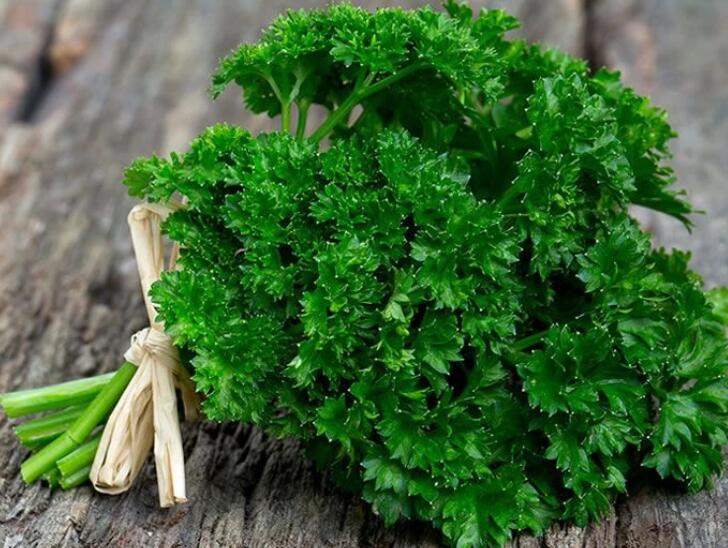
Parsley is an herb that’s often used as a garnish, but it’s also a significant source of vitamin A, offering 10% of your daily value in just two tablespoons.
It’s also a good source of vitamin C and antioxidants, which support a healthy immune system and protect your cells from oxidative stress. You can add parsley to salads, soups, or sauces for a fresh and vibrant flavor that enhances the overall nutritional value.
17. Mustard Greens: A Peppery and Vitamin A-Rich Leafy Green
Mustard greens are a peppery and slightly bitter leafy green that’s high in vitamin A, providing over 100% of your daily needs in just one cup.
They’re also a good source of vitamin C, calcium, and antioxidants, making them a nutritious addition to any diet. You can use mustard greens with garlic and olive oil for a quick and flavorful side dish. Besides you can add them to soups and stews for a nutrient boost.
18. Bok Choy: A Versatile Chinese Cabbage
Bok choy is a type of Chinese cabbage that’s high in vitamin A, offering over 60% of your daily value in just one cup. It’s also a good source of vitamin C, calcium, and potassium, supporting a healthy immune system, strong bones, and proper muscle function.
Stir-fry bok choy with ginger and soy sauce for an Asian-inspired side dish, or add it to soups and salads for a crunchy and nutritious twist.
19. Collard Greens: A Southern Staple with Impressive Nutrition
Collard greens are a hearty and nutritious leafy green that’s high in vitamin A, providing over 200% of your daily needs in just one cup.
They’re also a good source of vitamin C, calcium, and fiber, supporting a healthy immune system, and strong bones. You can simmer collard greens with ham hocks or bacon for a traditional Southern side dish.
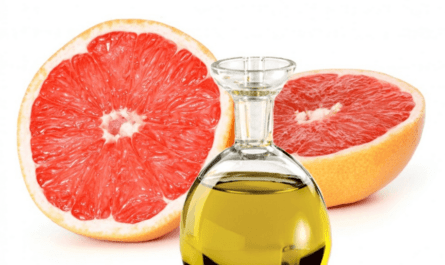
20. Grapefruit: A Tart and Vitamin A-Rich Citrus Fruit
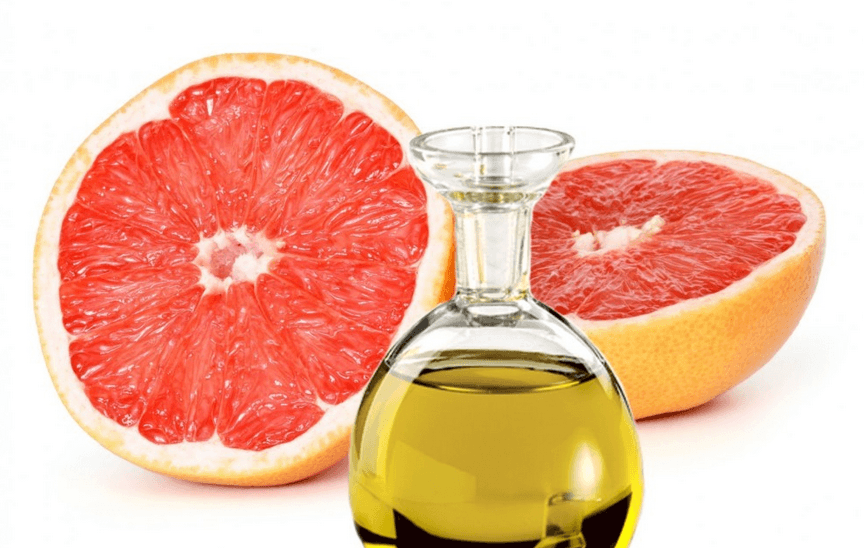
Grapefruit is a tart and juicy citrus fruit that’s high in vitamin A, offering 25% of your daily value in just one half. It’s also a good source of vitamin C and fiber, supporting a healthy immune system and digestive health.
you can enjoy grapefruit on its own for a refreshing snack. Or you can add it to salads for a bright and tangy flavor that complements other ingredients.
21. Tomatoes: A Versatile and Nutritious Fruit
Tomatoes are a versatile and nutritious fruit that’s high in vitamin A, providing 20% of your daily needs in just one medium-sized tomato. They’re also rich in vitamin C, potassium, and lycopene.
This is a powerful antioxidant that supports heart health and may reduce the risk of certain cancers. You can enjoy tomatoes raw in salads, roasted with herbs for a flavorful side dish, or blended into sauces and soups.
22. Red Leaf Lettuce: A Tender and Vitamin A-Rich Salad Green
Red leaf lettuce is a tender and flavorful leafy green that’s high in vitamin A, offering 40% of your daily value in just one cup. It’s also a good source of vitamin K, which supports bone health, and folate.
You can use red-leaf lettuce as a base for your favorite salads, or add it to sandwiches and wraps.
23. Dried Apricots: A Convenient and Vitamin A-Packed Snack
Dried apricots are a convenient and tasty snack that’s high in vitamin A, with just one ounce providing 20% of your daily needs. They’re also a good source of fiber and potassium, supporting digestive health and heart function.
You can chop them up and add them to trail mix, oatmeal, or baked goods for a sweet and nutritious boost.
24. Pickled Herring: A Traditional Scandinavian Dish with Vitamin A Benefits
Pickled herring is a traditional Scandinavian dish that’s high in vitamin A, offering 20% of your daily value in just one ounce. It’s also a good source of omega-3 fatty acids, which support heart and brain health, and vitamin D.
You can enjoy pickled herring on crackers or bread, or add it to salads for a tangy and savory flavor.
25. Butter: A Surprising Source of Vitamin A
Butter is a dairy product that’s often overlooked as a source of vitamin A, but it provides a significant amount of this essential nutrient. One tablespoon of butter offers 10% of your daily vitamin A needs, making it a tasty way to boost your intake.
While butter is high in saturated fat and should be consumed in moderation, it can be a part of a healthy diet when used sparingly. Try using a small amount of butter to sauté vegetables or spread on whole-grain toast for a satisfying and nutritious treat.
Conclusion
Incorporating foods high in vitamin A into your diet is a delicious and effective way to support your overall health and well-being.
Remember, while supplements can be helpful in certain situations, it’s always best to focus on obtaining nutrients from whole food sources whenever possible. Not only do these foods provide vitamin A, but they also offer a wide range of other essential vitamins, minerals, and beneficial compounds.