The liver plays a vital role in detoxifying our body and keeping it healthy. However, due to our modern lifestyle and exposure to various toxins, our liver can become overwhelmed and sluggish. This is where a liver detox comes into play. Lemon water is one natural and effective way to support your liver. This article will explore the science behind liver detoxification and how to detox your liver with lemon water step by step.
What is Liver Detoxification?
The liver is responsible for filtering out toxins from our bloodstream and converting them into less harmful substances. However, when our liver is overloaded with toxins, it can become sluggish and less efficient. This can lead to various symptoms such as fatigue, digestive issues, and skin problems.
Recognizing the signs that your liver may need a detox is crucial for maintaining optimal liver health. Some common signs that your liver may need a detox include:
- Fatigue and lack of energy
- Digestive issues such as bloating, constipation, or diarrhea
- Skin problems like acne, eczema, or rashes
- Allergies or sensitivities to certain foods
- Difficulty losing weight or unexplained weight gain
- Hormonal imbalances
- Mood swings or irritability
- Poor concentration and brain fog
If you are experiencing any of these symptoms, it may be a good idea to consider a liver detox with lemon water.
Lemon Water and Liver Health
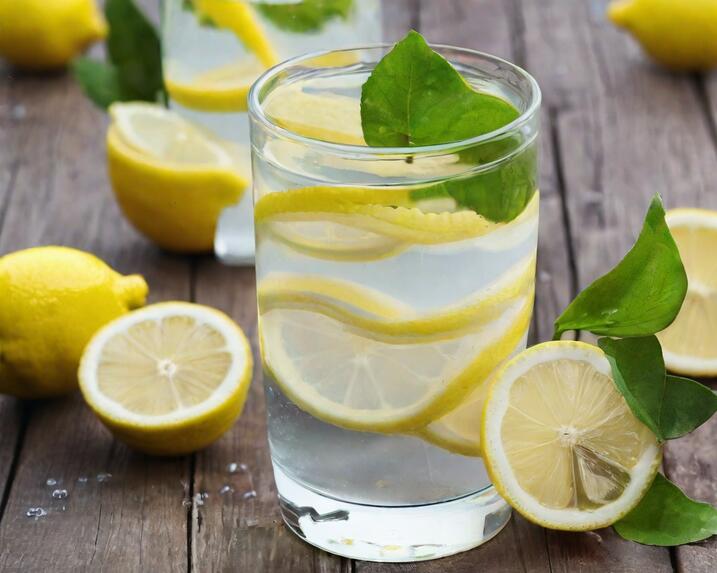
Lemon water is simply the juice of freshly squeezed lemons mixed with water. It is a refreshing and hydrating beverage that is rich in vitamin C, antioxidants, and dietary fiber. These components of lemon water have been found to have numerous health benefits, including supporting liver function.
In addition, dietary fiber contributes to healthy digestion and may help regulate blood sugar levels. Potassium is an essential mineral that plays a role in various bodily functions, including maintaining fluid balance and supporting proper muscle and nerve function.
Here’s a table showcasing the nutritional facts of lemon water:
| Nutrient | Amount per 100g |
|---|---|
| Calories | 29 |
| Total Fat | 0.3g |
| Saturated Fat | 0g |
| Trans Fat | 0g |
| Cholesterol | 0mg |
| Sodium | 2mg |
| Potassium | 138mg |
| Total Carbohydrate | 9.3g |
| Dietary Fiber | 2.8g |
| Sugars | 2.5g |
| Protein | 1.1g |
| Vitamin C | 38.7mg |
Note: Nutritional values may vary depending on the size and juiciness of the lemon used.
The Benefits of Lemon for Detoxifying Your Liver
Incorporating lemon water into your daily routine can provide numerous benefits for detoxifying your liver. Here are some of the key benefits of lemon for liver detoxification:
1. Stimulates Liver Enzymes
The citric acid in lemons can stimulate the production of liver enzymes, specifically cytochrome P450 enzymes. These enzymes play a crucial role in the detoxification process by converting toxins into less harmful substances. By increasing the activity of these enzymes, lemon water can support the liver’s ability to detoxify harmful substances.
2. Rich in Antioxidants
Lemons are packed with antioxidants, including vitamin C and flavonoids. These antioxidants help neutralize harmful free radicals in the body, which can damage liver cells. By protecting the liver from oxidative damage, lemons contribute to overall liver health and function.
3. Supports Bile Production
Bile is a substance produced by the liver and stored in the gallbladder. It plays a crucial role in digestion and the elimination of toxins from the body.
Lemon water can promote the production and flow of bile, aiding in the digestion and absorption of fats. When fats are properly metabolized, the liver can focus on its detoxification functions more effectively.
4. Hydrates the Body
Proper hydration is essential for optimal liver function and overall health. Lemon water provides a refreshing and flavorful way to increase your water intake. Staying well-hydrated helps flush out toxins from the body. This can support the liver’s detoxification processes and ensure the efficient transport of nutrients.
5. Aids Digestion
Lemons have long been used as a digestive aid due to their natural acidity. The citric acid in lemons can stimulate the production of stomach acid, promoting better digestion and nutrient absorption. Improved digestion reduces the burden on the liver and supports its detoxification functions.
6. Alkalizing Properties
Although lemons are acidic in their natural form, they have an alkalizing effect on the body when metabolized. An alkaline environment is believed to be beneficial for liver health and detoxification. It helps maintain proper pH balance in the body and supports optimal enzyme function
7. Boosts Immune System
Lemons are an excellent source of vitamin C, a powerful antioxidant that supports immune function. A strong immune system is crucial for overall health, including the liver’s ability to detoxify and eliminate toxins. By boosting the immune system, lemons indirectly support the liver’s detoxification processes.
8. Promotes Weight Loss
Lemon water is often consumed as part of a weight loss regimen. While it’s not a magic solution, lemon water can support weight loss efforts in a few ways.
Firstly, it is low in calories and can be a healthier alternative to sugary beverages. Secondly, lemon water promotes hydration, which can help reduce water retention and support proper metabolism. Additionally, the fiber content in lemons may contribute to feelings of fullness.
9. Reduces Inflammation
Chronic inflammation can contribute to liver damage and impair its detoxification functions. The antioxidants in lemons help reduce inflammation in the body, including the liver. By reducing inflammation, lemons can help protect liver cells from damage and support the liver’s ability to function optimally.
10. Supports Overall Well-being
By promoting liver health and detoxification, lemons contribute to overall well-being. A healthy liver is crucial for maintaining optimal health, energy levels, and the body’s ability to eliminate toxins effectively.
When the liver is functioning well, it can support other essential bodily processes, such as hormone regulation, metabolism, and immune function.
How to Detox Your Liver with Lemon Water?
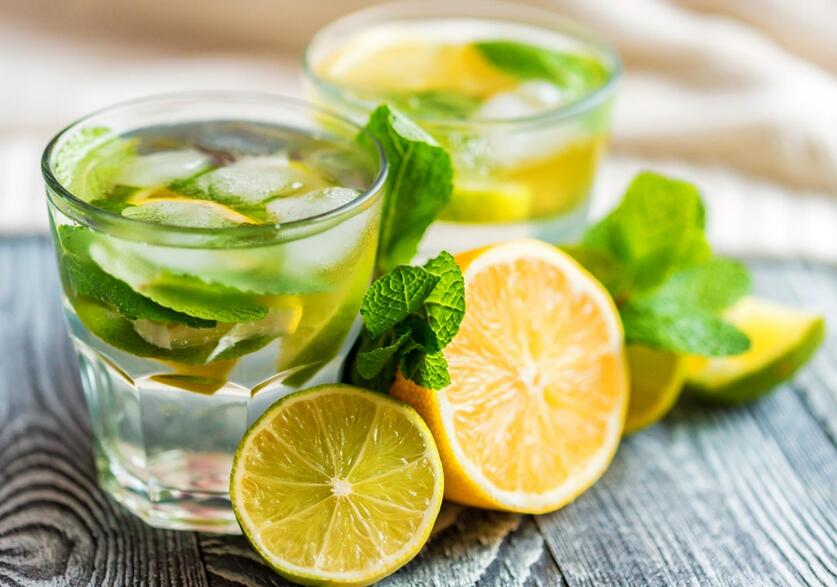
Here is a step-by-step guide on how to incorporate lemon water into your routine for a liver detox:
1. Gather the Ingredients
To begin the process of detoxifying your liver with lemon water, make sure you have fresh lemons and filtered water on hand. Fresh lemons are preferred over bottled lemon juice as they contain more nutrients and enzymes.
2. Squeeze the Lemon Juice
Take one fresh lemon and roll it on a hard surface, such as a countertop, to help release the juice. This makes it easier to extract the juice from the lemon. Cut the lemon in half and use a citrus juicer or simply squeeze the juice out by hand into a glass or pitcher.
3. Dilute with Water
Once you have extracted the lemon juice, add it to a glass or pitcher of filtered water. It’s best to start with a ratio of one lemon to one cup of water. This can be adjusted to your taste preferences. Some people prefer a stronger lemon flavor, while others prefer a milder taste.
4. Mix Well
Stir the lemon juice and water together until they are well mixed. You can also cover the container and shake it to ensure thorough mixing. This will ensure that the lemon juice is evenly distributed throughout the water.
5. Drink Daily
To experience the benefits of liver detoxification, it is recommended to drink the lemon water mixture daily. It is most effective when consumed in the morning on an empty stomach. Start with a small amount, such as half a cup, and gradually increase the amount over time.
6. Stay Hydrated
In addition to drinking lemon water, it is important to stay hydrated throughout the day. Drinking plenty of water helps support the detoxification process and keeps your liver functioning optimally. Aim to drink at least 8 cups (64 ounces) of water per day.
Other Ways to Detox Your Liver
In addition to drinking lemon water, there are several other ways to support liver detoxification. Here are some effective methods:
1. Eat a Healthy Diet
Consuming a nutritious diet that is rich in fruits, vegetables, whole grains, lean proteins, and healthy fats can help support liver health. Avoid processed foods, excessive sugar, and unhealthy fats, as they can burden the liver.
2. Reduce Alcohol Consumption
Alcohol can hurt the liver. Limit your alcohol intake or avoid it altogether to give your liver a chance to regenerate and heal.
3. Exercise Regularly
Engaging in regular physical activity helps improve blood flow and oxygen delivery to the liver. Aim for at least 30 minutes of moderate-intensity exercise most days of the week.
4. Get Sufficient Sleep
Lack of sleep can increase inflammation and stress on the liver. Aim for 7-8 hours of quality sleep each night to support liver health.
5. Limit Exposure to Environmental Toxins
Minimize your exposure to chemicals, pollutants, and toxins in your environment. Use natural cleaning products, avoid smoking or secondhand smoke, and choose organic foods when possible.
6. Incorporate Liver-friendly Herbs
Certain herbs such as milk thistle, dandelion root, turmeric, and ginger have been traditionally used to support liver health. Consult with a healthcare professional before adding any herbal supplements to your routine.
7. Practice Stress Management
Chronic stress can negatively impact liver health. Incorporate stress-reduction techniques into your daily routine such as meditation, deep breathing exercises, yoga, or engaging in activities you enjoy.
8. Avoid Excessive Medication Use
Certain medications, especially over-the-counter pain relievers, and prescription drugs, can be hard on the liver. Use medications only as directed and consult with a healthcare professional if you have concerns.
9. Consider Liver Cleansing Supplements or Teas
There are various liver cleansing supplements and herbal teas available that claim to support liver detoxification. It’s important to do thorough research and consult with a healthcare professional before incorporating them into your routine.

<h3FAQs
1. Can Lemon Water Detox Harm Your Liver?
Lemon water in moderation is generally safe and beneficial for liver health. However, excessive consumption may lead to dental erosion or gastrointestinal issues. It is important to practice moderation and listen to your body’s signals.
2. Can I use bottled lemon juice instead of fresh lemons?
Fresh lemons are preferred over bottled lemon juice because they contain more nutrients and enzymes. Bottled lemon juice often contains preservatives and may not provide the same benefits as fresh lemon juice.
3. How much lemon water should I drink for liver detoxification?
It is recommended to start with a small amount, such as half a cup of lemon water, and gradually increase the amount over time. Aim to drink at least one to two cups of lemon water daily for liver detoxification.
4. Can I drink lemon water at any time of the day?
Lemon water is most effective when consumed in the morning on an empty stomach. This allows the body to fully absorb the nutrients and benefits of the lemon water.
5. Can I add other ingredients to my lemon water for liver detoxification?
While lemon water is beneficial on its own, you can enhance its detoxifying properties by adding ingredients like ginger, Olive Oil, or turmeric. These ingredients have detoxifying properties and can further support liver health.
6. Are there any potential side effects of drinking lemon water for liver detoxification?
Lemon water is generally safe for most people. However, some individuals with sensitive stomachs may experience heartburn or acid reflux. If you experience any discomfort, it is best to reduce the amount of lemon juice or consult with a healthcare professional.
7. How long does it take to see the benefits of liver detoxification with lemon water?
The time it takes to see the benefits of liver detoxification can vary from person to person. Consistently drinking lemon water daily, along with maintaining a healthy lifestyle, can help support long-term liver health.
8. Can I use warm water instead of cold water for lemon water?
Yes, you can use warm water instead of cold water for your lemon water. Some people find that warm lemon water is more soothing and easier to digest, especially in the morning.
9. Is there anyone who should avoid drinking lemon water for liver detoxification?
While lemon water is generally safe for most people, individuals with citrus allergies or sensitivities should avoid consuming lemon water. Additionally, if you have any underlying health conditions or are taking medications, it is best to consult with a healthcare professional.
Conclusion
Detoxifying your liver is crucial for maintaining overall health and well-being. Lemon water can be a valuable tool in supporting liver function and promoting detoxification. By following the steps outlined in this guide and incorporating lemon water into your daily routine, you can improve your liver health.