16 Amazing Home Remedies for Sun Spots

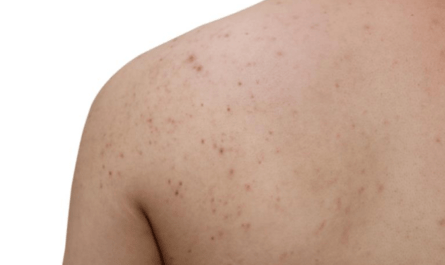
Sun spots, also known as solar lentigines or liver spots (though unrelated to liver function), are flat, benign patches of skin pigmentation that appear on sun-exposed areas like the face, hands, shoulders, and arms. They occur when melanocytes, the cells responsible for producing melanin (skin pigment), go into overdrive due to prolonged exposure to ultraviolet (UV) radiation from the sun or tanning beds. This excess melanin clumps together, resulting in the darker spots we recognize.

While generally harmless, they are a clear sign of sun damage and can sometimes be mistaken for more serious skin conditions, making regular skin checks vital. Our focus today, however, is on the natural ways to diminish their appearance. This article will explore 16 of the best home remedies for sun spots.

DIY Masks for Dark Spots on Face

16 Amazing Home Remedies for Sun Spots

1. Lemon Juice: Nature’s Brightener to Get Rid of Sun Spots

Lemon juice is a classic home remedy, widely recognized for its natural bleaching properties. The secret lies in its high concentration of citric acid, a natural alpha-hydroxy acid (AHA) that can act as a mild exfoliant. This exfoliation helps to shed the top layer of pigmented skin cells, revealing lighter, newer skin underneath.

How it Works:

  • Exfoliation: Citric acid gently removes dead skin cells.
  • Lightening: Its bleaching effect can reduce the intensity of dark spots.

Application Method:

  1. Squeeze fresh juice from half a lemon.
  2. Using a cotton ball, apply the undiluted juice directly to the sun spots.
  3. Leave it on for 10-15 minutes.
  4. Rinse thoroughly with lukewarm water.
  5. Important Note: Lemon juice makes your skin highly photosensitive. Always apply at night and use broad-spectrum sunscreen with an SPF of 30 or higher during the day, even indoors.
  6. Repeat 2-3 times a week for several weeks.

Lemon’s natural acidity provides a gentle exfoliation. However, its potency means it can be irritating for sensitive skin. Always do a patch test first. Overuse or direct sun exposure after application can lead to phytophotodermatitis, a severe sunburn reaction.

2. Apple Cider Vinegar (ACV)

Apple cider vinegar, a fermented apple product, is another powerhouse in the realm of natural remedies. It contains acetic acid, which, like citric acid, has exfoliating properties that can help fade sun spots. ACV also boasts anti-inflammatory benefits, which can be helpful for overall skin health.

How it Works:

  • Exfoliation: Acetic acid aids in the removal of dead skin cells.
  • pH Balancing: It can help restore the skin’s natural pH, promoting healthier cell turnover.

Application Method:

  1. Mix equal parts raw, unfiltered apple cider vinegar and water. For sensitive skin, you might start with a higher water-to-ACV ratio (e.g., 1:3).
  2. Dampen a cotton ball with the solution and apply it directly to the sun spots.
  3. Leave on for 20-30 minutes.
  4. Rinse thoroughly with water.
  5. Repeat once daily, preferably in the evening, until you see improvement.

ACV’s acidity helps break down pigmented cells. Its antibacterial properties can also benefit overall skin health. However, like lemon juice, it can irritate. Start with a diluted solution and discontinue if irritation occurs. Sun protection is crucial.

Aloe Vera Gel
Aloe Vera Gel

3. Aloe Vera Gel: Soothing and Restorative

Aloe vera, a succulent plant renowned for its healing properties, is an excellent choice for skin concerns. Its gel contains aloesin, a compound that research suggests can inhibit tyrosinase, the enzyme responsible for melanin production, thereby helping to lighten sun spots. It’s also deeply hydrating and soothing.

How it Works:

  • Melanin Inhibition: Aloesin may reduce melanin production.
  • Skin Regeneration: Promotes healing and new cell growth.
  • Anti-inflammatory: Soothes irritated skin.

Application Method:

  1. Cut an aloe vera leaf and extract the fresh gel directly.
  2. Apply a generous layer of the fresh gel directly to the sun spots.
  3. Leave it on for 30 minutes to an hour, or even overnight.
  4. Rinse with cool water.
  5. Repeat twice daily for several weeks.

Aloe vera is generally well-tolerated and offers a gentle yet effective way to address hyperpigmentation while simultaneously hydrating and calming the skin. Its long history in traditional medicine for skin ailments speaks volumes.

4. Yogurt and Honey Mask

This delightful duo isn’t just for breakfast; it’s a fantastic remedy for sun spots. Yogurt contains lactic acid, another natural AHA that gently exfoliates the skin and helps fade dark spots. Honey, a natural humectant, is rich in antioxidants and has anti-inflammatory properties, making it a soothing addition to any skincare regimen.

How it Works:

  • Exfoliation: Lactic acid gently sheds pigmented cells.
  • Antioxidant Power: Honey protects skin from further damage.
  • Hydration: Honey keeps skin moisturized and supple.

Application Method:

  1. Mix 1 tablespoon of plain, unsweetened yogurt with 1 teaspoon of raw honey to form a paste.
  2. Apply the mixture evenly over the sun spots or as a full face mask.
  3. Leave it on for 20-30 minutes.
  4. Rinse thoroughly with lukewarm water.
  5. Repeat 3-4 times a week.

This combination offers a mild exfoliating action without being overly harsh, making it suitable for most skin types. It’s a nourishing treatment that helps improve skin texture and tone.

Turmeric Powder
Turmeric Powder

5. Turmeric Paste

Turmeric, a golden spice revered in Ayurvedic medicine, contains curcumin, a powerful antioxidant and anti-inflammatory compound. Research suggests that curcumin can inhibit melanin production, making it a promising natural ingredient for fading hyperpigmentation and brightening the skin.

How it Works:

  • Melanin Inhibition: Curcumin reduces melanin synthesis.
  • Anti-inflammatory: Calms skin and reduces redness.
  • Antioxidant: Protects skin cells from damage.

Application Method:

  1. Mix 1 teaspoon of turmeric powder with enough milk or water to form a thick paste. For extra brightening, you can add a few drops of lemon juice (use caution, as discussed above).
  2. Apply the paste directly to the sun spots.
  3. Leave on for 15-20 minutes.
  4. Rinse thoroughly with lukewarm water. Be aware: Turmeric can temporarily stain skin yellow, so a thorough rinse is essential.
  5. Repeat 2-3 times a week.

Turmeric is a potent ingredient for skin brightening. The temporary yellow tint is its main drawback, but thorough cleansing usually resolves it. Patch testing is recommended, especially if adding lemon juice.

6. Oatmeal Scrub

Oatmeal isn’t just for breakfast; it’s a fantastic natural exfoliant and soothing agent for the skin. When used as a scrub, its gentle abrasive texture helps remove dead, pigmented skin cells. It also contains avenanthramides, which have anti-inflammatory and antioxidant properties, making it ideal for sun-damaged skin.

How it Works:

  • Gentle Exfoliation: Physically removes dead skin cells.
  • Soothing: Reduces irritation and inflammation.
  • Moisturizing: Helps retain skin moisture.

Application Method:

  1. Grind 2 tablespoons of rolled oats into a coarse powder.
  2. Mix with enough milk or plain water to form a thick paste.
  3. Gently massage the paste onto the sun spots in circular motions for 1-2 minutes.
  4. Leave it on as a mask for another 10-15 minutes.
  5. Rinse thoroughly with lukewarm water.
  6. Repeat 2-3 times a week.

Oatmeal provides a mild physical exfoliation, which is less harsh than chemical exfoliants for some skin types. It’s also incredibly soothing, making it beneficial for sensitive or sun-irritated skin.

7. Almond Paste

Almonds are packed with Vitamin E, an antioxidant known for its skin-healing and nourishing properties. When ground into a paste, almonds can offer gentle exfoliation while delivering vital nutrients that aid in skin repair and lightening.

How it Works:

  • Gentle Exfoliation: Finely ground almonds physically remove dead skin.
  • Vitamin E Content: Provides antioxidant protection and promotes skin healing.
  • Nourishing: Healthy fats in almonds moisturize the skin.

Application Method:

  1. Soak 5-6 almonds overnight.
  2. In the morning, peel the almonds and grind them into a fine paste with a little milk or rosewater.
  3. Apply the paste directly to the sun spots.
  4. Leave on for 20-30 minutes.
  5. Rinse with cool water.
  6. Repeat 3-4 times a week.

Almond paste offers a nourishing and gentle exfoliating treatment. Vitamin E is particularly beneficial for sun-damaged skin, helping to reduce oxidative stress and promote a healthier complexion.

Papaya Benefits
Papaya Benefits

8. Papaya Mask: Enzyme Power

Papaya is more than just a delicious fruit; it’s a natural source of the enzyme papain, which has powerful exfoliating and skin-lightening properties. Papain helps to break down inactive proteins and shed dead skin cells, including those with excess melanin, revealing brighter skin.

How it Works:

  • Enzymatic Exfoliation: Papain gently removes pigmented cells.
  • Skin Renewal: Promotes faster cell turnover.
  • Antioxidant Properties: Contains vitamins A and C, which are antioxidants.

Application Method:

  1. Mash a small piece of ripe papaya (about 1-2 inches cubed) into a smooth paste.
  2. Apply the mashed papaya directly to the sun spots.
  3. Leave it on for 15-20 minutes.
  4. Rinse thoroughly with lukewarm water.
  5. Repeat 3-4 times a week.

Why it’s Effective:
Papain is a powerful natural exfoliant that can significantly help fade sun spots and improve overall skin texture. It’s particularly effective for dull skin.

9. Green Tea Extract

Green tea is celebrated for its health benefits, and its topical application is no exception. It is rich in catechins, particularly epigallocatechin gallate (EGCG), which are potent antioxidants and anti-inflammatory compounds. EGCG has been shown to reduce melanin production and protect the skin from UV damage, making it a valuable ally in the fight against sun spots.

How it Works:

  • Antioxidant Protection: Neutralizes free radicals from UV exposure.
  • Melanin Inhibition: EGCG can reduce hyperpigmentation.
  • Anti-inflammatory: Soothes and calms skin.

Application Method:

  1. Brew a strong cup of green tea and let it cool completely.
  2. Soak a cotton ball or a clean cloth in the cooled green tea.
  3. Apply directly to the sun spots, or use it as a compress over larger affected areas.
  4. Leave on for 15-20 minutes. Do not rinse for maximum benefit.
  5. Repeat twice daily for several weeks. Alternatively, you can apply cooled, used green tea bags directly to the spots.

Green tea provides a gentle, antioxidant-rich treatment that not only helps to lighten existing spots but also offers protection against future damage.

10. Red Onion Juice

While perhaps not the most fragrant remedy, red onion juice contains sulfur compounds and beneficial antioxidants, particularly quercetin, which have been shown to help fade dark spots. Its exfoliating properties can also contribute to skin renewal.

How it Works:

  • Exfoliation: Sulfur compounds can aid in shedding dead skin cells.
  • Antioxidant: Quercetin protects skin and may inhibit melanin.

Application Method:

  1. Grate a small red onion and squeeze out the juice using a cheesecloth or strainer.
  2. Mix the onion juice with an equal amount of apple cider vinegar (which also helps mask the smell).
  3. Apply the mixture directly to the sun spots with a cotton ball.
  4. Leave on for 10-15 minutes.
  5. Rinse thoroughly with water.
  6. Repeat daily for several weeks.

Red onion juice is a potent natural remedy, but its strong odor can be off-putting. Perform a patch test, as it can be irritating for some skin types.

Rubbing Castor Oil on Stomach
 Castor Oil

11. Vitamin E Oil and Castor Oil

A powerful duo for skin healing and regeneration. Vitamin E is a renowned antioxidant that helps repair damaged skin cells and protect against further oxidative stress. Castor oil contains ricinoleic acid, which has anti-inflammatory properties and can help improve skin tone and texture over time, subtly fading hyperpigmentation.

How it Works:

  • Vitamin E: Antioxidant, promotes skin repair, and reduces free radical damage.
  • Castor Oil: Anti-inflammatory, moisturizes, and encourages cell turnover.

Application Method:

  1. Mix a few drops of vitamin E oil (from a capsule or bottle) with an equal amount of castor oil.
  2. Gently massage the oil mixture onto the sun spots before bedtime.
  3. Leave it on overnight.
  4. In the morning, cleanse your face as usual.
  5. Repeat nightly for several weeks.

This combination provides intense nourishment and repair. Vitamin E specifically targets cellular damage, while castor oil supports overall skin health, making it an excellent overnight treatment.

12. Potato Slices/Juice

Potatoes contain an enzyme called catecholase, which is believed to have skin-lightening properties. They also contain mild bleaching agents and starch, which can help reduce hyperpigmentation and soothe the skin.

How it Works:

  • Catecholase: May inhibit melanin production.
  • Mild Bleaching: Natural agents can lighten dark spots.
  • Soothing: Starch helps calm irritated skin.

Application Method:

  1. Slice a raw potato into thin rounds, or grate it to extract the juice.
  2. Place a potato slice directly over each sun spot, or apply the juice with a cotton ball.
  3. Leave on for 15-20 minutes.
  4. Rinse with cool water.
  5. Repeat once or twice daily.

Potatoes are a simple, accessible, and gentle remedy for lightening sun spots, suitable for most skin types due to their soothing nature.

Nutrition Facts and Health Benefits of Avocado

13. Avocado Mask

Avocados are a superfood for your skin, rich in vitamins C and E, antioxidants, and healthy fats. While they don’t have direct bleaching agents, their nourishing and antioxidant properties help in skin repair, regeneration, and protection against further damage, indirectly contributing to a more even skin tone.

How it Works:

  • Antioxidant Power: Vitamins C and E protect skin from free radicals.
  • Nourishing: Healthy fats moisturize and improve skin barrier function.
  • Regenerative: Supports cell repair and healthy skin.

Application Method:

  1. Mash a quarter of a ripe avocado into a smooth paste.
  2. Apply the avocado mash directly to the sun spots or as a hydrating face mask.
  3. Leave it on for 20-30 minutes.
  4. Rinse thoroughly with lukewarm water.
  5. Repeat 2-3 times a week.

Avocado helps heal and nourish sun-damaged skin, providing essential vitamins and fats that promote a healthier, more resilient complexion, which can indirectly aid in fading spots over time.

14. Mint Leaves

Mint leaves are not just for refreshing drinks; they contain salicylic acid and menthol, which can help exfoliate the skin and improve circulation. Salicylic acid is a beta-hydroxy acid (BHA) known for its ability to penetrate oil and dissolve dead skin cells, making it effective for improving skin tone and texture.

How it Works:

  • Exfoliation: Salicylic acid helps shed pigmented cells.
  • Improved Circulation: Menthol can boost blood flow for healthier skin.
  • Antioxidant: Contains rosmarinic acid, a potent antioxidant.

Application Method:

  1. Crush a handful of fresh mint leaves to extract their juice.
  2. Apply the mint juice directly to the sun spots using a cotton ball.
  3. Leave it on for 10-15 minutes.
  4. Rinse thoroughly with cool water.
  5. Repeat daily.

Mint offers a refreshing and exfoliating treatment. It can be invigorating but may cause a slight tingling sensation. Patch test first, especially for sensitive skin.

15. Strawberry Mask

Strawberries are rich in alpha-hydroxy acids (AHAs), particularly salicylic acid and ellagic acid, which are known for their exfoliating and skin-lightening properties. Ellagic acid, in particular, is an antioxidant that studies suggest can inhibit melanin production and protect against UV damage.

How it Works:

  • Exfoliation: AHAs gently remove dead, pigmented cells.
  • Melanin Inhibition: Ellagic acid can reduce hyperpigmentation.
  • Antioxidant Protection: High in Vitamin C, protecting against free radicals.

Application Method:

  1. Mash 2-3 ripe strawberries into a smooth paste.
  2. Apply the mashed strawberries directly to the sun spots.
  3. Leave it on for 15-20 minutes.
  4. Rinse thoroughly with lukewarm water.
  5. Repeat 2-3 times a week.

Strawberries provide a natural and delicious way to exfoliate and brighten the skin, making them a gentle option for fading sun spots.

Make Buttermilk
Make Buttermilk

16. Buttermilk Compress

Buttermilk, derived from the churning of butter, contains lactic acid, a mild AHA known for its ability to gently exfoliate the skin and lighten dark spots. Its creamy texture also makes it hydrating and soothing.

How it Works:

  • Exfoliation: Lactic acid gently removes dead, pigmented skin cells.
  • Skin Brightening: Reduces hyperpigmentation.
  • Soothing: Calms and moisturizes the skin.

Application Method:

  1. Soak a cotton ball in plain buttermilk.
  2. Apply the buttermilk directly to the sun spots.
  3. Leave it on for 15-20 minutes.
  4. Rinse thoroughly with cool water.
  5. Repeat daily. For enhanced results, you can mix a pinch of turmeric powder or a few drops of lemon juice (with caution) into the buttermilk.

Buttermilk is a gentle and effective remedy for sun spots, especially suitable for those with sensitive skin who may find stronger acids too irritating. Its hydrating properties are a bonus.

Prevention is Key: Stopping Sun Spots Before They Start

While these remedies offer natural ways to get rid of sun spots, the most effective strategy is always prevention. Protecting your skin from the sun’s harmful UV rays is paramount to prevent new spots from forming and to keep existing ones from darkening.

Here’s how to safeguard your skin in 2026:

  • Daily Sunscreen Use: Apply a broad-spectrum sunscreen with an SPF of 30 or higher every single day, regardless of the weather. Reapply every two hours, or more often if swimming or sweating.
  • Seek Shade: Limit direct sun exposure, especially during peak hours (10 AM to 4 PM).
  • Protective Clothing: Wear wide-brimmed hats, sunglasses, and UV-protective clothing when outdoors.
  • Avoid Tanning Beds: These emit harmful UV radiation that rapidly accelerates skin aging and hyperpigmentation.
  • Regular Skin Checks: Monitor your skin for any new or changing spots and consult a dermatologist for professional evaluation if you have concerns.

Conclusion: A Natural Path to Even-Toned Skin

The journey to get rid of sun spots using home remedies is one that requires patience, consistency, and a deep appreciation for the healing power of nature. From the brightening effects of lemon juice and apple cider vinegar to the soothing properties of aloe vera and oatmeal, these 16 natural solutions offer a gentle, accessible, and often effective alternative or complement to professional treatments.

Remember that while these remedies are generally safe, individual results may vary, and patch testing is always advised, especially for those with sensitive skin. The key to success lies in regular application and diligently protecting your skin from further sun exposure.

Embrace these natural methods as part of a holistic approach to skincare, empowering yourself to achieve a more radiant and even-toned complexion. If you have particularly stubborn spots or if any spot changes in size, shape, or color, always consult with a dermatologist for a professional diagnosis and personalized treatment plan.

Author

  • Dr. Maya Torres

    Natural Care Researcher

    Maya researches natural care practices for skin, hair, and daily comfort. She combines traditional wisdom with modern research to share gentle, effective self-care tips.

    "Gentle care for daily comfort."

    View all posts