Borax powder is a versatile and commonly used household product that offers a range of benefits for cleaning, laundry, and more. In this blog post, we will explore the many applications of borax powder in a home setting.
What is Borax Powder?
Borax powder, also known as sodium borate, is a naturally occurring mineral composed of sodium, boron, oxygen, and water. It is typically found in dry lake beds and is obtained through mining processes.
Borax is a white, crystalline substance with alkaline properties when used in its powdered form. It is important to handle borax powder with care, as it can be mildly irritating to the skin and harmful if ingested.
Borax powder has been used for centuries as a cleaning and laundry agent due to its alkaline nature and ability to dissolve in water. It has a wide range of applications, both in household and industrial settings. Borax is a versatile compound that can be found in various forms, such as powder, granules, or crystals.

16 Common Uses of Borax You Should Know
Borax powder has a variety of common uses, such as household cleaning, weed control, and laundry boosting. These practical applications make it a versatile and valuable product for many households.
1. Household cleaning
Borax powder is a versatile and effective ingredient for household cleaning. It can be used to make homemade cleaners for various surfaces like countertops, sinks, and tiles. Its abrasive nature makes it useful for scrubbing away stubborn stains and grime in kitchens and bathrooms without harsh chemicals.
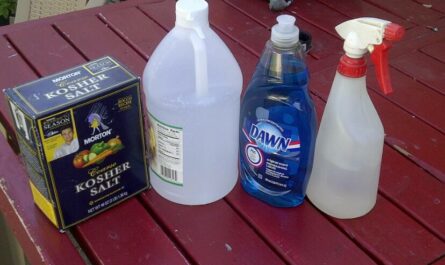
For general cleaning purposes, borax can be mixed with water and vinegar to create an all-purpose cleaner that effectively eliminates odors while disinfecting surfaces.
Mix 2 tablespoons of Borax with a spray bottle filled with water to create an effective all-purpose cleaner for countertops, sinks, and surfaces. This solution will help remove dirt, grime, and grease, leaving your surfaces sparkling clean.
Additionally, when combined with vinegar, baking soda, or essential oils, it becomes a potent agent for tackling tough grease on stovetops or ovens. These DIY cleaners can be used for windows, floors, countertops, and more.
2. Weed control
Borax powder can be used for controlling weeds in gardens and outdoor spaces. Sprinkling a small amount of borax at the base of weeds can help control their growth without harming surrounding plants.
It works by disrupting the weed’s cellular structure, effectively inhibiting its growth. However, it’s important to use caution as excessive use can harm nearby vegetation due to borax’s herbicidal properties.
Weed control using borax is an eco-friendly alternative to chemical herbicides and can be particularly effective for controlling persistent and invasive weed species like dandelions or crabgrass.
3. Laundry booster
Moving on from weed control, borax powder also serves as an effective laundry booster. It helps to brighten and whiten clothes, remove stains, and deodorize fabrics. Simply add a half cup of borax to each load along with your regular detergent for cleaner and fresher laundry.
Its gentle yet powerful cleaning properties make it an excellent addition to your laundry routine, especially for tough stains and odors.
When mixed with water, borax creates a solution that can break down grease and dirt while improving the effectiveness of your laundry detergent. Additionally, it softens hard water to enhance the cleaning process.
4. Carpet Cleaner
Sprinkle borax powder on your carpets, let it sit for a while, and then vacuum it up. Borax helps remove odors and freshen up your carpets efficiently.
It works by neutralizing and eliminating odor-causing bacteria, leaving your carpets smelling clean and pleasant. Additionally, borax can help lift stains from your carpets when combined with water and gently scrubbed into the affected area.
5. Toilet Bowl Cleaner
Sprinkle borax powder in your toilet bowl, let it sit for a few minutes, and then scrub and flush. It helps remove stains and mineral deposits, leaving your toilet clean and fresh.
The mild abrasive properties of borax help scrub away grime and buildup, while its alkaline nature helps break down tough stains. With regular use, borax can keep your toilet bowl looking pristine.
6. Dishwasher Cleaner
To clean and deodorize your dishwasher, sprinkle some borax in the bottom of the machine, then run a regular cycle. This helps remove buildup, eliminate odors, and keep your dishwasher in top condition.
Borax works by breaking down food particles and residue, preventing them from clogging the dishwasher’s components. It also helps remove stains and leaves your dishes sparkling clean.
7. Pest Control
Borax is an effective and natural solution for controlling pests such as ants, cockroaches, and silverfish. Sprinkle borax along their trails or infested areas to deter them.
The powder damages their exoskeleton, leading to dehydration and eventual elimination. Borax is particularly effective against ants, disrupting their scent trails and preventing them from returning. It is a safer alternative to chemical pesticides, especially in homes with children and pets.
8. Ant Repellent
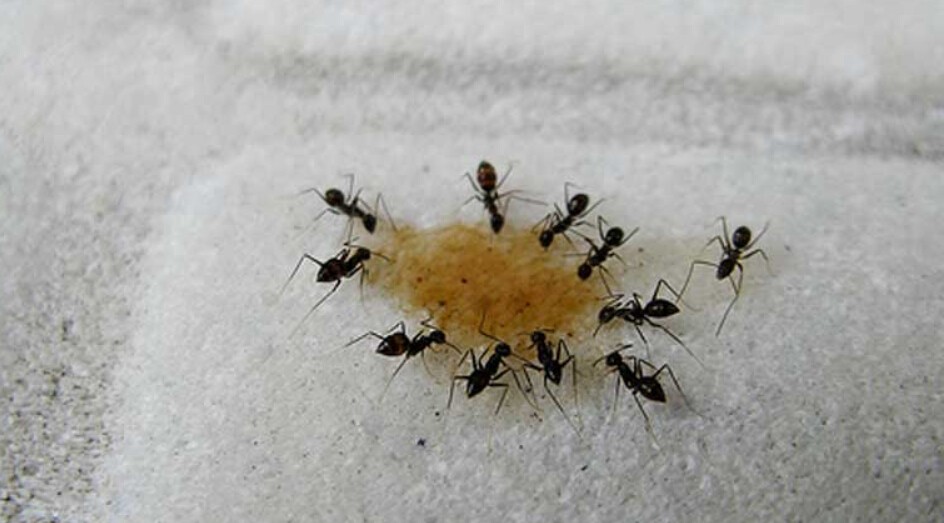
Create a homemade ant repellent by mixing equal parts of borax and sugar. Place small amounts of this mixture near ant trails or entry points to discourage ants from entering your home.
The sugar attracts the ants, while the borax acts as a toxin when ingested, eventually eradicating the colony. It is important to keep these baits out of reach of children and pets.
9. Grout Cleaner
Make a paste using borax powder and water, apply it to grout lines, and scrub with a toothbrush. Borax helps remove dirt, grime, and mildew, restoring the cleanliness of your grout.
Its gentle abrasive nature helps lift stains and residue from the porous surface of the grout. After scrubbing, rinse thoroughly to remove any remaining borax residue.
10. Rust Remover
Mix the borax powder with lemon juice or vinegar to create a paste. Apply it to rusted surfaces, let it sit for a while, and then scrub it with a brush.
Borax helps remove rust and restore the shine of metal objects. Its mild acidic properties, combined with its abrasive nature, work together to break down rust and corrosion. Rinse the object thoroughly after cleaning to remove any residual borax.
11. Fire Retardant
Borax can be used as a fire retardant for certain materials. Spray a borax-water solution on fabrics, carpets, or other flammable materials to reduce their flammability.
Borax works by creating a protective layer on the surface of the material, inhibiting the spread of flames. It is important to note that while borax can act as a fire retardant, it is not a substitute for proper fire safety precautions.
12. Freshen Up Mattresses
Sprinkle borax on your mattress, let it sit for a few hours, and then vacuum it up. Borax helps eliminate odors and freshen up your mattress.
It works by neutralizing and absorbing odors, leaving your mattress smelling clean and refreshed. This is especially useful for removing musty or stale odors from mattresses that have been in storage or are due for a refresh.
13. Unclog Drains
Mix the borax powder with boiling water and pour it down clogged drains. Let it sit for some time, then flush it with hot water.
Borax helps break down organic matter and clear clogs. Its alkaline properties help dissolve grease, hair, and other debris that can accumulate in drains. Regular use of borax can help prevent clogs and keep your drains flowing freely.
14. Silver Polish
Create a paste using borax powder and water, apply it to tarnished silverware, and rub gently. Rinse with water and polish with a soft cloth.
Borax helps remove tarnish and restore the shine of silver items. Its gentle abrasive nature helps lift tarnish without scratching the surface of the silver. Regular use of borax can help keep your silverware looking bright and beautiful.
15. Fruit and Veggie Wash
Add a teaspoon of borax to a bowl of water and use it to wash your fruits and vegetables. Rinse thoroughly afterward to remove any residue.
Borax helps remove dirt, pesticides, and bacteria from production. Its mild nature makes it safe to use on most fruits and vegetables, but it is always recommended to rinse them thoroughly after washing.
16. Slime Making
Borax is a key ingredient in homemade slime recipes. It acts as a cross-linking agent, helping to create the desired slime texture.
However, it’s essential to supervise children during slime-making activities and ensure they wash their hands thoroughly afterward. Borax should be used in moderation and according to the instructions of the slime recipe to maintain safety.
Is Borax Safe or Toxic? Borax Side Effects
While Borax is a naturally occurring substance, it can be toxic if ingested in large amounts or used improperly. Here are some considerations regarding the safety of Borax:
1. Toxicity concerns
Borax can pose health risks if ingested or inhaled, particularly for children and pets. Ingestion of large amounts can cause nausea, vomiting, and abdominal pain. Furthermore, prolonged exposure to borax dust may irritate the eyes, skin, and respiratory system.
Consequently, it’s essential to handle and store borax powder carefully to prevent accidental ingestion or inhalation.
To minimize the risk of toxicity from borax powder, always keep it out of reach of children and pets. When using it for cleaning purposes or other applications, ensure adequate ventilation to reduce the risk of inhaling dust particles.
2. Ingestion
Borax should not be ingested, especially by children or pets. Swallowing a significant amount of Borax can cause stomach upset, nausea, vomiting, and diarrhea.
In extreme cases, it can lead to more severe symptoms. It is essential to keep Borax out of reach of children and use it in a controlled manner.
3. Inhalation
Breathing in Borax powder or its fumes should be avoided. It can irritate the respiratory system and cause coughing, shortness of breath, and throat irritation. When using Borax as a cleaning agent or for other purposes, it’s advisable to work in a well-ventilated area or wear a mask to minimize inhalation.
4. Skin Sensitivity
Some individuals may experience skin irritation or allergic reactions when in direct contact with Borax. It is recommended to wear gloves when handling Borax to protect the skin, especially for those with sensitive skin or existing skin conditions.
5. Eye Irritation
Borax can cause eye irritation if it comes into contact with the eyes. If this happens, rinse the eyes thoroughly with water and seek medical attention if the irritation persists.
It’s important to note that the potential risks associated with Borax primarily arise from misuse or exposure to large quantities.
Following the instructions on the packaging and using Borax in recommended amounts and appropriate circumstances can minimize the risk of adverse effects.
Safety Precautions and Proper Use of Borax
Handle and store borax powder safely by keeping it out of reach of children and pets. Follow guidelines for ingestion and skin contact to minimize potential risks.
1. How to safely handle and store
Safely handling and storing Borax powder is essential for preventing accidents. When using it, wear gloves and a mask to avoid skin contact and inhalation. Keep the powder in a sealed container out of reach of children and pets.
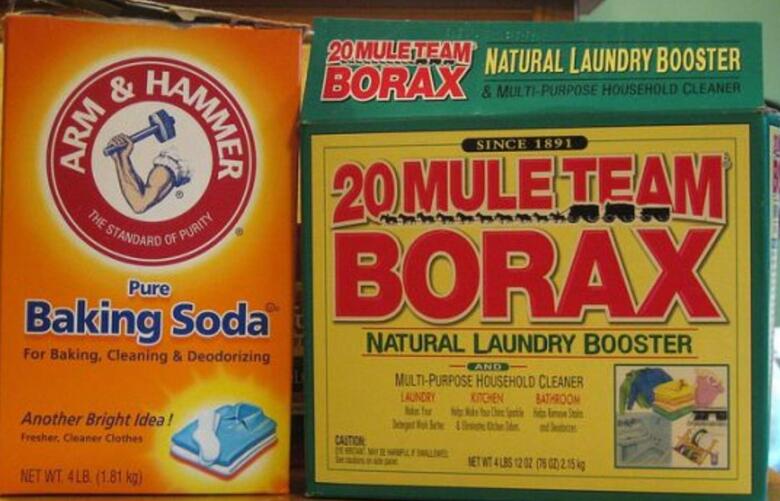
Store Borax powder away from food items to prevent accidental ingestion. Properly labeled containers help differentiate Borax from other similar-looking substances around the house, minimizing the risk of confusion or misuse.
Always ensure adequate ventilation when using Borax for cleaning purposes to avoid prolonged exposure to its dust particles.
2. Guidelines for ingestion and skin contact
When handling borax, avoid ingestion and direct skin contact. If accidentally ingested, seek medical attention immediately. In case of skin contact, wash the affected area with water and soap thoroughly.
Keep borax away from food and drinks to prevent accidental consumption.
For ingestion or skin exposure, call poison control or a healthcare professional for advice. Use appropriate protective gear such as gloves when using borax for cleaning purposes. Be cautious when mixing it with other substances to prevent harmful reactions.
3. Where can I buy Borax powder?
Borax powder can be found in most grocery stores, pharmacies, and hardware stores. It is also available for purchase online.
Conclusion
In conclusion, borax powder is a versatile household product. Its uses range from cleaning and pest control to boosting laundry. Despite its benefits, caution is necessary due to potential toxicity risks. By following safety guidelines, borax can be used effectively and safely in various applications.