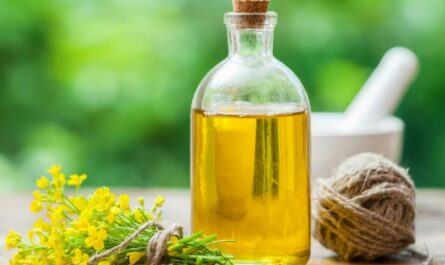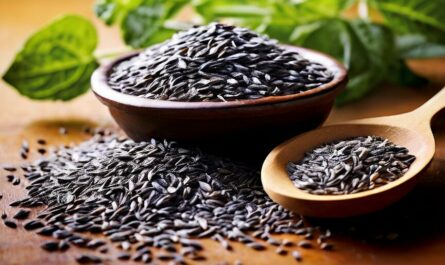
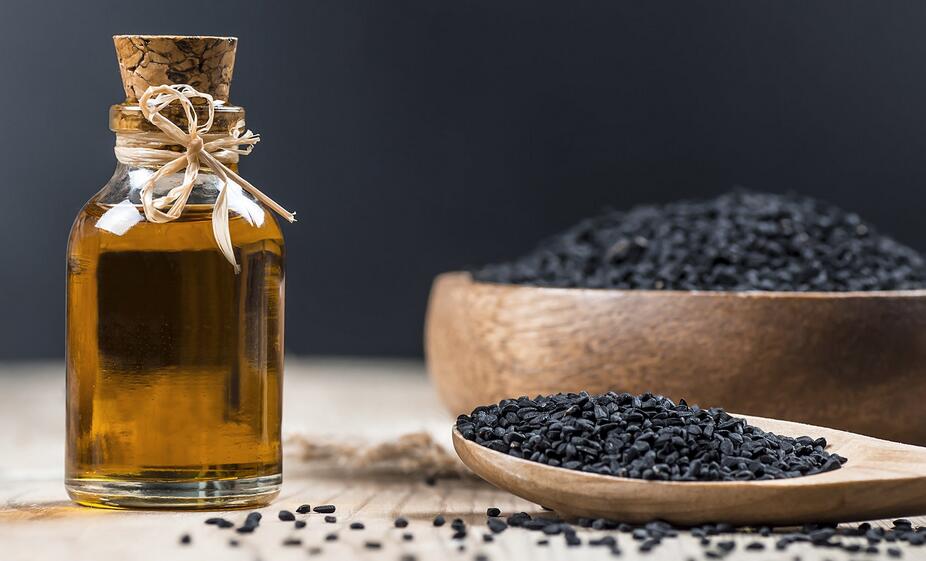
Black seed oil, which comes from the tiny black seeds of the Nigella sativa plant, has been used to improve health and well-being for over 2000 years. It is also known as black cumin or black caraway. These nutrient-rich seeds have long been prized around the world for their ability to support respiratory, digestive, heart, liver, and immune health. Modern scientific research has shown that black seed oil is responsible for most of their health benefits. This article will discuss 18 science-backed health benefits of black seed oil.
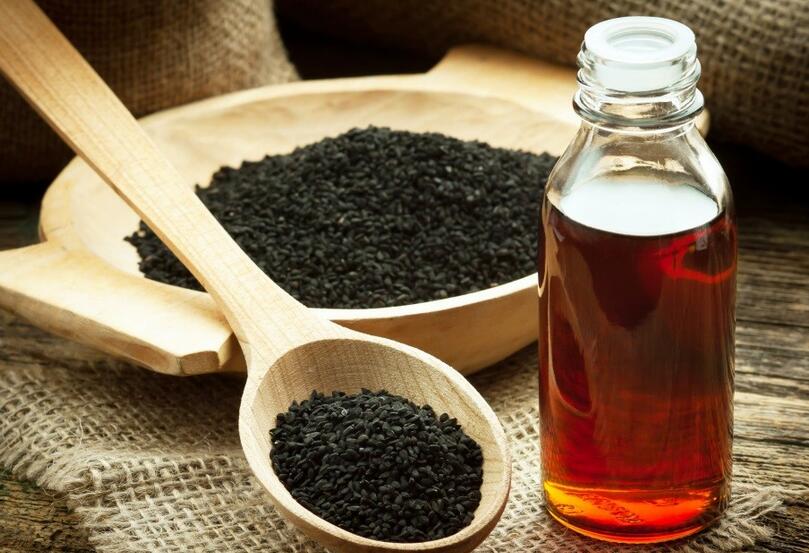
18 Science-Backed Health Benefits of Black Seed Oil
1. Helps Prevent Cancer
Multiple studies have shown that thymoquinone, the main bioactive compound in black seed oil, can suppress the growth and spread of tumors. It seems to be particularly effective against blood, liver, colon, breast, cervix, prostate, and skin cancers.
For example, one study treated mice with thyroid cancer by giving them thymoquinone. It was found to significantly inhibit cancer cell proliferation after only 2 weeks. After 4 weeks, thymoquinone induced apoptosis – the self-destruction of cancer cells.
The thymoquinone in black seed oil is thought to prevent and treat cancer through its powerful antioxidant effects. It helps prevent cell damage from free radicals while protecting healthy cells.
2. Eases Inflammation and Related Conditions
Thanks to its potent anti-inflammatory effects, black seed oil has been shown in multiple studies to be beneficial against inflammatory and autoimmune conditions. These include arthritis, asthma, allergies, IBS, Crohn’s disease, and multiple sclerosis.
In one randomized controlled trial of people with rheumatoid arthritis, taking black seed oil capsules twice daily for one month reduced arthritis symptoms by an incredible 90% after just 2 weeks. Morning stiffness, joint swelling, and the number of tender joints all improved compared to placebo.
3. Improves Liver Health
Your liver processes nutrients and filters toxins from your blood. Multiple studies have shown that black seed oil protects the liver against damage while stimulating rapid regeneration and healing.
In one trial, 144 people with hepatitis C were given either black seed oil or a placebo every day for 3 months. Liver function improved significantly more in the black seed oil group compared to placebo. Symptoms like fatigue, jaundice, nausea, and abdominal pain also improved.
The thymoquinone in black seeds is thought to protect the liver through its powerful antioxidant and anti-inflammatory effects while also stimulating tissue regeneration.
4. Lowers Cholesterol and Triglycerides
Elevated cholesterol, especially LDL (bad) cholesterol, is a major risk factor for heart disease. Multiple studies have found black seed oil effective at lowering LDL and total cholesterol while raising HDL (good) cholesterol.
For example, in one trial of 88 overweight or obese women, 2 grams of black seed oil per day for 8 weeks lowered LDL by 27% and triglycerides by 23% compared to placebo. Similar results have been seen in patients with normal cholesterol levels. This shows black seed oil benefits both normal and abnormal lipid profiles.
5. Reduces Blood Pressure
Research shows black seed oil can significantly reduce blood pressure in people with mild hypertension, which is defined as a systolic pressure between 140-159 mmHg and a diastolic less than 99 mmHg.
In one study, 70 adults with mild hypertension took 2 grams of black seed oil or a placebo daily for 12 weeks. By the end, black seed oil had reduced systolic blood pressure by an average of 11 points and diastolic by 7 points, compared to only slight reductions in the placebo group.
6. Improves Skin Health
The antioxidant and antimicrobial properties of black seed oil make it useful for improving many inflammatory skin conditions. Applying it topically may help relieve eczema, acne, psoriasis, and rosacea.
One study found that applying a gel containing 10% black seed oil significantly reduced redness, thickness, inflammation, and itching in people with plaque psoriasis after just 8 weeks.
In another study, applying a 2% black seed cream for 2 months significantly improved acne in college students compared to a placebo cream.
7. Supports Weight Loss
Black seed oil shows promise as a weight loss aid. Its blood sugar and cholesterol-lowering effects, combined with potent antioxidant and anti-inflammatory abilities, make it useful for managing obesity.
Human studies have also shown black seed oil to reduce appetite and promote weight loss. In one trial, 80 obese women took either 3 grams of black seed oil or a placebo every day for 3 months without changing their diet or physical activity. By the end, the black seed oil group lost significantly more weight and body fat compared to placebo.
8. Boosts Male Fertility
Of all the superfood oils, black seed oil may be one of the most promising for improving male reproductive health. Studies have shown it can boost semen quality and fertility in infertile men.
In one study, giving 2.5 ml black seed oil to infertile men twice daily for 2 months increased sperm count from 8 million cells/ml to 53 million/ml – a staggering 250% increase! Sperm motility and semen volume also improved significantly.
These fertility benefits are thought to come from thymoquinone, which has been found in animal studies to increase testosterone levels and improve sperm health parameters.
9. Helps Prevent Diabetes
Black seed oil shows major promise for preventing and managing both type 1 and type 2 diabetes. Its blood sugar-lowering effects combined with its antioxidant, anti-inflammatory, and immunomodulatory abilities offer multi-target benefits.
Human studies have shown black seed oil to improve insulin sensitivity and blood sugar control while also reducing hemoglobin A1C percentages in patients with diabetes. One study found it worked just as well as a common diabetes drug at controlling fasting blood sugars.
10. Protects Brain Health
Thymoquinone shows neuroprotective potential, meaning it may help protect the brain against neurodegenerative disorders like Alzheimer’s and Parkinson’s. It also holds promise for improving age-related memory loss and cognitive decline.
Part of this relates to its anti-inflammatory and antioxidant abilities, which help support overall brain health. However, studies also show thymoquinone can reduce the formation of plaques implicated in Alzheimer’s while protecting neurons from damage.
11. Improves Digestion
If you struggle with digestive issues like gas, bloating, cramping or irregularity, black seed oil may provide relief. Its antispasmodic and antibacterial properties can help relax digestive muscles while fighting gut infections.
One study gave 57 people with H. pylori infections either triple therapy medication or 2 grams of black seed oil three times a day for 4 weeks. Black seed oil worked just as well as the medication at eradicating H. pylori infections.
Black seed oil has also been shown just as effective as a common acid-reducer medication for improving reflux symptoms like heartburn when taken twice daily.
12. Boosts Immunity
Black seed oil has powerful immunomodulatory effects, meaning it can balance immune function. It’s been shown to both stimulate underactive immune systems while calming overactive ones.
Human research has confirmed black seed oil’s ability to improve immunity in the elderly while regulating immune function in autoimmune conditions like allergies and asthma. This may relate to its ability to influence cytokine production and lymphocytes.
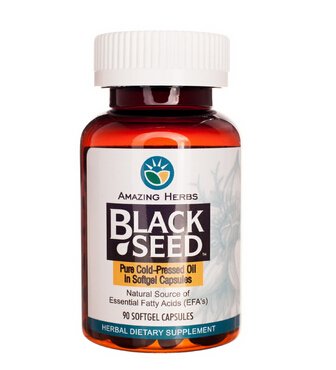
13. Promotes Kidney Health
Early research suggests black seed oil may offer protective effects for kidney health. Animal studies have shown black seed extract can reduce kidney damage and may help treat certain kidney diseases.
Part of this relates to the antioxidant effects of thymoquinone, which help prevent toxicity and tissue damage while lowering inflammation. More research is still needed, but these findings are promising.
14. Alleviates Allergy Symptoms
With potent antihistamine properties, black seed oil has been shown to relieve seasonal allergy symptoms like sneezing, itchy eyes, congestion, and asthma attacks. Multiple studies confirm its ability to control coughing, improve lung function, and manage asthma.
In one trial of 80 people with asthma, taking 500 mg black seed oil capsules twice daily for 4 weeks significantly improved asthma control while reducing day and night symptoms. Similar benefits have been seen for allergic rhinitis.
15. Heals Skin Infections & Wounds
Applying black seed oil topically can help speed the healing of skin wounds and infections thanks to its antimicrobial, anti-inflammatory, and antioxidant compounds.
One study treated diabetic rats with wounds by applying black seed oil or a control cream twice daily for 28 days. Black seed oil resulted in faster wound closure and better remodeling compared to the control cream.
In another trial, a combination of honey and black seed oil healed skin abscesses and suppressed infection better than standard antibiotics.
16. Protects Against Damage from Radiation Therapy
An exciting area of research is using thymoquinone from black seeds to protect against radiation damage during cancer treatments. Studies indicate it can protect healthy tissues from radiation-induced damage.
One study pretreated rats with thymoquinone for 5 days before exposing them to gamma radiation. The thymoquinone protected lymphocytes, antioxidants, tissues, and vital organs from radiation-induced damage. More research is forthcoming.
17. Relieves Opiate Withdrawal
The opioid addiction crisis affects millions worldwide. Early research shows that thymoquinone in black seed oil binds to the same brain receptors as opioids. This may help ease withdrawal symptoms when someone stops taking opiates.
One study gave 40 people with opioid dependence either a medication used to treat addiction or black seed oil capsules. After 3 months, black seed oil worked just as well at reducing withdrawal symptoms and lowering relapse rates as the addiction medication.
More research is still needed, but these early findings suggest black seed oil may be useful as a supplemental treatment for supporting people through opiate withdrawal.
18. Anti-Aging and Longevity
From antioxidant and anti-inflammatory activities to enhancing immunity and protecting cells, black seed oil seems to influence many biological pathways related to aging.
While research is still early, thymoquinone shows promise as an anti-aging and longevity agent. Animal studies indicate it can extend lifespan while protecting organs from age-related damage.
One study gave older mice thymoquinone for 7 months. Not only did their lifespan increase by over 30%, but their liver and kidney function improved compared to controls.
How to Use Black Seed Oil Safely?
Here are some tips for using black seed oil safely:
- Start with small doses: Begin with 1 teaspoon per day to assess tolerance, gradually increasing up to 1-2 tablespoons per day for therapeutic effects. Doses in studies ranged from 1-3 grams daily for 2-3 months.
- Dilute the taste: Black seed oil has a very strong, bitter taste. Consider mixing it with honey, lemon juice, or smoothies to improve palatability.
- Conduct a skin patch test: Apply a small amount to your arm and wait 24-48 hours before broader topical use to check for allergic reaction. Avoid mucous membranes.
- Monitor for side effects: Discontinue use if you experience digestive upset, allergic reactions, or other adverse effects. Seek emergency care for serious reactions.
- Avoid during pregnancy/breastfeeding: More safety research is needed before use for pregnant or breastfeeding women.
- Stop 2 weeks before surgery: Black seed oil may increase bleeding risk so discontinue use at least 2 weeks before any scheduled surgeries.
- Check for interactions: Consult your doctor before using black seed oil alongside medications like blood thinners or diabetes drugs due to potential interactions.
Possible Side Effects of Black Seed Oil
Some potential side effects of black seed oil include:
- Toxicity: A component called melanin may be toxic in larger amounts[1].
- Allergic reactions: Black seed oil can cause allergic rashes or skin blisters when applied topically for some people.
- Bleeding risk: Black seed oil may slow blood clotting and increase bleeding risk, so it should be avoided by people with bleeding disorders or before surgery.
- Kidney problems: There is one case report of a woman developing acute kidney failure after taking high doses of black seed capsules, though this effect hasn’t been seen in other studies.
- Digestive issues: Minor side effects like nausea, bloating, diarrhea, and constipation have been reported with oral black seed oil use.
So in summary, possible side effects seem to be uncommon. Using small amounts for cooking is likely safe, but therapeutic doses should be monitored by a healthcare provider. People with bleeding issues, kidney disease, or on medications should exert caution with black seed oil.