Canola oil is one of the most widely used cooking oils in the world, known for its versatility and mild flavor. However, it has also been the subject of much debate among health-conscious individuals. Some claim that canola oil is a heart-healthy option due to its low saturated fat content and high levels of omega-3 fatty acids.
On the other hand, there are concerns about its high omega-6 fatty acid content and the potential negative effects of processing methods. In this article, we will discuss Is canola oil good or bad for you. We will also examine its nutritional profile, potential health benefits, and possible drawbacks.
What is Canola Oil?
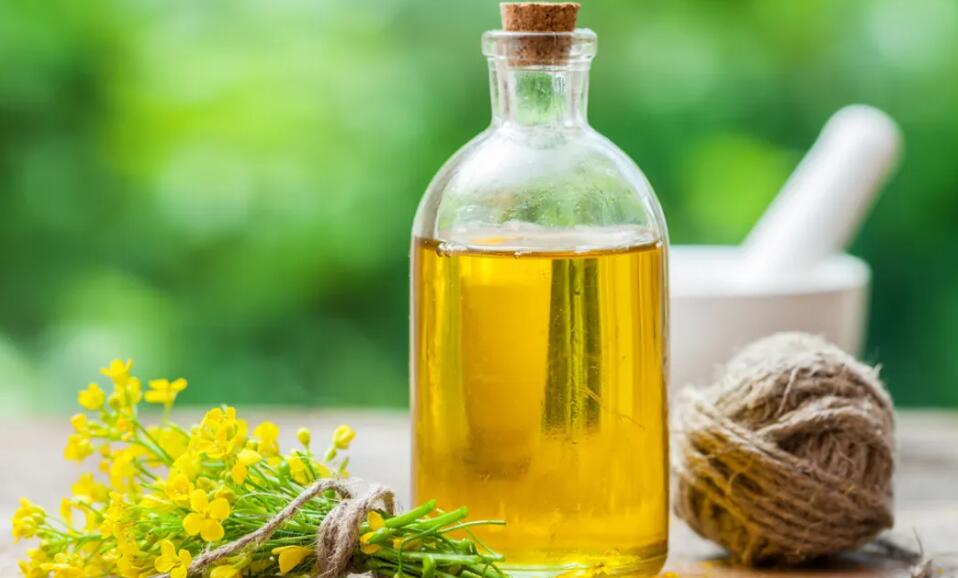
Canola oil is a type of vegetable oil that is derived from the seeds of the canola plant, which is a cultivar of rapeseed. The name “canola” actually stands for “Canadian oil, low acid” as it was developed in Canada in the 1970s through the breeding of rapeseed plants.
Canola oil is known for its light texture, mild flavor, and high smoke point, making it a popular choice for cooking, baking, and frying. It has a pale yellow color and a neutral taste. This allows it to blend well with other ingredients without overpowering the flavor of the dish.
Nutritional Profile of Canola Oil
Canola oil is known for its favorable fatty acid composition, which is why it’s often promoted as a healthy cooking oil. Here’s a breakdown of the key nutrients in canola oil:
- Saturated fatty acids: 7%
- Monounsaturated fatty acids (oleic acid): 61%
- Polyunsaturated fatty acids: 32%
- Linoleic acid (omega-6): 21%
- Alpha-linolenic acid (omega-3): 11%
- Vitamin E (tocopherols): 700-1200 ppm
- Plant sterols: 0.53-0.97%
Is Canola Oil Good or Bad for You? Potential Health Benefits
1. Heart Health
Canola oil is low in saturated fat and rich in monounsaturated fats, specifically oleic acid. These healthy fats have been shown to reduce LDL (bad) cholesterol levels and increase HDL (good) cholesterol levels. By promoting a healthier cholesterol profile, canola oil may help reduce the risk of heart disease and stroke.
2. Omega-3 Fatty Acids
Canola oil is a good source of alpha-linolenic acid (ALA), a type of omega-3 fatty acid. ALA is essential for brain function and has been linked to a reduced risk of heart disease, inflammation, and certain cancers. Consuming canola oil can be a convenient way to increase your intake of these beneficial omega-3 fatty acids.
3. Antioxidant Properties
Canola oil contains vitamin E, a potent antioxidant that helps protect cells from damage caused by free radicals. Vitamin E has been associated with a lower risk of chronic diseases such as heart disease, cancer, and Alzheimer’s disease. Including canola oil in your diet can contribute to your overall antioxidant intake and support cellular health.
4. Anti-Inflammatory Effects
The omega-3 fatty acids in canola oil have been found to have anti-inflammatory properties. Chronic inflammation is linked to various health conditions, including heart disease, diabetes, and arthritis. By reducing inflammation in the body, canola oil may help lower the risk of these inflammatory diseases.
5. Weight Management
Canola oil’s low saturated fat content and high monounsaturated fat content make it a healthier option for weight management. Monounsaturated fats can help increase satiety, keeping you feeling fuller for longer and potentially reducing overall calorie intake.
Additionally, replacing saturated fats with monounsaturated fats, like those found in canola oil, has been associated with weight loss and improved body composition.
6. Blood Sugar Control
Canola oil has a low glycemic index (GI), meaning it does not cause a rapid increase in blood sugar levels. This can be beneficial for individuals with diabetes or those looking to control their blood sugar levels. Canola oil can be a suitable choice for cooking and baking for those who need to manage their blood sugar levels.
7. Skin Health
The vitamin E content in canola oil provides benefits for skin health. Vitamin E is known for its antioxidant properties, which help protect the skin from damage caused by free radicals. It can also help moisturize the skin, improve elasticity, and reduce the appearance of wrinkles and fine lines.
8. Brain Health
The omega-3 fatty acids found in canola oil, particularly docosahexaenoic acid (DHA), are crucial for brain health and cognitive function.
DHA makes up a significant portion of the brain, and adequate intake has been associated with better memory, focus, and overall brain health. Including canola oil as part of a balanced diet can contribute to optimal brain function.
9. Eye Health
Canola oil contains lutein and zeaxanthin, two antioxidants that are beneficial for eye health. These compounds have been linked to a reduced risk of age-related macular degeneration.This is a leading cause of vision loss in older adults. Regular consumption of canola oil may help support and protect your vision.
10. Anti-Cancer Properties
Some studies suggest that the omega-3 fatty acids and antioxidants found in canola oil may have anti-cancer properties.
For example, research has shown that omega-3 fatty acids may help inhibit the growth of cancer cells and reduce the risk of colon, breast, and lung cancers. However, more research is needed to fully understand the potential cancer-fighting properties of canola oil.
11. Digestive Health
Canola oil’s omega-3 fatty acids may help reduce inflammation in the digestive system and promote a healthy gut. Inflammation in the gut can contribute to digestive disorders such as inflammatory bowel disease (IBD) and irritable bowel syndrome (IBS).
Including canola oil in your diet, along with a variety of other healthy fats, can help support digestive health.
12. Nutrient Absorption
Canola oil aids in the absorption of fat-soluble vitamins, such as vitamins A, D, E, and K. These vitamins play essential roles in various bodily functions, including immune function, bone health, and blood clotting.
Consuming canola oil as part of a balanced diet can help ensure optimal absorption of these important nutrients.
Is Canola Oil Good or Bad for You? Potential Downsides
Despite its potential health benefits, canola oil has also been the subject of several controversies and concerns. Here are some of the most common criticisms:
1. Highly Processed
One of the main arguments against canola oil is that it is a highly refined and processed oil. The extraction process involves high heat, pressure, and chemical solvents like hexane.
However, it’s worth noting that most vegetable oils, including olive oil and coconut oil, also undergo some degree of processing and refinement. The key is to choose high-quality, minimally processed oils whenever possible.
2. Mostly Genetically Modified
Another concern about canola oil is that the vast majority of canola crops (over 90% in the US) are genetically modified to be resistant to herbicides like glyphosate. Some people worry about the potential health and environmental impacts of consuming GMO foods.
However, there is currently no scientific evidence that GM canola oil is any less safe or nutritious than non-GM canola oil. If you prefer to avoid GMOs, you can look for organic or non-GMO-certified canola oils.
3. May Promote Inflammation
While some studies suggest that canola oil may reduce inflammation, others have found the opposite effect, particularly in animal studies. For example, a 2017 study found that mice fed a diet high in canola oil experienced higher levels of inflammation and oxidative stress compared to mice fed a diet high in soybean oil.
The reason for these conflicting findings is unclear, but it may have to do with the balance of omega-6 to omega-3 fatty acids in canola oil.
While canola oil does contain some omega-3 ALA, it is much higher in omega-6 linoleic acid. Some research suggests that consuming too many omega-6 fats relative to omega-3s may promote inflammation in the body.
4. Erucic Acid Content
Finally, some critics have raised concerns about the erucic acid content of canola oil. While the canola plant was bred to have very low levels of erucic acid compared to rapeseed, some studies have found that commercial canola oils may still contain up to 2% erucic acid.
At high levels, erucic acid can be toxic to humans and has been linked to heart lesions and other health problems in animal studies. However, the levels found in canola oil are well below the FDA’s limit of 2% and are not considered a health risk for most people.
How to Incorporate Canola Oil into Your Diet Safely?
Incorporating canola oil into your diet safely involves considering a few key factors. Here are some tips to help you use canola oil in a healthy and balanced way:
1. Moderation
Like any other cooking oil, it’s important to use canola oil in moderation. While it offers potential health benefits, excessive consumption can still contribute to calorie intake and may lead to weight gain. Be mindful of portion sizes and use canola oil as part of a well-balanced diet.
2. Cooking Methods
Canola oil has a high smoke point, making it suitable for a variety of cooking methods, including sautéing, stir-frying, baking, and grilling. However, it’s important to avoid overheating the oil, as this can lead to the formation of harmful compounds. Use moderate heat and avoid deep-frying or prolonged high-heat cooking with canola oil.
3. Pairing with Other Fats
Canola oil can be used in combination with other healthy fats, such as olive oil or avocado oil, to diversify your fat intake. This can provide a broader range of nutrients and flavors while maintaining a balanced ratio of different types of fats.
4. Read Labels
When purchasing canola oil, read the labels carefully to ensure you are selecting a high-quality oil. Look for cold-pressed or expeller-pressed options, as these methods of extraction preserve more nutrients. Avoid oils that have been hydrogenated or partially hydrogenated, as these can contain harmful trans fats.
5. Storage
Proper storage of canola oil is essential to maintain its quality and prevent rancidity. Store it in a cool, dark place, away from direct sunlight and heat sources. Check the expiration date and discard any oil that has gone rancid or has an off smell.
6. Balanced Diet
Remember that canola oil is just one component of a healthy diet. It’s important to incorporate a variety of other nutritious foods, such as fruits, vegetables, whole grains, lean proteins, and other healthy fats. Aim for a well-rounded and diverse diet to ensure you’re getting a wide range of nutrients.
Canola Oil Alternatives
If you’re concerned about the potential risks of canola oil, there are plenty of other healthy cooking oils to choose from, such as:
1. Olive Oil
Olive oil is a popular and widely used cooking oil that offers numerous health benefits. It is rich in monounsaturated fats and has been associated with a reduced risk of heart disease. Extra virgin olive oil is particularly prized for its high antioxidant content and distinct flavor.
2. Avocado Oil
Avocado oil is another healthy alternative to canola oil. It has a high smoke point and is rich in monounsaturated fats. This can help improve heart health. Avocado oil also contains vitamin E and various antioxidants.
3. Coconut Oil
Coconut oil is a unique option due to its high saturated fat content. While it has a distinct flavor and aroma, it can be a suitable substitute for canola oil in certain recipes, particularly in baking and cooking at lower temperatures.
4. Grapeseed Oil
Grapeseed oil is extracted from the seeds of grapes and has a light, neutral flavor. It has a high smoke point, making it suitable for high-heat cooking methods like frying and sautéing. Grapeseed oil is also a good source of vitamin E and omega-6 fatty acids.
5. Sesame Oil
Sesame oil is commonly used in Asian cuisine and adds a distinctive flavor to dishes. It has a relatively high smoke point and is rich in antioxidants. Toasted sesame oil, with its nutty flavor, is often used as a finishing oil or in dressings and marinades.
6. Walnut Oil
Walnut oil has a rich, nutty flavor and is a good source of omega-3 fatty acids. It is best used as a finishing oil or in salad dressings, as its delicate flavor can be lost when exposed to high heat.
7. Sunflower Oil
Sunflower oil is a versatile option that can be used for cooking, baking, and frying. It has a high smoke point and is low in saturated fat. Choose high-oleic sunflower oil, which is higher in monounsaturated fats.
8. Peanut Oil
Peanut oil is commonly used in Asian cuisine and has a high smoke point. It has a mild flavor and can be used for frying, sautéing, and stir-frying.
The Bottom Line
So, is canola oil healthy or harmful? Based on the current evidence, the answer is likely somewhere in between. Canola oil does have some potential health benefits, particularly for heart health, thanks to its favorable fatty acid profile and cholesterol-lowering properties.
However, it’s also important to be aware of the potential downsides, including its highly processed nature, GMO content, and mixed effects on inflammation. As with any food, the key is to consume canola oil in moderation as part of a balanced, whole-foods-based diet.