Heartburn is a common digestive condition that can cause discomfort and disrupt daily life. While various factors contribute to heartburn, one significant aspect to consider is the impact of certain foods on heartburn symptoms. This article will explore the top 12 foods that are known to trigger heartburn and provide practical tips for avoiding them.
Common Causes of Heartburn
Before delving into specific foods, it’s important to have a basic understanding of heartburn and its causes. Heartburn, also known as acid reflux, occurs when stomach acid flows back into the esophagus, causing a burning sensation in the chest or throat. This happens when the lower esophageal sphincter (LES), a muscular ring that acts as a gateway between the esophagus and stomach, doesn’t close properly.
Certain foods can relax the LES or increase stomach acid production, making heartburn more likely to occur. By identifying and avoiding these trigger foods, individuals can effectively manage their heartburn symptoms and improve their overall quality of life.
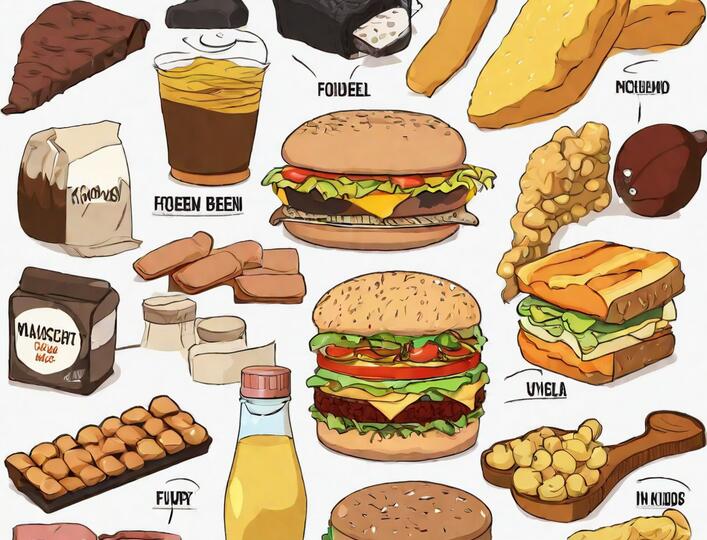
12 Foods That May Cause Heartburn
1. Citrus Fruits
Citrus fruits like oranges, grapefruits, lemons, and limes are highly acidic due to their high citric acid content. This acidity can irritate the lining of the esophagus, leading to heartburn.
Additionally, citrus fruits can weaken the lower esophageal sphincter (LES). This is responsible for preventing stomach acid from flowing back up into the esophagus.
When the LES is weakened, it becomes easier for stomach acid to reflux, causing heartburn symptoms. If you’re prone to heartburn, consider opting for low-acid alternatives like bananas, melons, or apples.
2. Spicy Foods
Spicy foods can be a major trigger for heartburn due to their active compounds, such as capsaicin. These compounds can irritate the stomach lining and relax the LES, allowing stomach acid to flow back up into the esophagus.
Additionally, spicy foods can stimulate the production of stomach acid, further contributing to acid reflux and heartburn symptoms. If you enjoy spicy flavors, try using milder spices or reducing the amount of spice in your meals to minimize the risk of heartburn.
3. High-Fat Foods
Fatty foods, especially those that are fried or greasy, can slow down the digestive process and increase the risk of heartburn. These foods can relax the LES, allowing stomach acid to flow back into the esophagus.
High-fat foods also tend to stay in the stomach for a longer period, which can prolong acid exposure and increase the likelihood of heartburn.
Common high-fat culprits include fried foods, fatty cuts of meat, full-fat dairy products, and rich desserts. You can opt for leaner options, such as grilled meats, low-fat dairy, and healthier fats like olive oil or avocado.
4. Garlic and Onions
Garlic and onions are flavorful additions to many dishes, but they can trigger heartburn in susceptible individuals. These pungent vegetables contain compounds that can relax the LES and increase the production of stomach acid, leading to acid reflux.
Raw onions are more likely to cause heartburn compared to cooked onions due to their higher levels of sulfur compounds. If you find that garlic and onions worsen your heartburn symptoms, consider using alternative herbs and spices to add flavor to your meals.
5. Chocolate
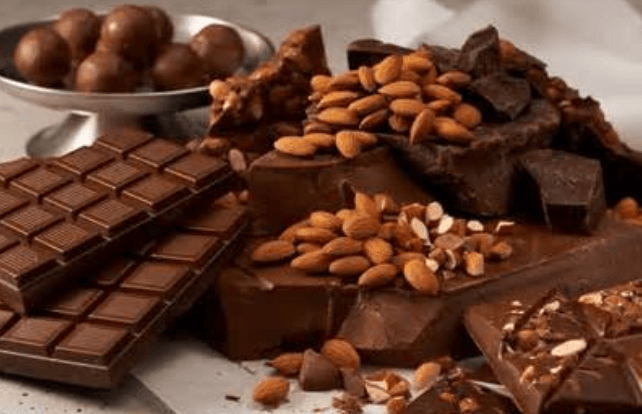
While chocolate is a beloved treat for many, it can unfortunately contribute to heartburn symptoms. Chocolate contains theobromine, a compound that can relax the LES and allow stomach acid to enter the esophagus.
Additionally, chocolate is high in fat, which can further contribute to heartburn. The type of chocolate and the amount consumed can also impact its effects on heartburn.
Dark chocolate tends to have a higher cocoa content, which can be more acidic and potentially worsen heartburn symptoms. If you’re a chocolate lover, try opting for dark chocolate with a lower cocoa content or enjoy it in moderation.
6. Mint
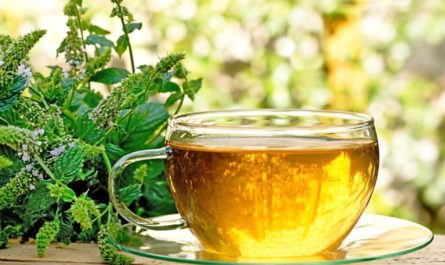
Mint, including peppermint and spearmint, is often used to soothe digestive discomfort. However, for individuals prone to heartburn, mint can relax the LES and worsen symptoms.
This relaxation of the LES can allow stomach acid to flow back up into the esophagus, triggering heartburn. Mint is commonly found in products like mint-flavored candies, chewing gum, and herbal teas.
If you’re looking for a refreshing taste, consider alternatives like ginger or chamomile. This can help soothe the digestive system without triggering heartburn.
7. Coffee and Caffeinated Beverages
Caffeine is a known trigger for heartburn as it can relax the LES and stimulate the production of stomach acid. Coffee, both regular and decaffeinated, contains acids that can irritate the stomach lining and contribute to heartburn.
Caffeinated beverages like tea, energy drinks, and some soft drinks also contain varying levels of caffeine and can have similar effects.
In addition to caffeine, certain compounds in coffee called catechols can stimulate the production of stomach acid. If you’re sensitive to caffeine, consider switching to decaffeinated versions or herbal teas as alternatives.
8. Alcohol
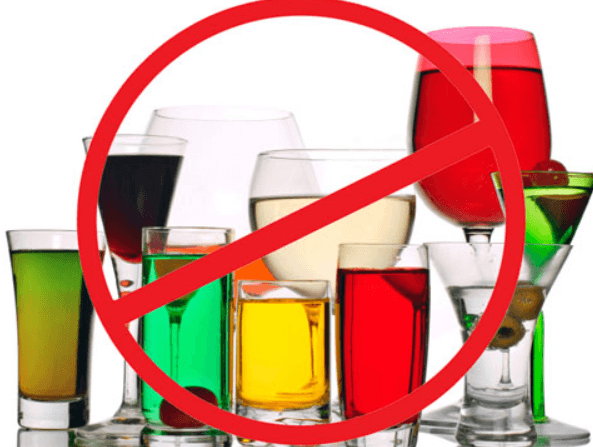
Alcohol is a common trigger for heartburn as it can relax the LES, leading to acid reflux. Certain types of alcohol, such as red wine, beer, and spirits like whiskey and vodka, are known to worsen symptoms.
Alcohol can also increase stomach acid production, further contributing to heartburn. Additionally, alcohol can impair the normal functioning of the esophagus, making it more difficult for the body to clear acid reflux.
If you enjoy alcohol but experience heartburn, consider reducing your intake or avoiding it altogether to minimize discomfort.
9. Carbonated Drinks
Carbonated beverages, including soda, sparkling water, and fizzy drinks, can introduce air into the stomach, causing bloating and increasing pressure on the LES.
The bubbles in these drinks can also contribute to acid reflux by triggering burping, which can force stomach acid up into the esophagus.
Additionally, some carbonated drinks may be acidic, further irritating the esophagus. Opting for still water, herbal tea, or non-carbonated alternatives can help reduce the risk of heartburn.
10. Fried and Fatty Foods
Fried and fatty foods are notorious triggers for heartburn. These foods can be high in fat and take longer to digest, leading to a prolonged presence in the stomach. This can increase the likelihood of acid reflux and heartburn.
Fried foods, such as French fries, fried chicken, and onion rings, are often cooked in unhealthy oils and can be high in trans fats.
These unhealthy fats can relax the LES and delay digestion, making heartburn more likely to occur. Choosing healthier cooking methods like baking, grilling, or steaming can help minimize the risk of heartburn associated with fried and fatty foods.
11. Tomatoes and Tomato-Based Products
Tomatoes and tomato-based products like tomato sauce, salsa, and ketchup are highly acidic, which can irritate the esophagus and trigger heartburn. The high acidity of tomatoes can also relax the LES, allowing stomach acid to flow back up into the esophagus.
Tomato-based products are common culprits in triggering heartburn, especially when consumed in large quantities or on an empty stomach. If you’re prone to heartburn, consider using alternative sauces or exploring homemade options using less acidic ingredients.
12. Peppermint

Peppermint, including peppermint tea and peppermint oil, is often used to ease digestive discomfort. However, for individuals with heartburn, peppermint can relax the LES and worsen symptoms.
This relaxation of the LES can allow stomach acid to flow back up into the esophagus, triggering heartburn. Peppermint is commonly found in products like mint-flavored candies, chewing gum, and herbal teas. If you’re looking for a soothing herbal tea, opt for ginger or chamomile instead.
Lifestyle Modifications to Prevent Heartburn
In addition to avoiding trigger foods, making certain lifestyle modifications can help prevent heartburn and reduce its frequency and severity.
1. Portion Control and Meal Timing
Eating large meals can put pressure on the stomach and increase the likelihood of acid reflux. Instead, try consuming smaller, more frequent meals throughout the day.
This allows the stomach to digest food more efficiently and reduces the pressure on the LES. It’s also important to avoid eating close to bedtime as lying down shortly after a meal can worsen heartburn symptoms.
2. Maintain a Healthy Weight
Excess weight, especially around the abdomen, can increase the pressure on the stomach and LES, making it easier for stomach acid to reflux into the esophagus.
Maintaining a healthy weight through a balanced diet and regular exercise can help reduce the risk of heartburn. If you’re overweight or obese, losing weight gradually can have a positive impact on your heartburn symptoms.
3. Avoid Tight-Fitting Clothing
Wearing tight-fitting clothing, particularly around the waistline, can put pressure on the stomach and LES, leading to heartburn. Opt for looser-fitting clothing that doesn’t squeeze your abdomen. This can help better digestion and reduce the risk of acid reflux.
4. Elevate the Head of Your Bed
Raising the head of your bed by 6 to 8 inches can help prevent nighttime heartburn. This elevation helps gravity keep stomach acid in the stomach, preventing it from flowing back into the esophagus while you sleep.
You can achieve this elevation by using bed risers or placing blocks under the bed’s legs. Alternatively, you can use a wedge-shaped pillow designed to elevate the upper body during sleep.
5. Quit Smoking
Smoking is not only detrimental to overall health but can also contribute to heartburn. Smoking weakens the LES and impairs the normal functioning of the esophagus, making it easier for stomach acid to reflux. Quitting smoking can improve your overall digestive health and reduce the frequency and severity of heartburn.
6. Manage Stress
Stress and anxiety can impact digestion and increase the production of stomach acid, making heartburn more likely to occur. Incorporating stress management techniques into your daily routine, such as regular exercise, meditation, or engaging in activities you enjoy, can help reduce the risk of heartburn related to stress.
7. Practice Good Posture
Maintaining good posture while eating and throughout the day can help prevent heartburn. Sitting upright with proper alignment allows the stomach to remain in its natural position, reducing the pressure on the LES. Avoid slouching or lying down immediately after meals, as this can increase the likelihood of acid reflux.
8. Stay Hydrated with Water
Drinking plenty of water throughout the day can promote proper digestion and help prevent heartburn. Water helps dilute stomach acid and aids in the movement of food through the digestive system.
It’s important to note that while water can be beneficial, consuming large amounts of any liquid during meals can increase the pressure on the stomach and contribute to heartburn.
9. Avoid Triggering Activities
Certain activities can exacerbate heartburn symptoms. Bending over, lifting heavy objects, or engaging in strenuous exercise immediately after eating can increase the risk of acid reflux. Try to avoid these activities for at least a couple of hours after meals to allow for proper digestion.
10. Sleep on Your Left Side
Sleeping on your left side can help prevent nighttime heartburn. This position keeps the junction between the stomach and esophagus above the level of stomach acid. This makes it more difficult for acid to flow back into the esophagus. If you’re prone to heartburn at night, try sleeping on your left side to reduce symptoms.
When to See a Doctor?
While occasional heartburn is common and can typically be managed through dietary changes and lifestyle modifications, it is important to know when to seek medical advice.
If you experience frequent or severe heartburn, have difficulty swallowing, or notice unintended weight loss, it’s crucial to consult with a healthcare professional to rule out any underlying conditions and receive appropriate treatment.
FAQs
1. Can I still enjoy my favorite foods if I have heartburn?
Yes, you can still enjoy your favorite foods by making small modifications. For example, if you love spicy foods, try reducing the spice level or incorporating milder alternatives. It’s all about finding a balance that works for you.
2. How long should I wait after eating before lying down to prevent heartburn?
It is generally recommended to wait at least 2-3 hours after eating before lying down to allow the food to digest properly. This can help minimize the risk of acid reflux and heartburn.
3. Are there any foods that can help alleviate heartburn symptoms?
Certain foods, such as ginger, chamomile, and oatmeal, are known for their soothing properties and may help alleviate heartburn symptoms. However, it’s important to remember that individual reactions to foods can vary, so it’s best to listen to your body and see what works for you.
4. Can stress contribute to heartburn?
Yes, stress can contribute to heartburn symptoms. Stress can affect digestion and increase the production of stomach acid, making heartburn more likely to occur. Incorporating stress management techniques, such as exercise, meditation, or deep breathing, can help reduce the risk of heartburn.
5. Is it necessary to completely eliminate trigger foods from my diet?
Eliminating trigger foods completely from your diet is not always necessary. In most cases, moderation and finding the right balance can allow you to enjoy your favorite foods without experiencing severe heartburn symptoms. However, if you notice that certain foods consistently worsen your symptoms, it may be best to avoid them.