Are you looking for a simple, affordable, and effective way to enhance your overall well-being? Look no further than your kitchen cupboard! Baking soda, a humble household staple, can work wonders when added to your bathwater. From soothing skin irritations to promoting relaxation, a baking soda bath offers a wide array of health benefits. In this article, we’ll explore 16 amazing health benefits of baking soda baths and how to prepare the perfect baking soda bath.
What is a Baking Soda Bath?
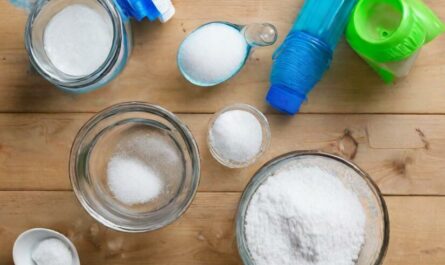
A baking soda bath is a warm bath in which you add a cup or two of baking soda to the water. The ideal water temperature for a baking soda bath is around 92-100°F (33-37°C), and the recommended duration is 15-30 minutes.
To prepare a baking soda bath, simply fill your tub with warm water and add 1-2 cups of pure, high-quality baking soda. Stir the water to ensure the baking soda is fully dissolved, then soak in the bath for the desired time. You can adjust the amount of baking soda used based on your personal preference and the size of your bathtub.
How Baking Soda Baths Work
Baking soda, also known as sodium bicarbonate, has alkalizing properties that can help balance the body’s pH levels. When added to bathwater, baking soda interacts with the skin and body, offering numerous health benefits.
The alkalizing effect of baking soda can help neutralize acids in the body, while its mild antiseptic properties can soothe skin irritations and promote healing. Additionally, the warm water of the bath helps to relax muscles, improve circulation, and promote a sense of overall well-being.

16 Amazing Health Benefits of Baking Soda Baths
1. Relieves Skin Irritation and Itching
Baking soda has soothing properties that can help alleviate skin irritation and itching caused by conditions like eczema and psoriasis. Its anti-inflammatory effects can reduce redness and swelling, while its ability to balance pH levels can help prevent further irritation.
A study published in the Journal of the American Academy of Dermatology found that baking soda baths can significantly reduce itching and irritation in patients with psoriasis.
To maximize the skin-soothing benefits of a baking soda bath, consider adding a few drops of essential oils like lavender or chamomile, which are known for their calming and anti-inflammatory properties. After your bath, be sure to moisturize your skin with a gentle, fragrance-free lotion to help lock in hydration and prevent further irritation.
2. Detoxifies the Body
Baking soda baths can help detoxify the body by neutralizing toxins and heavy metals. The warm water of the bath opens up the pores, allowing the skin to absorb the baking soda and draw out impurities.
This process can help support the body’s natural detoxification processes, promoting overall health and well-being. A 2018 study published in the Journal of Human Nutrition and Dietetics highlighted the potential of baking soda to neutralize toxins and support detoxification.
To enhance the detoxifying effects of a baking soda bath, consider drinking plenty of water before and after your bath to help flush toxins from your system. You can also add a few drops of detoxifying essential oils like lemon or grapefruit to your bathwater for an added boost.
3. Promotes Relaxation and Stress Relief
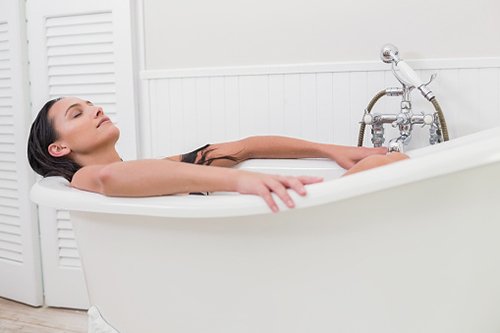
Soaking in a warm baking soda bath can be incredibly relaxing and help relieve stress. The warm water helps to soothe tense muscles and promote a sense of calm, while the baking soda can enhance the relaxing properties of the bath. Stress relief is crucial for maintaining good mental health, and regular baking soda baths can be an effective way to unwind and de-stress.
To create a truly relaxing experience, consider setting the mood with soft lighting, calming music, and a few drops of lavender essential oil in your bathwater. You can also practice deep breathing or meditation while soaking in your baking soda bath to further promote relaxation and stress relief.
4. Relieves Muscle Pain and Soreness
Baking soda baths can be beneficial for relieving muscle pain and soreness, particularly after exercise or physical activity. The alkalizing properties of baking soda can help reduce lactic acid buildup in the muscles, which is often responsible for muscle soreness.
A 2013 study published in the Journal of the International Society of Sports Nutrition found that baking soda supplementation can improve exercise performance and delay fatigue.
To maximize the muscle-soothing benefits of a baking soda bath, consider adding Epsom salts to your bathwater as well. Epsom salts are rich in magnesium, which can help to relax tense muscles and promote recovery after exercise. Aim to soak in your baking soda and Epsom salt bath for at least 20 minutes to allow your muscles time to fully relax and absorb the beneficial minerals.
5. Softens and Smoothes Skin
The gentle exfoliating properties of baking soda can help soften and smooth the skin. As you soak in a baking soda bath, the baking soda gently removes dead skin cells, leaving your skin feeling soft, smooth, and rejuvenated.
Soft, supple skin not only looks and feels better but is also more resilient and better able to maintain its protective barrier function.
To enhance the skin-softening effects of a baking soda bath, consider adding a few tablespoons of coconut oil or almond oil to your bathwater. These natural oils can help to nourish and moisturize your skin, leaving it feeling even softer and smoother after your bath.
6. Balances Skin pH Levels
Maintaining a balanced skin pH is essential for healthy, radiant skin. Baking soda baths can help regulate skin pH levels, preventing them from becoming too acidic or alkaline. When skin pH is balanced, it is better able to maintain its natural moisture barrier and prevent the growth of harmful bacteria.
To help maintain balanced skin pH levels between baking soda baths, consider using a gentle, pH-balanced cleanser and moisturizer in your daily skincare routine. Look for products that are free from harsh chemicals and fragrances, which can disrupt the skin’s natural pH balance.

7. Soothes Sunburns and Insect Bites
The anti-inflammatory and soothing properties of baking soda can provide relief from the pain and discomfort of sunburns and insect bites. Soaking in a baking soda bath can help reduce inflammation, redness, and itching associated with these conditions. For additional relief, you can also create a paste by mixing baking soda with a small amount of water and applying it directly to the affected areas.
To further soothe sunburns and insect bites, consider adding a few drops of peppermint or tea tree essential oil to your baking soda bath. These oils have cooling and anti-inflammatory properties that can help to reduce discomfort and promote healing.
8. Helps with Yeast Infections and UTIs
Baking soda’s antifungal and antibacterial properties can be beneficial in managing symptoms of yeast infections and urinary tract infections (UTIs).
Soaking in a baking soda bath can help alleviate itching, burning, and discomfort associated with these conditions. However, it is essential to consult with a healthcare professional if symptoms persist or worsen, as additional medical treatment may be necessary.
To maximize the benefits of a baking soda bath for yeast infections and UTIs, consider adding a few drops of tea tree oil to your bathwater.
Tea tree oil has powerful antifungal and antibacterial properties that can help combat the underlying causes of these infections. Be sure to dilute the tea tree oil properly and avoid using it if you have sensitive skin or allergies.
9. Reduces Body Odor
The odor-neutralizing properties of baking soda can help combat body odor. Soaking in a baking soda bath can help eliminate unpleasant odors and leave your skin feeling fresh and clean. For best results, combine regular baking soda baths with other personal hygiene practices, such as using natural deodorants and maintaining a healthy diet.
To further reduce body odor, consider adding a few drops of lemon or tea tree essential oil to your baking soda bath. These oils have natural deodorizing properties that can help to neutralize odors and leave your skin smelling fresh and clean.
10. Improves Skin Conditions like Acne and Rashes
Baking soda’s anti-inflammatory and antibacterial properties can be beneficial in managing skin conditions like acne and rashes. Soaking in a baking soda bath can help soothe inflammation, reduce redness, and promote healing.
To enhance the skin-healing benefits of a baking soda bath, consider adding a few drops of tea tree or lavender essential oil to your bathwater.
These oils have natural antibacterial and anti-inflammatory properties that can help to combat acne and soothe irritated skin. Be sure to moisturize your skin after your bath to help lock in hydration and prevent further irritation.
11. Enhances Magnesium Absorption
Magnesium is an essential mineral that plays a crucial role in numerous bodily functions, including muscle and nerve function, energy production, and bone health.
Baking soda baths can enhance the absorption of magnesium through the skin, helping to maintain adequate levels of this important mineral in the body.
To maximize the magnesium-enhancing benefits of a baking soda bath, consider adding Epsom salts to your bathwater as well. Epsom salts are rich in magnesium sulfate, which can be easily absorbed through the skin during a warm bath.
Aim to soak in your baking soda and Epsom salt bath for at least 20 minutes to allow your body time to absorb the beneficial minerals.
12. Promotes Better Sleep
The relaxing and stress-relieving properties of baking soda baths can promote better sleep. Soaking in a warm bath before bedtime can help calm the mind and body. This makes it easier to fall asleep and enjoy a more restful night’s sleep. The magnesium-enhancing effects of baking soda baths may also contribute to improved sleep quality.
To create the perfect sleep-promoting baking soda bath, consider adding a few drops of lavender essential oil to your bathwater.
Lavender is known for its calming and relaxing properties and can help to soothe the mind and body before bedtime. Be sure to dim the lights and create a peaceful atmosphere in your bathroom to further promote relaxation and better sleep.
13. Relieves Hemorrhoid Discomfort
Baking soda baths can provide relief from the discomfort and inflammation associated with hemorrhoids. The soothing properties of baking soda can help reduce swelling and itching. The warm water of the bath can improve circulation and promote healing.
In addition to baking soda baths, maintaining a high-fiber diet, staying hydrated, and practicing good hygiene can help manage and prevent hemorrhoids.
To further soothe hemorrhoid discomfort, consider adding a few drops of witch hazel to your baking soda bath. Witch hazel has natural astringent and anti-inflammatory properties that can help to reduce swelling and promote healing. Be sure to pat the affected area dry gently after your bath and apply a cool compress if needed for additional relief.
14. Soothes Diaper Rash in Babies
Baking soda baths can be a gentle and effective way to soothe diaper rash in babies. The alkalizing properties of baking soda can help neutralize the acids in urine and feces that can irritate a baby’s delicate skin.
To prepare a baking soda bath for a baby, add 2-3 tablespoons of baking soda to a lukewarm bath and let the baby soak for 5-10 minutes. Be sure to consult with a pediatrician if the diaper rash persists or worsens.
To further soothe diaper rash, consider applying a thin layer of coconut oil or zinc oxide cream to the affected area after the bath. These natural remedies can help to moisturize and protect the skin, promoting healing and preventing further irritation.
15. Aids in Detoxification During Illness
When you’re feeling under the weather, baking soda baths can help support your body’s natural detoxification processes and promote healing.
The warm water and baking soda can help draw out toxins, soothe aching muscles, and promote relaxation. During illness, it’s essential to stay hydrated, get plenty of rest, and consult with a healthcare professional if symptoms persist or worsen.
To enhance the detoxifying benefits of a baking soda bath during illness, consider adding a few drops of eucalyptus or peppermint essential oil to your bathwater.
These oils have natural decongestant and anti-inflammatory properties that can help clear the sinuses, soothe sore muscles, and promote overall healing. Be sure to drink plenty of water before and after your bath to help flush toxins from your system and stay hydrated.
16. Promotes an Overall Sense of Well-being
Regular baking soda baths can contribute to an overall sense of well-being by promoting relaxation, reducing stress, and supporting various aspects of physical and mental health.
By incorporating baking soda baths into your self-care routine, you can enjoy the cumulative benefits of this simple yet powerful natural remedy. Remember, self-care and relaxation are essential components of a healthy, balanced lifestyle.
To maximize the overall wellness benefits of baking soda baths, consider making them a regular part of your self-care routine. Aim to take a baking soda bath 1-2 times per week, or as often as feels comfortable and beneficial for your body.
Be sure to set aside dedicated time for your baths, free from distractions and stress, to fully immerse yourself in the relaxation and healing benefits of this simple yet powerful practice.
Precautions and Considerations
While baking soda baths are generally safe for most people, there are some precautions and considerations to keep in mind:
- If you have open wounds, cuts, or infections, avoid baking soda baths until the skin has healed, as the baking soda may cause irritation or discomfort.
- People with certain health conditions, such as diabetes or kidney disease, should consult with a healthcare professional before using baking soda baths.
- Always use pure, high-quality baking soda for your baths, as impurities or additives may irritate the skin.
- If you experience any adverse reactions or discomfort during or after a baking soda bath, discontinue use and consult with a healthcare professional.
- Pregnant women should consult with their healthcare provider before using baking soda baths, as some essential oils and other additives may not be safe during pregnancy.
- Children and elderly individuals should be supervised during baking soda baths to ensure their safety and comfort.
By keeping these precautions and considerations in mind, you can safely and effectively incorporate baking soda baths into your self-care routine for optimal health and wellness benefits.