In the realm of massage therapy, coconut oil has emerged as a standout choice for its multifaceted benefits, enhancing both the therapeutic experience and skin health. This natural oil, derived from the flesh of coconuts, is celebrated for its versatility. It also offers a range of advantages from moisturizing the skin to providing a smooth glide during massages. Here, we delve into the 16 amazing benefits of using coconut oil for massage therapy.
What is Coconut Oil?
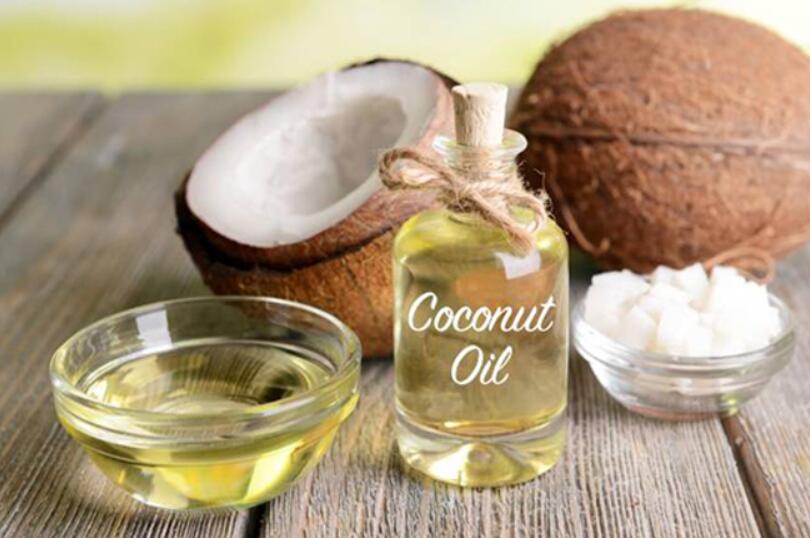
Coconut oil is a fatty oil or semisolid fat that is derived from the meat, kernels, and milk of the coconut palm fruit. It is used in various applications. Coconut oil’s unique composition is rich in medium-chain fatty acids like lauric acid, capric acid, and caprylic acid. It not only nourishes the skin but also boasts anti-bacterial, anti-inflammatory, and antioxidant properties.
These attributes make it an excellent choice for promoting wound healing, alleviating inflammation, and even addressing skin conditions such as dry skin, cellulite, and stretch marks. Moreover, its ability to absorb easily into the skin without leaving a greasy residue enhances the massage experience, allowing for deeper relaxation and muscle relief.
16 Benefits of Using Coconut Oil for Massage Therapy
1. Moisturizing Properties
The fatty acids in coconut oil have profound moisturizing abilities. Studies show coconut oil can improve skin hydration and elasticity as well as reduce symptoms of eczema.
When used for massage, coconut oil first lubricates the skin reducing friction. But more importantly, the rich fatty acids penetrate deep down to hydrate skin cells.
This intensive moisturizing leaves skin feeling soft, smooth, and supple for days after the massage. The vitamins and antioxidants in coconut oil nourish and protect skin simultaneously.
2. Glide And Slip
A key benefit of coconut oil for massage is that its slick, smooth texture allows hands to glide effortlessly over the skin. This decreased friction enhances the fluidity of all massage strokes and movements.
With proper lubrication, the massage therapist can use perfect pressure without pulling at or dragging across the skin. The oil enables nearly friction-free mobility. Coconut oil allows for smooth motions and flawless technique.
3. Absorption
Many massage oils can leave skin feeling heavy or greasy. Their thick texture fails to absorb so they remain sitting on the surface of skin. Coconut oil has a dry finish so it readily soaks into the skin after application. The skin fully absorbs both the oil itself along with its myriad of nutrients.
Unlike other vegetable oils, coconut oil will not stain sheets or clothes after massage. There is no need to shower or clean skin after massage since no residue remains. This allows the client to bask in the afterglow and reap all the benefits.
4. Anti-Inflammatory
Chronic inflammation is at the root of most diseases today. Using coconut oil can help reduce systemic inflammation levels throughout the entire body. But specifically for massage applications. In addition, coconut oil also provides targeted anti-inflammatory effects on muscles and joints.
The lauric acid in coconut oil gets directly absorbed by muscles and joints during massage. For those suffering from sore, tense muscles or swollen joints, coconut oil can provide therapeutic relief. The anti-inflammatory benefits help relax muscles, increase flexibility, and reduce pain.
5. Anti-Bacterial
In addition to its anti-inflammatory properties, coconut oil also has anti-bacterial and anti-fungal agents. Given massage involves direct and often prolonged skin-to-skin contact over large surface areas, using an oil with antimicrobial effects is ideal.
Coconut oil protects both the client and therapist by preventing the spread of bacteria or microbes before, during, and after massage. This becomes especially important in clinical settings with many clients per day.
6. All-Natural
When purchasing coconut oil for use in massage, always choose extra virgin or virgin varieties that are raw/pure and unrefined. This ensures no chemicals, pesticides or additives are present. Unrefined coconut oil contains all its vital nutrients for optimal skin and health benefits.
Coconut oil is hypoallergenic so ideal for those with even sensitive skin types. Using this all-natural oil avoids any irritation or allergic reactions. Be sure to do a small skin test first.
7. Relaxing Scent
An appealing feature of coconut oil is its light tropical aroma. The coconuts impart a pleasant fragrance that most people associate with relaxation on a beach vacation. When heated, coconut oil releases more of its aroma which can enhance the massage experience.
Just a subtle whiff of this scent stimulates the olfactory system which is directly connected to the limbic system in the brain associated with emotions. This can promote feelings of calmness and nostalgia.
8. Boosts Immunity
The MCFAs (medium chain fatty acids) like lauric acid in coconut oil have antiviral, anti-fungal, and antibacterial properties. When absorbed into the skin and tissues during massage, coconut oil can boost immunity by protecting the body from pathogens.
Using coconut oil regularly can help prevent sickness and infection. By boosting circulation and blood flow, a coconut oil massage also helps flush toxins and pathogens out of the body faster so they cannot take hold.
9. Thyroid Support
Coconut oil helps increase metabolism, provide energy, and promote weight loss – largely by stimulating thyroid function. The fatty acids help regulate the thyroid gland which controls growth, temperature, metabolism, and heart rate.
By absorbing coconut oil directly via massage, the skin and muscles get a boost of fatty acids that stimulate thyroid hormone secretion. For those with sluggish thyroids, coconut oil used topically can provide nourishing support.
10. Skin And Hair Health
The vitamins, fatty acids, and antioxidants in coconut oil nourish the skin to generate healthy new cells. This helps repair damage, restore moisture, and improve skin integrity over time. The lauric acid in coconut oil also protects against bacteria leading to acne.
For hair health, coconut oil penetrates the follicles to reduce protein loss. Massaging coconut oil directly into the scalp can help strengthen roots and prevent hair damage. The vitamins and minerals in the oil nourish hair follicles for faster, healthier growth.
11. Aids Digestion
The MCTs in coconut oil help the body better absorb fat-soluble vitamins like A, D, E, and K. This enhances nutrient uptake from foods to aid digestion. The lauric acid turns into monolaurin – an antiviral and antibacterial agent that fights pathogens in the gut. This keeps the digestive tract functioning optimally.
During massage, tissues absorb a boost of coconut oil nutrients which has a direct and positive impact on digestion. Those struggling with digestive issues like leaky gut syndrome, IBS, or sluggish bowels may benefit from regular coconut oil massage.
12. Antioxidant Protection
Free radicals cause oxidative damage linked to cancer, aging, inflammation, and neurodegenerative disease. Coconut oil is rich in antioxidants that fight these free radicals to protect cells from damage. Massaging coconut oil into the skin supplies antioxidant nutrients directly into tissues that then travel through the bloodstream.
Oxidative stress also impairs the skin’s connective tissue leading to wrinkles and sagging. The antioxidants in coconut oil counteract this leading to tighter, more youthful skin over time.
13. Increases Insulin Sensitivity
Research shows the MCFAs in coconut oil can improve insulin secretion and utilization within cells. For those with diabetes or insulin resistance, regular massage with coconut oil may enhance cellular uptake of glucose therefore stabilizing blood sugar levels. The fatty acids and nutrients directly absorbed through massage boost insulin sensitivity.
14. Boosts Metabolism
A sluggish metabolism leads to fatigue, weight gain, and digestive issues. The medium-chain triglycerides (MCTs) in coconut oil increase metabolism, provide energy, and promote weight loss.
The fatty acids stimulate thyroid function which controls growth, temperature, metabolism, and heart rate. Massaging coconut oil into tissues transfers these beneficial properties directly into cells.
15. Reduces Stress
Massage using coconut oil is deeply relaxing and soothing for both mind and body. The sweet, tropical aroma triggers the olfactory system eliciting a calm, peaceful state of mind.
The MCTs in coconut oil produce ketones which provide energy and clarity of thought. Massage also decreases cortisol and adrenaline – the stress hormones.
16. Supports Gut Health
Coconut oil contains a unique type of saturated fat called lauric acid which has antimicrobial effects. In the digestive tract, lauric acid transforms into monolaurin – a monoglyceride compound that destroys lipid-coated viruses like HIV and herpes. Massaging coconut oil allows direct absorption of lauric acid to support gut health and immunity.
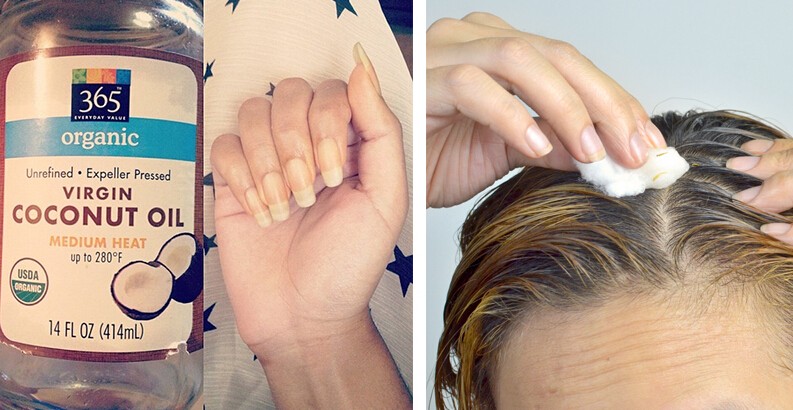
Massage Techniques of Using Coconut Oil for Massage Therapy
When using coconut oil for massage, first melt the oil to liquefy it. Test the temperature before applying directly onto the skin. Pour a liberal amount into the palm to thoroughly coat both hands before starting. Apply more oil as needed.
Target tense areas like the neck, shoulders, and lower back. Use broad strokes following muscle fibers rather than rubbing up and down. Coconut oil is light enough for a facial massage even around the eyes. Always avoid friction or pulling motions. Allow time after massage for the skin to fully absorb the coconut oil before dressing.
FAQs
Q: Is coconut oil safe to use for massage therapy?
A: Yes, coconut oil is generally safe to use for massage therapy. It is a natural product that is well-tolerated by most individuals. However, it’s important to note that if you or your client has a known allergy to coconuts, it’s best to avoid using coconut oil and opt for an alternative oil instead.
Q: Can coconut oil be used on all skin types?
A: Yes, coconut oil is suitable for all skin types. It is non-comedogenic, meaning it won’t clog pores, making it an excellent choice for individuals with oily or acne-prone skin. Additionally, its moisturizing properties make it beneficial for individuals with dry or sensitive skin.
Q: How much coconut oil should be used during a massage session?
A: The amount of coconut oil used during a massage session can vary depending on personal preference and the area being massaged. As a general guideline, start with a small amount and add more as needed to ensure smooth gliding and hydration of the skin. It’s always better to start with a conservative amount and add more if necessary.
Q: Can coconut oil stain clothing or sheets?
A: Coconut oil has a low chance of staining clothing or sheets. However, it’s always a good idea to use a towel or sheet to protect surfaces, especially if using larger quantities of oil. Additionally, washing the linens promptly after the massage session can help prevent any potential staining.
Q: Can coconut oil be used for facial massage?
A: Yes, coconut oil can be used for facial massage. Its moisturizing and nourishing properties can help hydrate and soften the skin on the face. However, individuals with acne-prone or sensitive skin should perform a patch test before using coconut oil on their face to ensure there are no adverse reactions.
Q: Are there any potential side effects of using coconut oil for massage therapy?
A: For most individuals, coconut oil is safe and well-tolerated. However, some people may experience allergic reactions or skin irritation. It’s always recommended to perform a patch test before using coconut oil on a larger area of the body. If any adverse reactions occur, discontinue use and consult a healthcare professional.
Q: Can coconut oil be used during pregnancy?
A: Yes, coconut oil can be used during pregnancy for massage therapy. Its moisturizing properties can help alleviate dry skin and reduce the appearance of stretch marks. However, it’s always advisable to consult with a healthcare professional before using any product during pregnancy to ensure it is safe for both the mother and baby.
Q: Can coconut oil be used for deep tissue massage?
A: Yes, coconut oil can be used for deep tissue massage. Its smooth texture and lubricating properties make it suitable for applying deeper pressure and targeting specific areas of tension. However, it’s important to communicate with your massage therapist about your preferences and any specific concerns you may have during the session.
Q: How should coconut oil be stored to maintain its freshness?
A: Coconut oil should be stored in a cool, dry place away from direct sunlight. It is best kept in a tightly sealed container to prevent exposure to air and moisture. When stored properly, coconut oil has a long shelf life and can remain fresh for an extended period.
Q: How to Choose Coconut Oil?
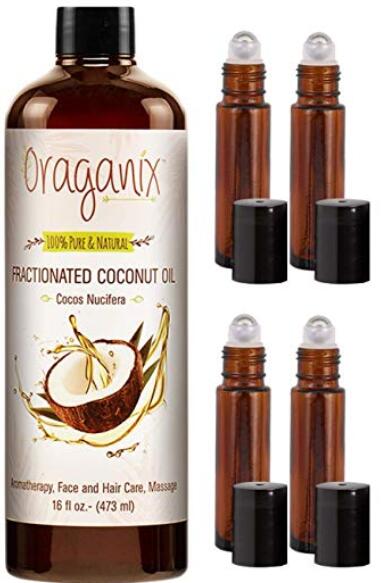
A: For both edible and topical use, always choose organic extra virgin coconut oil. This is unrefined, untreated, and produced through compression and washing of the meat. Refined varieties remove nutrients using harsh chemicals. The oil may also be hydrogenated or deodorized.
Check that the coconut oil is non-GMO, pure, and additive-free. Color and aroma can confirm purity – it should smell like fresh coconuts. Price often reflects quality. A 16-ounce jar costs $15-25 USD and lasts several months.
Q: Can coconut oil be combined with other essential oils for massage therapy?
A: Yes, coconut oil can be combined with other essential oils to enhance the massage experience. However, it’s important to properly dilute essential oils and ensure that you or your client does not have any allergies. Always follow proper guidelines for dilution ratios and consult with a qualified aromatherapist if needed.