
When it comes to losing weight, finding the right exercise routine can make all the difference. Among the various options available, exercise bikes have emerged as a popular choice. They are low-impact and suitable for people of all fitness levels, including those with joint issues. Moreover, they are convenient, allowing you to exercise regardless of weather conditions or time constraints. But how effective are they? Is an exercise bike good for weight loss? Let’s delve into the mechanics of weight loss and strategies to maximize their benefits.
What is Exercise Bikes?
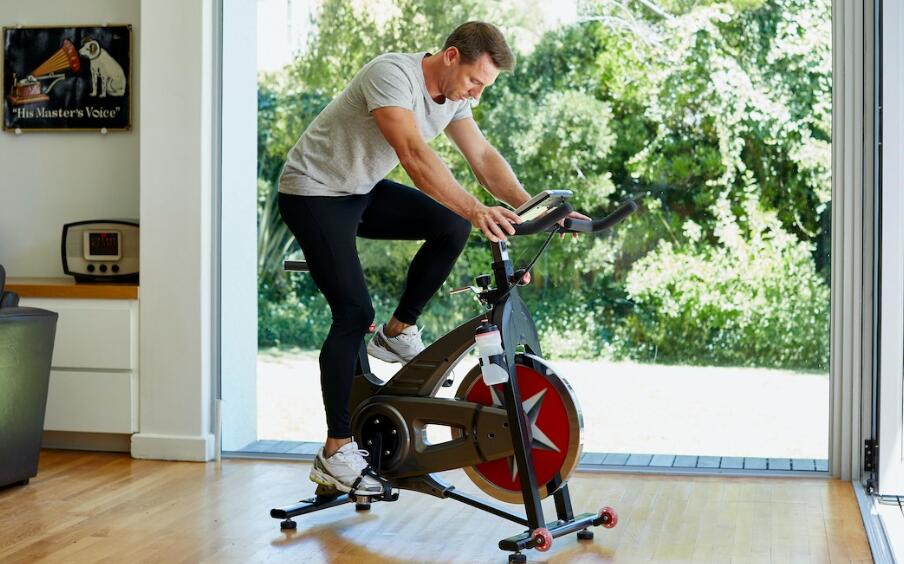
Exercise bikes are stationary fitness equipment that resembles a regular bicycle but are designed for indoor use. They provide a low-impact cardiovascular workout that targets the lower body muscles, including the quadriceps, hamstrings, calves, and glutes.
Exercise bikes come in various types, such as upright bikes, recumbent bikes, and spin bikes, each offering different features and benefits. They are popular in home gyms and fitness centers. They provide a convenient and effective way to lose weight.
Is an Exercise Bike Good for Weight Loss?
Yes, an exercise bike can be an effective tool for weight loss. Regular cardiovascular exercise, such as cycling on an exercise bike, can help create a calorie deficit, which is necessary for weight loss.
When you engage in sustained cycling on an exercise bike, you burn calories and increase your heart rate. This can lead to the burning of excess body fat. Additionally, exercise bikes offer the advantage of being low-impact, meaning they are gentle on the joints and suitable for people of various fitness levels. This allows individuals who may have joint issues or are new to exercise to engage in a safe and effective weight loss activity.
However, it’s important to note that weight loss is also influenced by other factors such as diet, overall physical activity level, and individual metabolism. To achieve significant weight loss, it is recommended to combine regular exercise on an exercise bike with a balanced and healthy diet.
5 Advantages of Exercise Bikes for Weight Loss
1. Efficient Calorie Burning
One of the primary benefits of exercise bikes for weight loss is their ability to burn calories efficiently. To lose weight, you must create a calorie deficit, meaning you need to burn more calories than you consume. Exercise bikes provide an excellent means to achieve this goal.
The number of calories burned during a cycling session depends on factors such as your weight, the intensity of your workout, and the duration. On average, a 155-pound person can burn around 252 calories in just 30 minutes of moderate-intensity cycling.
By increasing the intensity or duration of your workouts, you can further amplify your calorie burn. This can accelerate your weight loss progress.
2. Adjustable Intensity for Progressive Challenges
Another advantage of exercise bikes is the ability to adjust the intensity of your workouts. Most stationary bikes offer resistance settings that allow you to make your rides easier or more challenging, depending on your fitness level and goals.
As you progress in your weight loss journey, you can gradually increase the resistance to keep challenging your body and preventing plateaus. This progressive overload is crucial for continual calorie burning and fat loss. With exercise bikes, you have full control over the intensity of your workouts, enabling you to tailor your rides to your specific needs and capabilities.
3. Low-Impact Workouts for Joint Protection
For individuals who are overweight or have joint issues, high-impact exercises like running can be difficult or even painful. Exercise bikes offer a low-impact alternative that is gentle on the joints while still providing an effective cardiovascular workout.
The smooth, fluid motion of cycling minimizes stress on the knees, hips, and ankles, reducing the risk of injury and discomfort. This makes exercise bikes an excellent choice for those who need to lose weight.
In addition, it has limitations due to joint problems or excess body weight. By opting for low-impact cycling, you can consistently engage in calorie-burning workouts without putting undue strain on your joints.
4. Versatility for Different Fitness Levels
Exercise bikes cater to a wide range of fitness levels, making them a versatile tool for weight loss. Whether you’re a beginner just starting your fitness journey or an experienced athlete, you can easily adjust the intensity and duration of your cycling workouts to match your current abilities and goals.
This versatility allows you to progress at your own pace and avoid the frustration or discouragement that can come with workouts that are too advanced or too easy. As you build strength and endurance, you can gradually increase the challenge of your rides. This ensures that you continue to burn calories and lose weight effectively.
5. Convenience and Accessibility
One of the most appealing aspects of exercise bikes for weight loss is their convenience and accessibility. Unlike outdoor cycling, which can be subject to weather conditions and traffic hazards, stationary bikes allow you to exercise in your own home.
This convenience factor makes it easier to maintain a consistent workout routine, which is crucial for sustainable weight loss. With an exercise bike readily available, you can squeeze in calorie-burning sessions whenever you have spare time. This accessibility can be especially beneficial for those with busy schedules or limited access to outdoor cycling routes.
How to Lose Weight Using an Exercise Bike?
Here’s a step-by-step guide to help you get started:
Step 1: Choose the Right Bike
Select a stationary bike that suits your fitness level and goals. Upright bikes are good for a more intense workout that also engages the upper body. While recumbent bikes are better for those with joint issues or beginners.
Step 2: Warm-Up
Begin each session with a 5-10 minute warm-up at a low intensity. This helps to loosen your muscles and prepare your body for the workout.
Step 3: Vary Your Workouts
Incorporate different types of workouts to keep your routine interesting and effective:
- For Beginners: Start with a 25-35 minute workout, gradually increasing the time. A sample plan could include pedaling at low intensity for 5-10 minutes, medium intensity for 5 minutes, and high intensity for 1-2 minutes. Then you can repeat this cycle.
- For Weight Loss: Focus on interval training by alternating between high intensity (1-3 minutes) and medium intensity (3-5 minutes) for 20-30 minutes.
- LISS Workouts: Engage in Low-Intensity Steady State (LISS) cardio for 30-60 minutes to burn calories at a moderate pace.
- HIIT Workouts: High-intensity interval Training (HIIT) involves short bursts of high-intensity exercise followed by rest. This makes it highly effective for burning calories in a shorter period.
Step 4: Maintain Proper Form
Ensure your bike is adjusted to your body to maintain proper form, minimizing the risk of injury and maximizing the efficiency of your workout.
Step 5: Cool Down
End each session with a 5-10 minute cool-down at a low intensity to help your body recover and reduce muscle soreness.
Step 6: Stay Consistent
Consistency is key. Aim to cycle 2-3 times a week, gradually increasing the duration and intensity of your workouts as your fitness improves.
Additional Tips:
- Switch Up Your Routine: To avoid boredom and plateaus, vary your workouts by changing the resistance, and speed, and incorporating different cycling positions.
- Track Your Progress: Use a fitness tracker or app to monitor your progress, including calories burned, distance, and time.
- Stay Hydrated: Drink plenty of water before, during, and after your workouts to stay hydrated.

Maximizing Weight Loss with Exercise Bikes
To harness the full potential of exercise bikes for weight loss, consider the following strategies:
1. Consistency and Duration
Regularly cycling, even for just 30 minutes a day, can contribute to weight loss, especially if it’s more exercise than you’re currently doing. Over time, you may find yourself wanting to increase both the duration and intensity of your workouts as your fitness improves.
Aim to incorporate exercise bike sessions into your routine at least 3-5 times per week. Consistency is key when it comes to weight loss, as it helps establish healthy habits and keeps your metabolism active. If you’re new to exercise, start with shorter sessions and gradually increase the duration as your endurance builds.
2. Progressive Overload
To continue seeing results and avoid plateaus, it’s important to challenge your body by progressively increasing the intensity or duration of your workouts. This principle, known as progressive overload, helps your body adapt to the demands placed upon it. This can help improve fitness and lose weight loss.
As you become more comfortable with your exercise bike routine, consider increasing the resistance, pedaling faster, or extending the duration of your sessions. You can also incorporate interval training, alternating between high-intensity bursts and periods of recovery. This can keep your body challenged and your metabolism elevated.
3. Dietary Considerations
Weight loss is predominantly influenced by diet. It’s crucial to adopt a healthy eating plan that complements your exercise regimen. Cutting out junk food and reducing portion sizes can significantly impact your weight loss efforts.
Focus on consuming a balanced diet rich in whole foods, such as fruits, vegetables, lean proteins, and whole grains. These nutrient-dense foods can help keep you feeling full and satisfied while providing your body with the fuel it needs. Be mindful of calorie-dense snacks and beverages, as they can quickly add up and hinder your weight loss progress.
4. Holistic Approach
Incorporate other forms of exercise, such as walking or jogging, to vary your routine and target different muscle groups. Additionally, tracking your food intake using apps can provide insights into your caloric consumption. This can help you maintain a balanced diet.
Resistance training, such as weightlifting or bodyweight exercises, can also be a valuable addition to your weight loss plan. You should also aim to incorporate resistance training exercises at least 2-3 times per week.
Potential Drawbacks and Considerations
While exercise bikes offer numerous benefits for weight loss, there are some potential drawbacks to consider:
1. Overuse Injuries
Although cycling is a low-impact activity, overuse injuries can still occur, particularly if proper form is not maintained or if the bike is not adjusted correctly. Common issues include knee pain, lower back pain, and numbness in the hands or feet.
To minimize the risk of injury, ensure that your bike is properly fitted and that you maintain good posture while riding.
2. Boredom and Monotony
Some individuals may find cycling on a stationary bike monotonous, especially if done for extended periods. This can lead to a lack of motivation and adherence to the exercise routine.
To combat boredom, consider listening to music, watching television, or using virtual cycling apps that can provide engaging scenery and challenges.
3. Limited Muscle Engagement
While cycling primarily targets the lower body muscles, such as the quadriceps, hamstrings, and calves, it may not provide a comprehensive full-body workout.
To ensure balanced muscle development, you can incorporate upper body exercises and core strengthening activities into your overall fitness routine.
4. Accessibility and Cost
Exercise bikes can be expensive, especially if you opt for a high-end model with advanced features. Additionally, not everyone has access to an exercise bike at home or a gym membership.
If cost or accessibility is a concern, you can consider alternative forms of cardiovascular exercise, such as walking, running, or using resistance bands. They can be more budget-friendly and require less equipment.
Conclusion
Exercise bikes offer numerous advantages for those seeking to lose weight effectively and sustainably. From efficient calorie burning to low-impact workouts, these stationary machines provide a powerful tool for shedding unwanted pounds.
So, if you’re looking for an effective, accessible, and joint-friendly way to lose weight, consider making an exercise bike a central part of your fitness routine. With consistency, progression, and a commitment to healthy habits, you can pedal your way to successful weight loss.