Having healthy and luscious hair is a desire shared by many. While there are numerous hair care products available in the market, the key to achieving strong and beautiful hair starts from within. Your diet plays a crucial role in promoting hair growth and maintaining its overall health. Certain foods are packed with essential nutrients that support hair growth and improve overall hair health. In this article, we will explore the 18 best foods for healthy hair growth.
Understanding Hair Growth
Before we delve into the specific foods, let’s take a moment to understand how hair grows. Hair growth occurs in cycles, with each hair strand going through a growth phase (anagen), a transitional phase (catagen), and a resting phase (telogen). During the anagen phase, the hair follicle receives essential nutrients that support hair growth.
Hair growth is influenced by various factors, including genetics, age, and overall health. The hair follicles rely on a steady supply of nutrients to produce strong and healthy hair.
Our diet plays a key role in maintaining healthy hair. Certain nutrients are vital for hair strength, growth, and appearance. By incorporating these nutrients into our diet, we can support the health of our hair follicles and promote healthy hair growth.
Essential Nutrients for Healthy Hair
Let’s look at the essential nutrients that contribute to healthy hair growth.
Vitamins
- Vitamin A: This vitamin helps produce sebum, an oily substance that moisturizes the scalp and keeps the hair strands healthy. Additionally, it promotes the growth of hair cells. Good sources of vitamin A include sweet potatoes, carrots, and spinach.
- Vitamin C: This vitamin aids in collagen production, which is essential for hair structure. It also helps in the absorption of iron, another important nutrient for hair health. Citrus fruits, berries, and bell peppers are rich in vitamin C.
- Vitamin D: Vitamin D stimulates hair follicles and plays a role in hair cycling. Research has shown a link between vitamin D deficiency and hair loss. Salmon, fortified dairy products, and exposure to sunlight are excellent sources of vitamin D.
- Vitamin E: Vitamin E is an antioxidant that promotes blood circulation to the scalp. It also helps protect the hair follicles from oxidative stress. Avocados, almonds, and sunflower seeds are rich in vitamin E.
- B-vitamins: Biotin, niacin, and other B-vitamins are crucial for healthy hair growth. They help carry oxygen and nutrients to the scalp and hair follicles. Eggs, nuts, and whole grains are excellent sources of B vitamins.
Minerals
- Iron: Iron deficiency can lead to hair loss. Iron is responsible for carrying oxygen to the hair follicles, promoting hair growth. Incorporate iron-rich foods such as spinach, lentils, and lean meats into your diet.
- Zinc: Zinc helps maintain a healthy scalp and supports hair growth. It plays a role in DNA and protein synthesis, which are essential for hair cell production. Oysters, beans, and nuts are good sources of zinc.
- Selenium: Selenium is an antioxidant that supports hair health. It helps the body produce proteins that create hair strands and promote scalp health. Brazil nuts, fish, and whole grains are rich in selenium.
Proteins and Fatty Acids
- Proteins: Hair is primarily made up of a protein called keratin. Consuming protein-rich foods provides the building blocks necessary for hair growth and strength. Eggs, chicken, and Greek yogurt are excellent sources of protein.
- Omega-3 Fatty Acids: These fatty acids are essential for scalp health. They help reduce inflammation and promote blood circulation, which in turn supports hair follicle health. Include fatty fish like salmon, flaxseeds, and walnuts in your diet to boost hair health.
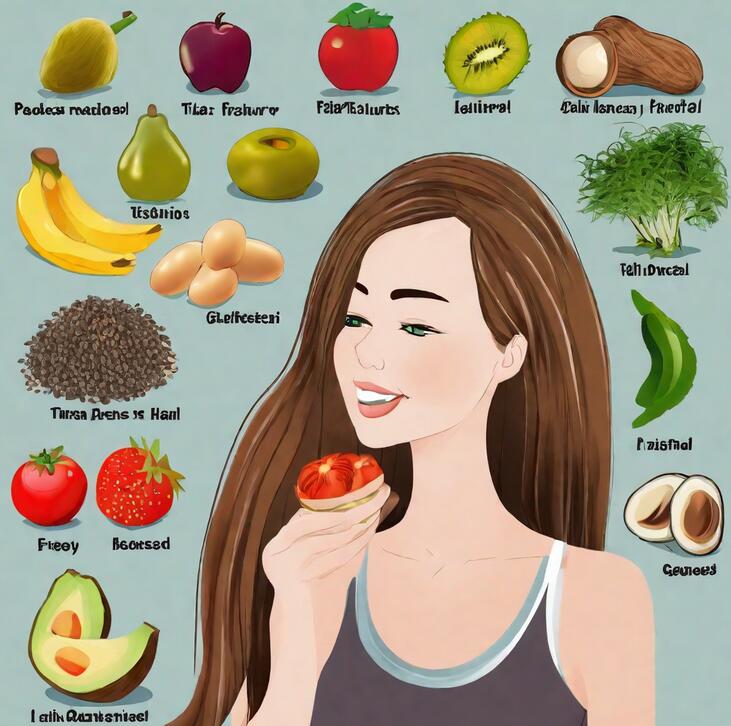
18 Best Foods for Healthy Hair Growth
Now that we understand the essential nutrients for healthy hair growth, let’s explore the 18 best foods that provide these nutrients.
1. Eggs
Eggs are not only a great source of protein, but they also contain biotin and essential minerals like zinc and selenium. These nutrients are vital for hair growth and strength.
Biotin, in particular, helps improve the elasticity of the hair strands, reducing breakage and promoting healthy growth. Additionally, eggs are rich in iron, which helps carry oxygen to the hair follicles, promoting growth and preventing hair loss.
2. Spinach
Spinach is packed with iron, folate, and vitamins A and C which help in the production of sebum. Iron is crucial for carrying oxygen to the hair follicles, promoting growth, and preventing hair loss.
Vitamin A helps the scalp produce sebum, which moisturizes the hair and keeps it healthy. Vitamin C aids in collagen production, which strengthens the hair strands and promotes healthy hair growth.
3. Salmon
Salmon is an excellent source of omega-3 fatty acids, which nourish the hair follicles and promote healthy hair growth. These fatty acids also reduce inflammation on the scalp, preventing hair loss and dandruff.
Salmon is also rich in protein, B vitamins, and selenium, all of which contribute to strong and shiny hair. The protein content in salmon helps in the production of keratin, the main component of hair.
4. Sweet Potatoes
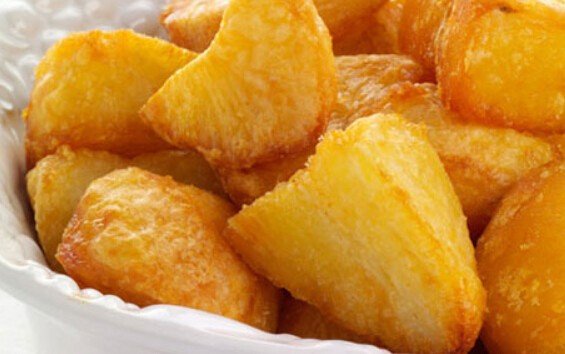
Sweet potatoes contain beta-carotene which keeps the scalp hydrated and promotes hair growth. Beta-carotene is converted into vitamin A in the body. This helps in the growth of cells, including hair cells. Sweet potatoes also contain antioxidant properties that protect the hair from damage caused by free radicals.
Additionally, sweet potatoes are a good source of vitamin C, which aids in collagen production, promoting strong and healthy hair.
5. Avocado
Avocados are rich in healthy fats, vitamins E and C, and biotin, all of which contribute to healthy hair growth. The monounsaturated fats in avocados moisturize the scalp and hair, preventing dryness and breakage.
Vitamin E promotes blood circulation to the scalp, ensuring that the hair follicles receive proper nourishment. Vitamin C aids in collagen production, which strengthens the hair strands. Biotin, on the other hand, helps improve the strength and elasticity of the hair, reducing breakage.
6. Nuts
Nuts, such as almonds, walnuts, and cashews, provide essential nutrients like omega-3 fatty acids, vitamin E, and biotin, which promote hair health.
Omega-3 fatty acids nourish the hair follicles and reduce inflammation, promoting healthy hair growth. Vitamin E acts as an antioxidant, protecting the hair from damage caused by free radicals. Biotin can help strengthen the hair strands, reducing brittleness and preventing breakage.
7. Greek Yogurt
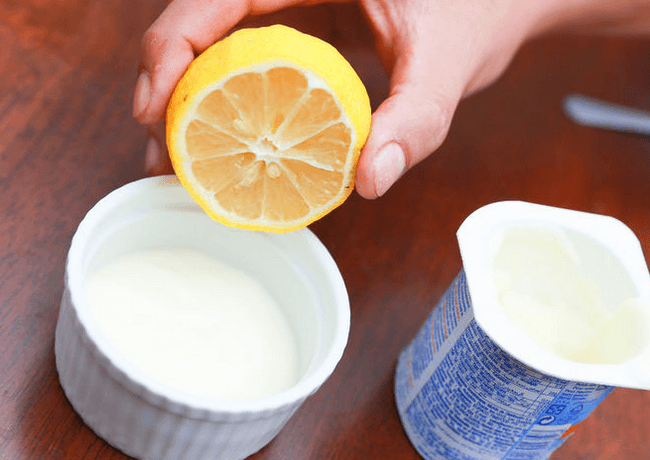
Greek yogurt is a great source of protein, vitamin B5, and vitamin D, all of which benefit hair growth. Protein is necessary for the production of keratin, the main component of hair. Vitamin B5 improves blood flow to the scalp, ensuring that the hair follicles receive essential nutrients. Vitamin D helps in the creation of new hair follicles, promoting hair growth.
8. Berries
Berries, such as strawberries and blueberries, are packed with antioxidants, vitamins, and minerals that support hair health and growth. Antioxidants protect the hair follicles from damage caused by free radicals, promoting healthy hair growth.
Vitamins, such as vitamin C, aid in collagen production, which strengthens the hair strands. Minerals like zinc and selenium also play a role in maintaining healthy hair.
9. Oysters
Oysters are rich in zinc, a mineral that helps repair hair damage and promotes hair growth. Zinc plays a crucial role in DNA and RNA production, which is necessary for the division and growth of hair cells.
A deficiency in zinc can lead to hair loss, so incorporating oysters into your diet can help maintain healthy hair. Oysters are also a good source of protein and iron, which support overall hair health.
10. Lentils
Lentils are an excellent plant-based protein source, providing essential nutrients like iron, zinc, and biotin for healthy hair growth. Iron helps carry oxygen to the hair follicles, promoting growth and preventing hair loss. Zinc supports the hair’s structural integrity, preventing breakage. Biotin strengthens the hair strands, reducing brittleness and promoting healthy growth.
11. Carrots
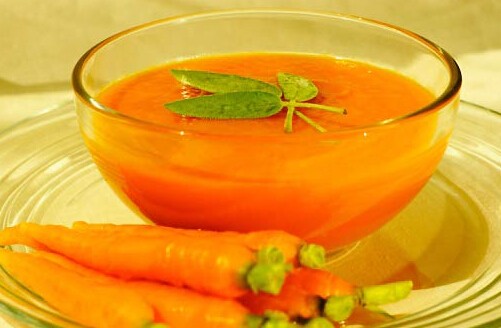
Carrots are rich in vitamin A, which helps in the production of sebum, promoting a healthy scalp and hair growth. A well-hydrated scalp is essential for maintaining healthy hair.
The vitamin A in carrots also supports the growth of hair cells and prevents dryness and brittleness. Additionally, carrots are a good source of antioxidants, which protect the hair from damage and promote overall hair health.
12. Lean Poultry
Lean poultry, such as chicken and turkey, is a great source of protein, iron, and zinc, all of which are essential for hair growth. Protein is necessary for the production of keratin, which makes up the hair strands.
Iron and zinc support the hair’s overall health and prevent hair loss. Additionally, lean poultry is a good source of B vitamins, which promote healthy hair growth.
13. Beans
Beans, including black beans and kidney beans, contain protein, iron, zinc, and biotin, all of which contribute to healthy hair. Protein is essential for the growth and strength of the hair, while iron and zinc support the hair follicles.
Biotin promotes healthy hair growth and reduces breakage. Additionally, beans are a good source of folate, which helps in the formation of red blood cells that carry oxygen to the hair follicles.
14. Brussels Sprouts
Brussels sprouts are loaded with vitamins A and C, which promote the production of collagen, an essential protein for hair growth. Collagen helps strengthen the hair strands, making them less prone to breakage.
These vitamins also support the production of sebum, keeping the scalp moisturized and promoting healthy hair growth. Additionally, Brussels sprouts contain antioxidants that protect the hair from damage.
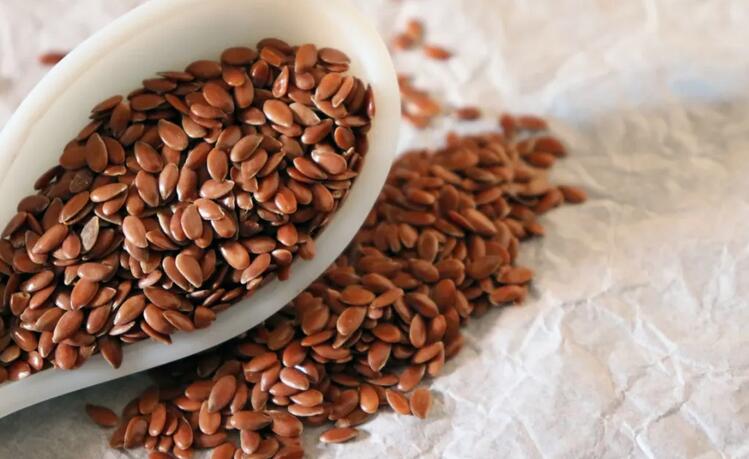
15. Flaxseeds
Flaxseeds are rich in omega-3 fatty acids, which nourish the hair follicles and promote strong, shiny hair. These fatty acids reduce inflammation on the scalp, preventing hair loss and dandruff.
Flaxseeds also contain lignans, which have antioxidant properties that protect the hair from damage. Additionally, flaxseeds are a good source of protein and fiber, which support overall hair health.
16. Quinoa
Quinoa is a complete protein source and contains essential amino acids, vitamins, and minerals that support hair growth. Protein is necessary for the production of keratin, which makes up the hair strands.
Quinoa also provides iron, zinc, and biotin, contributing to healthy hair. Additionally, quinoa is a good source of antioxidants, which protect the hair from damage caused by free radicals.
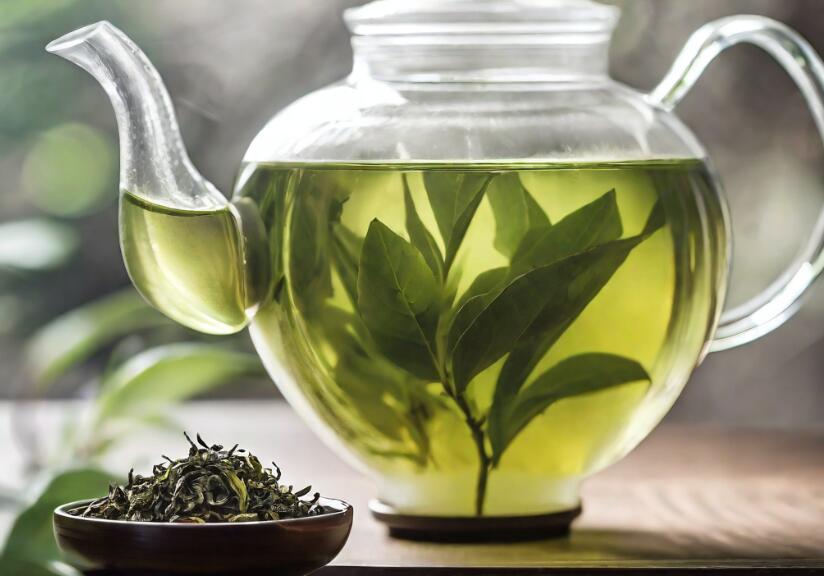
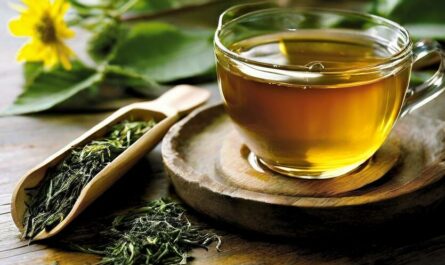
17. Green Tea
Green tea is packed with antioxidants that promote hair growth and prevent hair loss. The antioxidants in green tea help reduce inflammation on the scalp, promoting a healthy environment for hair growth.
Green tea also contains catechins, which may help block the production of a hormone associated with hair loss. Additionally, green tea is a good source of vitamins E and C, which support overall hair health.
18. Dark Chocolate
Dark chocolate is rich in antioxidants, iron, and zinc, all of which contribute to healthy hair growth. The antioxidants in dark chocolate protect the hair follicles from damage, while iron and zinc support overall hair health.
However, moderation is key, as dark chocolate should be consumed in moderation due to its calorie content. Opt for dark chocolate with a high percentage of cocoa for maximum health benefits.
Other Factors Affecting Hair Growth
While a nutrient-rich diet is essential for healthy hair growth, other factors can also impact hair health. Let’s explore some of these factors and how they contribute to hair growth:
Stress Management: Chronic stress can disrupt the hair growth cycle and contribute to hair loss. Practicing stress management techniques such as exercise, meditation, and adequate sleep can help promote healthy hair growth.
Hydration: Staying hydrated is important for overall health, including hair health. Dehydration can make hair dry, brittle, and more prone to breakage. Aim to drink an adequate amount of water throughout the day.
Hair Care Routine: A proper hair care routine can complement a healthy diet and promote optimal hair growth. Use gentle shampoos and conditioners that are suitable for your hair type. Avoid excessive heat styling and harsh chemical treatments that can damage the hair.
Scalp Health: Maintaining a healthy scalp is crucial for promoting hair growth. Keep your scalp clean and free from excessive oil or product buildup. Regular scalp massages can help stimulate blood circulation and promote hair follicle health.
FAQs
1. Can changing my diet reverse hair loss?
While a healthy diet can support hair growth and prevent certain types of hair loss, it may not reverse advanced hair loss conditions. However, by providing the necessary nutrients, a well-balanced diet can promote optimal hair health and minimize further hair loss.
2. How long does it take to see results in hair growth from a changed diet?
Hair growth is a gradual process, and results may vary depending on individual factors such as genetics and overall health. It may take several months of following a healthy diet before noticeable improvements in hair growth are observed. Consistency and patience are key.
3. Are there any foods I should avoid for healthy hair?
While there are no specific foods to avoid, it’s important to maintain a balanced diet and limit excessive consumption of processed foods, sugary snacks, and unhealthy fats. A well-rounded diet, rich in the recommended foods mentioned earlier, is key for healthy hair growth.